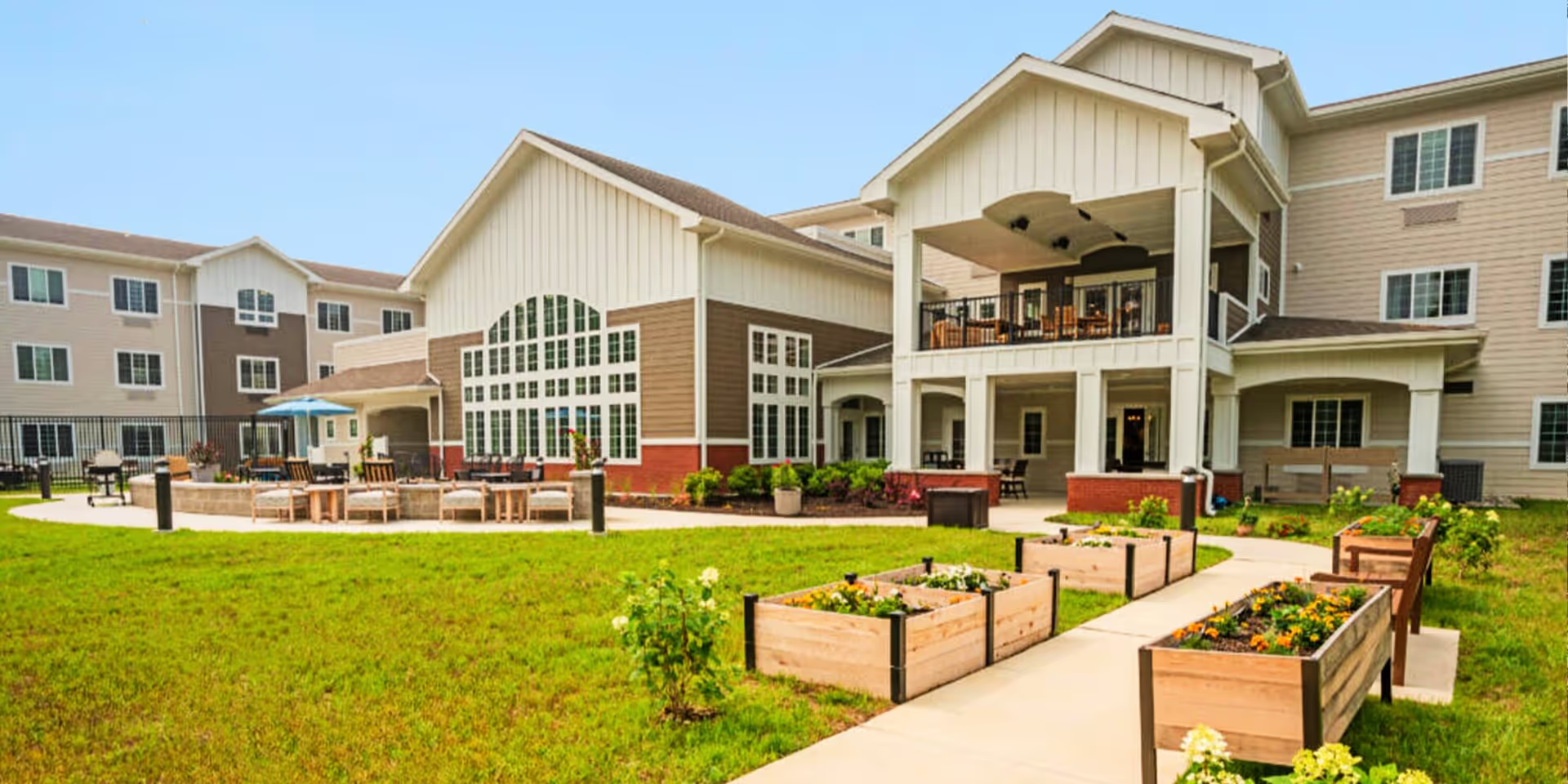
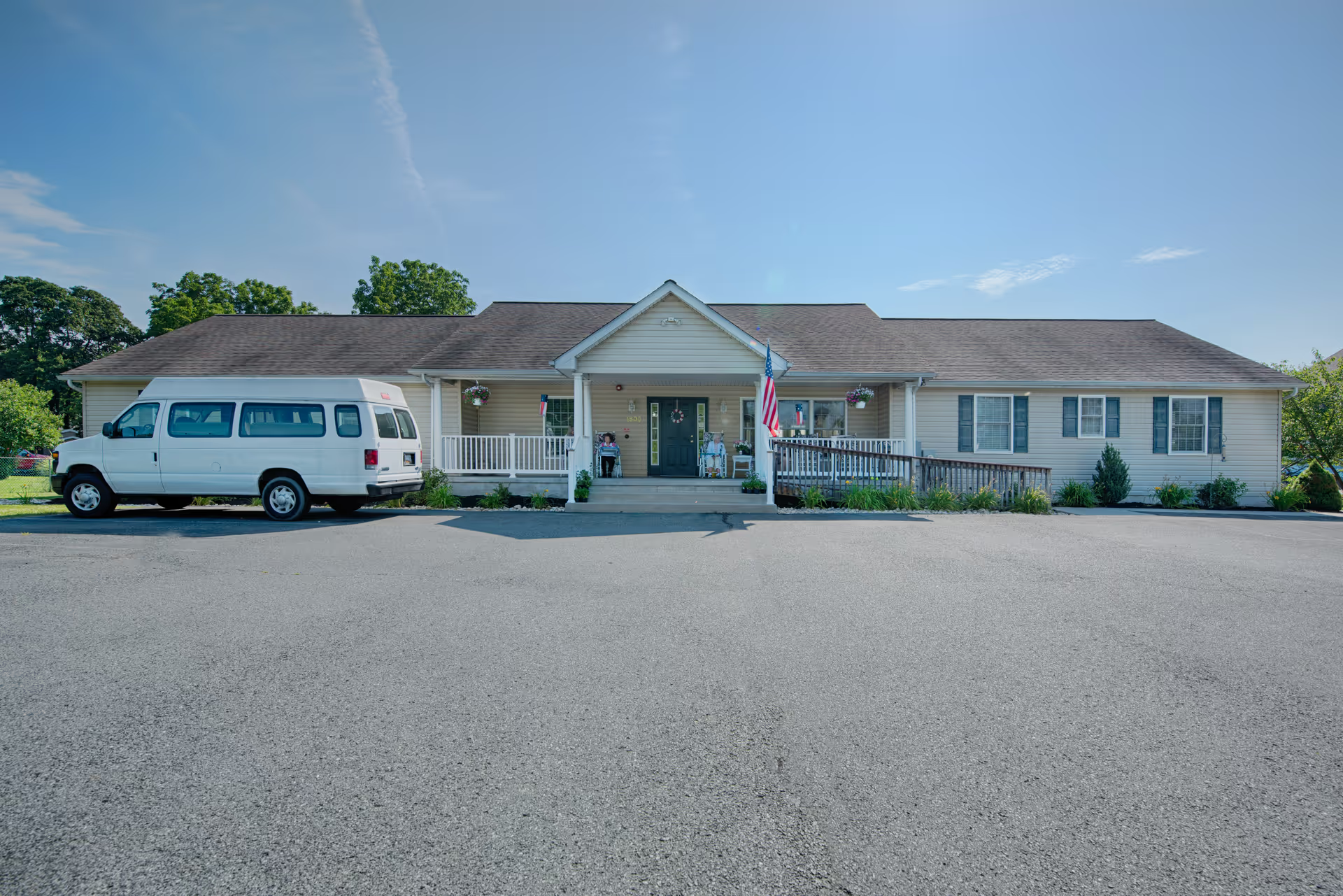
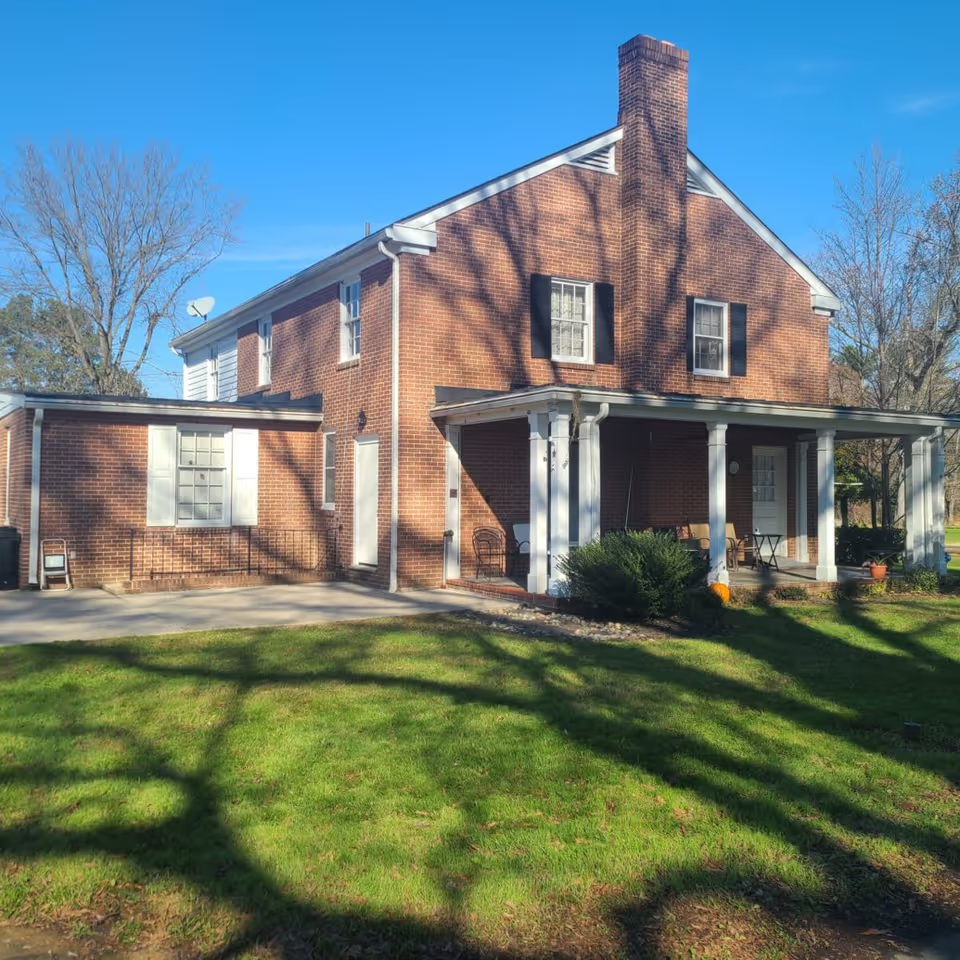
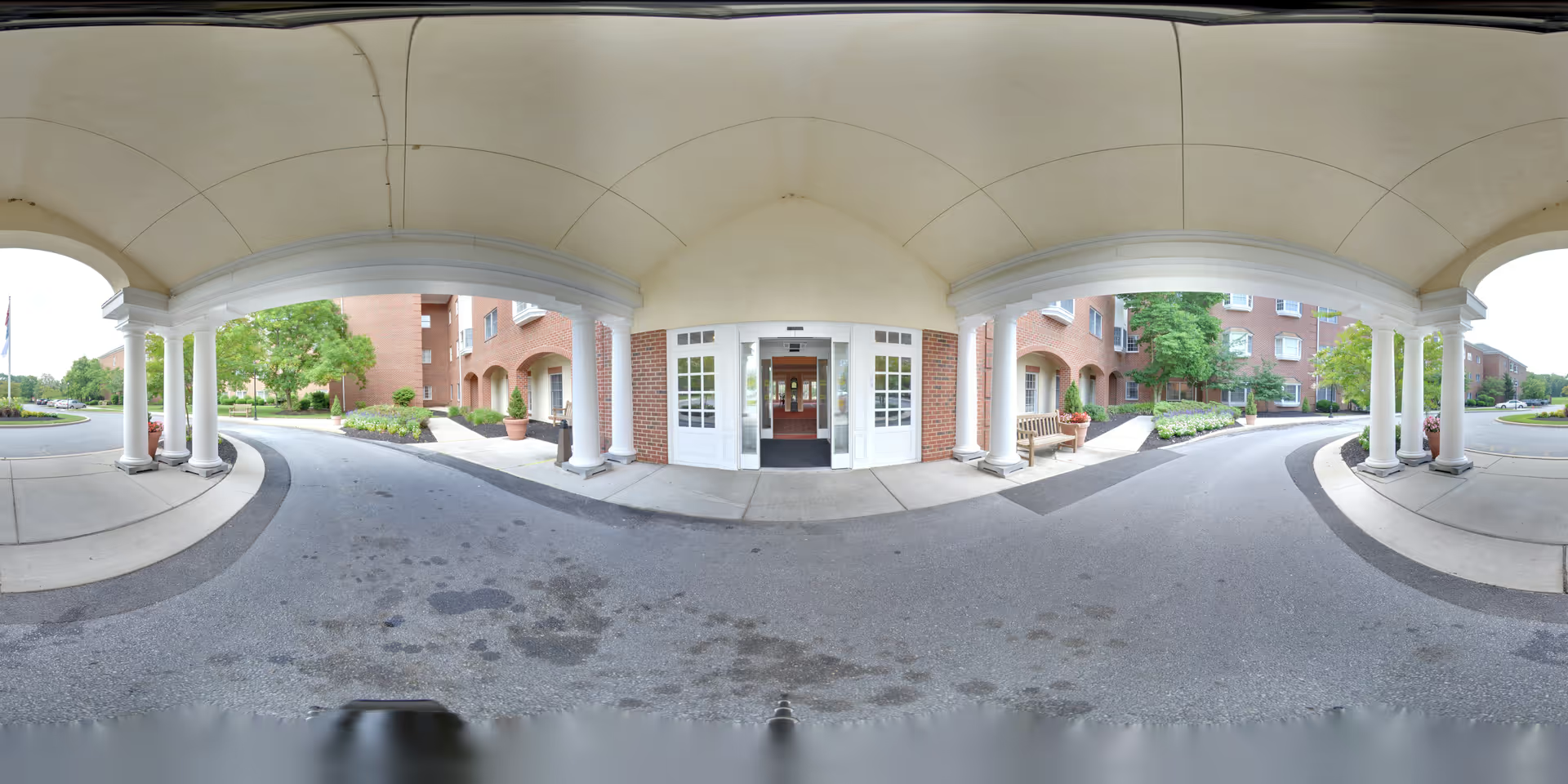
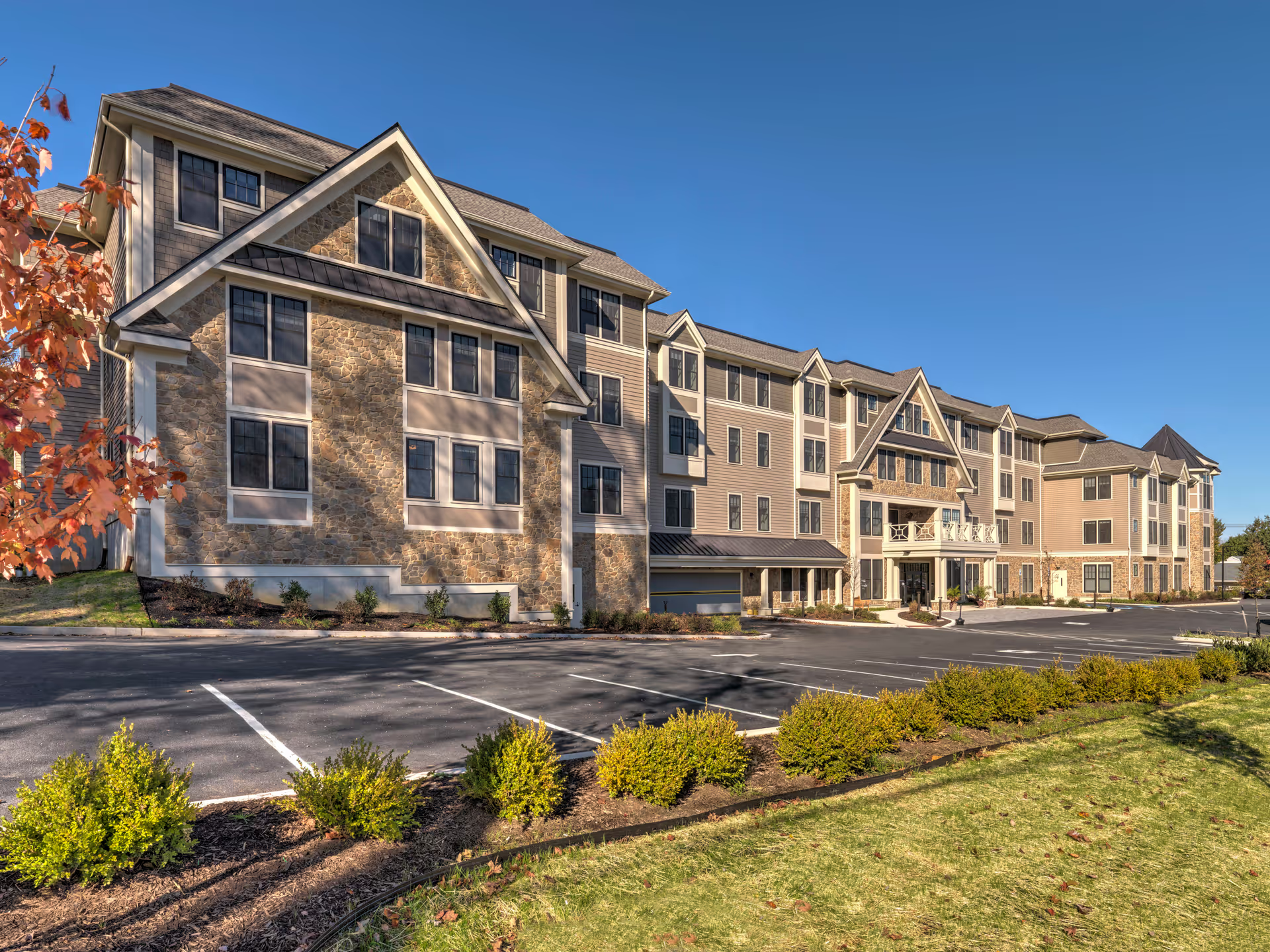
The Summit presents as a modern, well-appointed senior living community with many attributes families commonly seek: a new, light-filled building, a broad menu of independent-living amenities (movie theater, gym, beauty salon, pub), transportation and outings, and a full slate of scheduled activities. Multiple reviewers praised the activities program and cited strong, visible leadership in that area; memory-care programming and dementia-trained CNAs were repeatedly described as strengths, and the memory-care wing was described as clean, well-lit, and free of odor concerns. Reviewers also noted in-house therapy services, inclusive housekeeping and laundry, and apartments with balconies and full-size refrigerators that support independent living needs.
Staff interactions are, on balance, a prominent positive. Many accounts describe warm, compassionate caregivers, friendly front-desk and dining staff, and employees who learn residents’ names and facilitate social engagement. Several staff members and department leaders were named positively for responsiveness and program development. At the same time, there is variability in clinical and supervisory staffing: while some families described knowledgeable nurses and attentive caregivers, others reported reliance on temporary agency staff and inconsistent clinical oversight. This unevenness links to other operational concerns described below.
Dining and activity offerings are frequently highlighted as strengths: a chef-led kitchen, varied meal choices, themed events, concerts, and well-attended community ceremonies. However, there are also consistent observations of service interruptions or understaffing in the dining room at times, and a few reviewers noted declining meal-service consistency and differences in menu offerings between care levels (assisted living vs. memory care).
Facility condition and maintenance present a mixed picture. The building’s finishes, common areas, and memory-care wing are often called attractive and well-maintained, yet multiple reviewers described ongoing maintenance issues — water intrusions, balcony and roof repairs, carpet and heating/cooling problems — and slow, inconsistent follow-up on repair requests. These recurring maintenance-response delays suggest gaps in facilities management processes rather than isolated one-time events.
Management, communication, and administrative practices are another area of divergence. Positive impressions of welcoming staff and organized transitions coexist with complaints about unreturned phone calls, billing errors or overcharges, and perceived lack of responsiveness from management or supervisors. A referenced state investigation and accounts of alleged discriminatory or unprofessional staff conduct elevate concern for some families; these items, combined with mentions of marketing that did not match on-site experience, point to the need for careful contract and policy review prior to move-in.
Policy and cost issues affect decision-making for prospective residents. A facility policy that restricts cross-level access (independent-living residents not using assisted-living common areas) was a decisive factor for at least one household. Several reviewers also raised concerns about rising prices and overall affordability. Combined with variable nursing coverage (some reviews note no full-time nurse) and inconsistent medication practices cited by families, these operational traits are important for those who anticipate increasing care needs.
Overall, The Summit offers many of the amenities and social programming associated with newer senior communities and receives repeated praise for compassionate caregiving in memory care and for an active social environment. However, reviews reveal consistent themes around maintenance responsiveness, management communication, staffing consistency (particularly clinical staffing and dining coverage), billing administration, and certain policy constraints. Prospective residents and families should consider an in-person tour, ask for written policies on cross-level access, staffing ratios, nursing coverage, recent maintenance history, and billing procedures, and request references from current families in the specific care level they are considering to assess whether the community’s strengths align with their expectations and long-term needs.