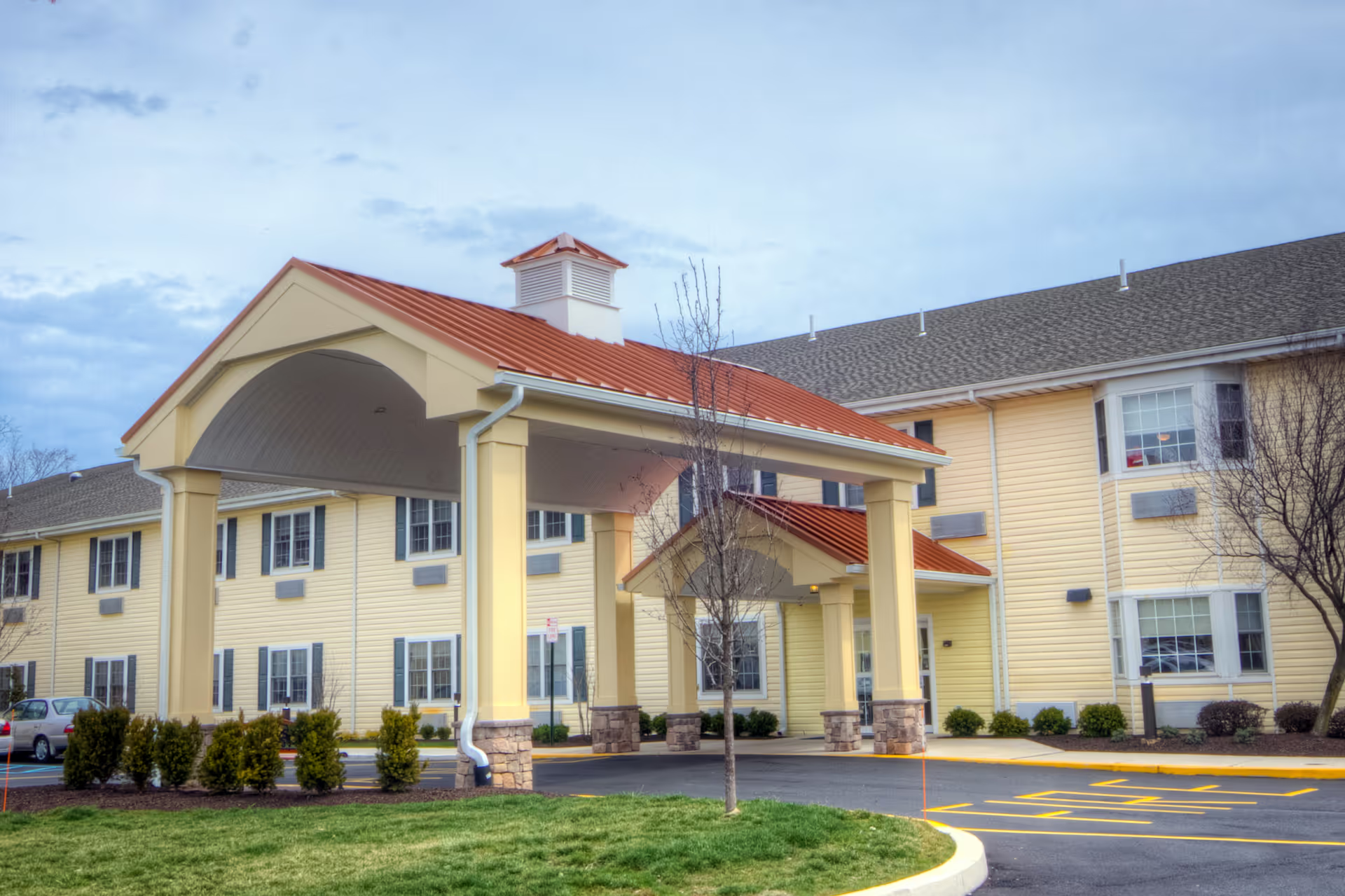
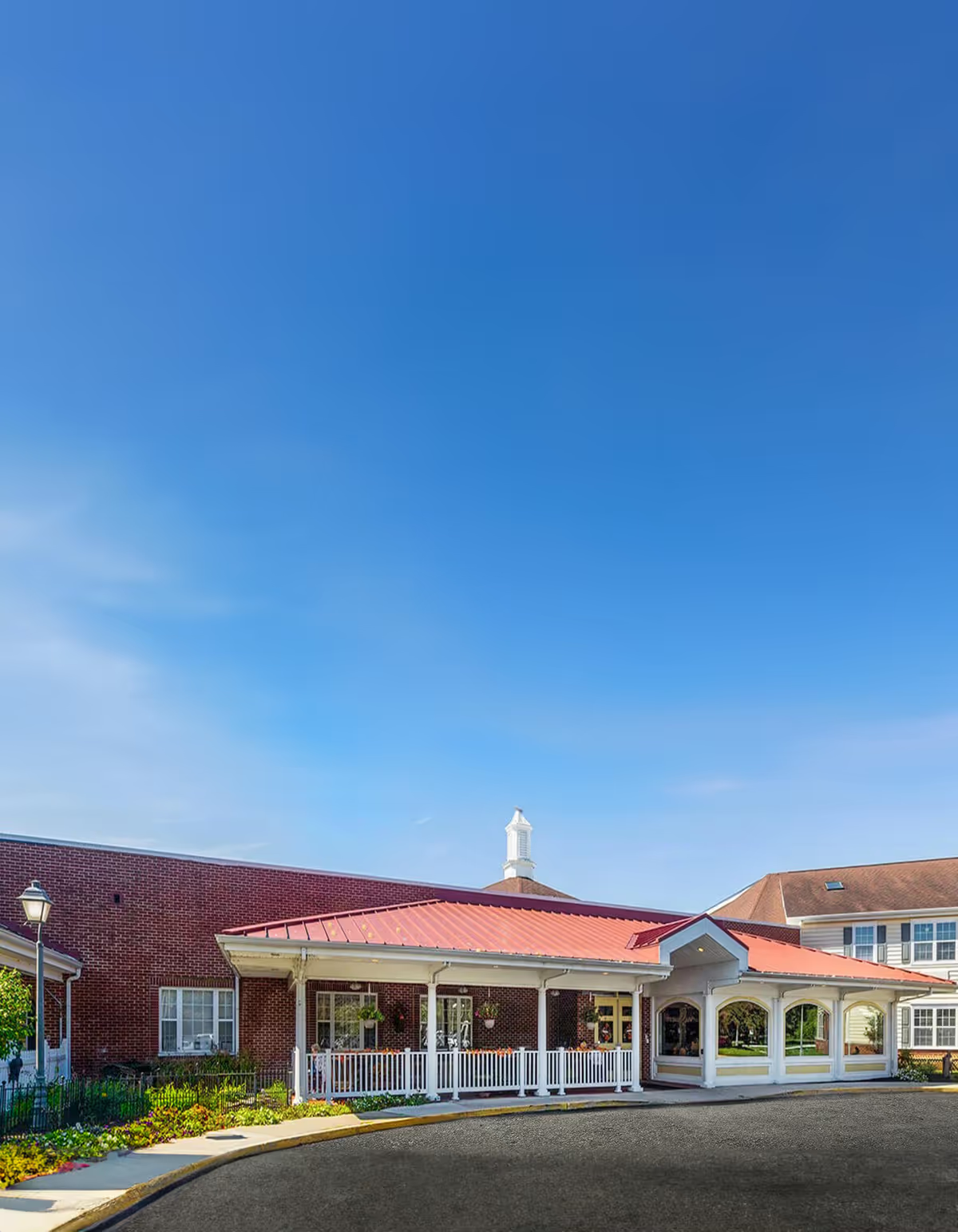
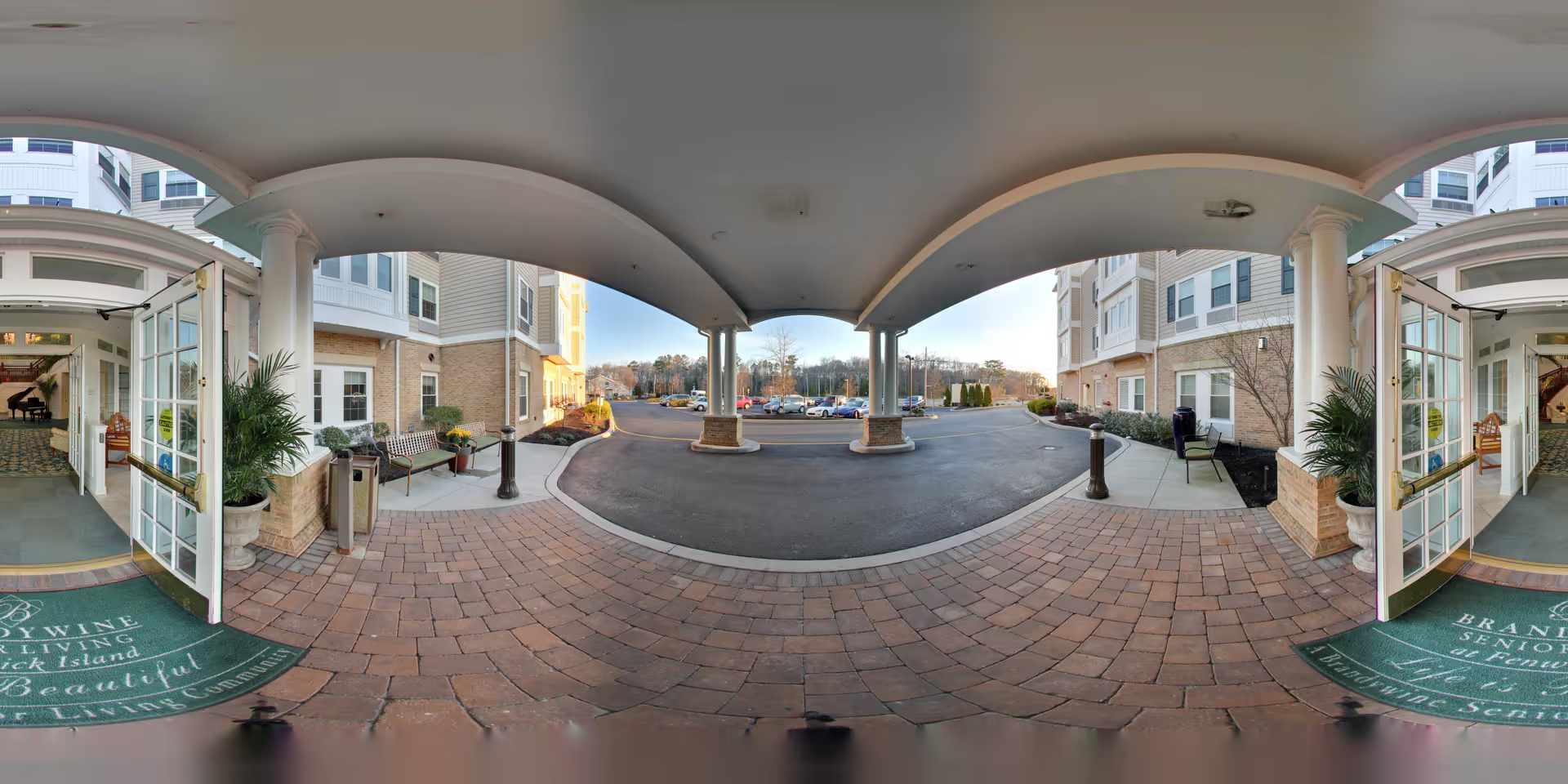
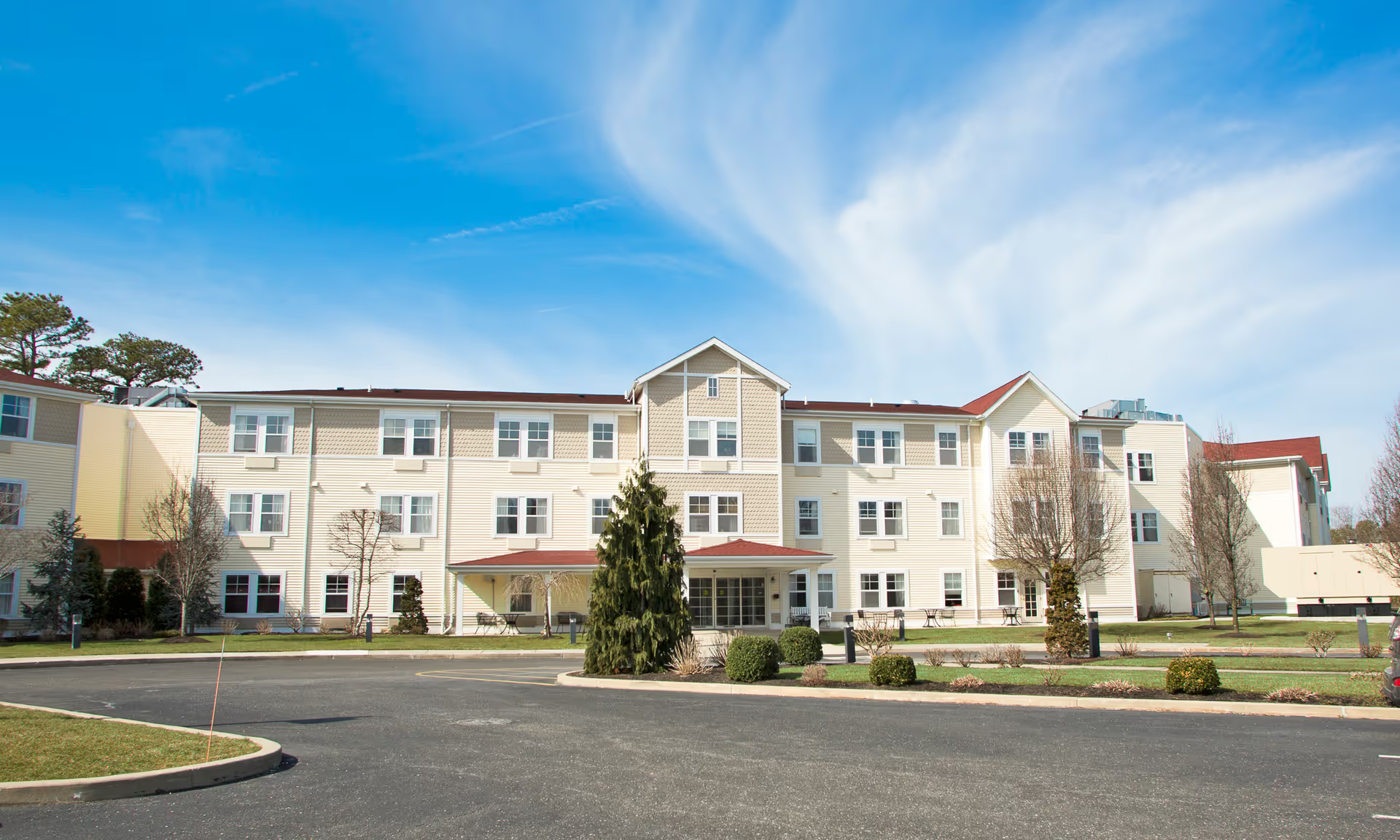
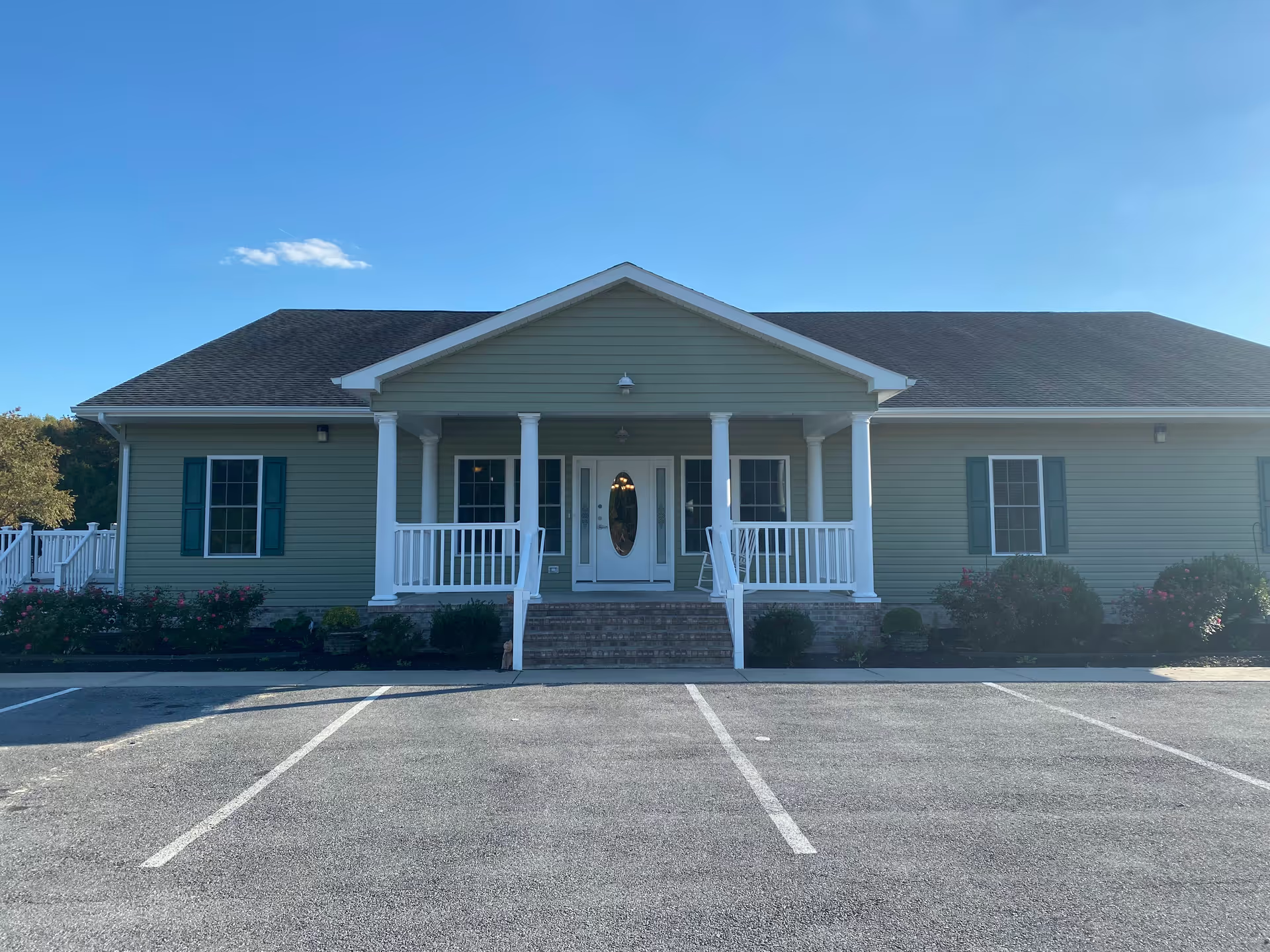
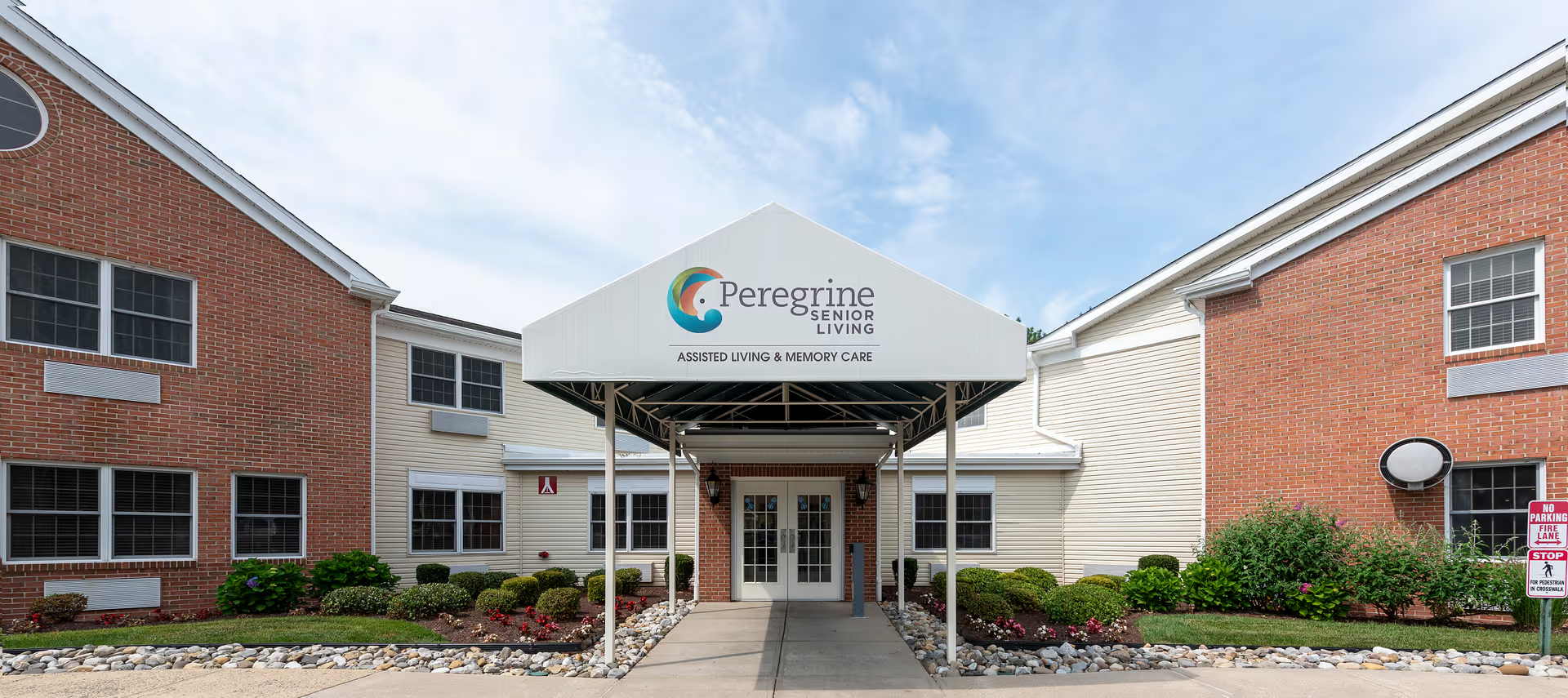
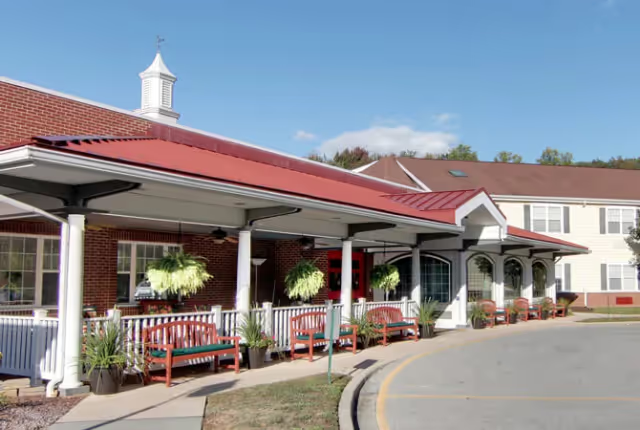
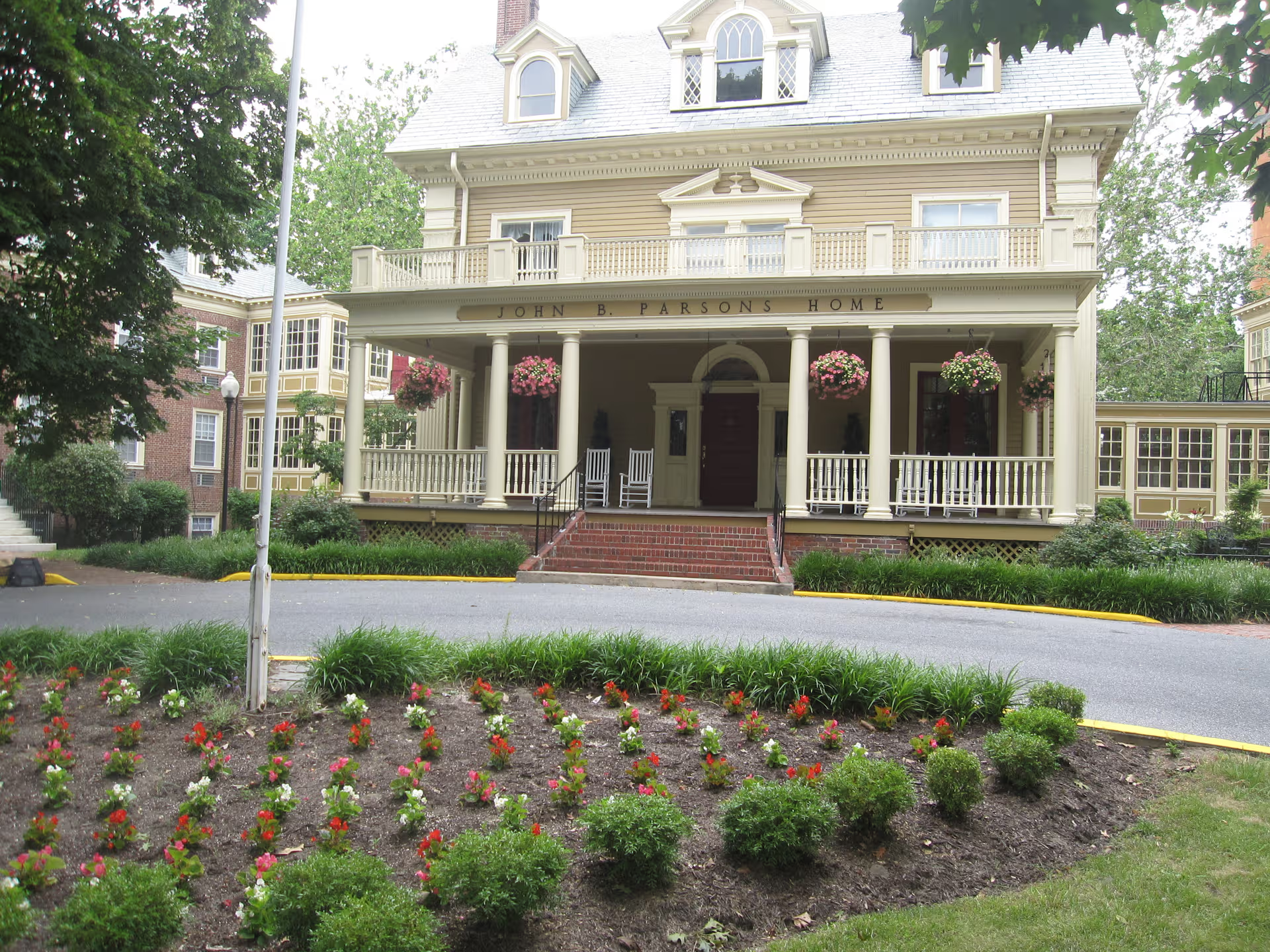
The Lodge at Historic Lewes is consistently described as a modern, bright, and well-appointed community with strong hospitality features. Reviewers frequently praise the facility’s physical attributes: spacious apartments with high ceilings, hotel-like common areas, plentiful communal spaces, and a range of amenities (fitness room, salon, game room, bar/pub and an on-site dog park). The property’s presentation, cleanliness of public areas, and aesthetic design are common strengths that contribute to a reassuring impression for prospective residents and families.
Staffing and day-to-day care receive a mix of strong positive feedback and substantive concerns. Many families highlight compassionate, attentive caregivers, helpful reception staff, and effective onboarding and move-in support, with specific staff members and the Director of Community Relations receiving positive mention. The activities team is also frequently praised for offering a lively, varied calendar — live music, game nights, movies, themed events, religious services, line dancing, and off-site excursions are cited as regular offerings that support resident engagement. At the same time, there are recurring operational critiques: inconsistent responsiveness to phone and email inquiries, uneven follow-through on family communications, and some reports implying delays or gaps in clinical incident response.
Dining is a notable strength in many accounts: restaurant-quality meals, accommodating special diets, and attractive dining rooms are repeatedly described. Conversely, reviewers also report variability in meal-service execution — slow table service at times, perceived inconsistencies in food quality, and occasional disruptions to meal continuity. These patterns suggest that while culinary leadership and menu quality are strong, front-of-house staffing or service workflows may be areas for operational refinement.
Clinical and management patterns merit careful attention. Positive reports describe committed nurses and aides and dignified end-of-life care; however, several serious concerns were raised about medication-management protocols, memory-care staffing competence, and enforcement of infection-control practices. These are presented as systemic operational weaknesses rather than isolated aesthetic issues, and they may have significant implications for residents with higher clinical needs. In addition, there are repeated notes about unclear billing practices and inconsistent resolution of family complaints, which affects trust in leadership and administrative processes. There are also references to traffic and site-access limitations tied to location and seasonal patterns, and a few comments raise questions about construction quality and safety oversight.
Overall, The Lodge at Historic Lewes projects a high-quality hospitality and lifestyle environment with strong programming and many caring staff. Prospective residents and families should weigh those strengths against the reported operational inconsistencies — particularly around medication management, memory-care staffing, communication responsiveness, and billing transparency. For candidates with complex clinical needs or families who prioritize rapid leadership responsiveness, it would be prudent to request detailed written policies on medication administration, infection control, staff training for cognitive impairment, and complaint-resolution procedures, and to observe meal service and memory-care units during an in-person visit.