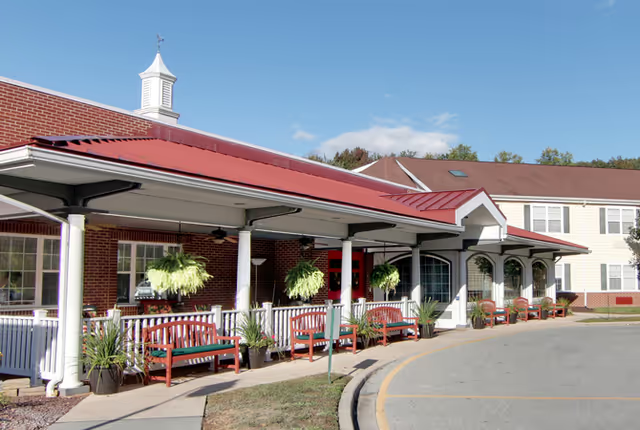
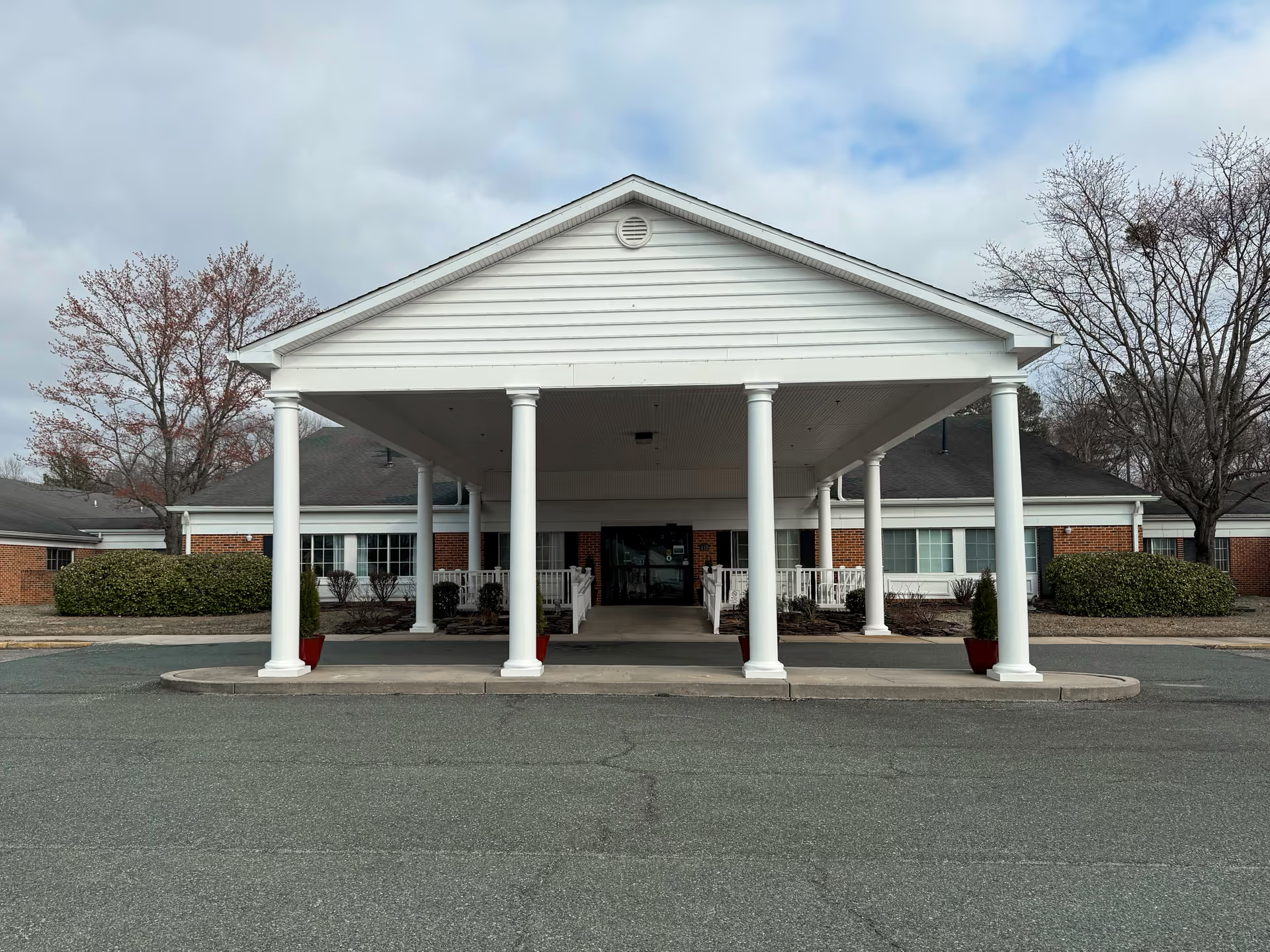
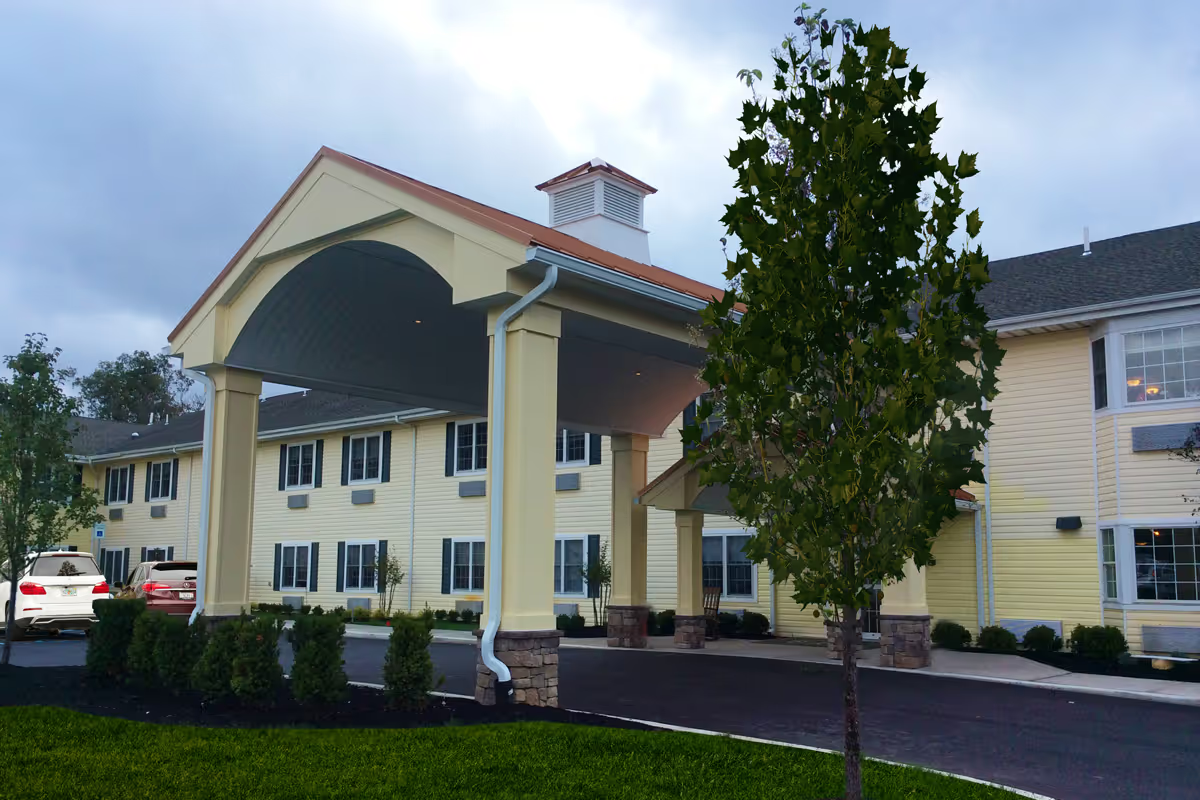
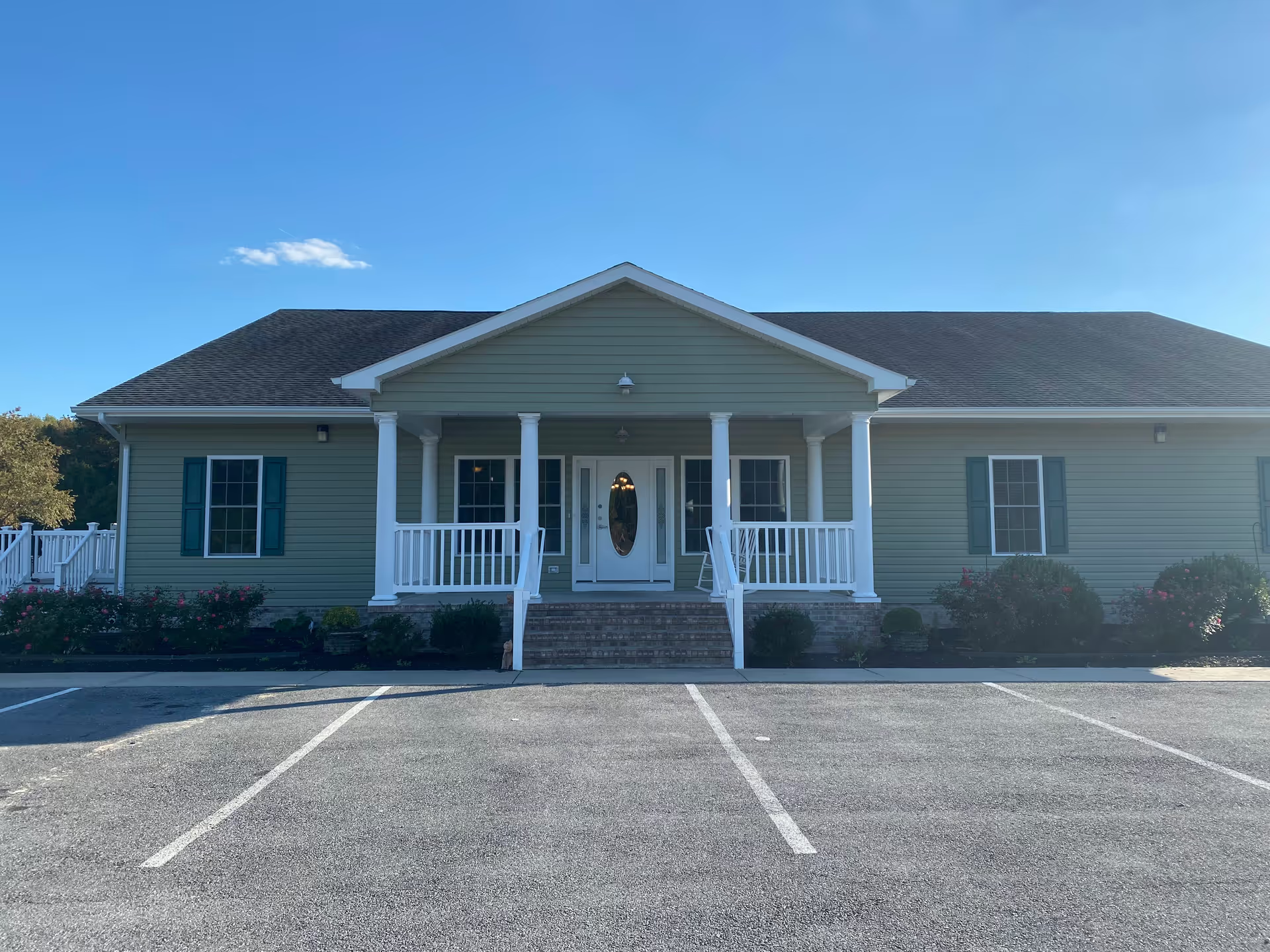
Milford Place presents a predominantly positive picture in day-to-day resident experience, anchored by a consistent theme of compassionate caregiving, an engaging social environment, and well-maintained common areas. Families commonly describe attentive nursing and aide staff who develop personal relationships with residents; the community atmosphere is frequently characterized as home-like and village-like, with multiple gathering spaces and secure outdoor courtyards that support socialization and mobility. The memory-care program is often cited as a strength, with programming and staff skill that many families found reassuring for residents with dementia.
Clinical care is a mixed but generally favorable area. Many accounts highlight thorough nursing oversight, proactive medication communication, and helpful transition support when a resident moves in. At the same time, there are recurring operational concerns: staffing levels are uneven (with noticeable night and weekend gaps and periodic turnover), and that variability appears linked to delays in routine personal care such as bathing and toileting assistance. There are also instances indicating gaps in responding to clinical incidents and in communicating promptly with families; these patterns suggest prospective residents at higher medical acuity should confirm the facility’s current clinical staffing and incident-response protocols.
Dining and activities are prominent positives, though they show variability. The community offers café-style dining, chef interaction, accommodations for special diets, and an extensive calendar of activities (bingo, chef classes, parties, outings, exercise and art groups, and therapy visits). These programs contribute strongly to residents’ social engagement. However, some families experienced repetitive menus, occasional cold or bland items, and inconsistent portioning; prospective residents may wish to sample meals and ask about menu rotation and special-diet preparation.
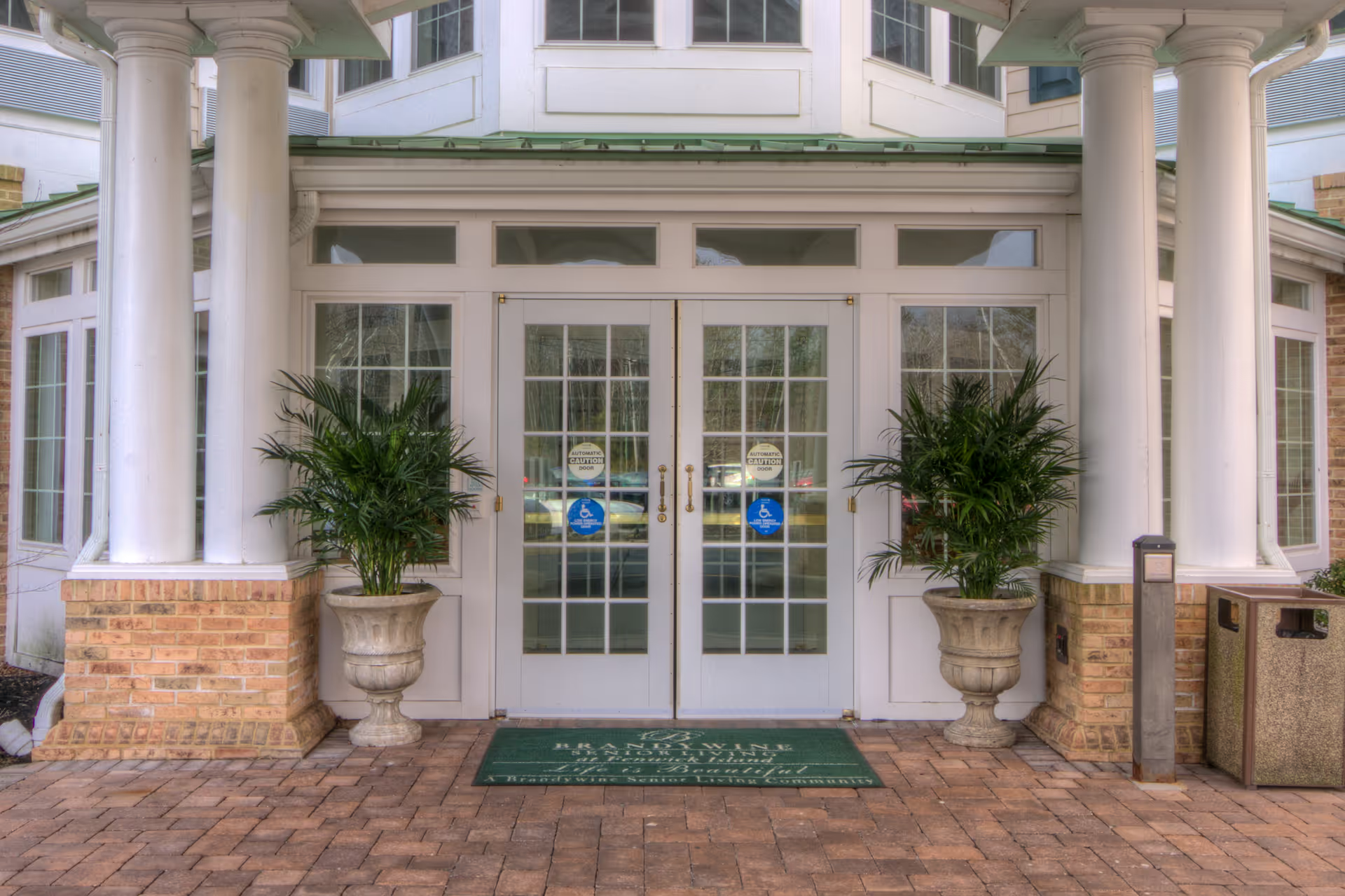
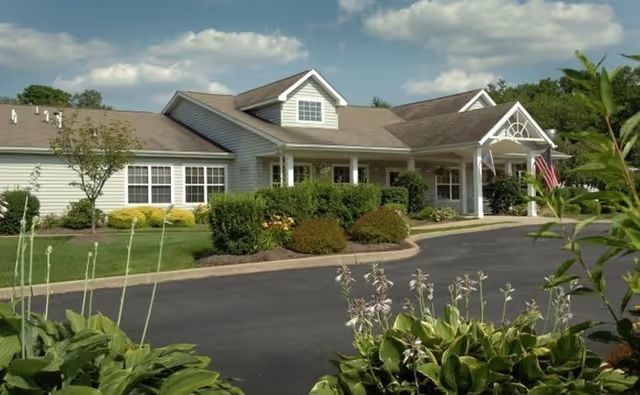
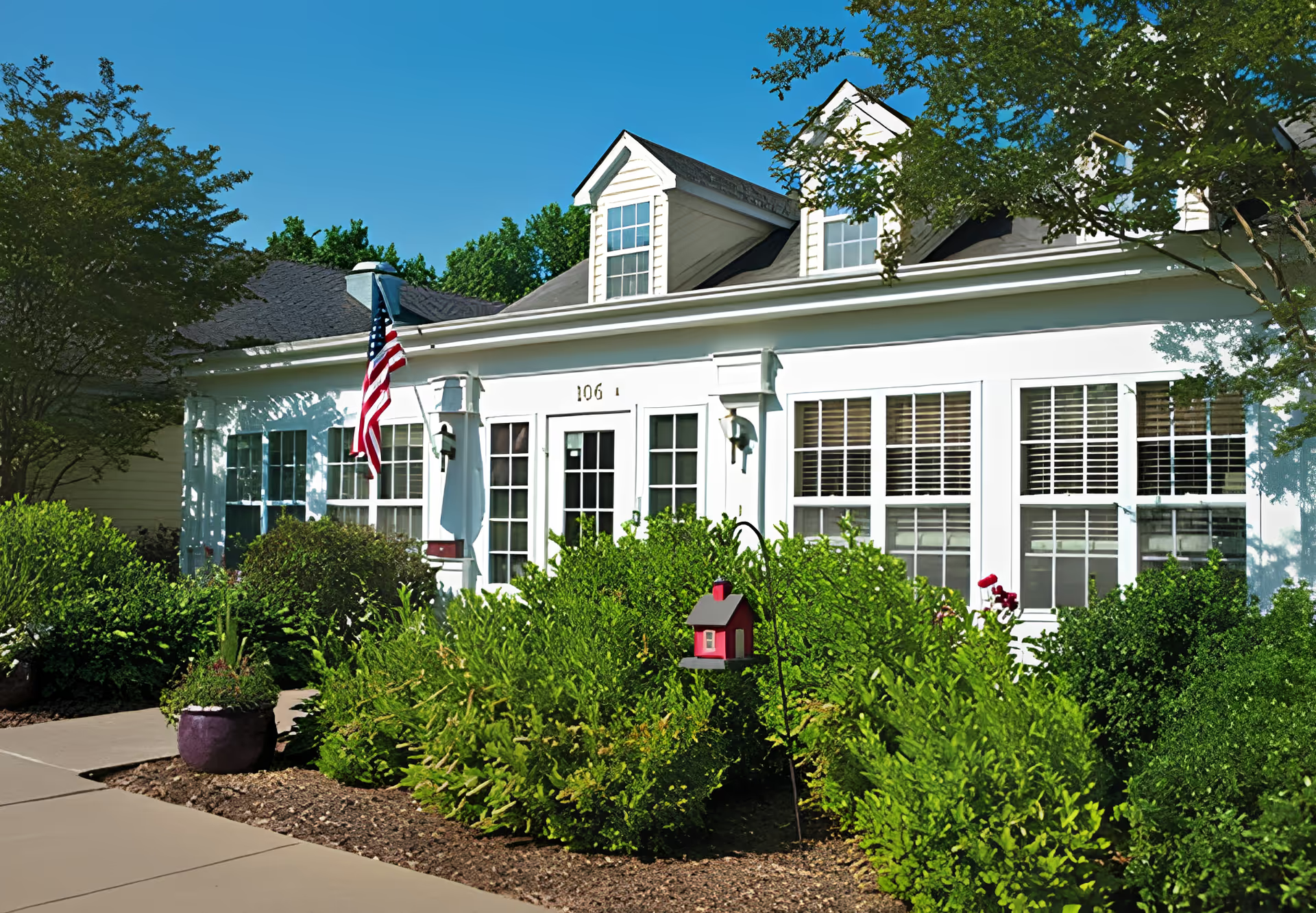
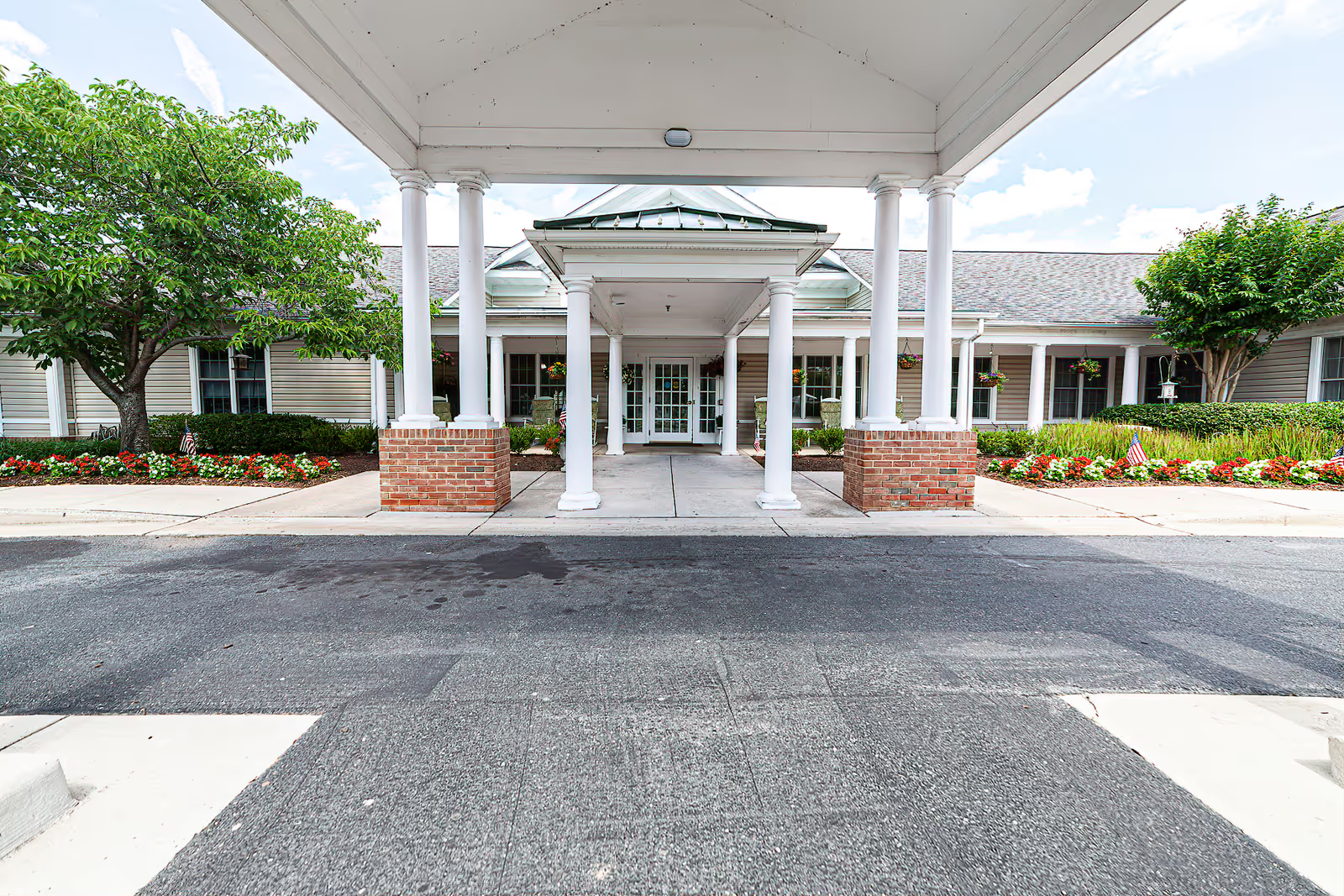
The physical plant and services receive generally strong marks: the facility is described as clean, hotel-like, wheelchair-accessible, and staffed with helpful service personnel (housekeeping, laundry, salon). Private-room options and larger apartments are available, and many reviewers praised the availability of on-site therapy and rehabilitation. At the same time, there are notes about areas due for updating, occasional housekeeping lapses (stained carpeting or inconsistent room maintenance), and smaller studio layouts that may not suit all residents.
Administrative and management patterns are the clearest operational caveat. Families raised concerns about business-office responsiveness, billing delays or confusion, periodic unreturned calls, and periodic price or fee increases that affect affordability. There are also comments about inconsistent policy enforcement and uneven leadership presence in certain units. Taken together, these items point to a facility that generally provides strong daily care and social programming but has operational variability in staffing coverage and administrative follow-through. For prospective residents and families: tour the community at different times (including evenings/weekends), meet current nursing leadership for the specific unit, sample meals, request written staffing ratios and recent turnover data, and get clear billing and fee schedules in writing before committing.