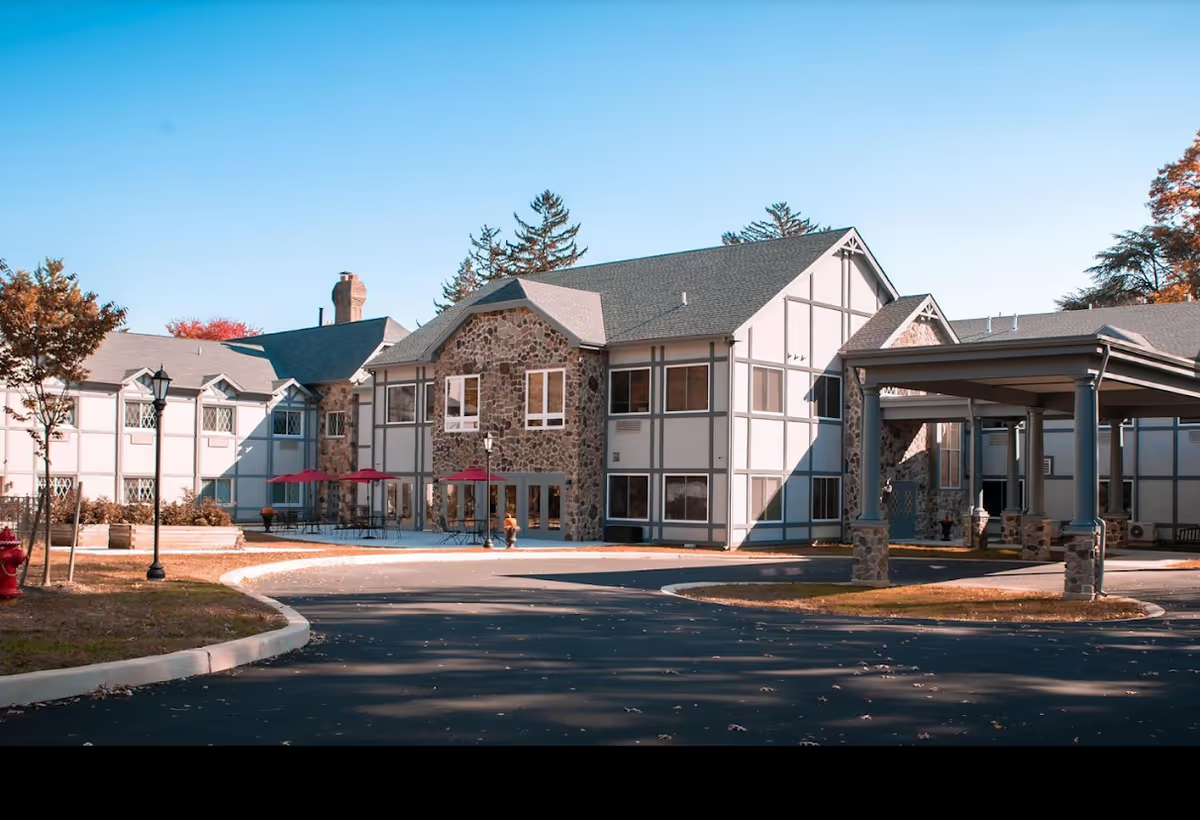
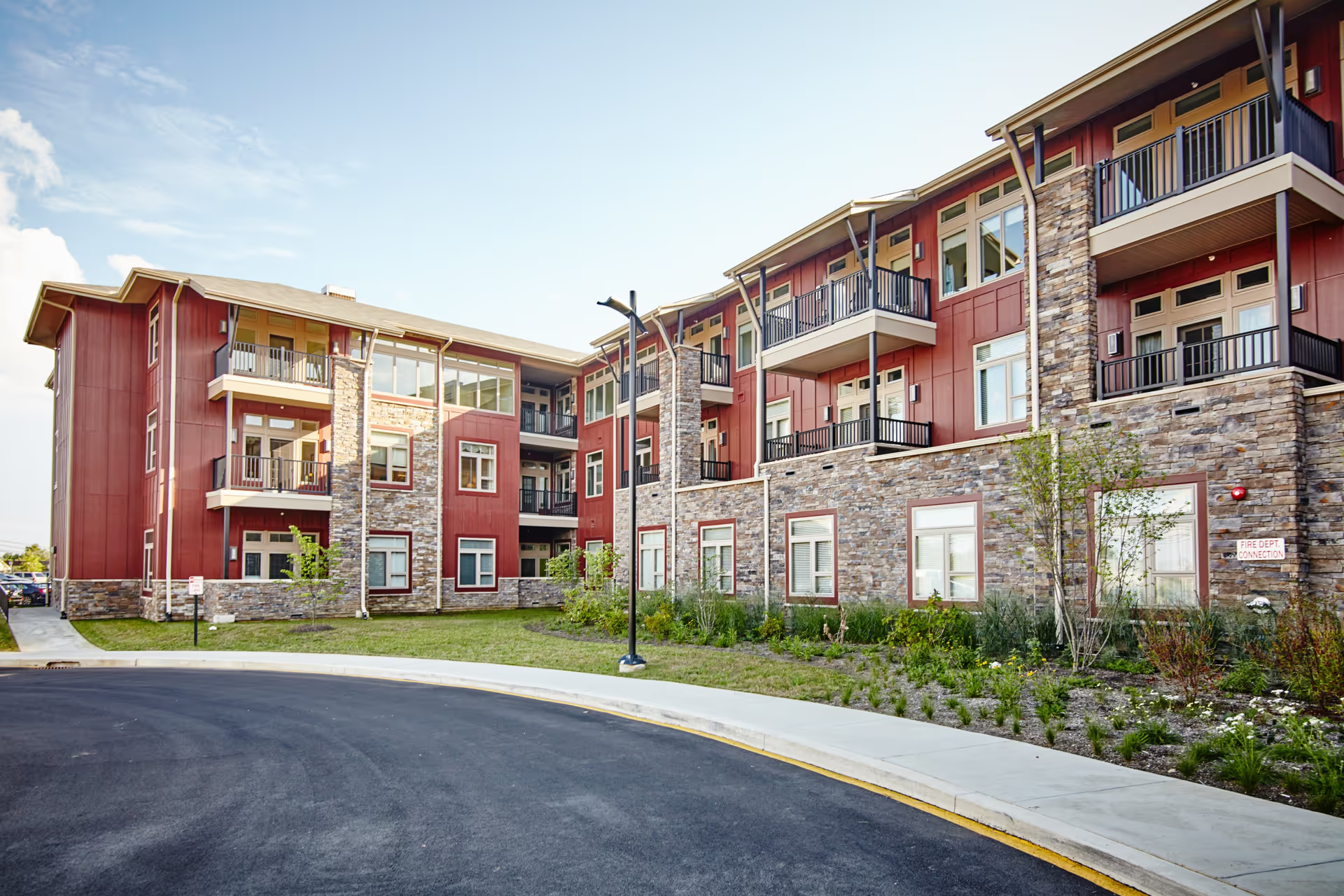
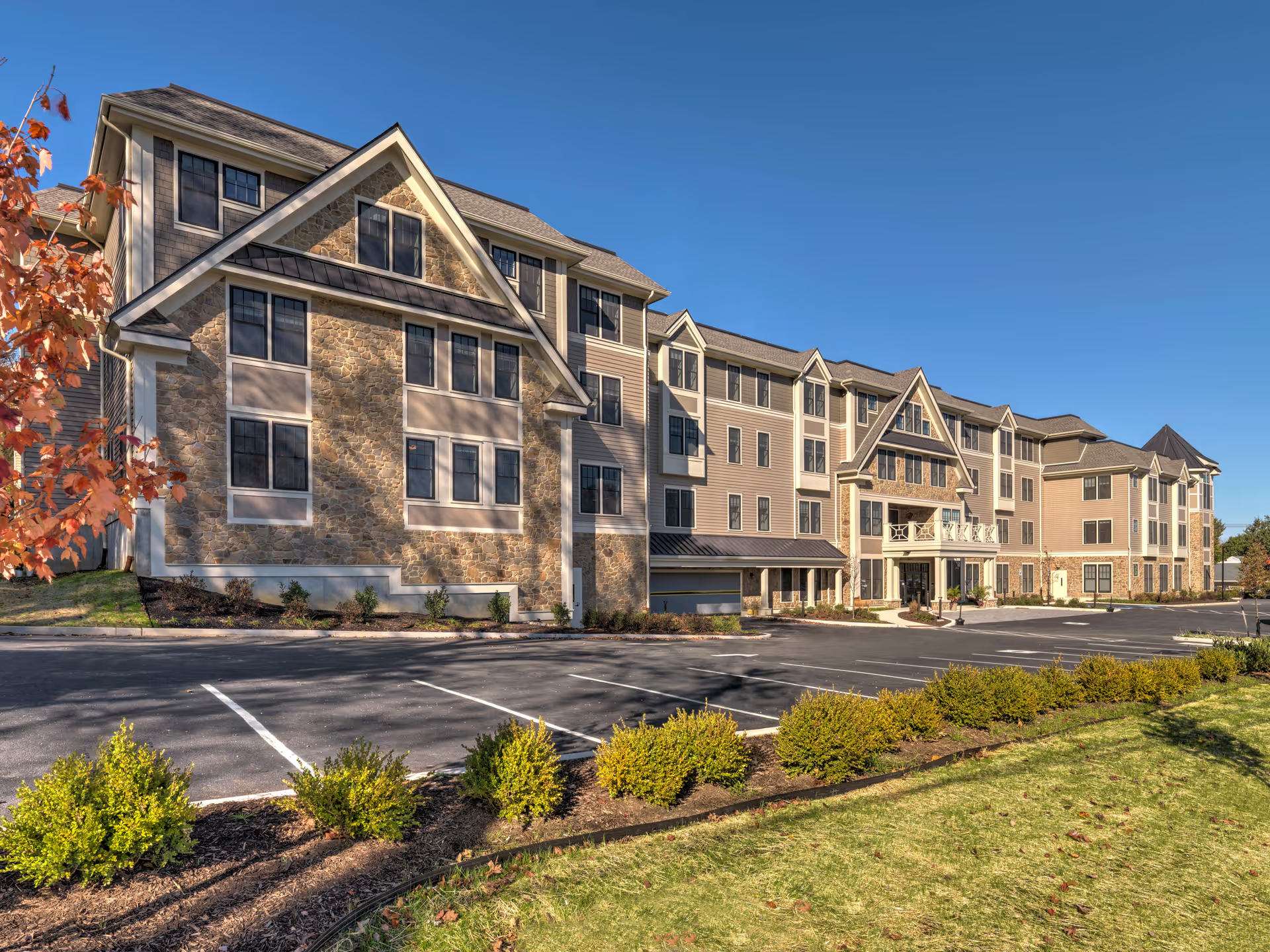
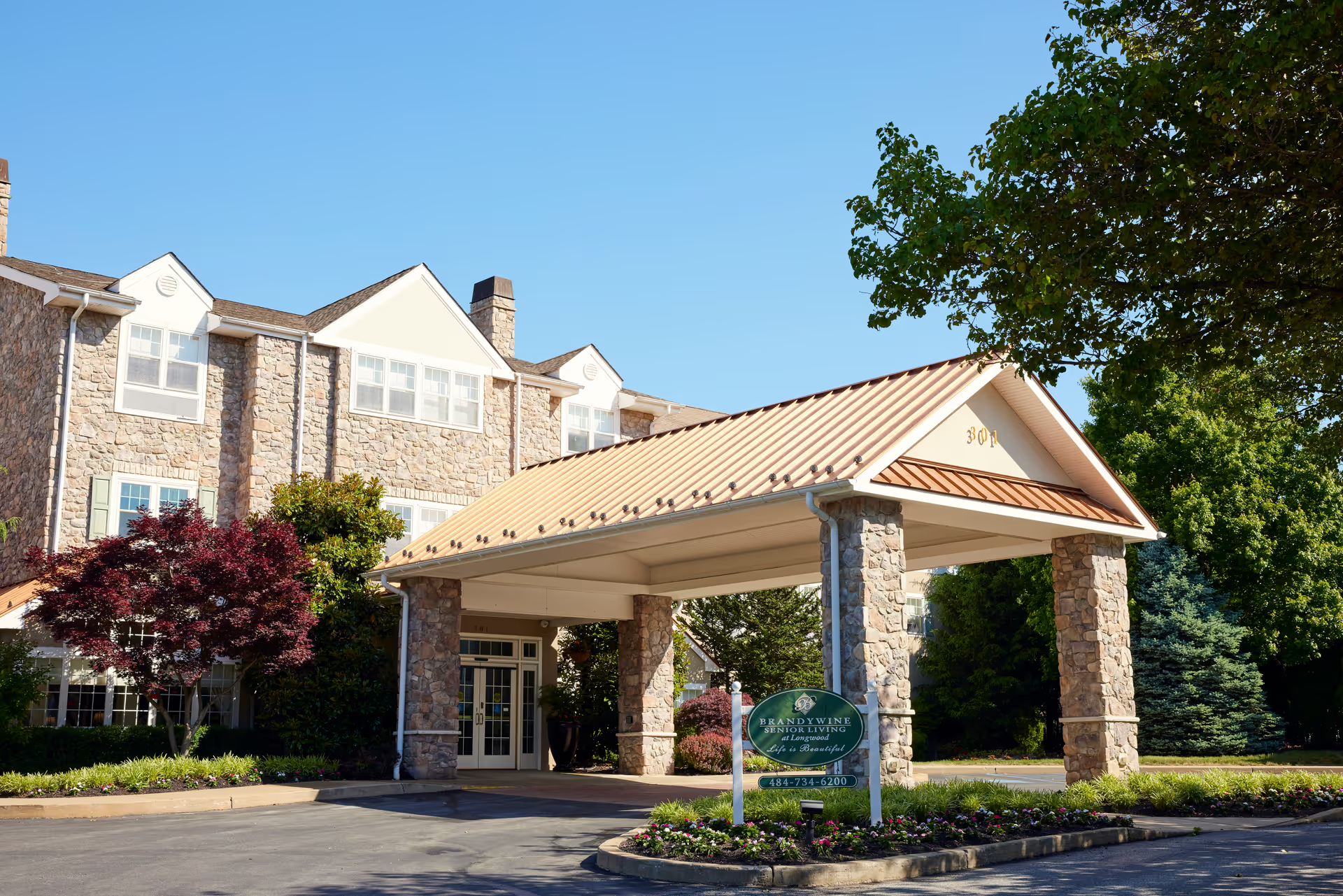
Complete Care at Hillside elicits strongly mixed impressions. Many reviewers praised the clinical rehabilitation program, day-shift nursing teams, and individual caregivers — noting effective physical and occupational therapy, several skilled nurses and aides, helpful social work and transition planning, and an engaging activities program. For a substantial number of former patients and families, the center delivered positive rehab outcomes, pleasant communal spaces, and consistently helpful staff who provided thorough updates and coordinated care transitions.
However, a recurring cluster of operational concerns appears across evaluations. Cleanliness and sanitation were described inconsistently: some visitors found rooms and common areas clean, while others identified lapses in routine housekeeping, HVAC/filter maintenance, and odor or pest-control issues. Maintenance follow-through was uneven, with some repairs completed promptly and other items (windows, leaks, furniture reallocation) left unresolved or temporarily patched.
Staffing and clinical practice present another pattern of mixed experience. Reviewers noted many compassionate, capable nurses, CNAs, and therapists, yet also described staffing shortages, high CNA turnover, and reliance on temporary staff that contributed to variable day-to-day care. These workforce issues were linked in reports to delays in responding to call bells, inconsistent bathing/incontinence-care schedules, medication-administration errors or misreads, and gaps in clinical communication — including missed physician notifications and delayed follow-up in some cases.
Dining and dietary services were frequently criticized for limited entree choices, repetitive menus, occasional cold or poorly timed meals, and lack of basic condiments or single-use items. Conversely, a number of residents enjoyed specific dishes and praised dietary staff interactions; the dominant pattern is inconsistency in meal variety and temperature control.
Activities and social programming are a relative strength. Many reviewers highlighted a robust calendar, friendly activity staff, libraries and movie offerings, and an overall social atmosphere that residents found enjoyable. Therapy staff also received repeated positive mention for their engagement and effectiveness in helping patients regain function.
Management and communication are described as variable. Several families commended specific managers, the director of nursing, and the social-work team for advocacy and clear discharge planning. Others experienced delayed or inadequate responses to complaints, perceived cost-cutting measures affecting supplies and services, and shortcomings in discharge coordination (including transportation and home-health referrals). A few accounts described serious adverse outcomes and concerns following a resident's death; these reports underscore the need for prospective families to investigate clinical-safety practices and escalation protocols.
Notable patterns for prospective residents and families: strengths center on rehabilitation outcomes, personable therapy teams, and an active social environment. Risk areas include inconsistent housekeeping and environmental maintenance, staffing variability that can affect responsiveness and clinical consistency, and irregularities in dining and supply availability. When considering this facility, visitors should tour multiple care units, ask for current staffing ratios and weekend therapy availability, review sanitation/maintenance logs and pest-control practices, inquire about medication-administration safeguards, and obtain detailed discharge-planning procedures and follow-up commitments.