East Ridge at Cutler Bay encompasses rehabilitation services as well as independent living, and experiences vary across those settings. Many rehabilitation patients and families describe compassionate, attentive care, skilled therapy, and a supportive environment. Positive accounts include recovery after orthopedic surgery and other medical events, with therapists encouraging residents to work toward improved mobility and independence. Other accounts, however, raise concerns about staffing availability, medication processes, and how consistently families receive information.
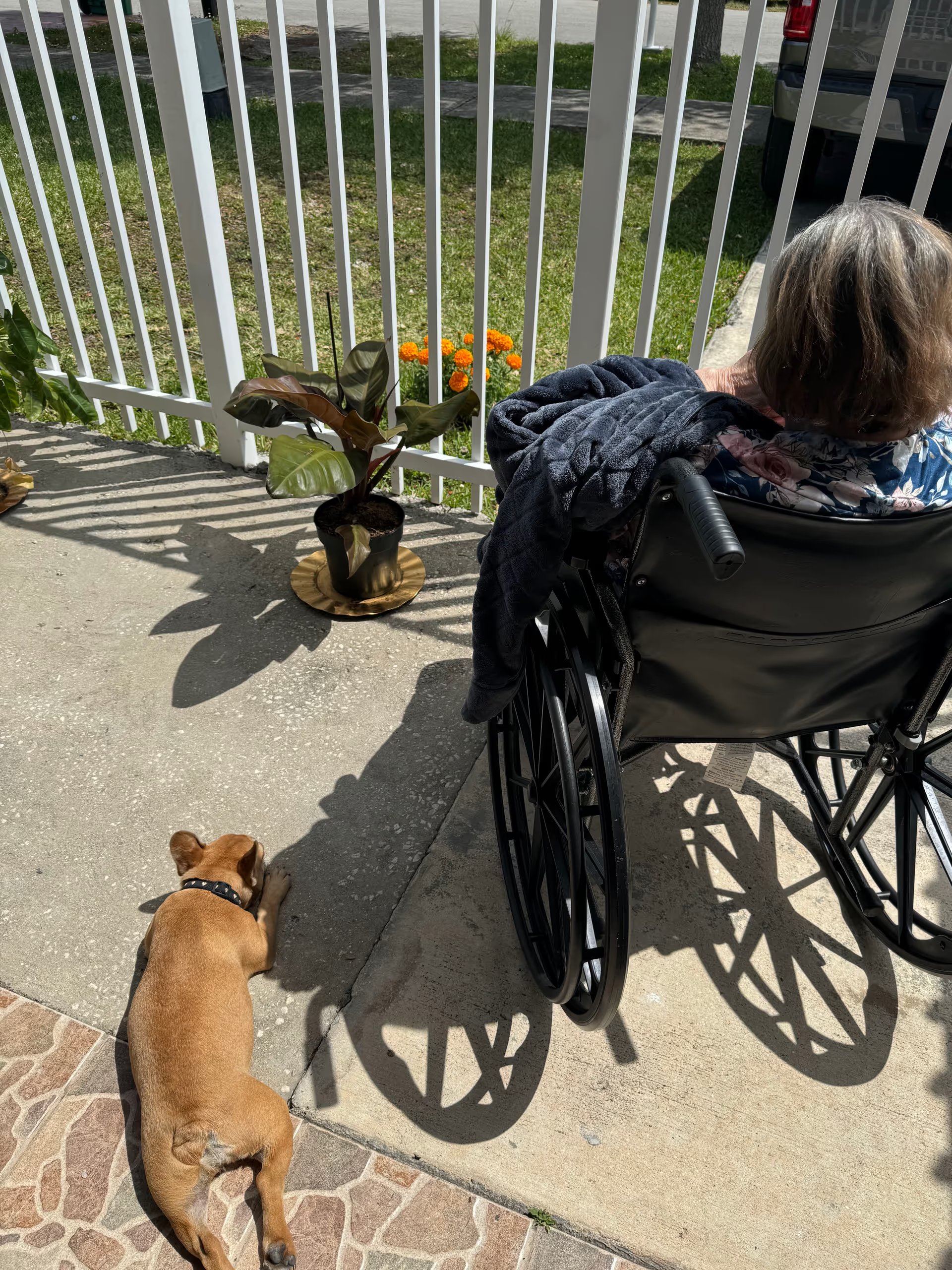
Staff are frequently praised for warmth, patience, professionalism, and personal attention. Families also commend admissions and social-work staff for helping coordinate transitions, and some describe being included in care decisions. In contrast, concerns include delays in getting assistance, difficulty reaching staff, and inconsistent communication. Individual accounts also raise questions about language-access support and follow-through with personal care. These concerns sit alongside strongly positive descriptions of staff, indicating that experiences may differ by team, shift, or care circumstance.
Medication management and continuity of care are notable areas of concern. Families described medication-administration or prescription-coordination problems, including one reported delay of more than a week in obtaining a prescribed medication. That family also raised concerns following a resident’s death, without establishing that the delay caused the outcome. Another family alleged that the facility declined to accept a resident back after a hospital stay, disrupting the planned rehabilitation transition; the family said it was seeking regulatory and legal review. These are individual accounts rather than confirmed findings, but they make medication processes, discharge coordination, and communication important topics for prospective families to discuss directly with the facility.
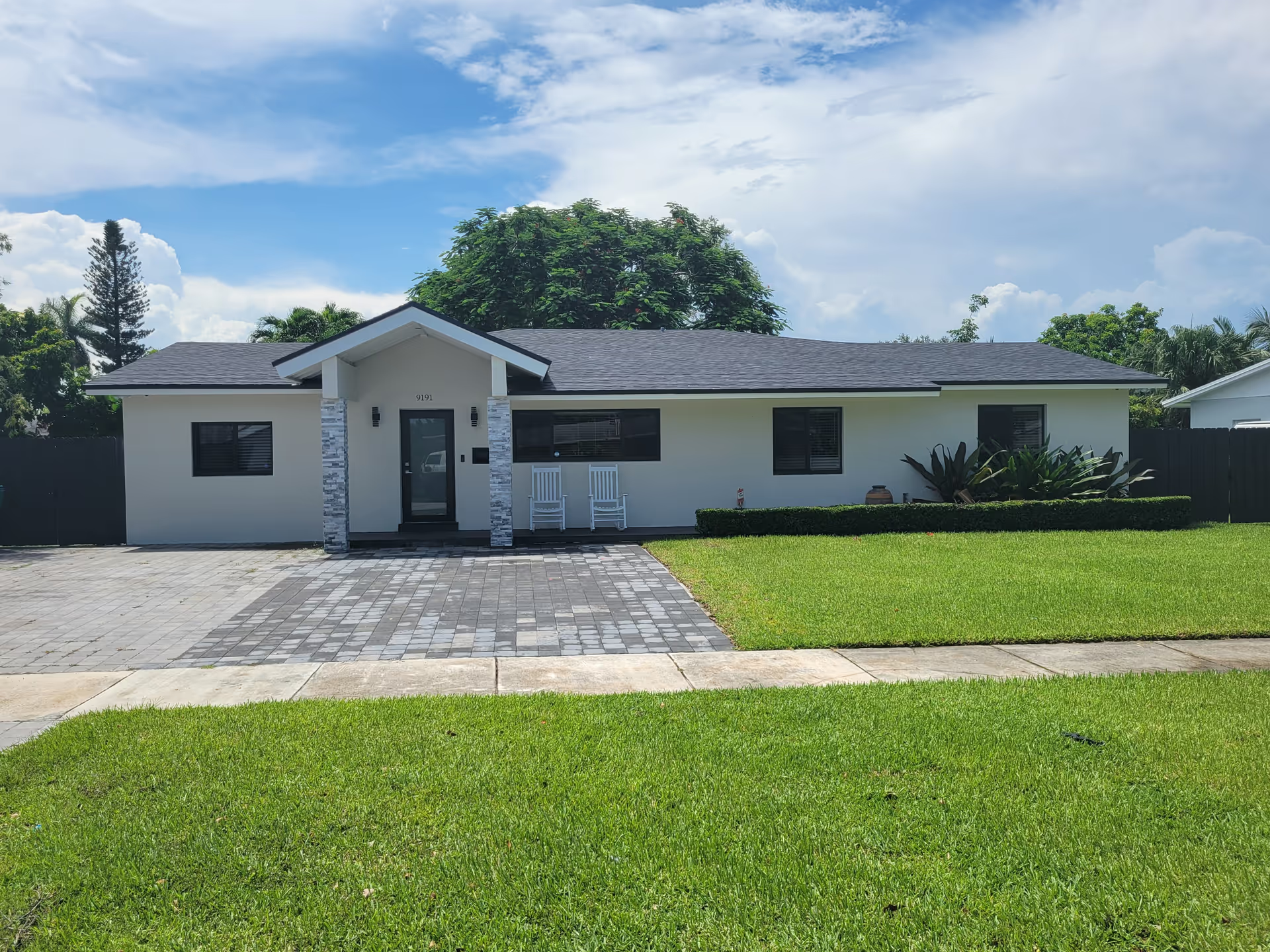
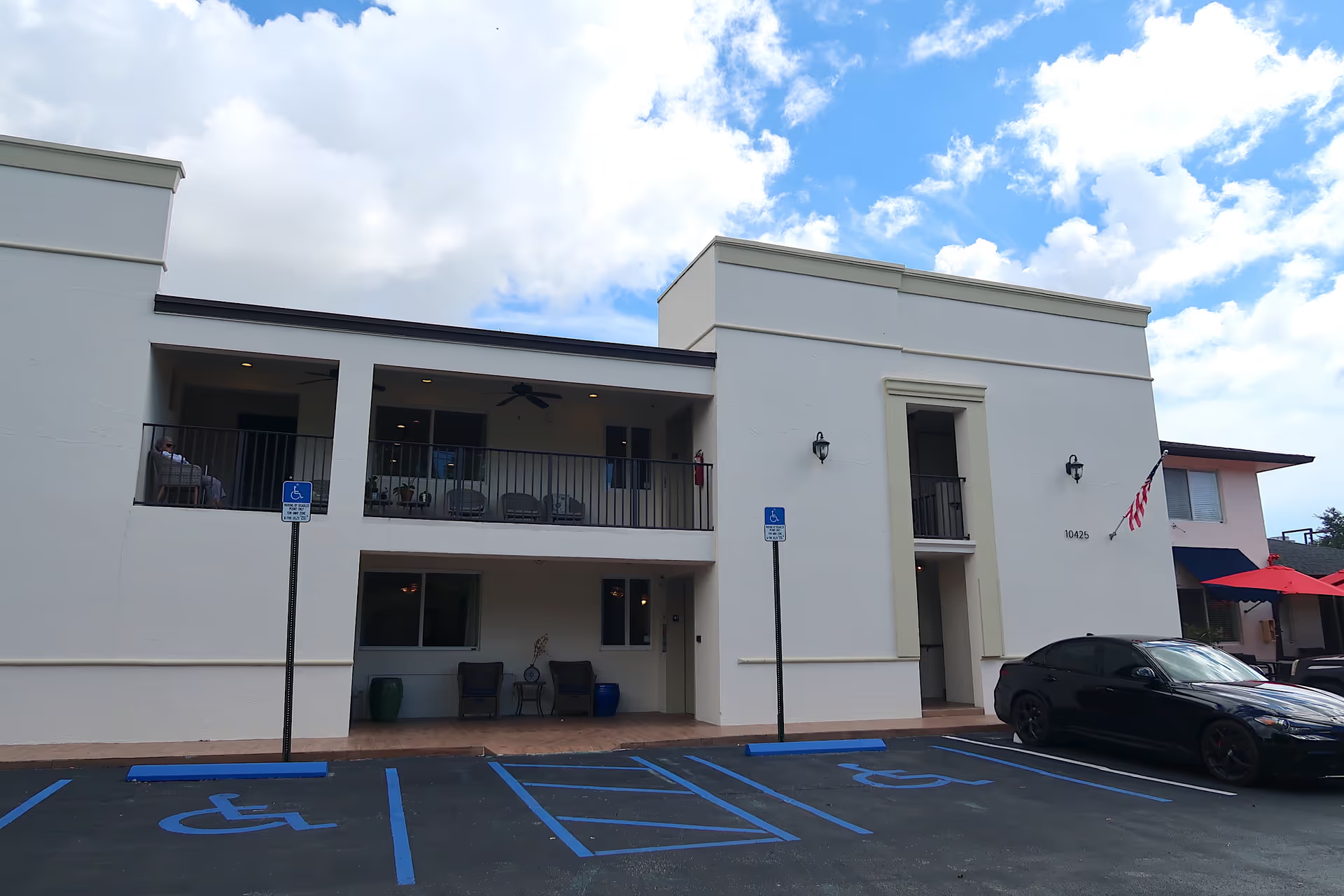
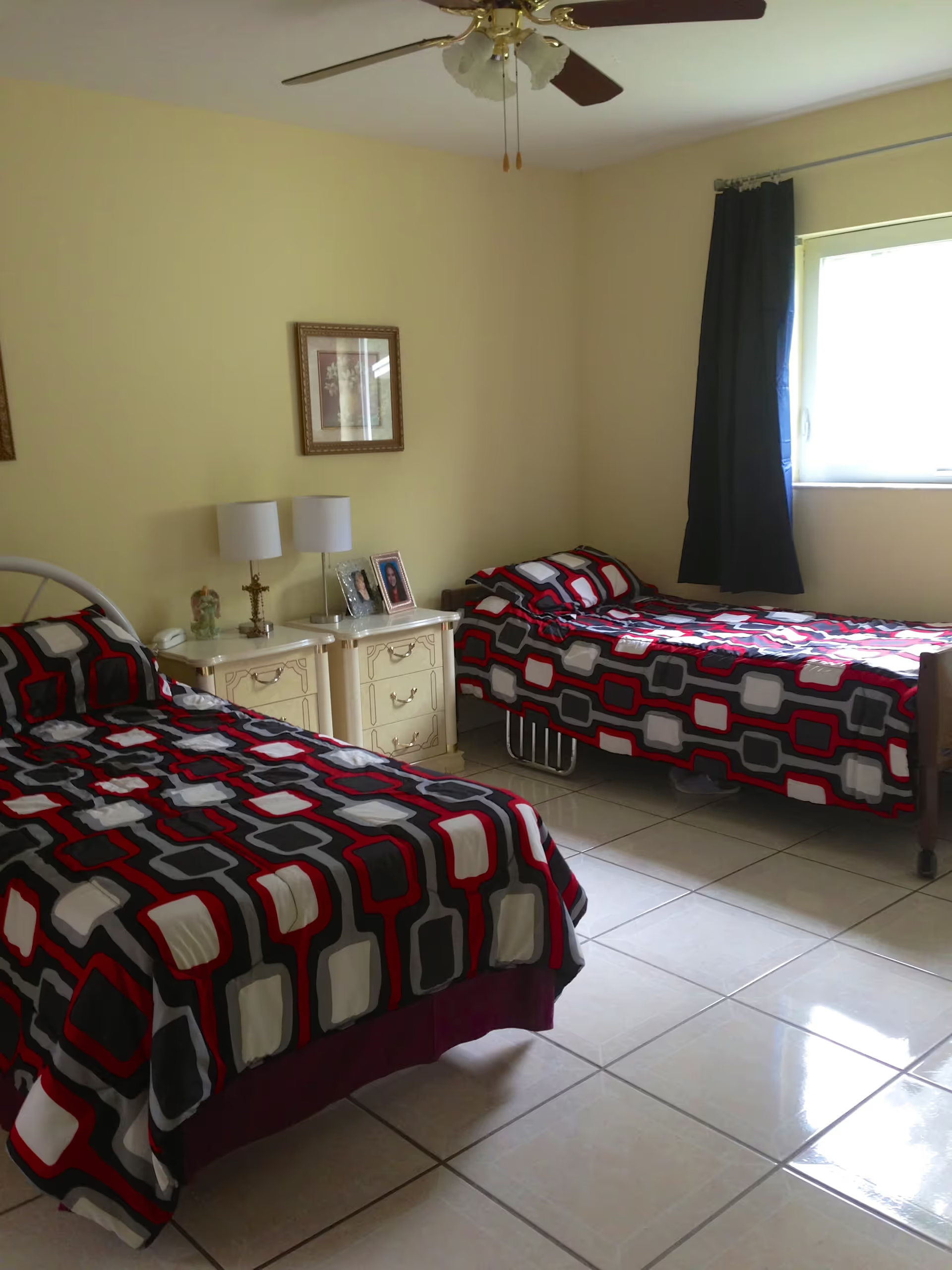
Dining feedback is mixed. Rehabilitation residents and families praise meal variety, dietary options, and food quality, while an independent-living resident described declining food quality alongside reduced services. The rehabilitation setting is commonly characterized as clean, attractive, and resort-like, with private rooms mentioned positively. One reviewer raised concerns about room-cleaning frequency, while other accounts describe the facility as consistently clean and well maintained. The broader campus is a recurring strength in independent-living reviews, with its landscaped grounds, villas, walking and biking areas, and recreational amenities.
Activities and community life are also described positively. Residents and visitors mention social events, organized activities, opportunities to stay active, and a friendly neighborhood atmosphere. Long-term independent-living residents especially value the campus and relationships with neighbors. Management feedback is more mixed: admissions and rehabilitation leadership receive praise in several accounts, while one long-term resident attributed higher costs, staff turnover, reduced services, and weaker dining to a change in ownership. Affordability is also a consideration for at least one family. Overall, the reviews portray a visually appealing community with notable strengths in therapy, staff kindness, and resident engagement, alongside meaningful concerns about consistency in staffing, medication coordination, communication, and service quality.