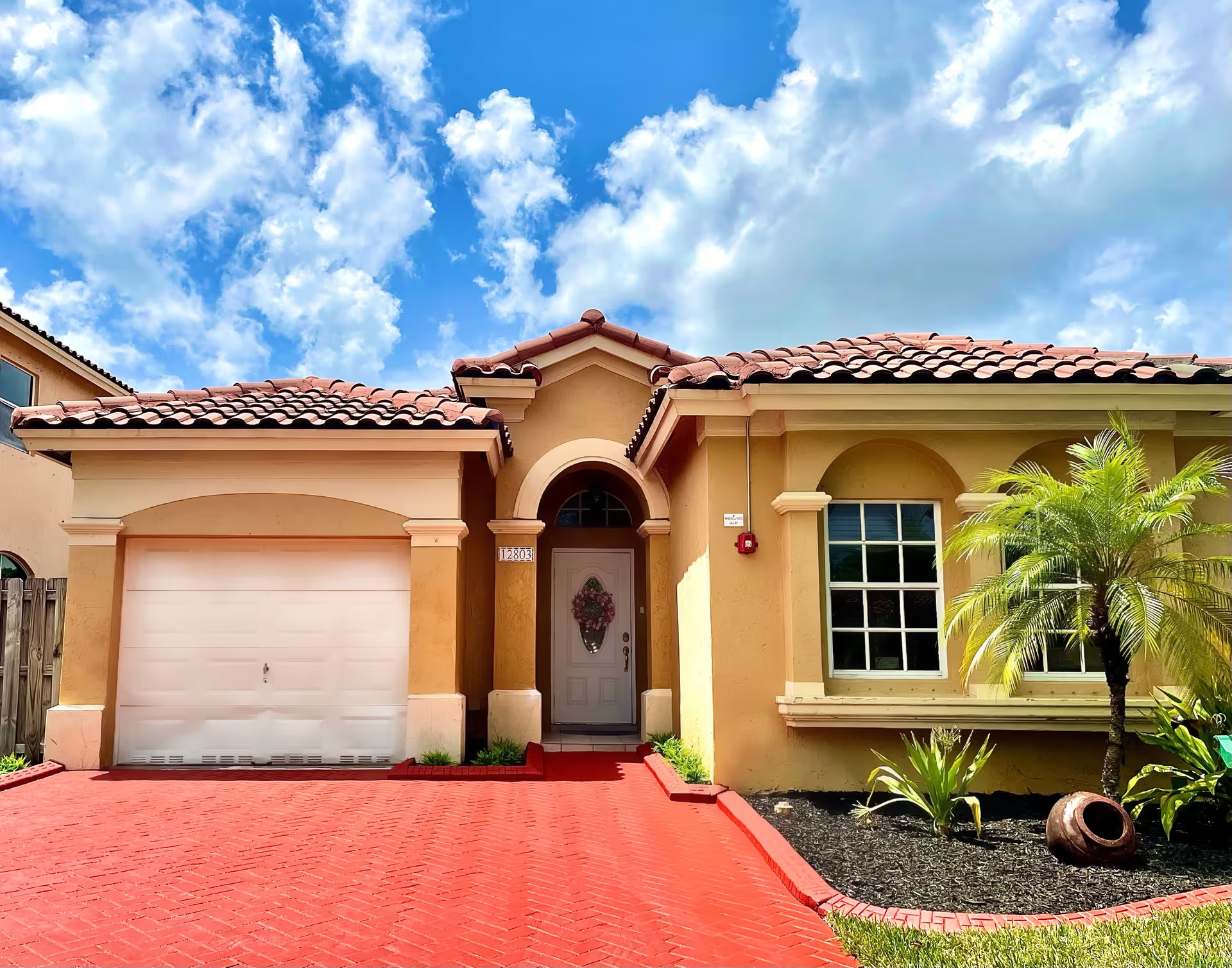
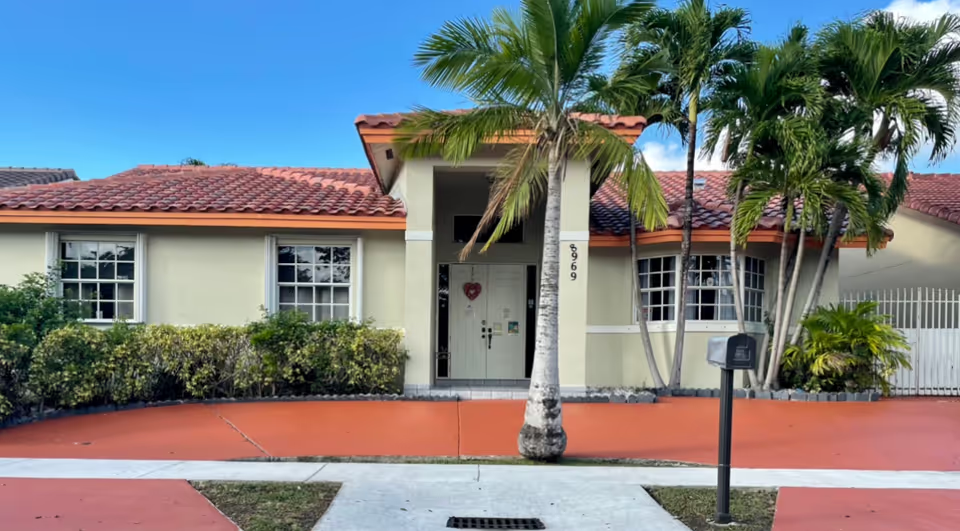
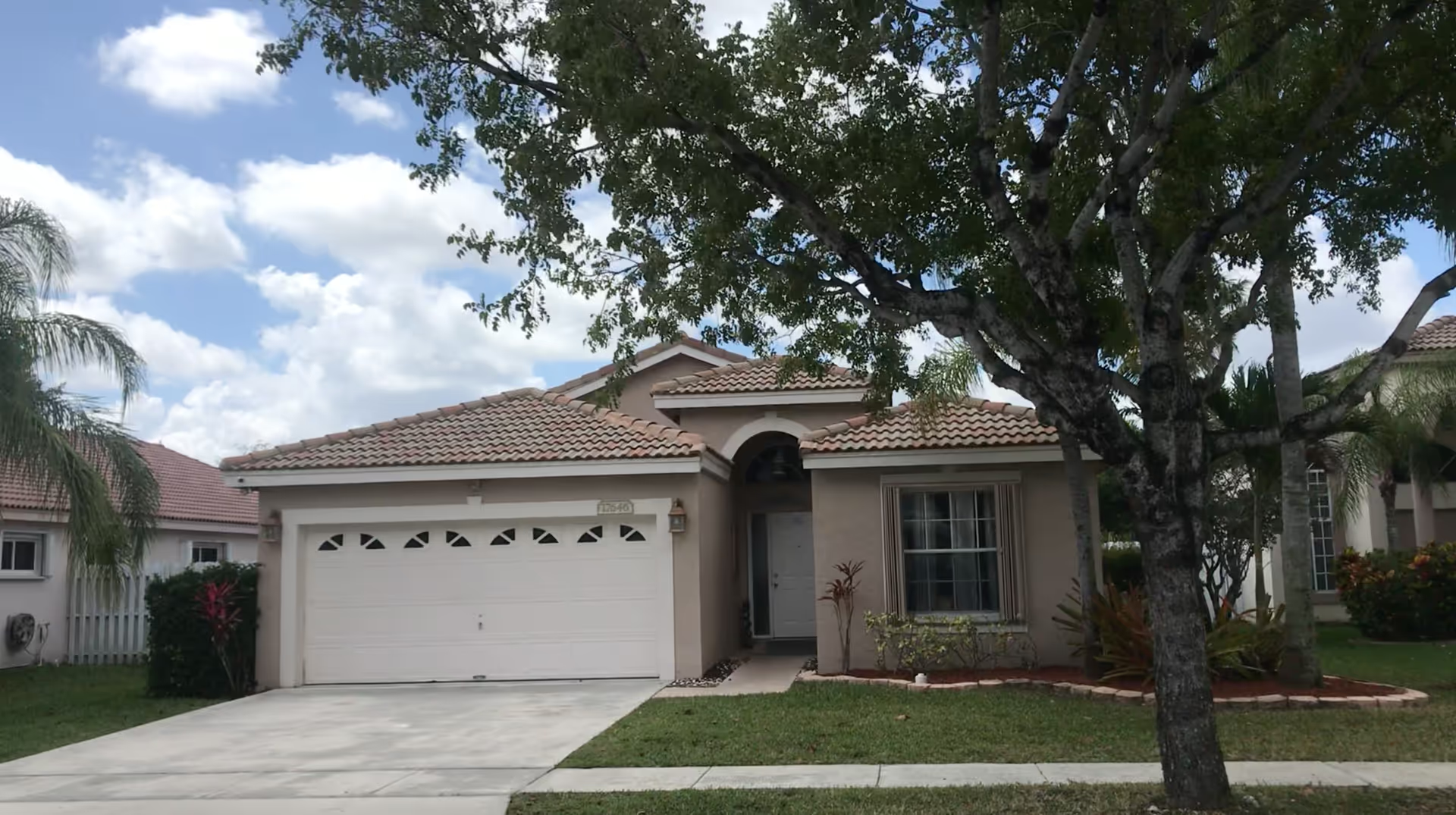
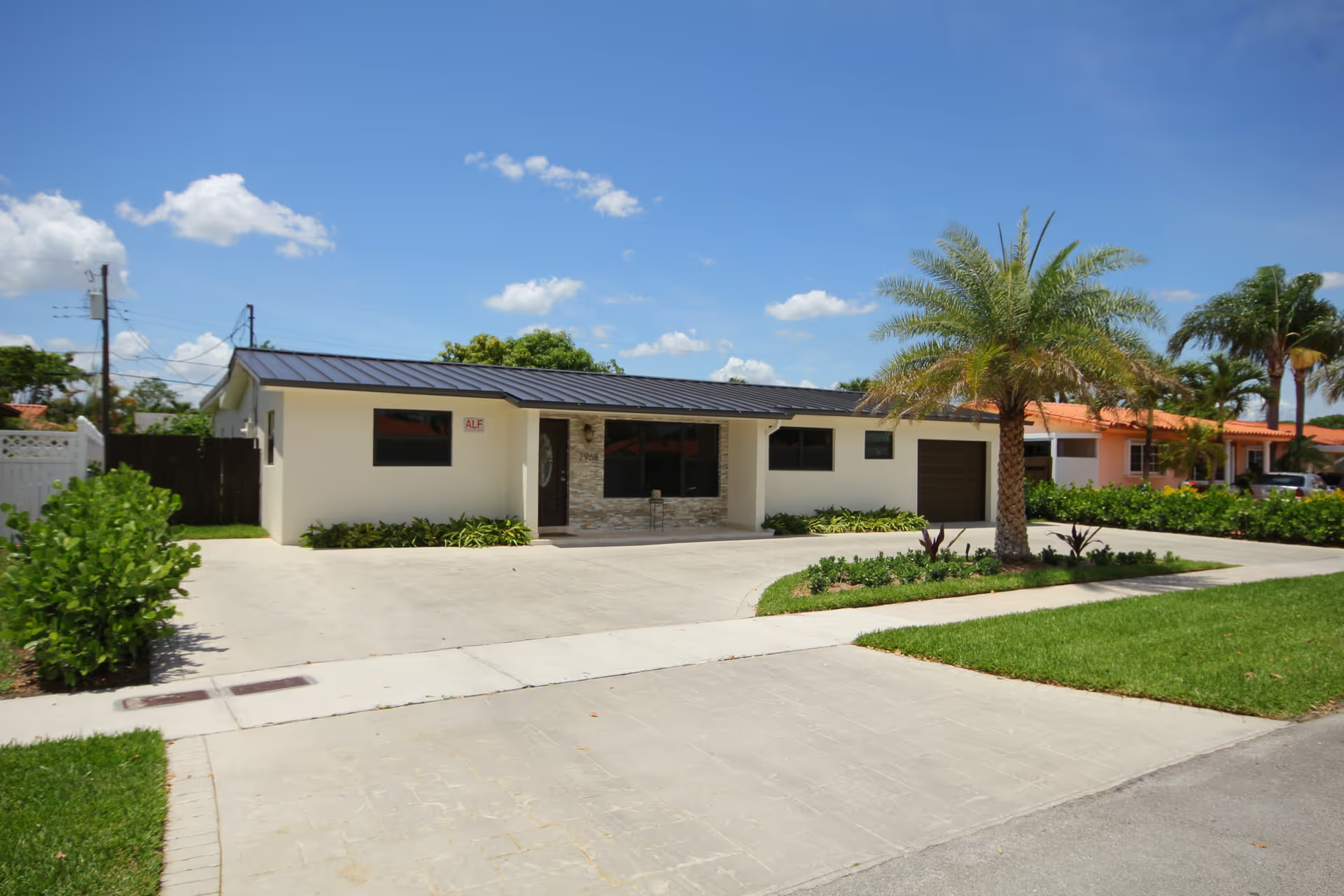
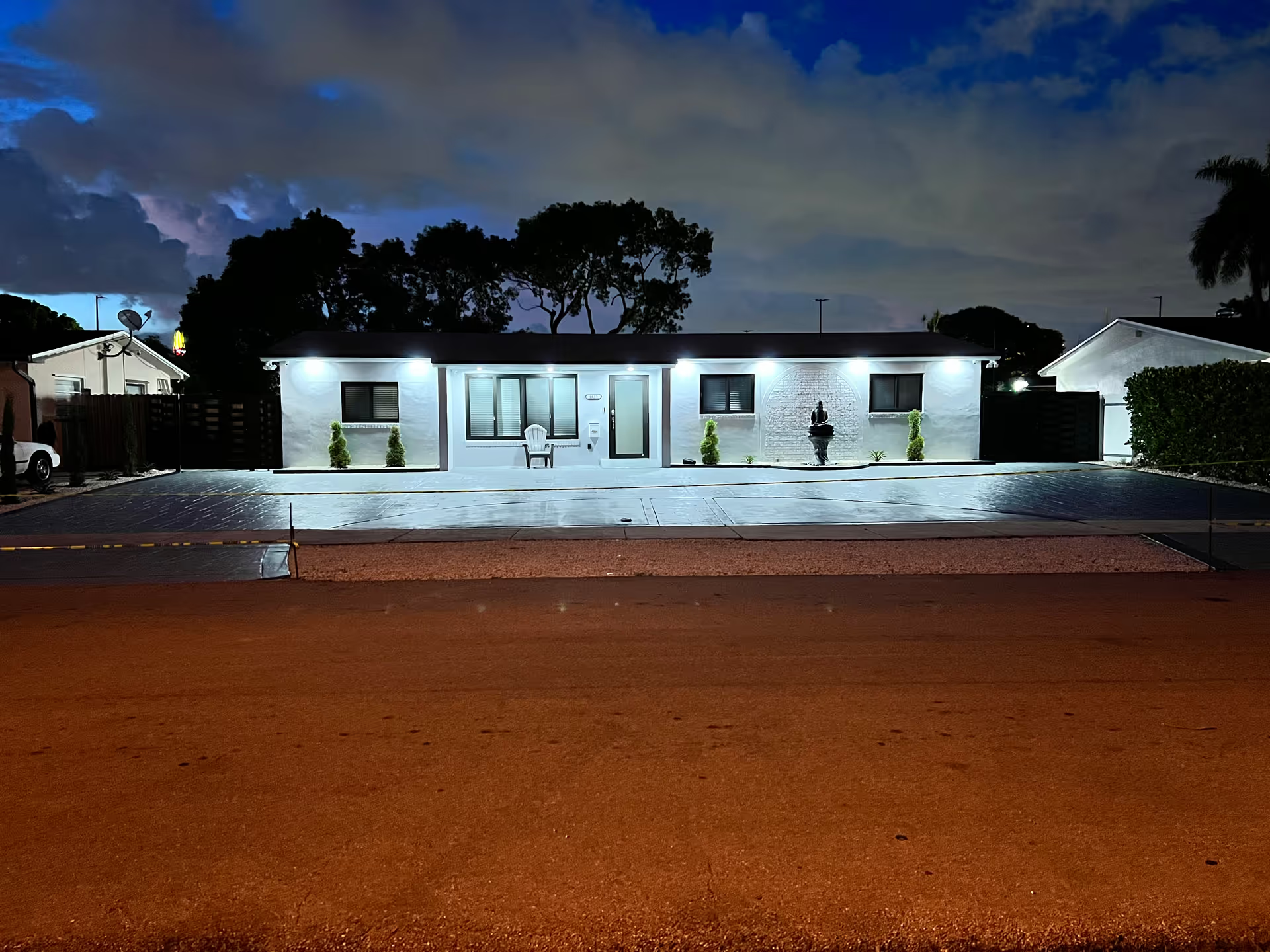
The reviews present a divided picture of care quality at the facility. Positive comments emphasize a clean, well-kept living environment, spacious private residences and commons, secure gated grounds, and meals that families found nutritious and appealing. Several accounts describe staff and management as friendly, organized, and professional; a number of visitors highlighted an attentive manager and an overall welcoming neighborhood setting. These elements suggest the property can offer a comfortable, residential atmosphere with good basic services.
At the same time, there are significant operational concerns that relate directly to resident care and safety. A substantive theme is medication-management weaknesses: missed doses, incorrect pill administration, and inconsistent documentation are described in ways that point to systemic process shortfalls rather than isolated clerical errors. Closely related are gaps in staff training and verified clinical credentials; reviewers describe instances where staff competency and certification are unclear. Together, these patterns suggest a need to confirm medication-administration protocols, staff training records, and supervision procedures before placement.
Staffing and communication are another mixed area. While many families praised individual caregivers as friendly and compassionate, others described language barriers that impeded clear communication with residents and relatives. There are also reports implying limited day-to-day owner or executive presence, and concerns that low compensation or uneven hiring practices could contribute to turnover or inconsistent staffing levels. Prospective families should assess staff continuity, language capabilities, and shift supervision when evaluating the facility.
Facility condition and regulatory posture should be investigated carefully. Reviewers praised the property’s cleanliness and outward appearance, yet some accounts point to underlying permitting, code-compliance, and inspection issues. There are mentions of administrative complaints and cited code violations; in at least one account participants used the term "allegations" regarding serious regulatory and legal concerns. This pattern indicates that visual upkeep may not fully reflect compliance with local licensing, permitting, or safety requirements.
Dining and activities are generally portrayed positively with respect to meal quality, but reviews offer little detailed information about organized activities, therapeutic programming, or social engagement beyond mealtime and housekeeping. Families prioritizing robust activity calendars or clinical therapies should request specific programming schedules and examples of resident engagement.
In summary, the facility exhibits clear strengths in environment, meal quality, and an overall professional presentation, but multiple reviews raise operational concerns that affect care reliability: medication control, staff training and credentialing, language-access capacities, management oversight, and regulatory compliance. Before making a placement decision, prospective residents and families are advised to review the facility’s most recent inspection and enforcement records, request written medication-administration and staff-training policies, verify staff certifications and language capabilities, tour the units during activity periods, and speak with current families about staff continuity and responsiveness.