Overview The dominant theme across these summaries is a strong emphasis on attentive, compassionate caregiving in an environment designed to feel resort-like and family-oriented. Families and residents frequently cite dementia-focused expertise, consistent name recognition by staff, frequent proactive updates, and an organizational emphasis on individualized, resident-centered care. On-site clinical services — including physicians, nurses, and physical therapy — are regularly highlighted and are perceived to contribute to continuity of care and quicker clinical access.
Care and Staff Staff quality is the facility’s most consistently praised feature: reviewers describe nursing leadership that communicates with families, aides and CNAs who provide hands-on assistance, and an operations team that is accessible and involved. Staffing practices such as fast call-button response and GPS-enabled staff tracking are noted as operational strengths that reinforce safety and timeliness. At the same time, summaries indicate occasional variability in staff conduct and consistency; prospective families may wish to confirm staffing ratios, turnover rates, and on-shift supervision during a tour.
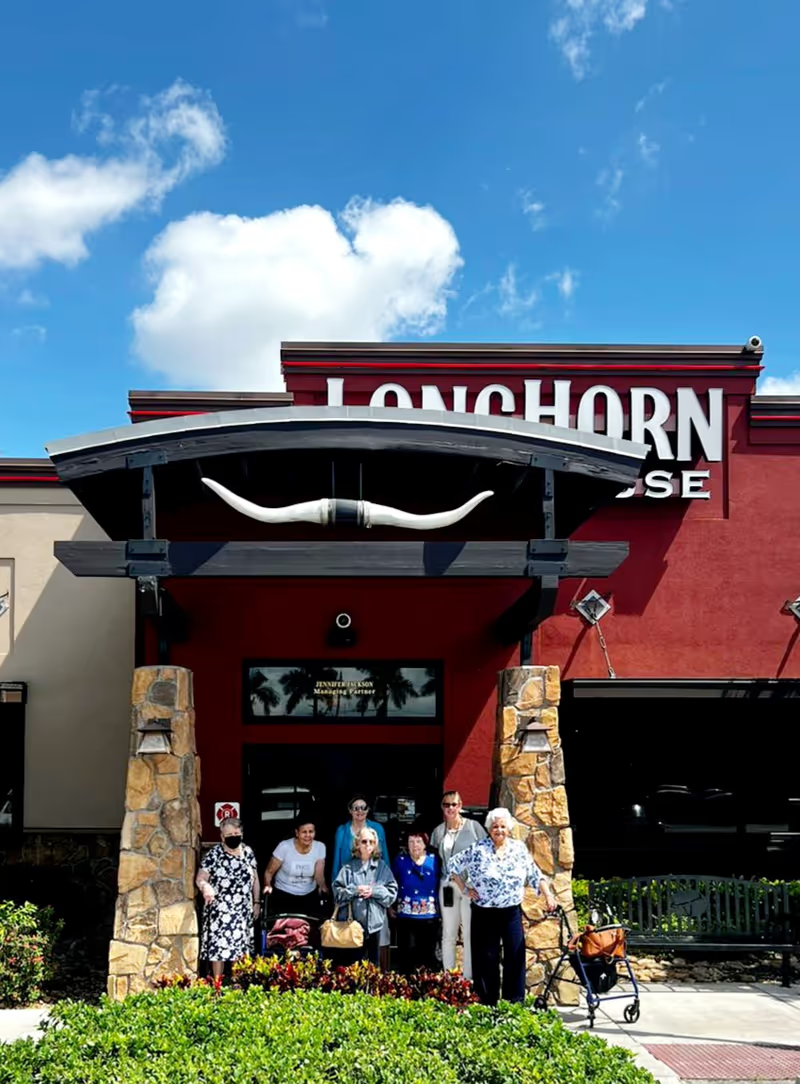
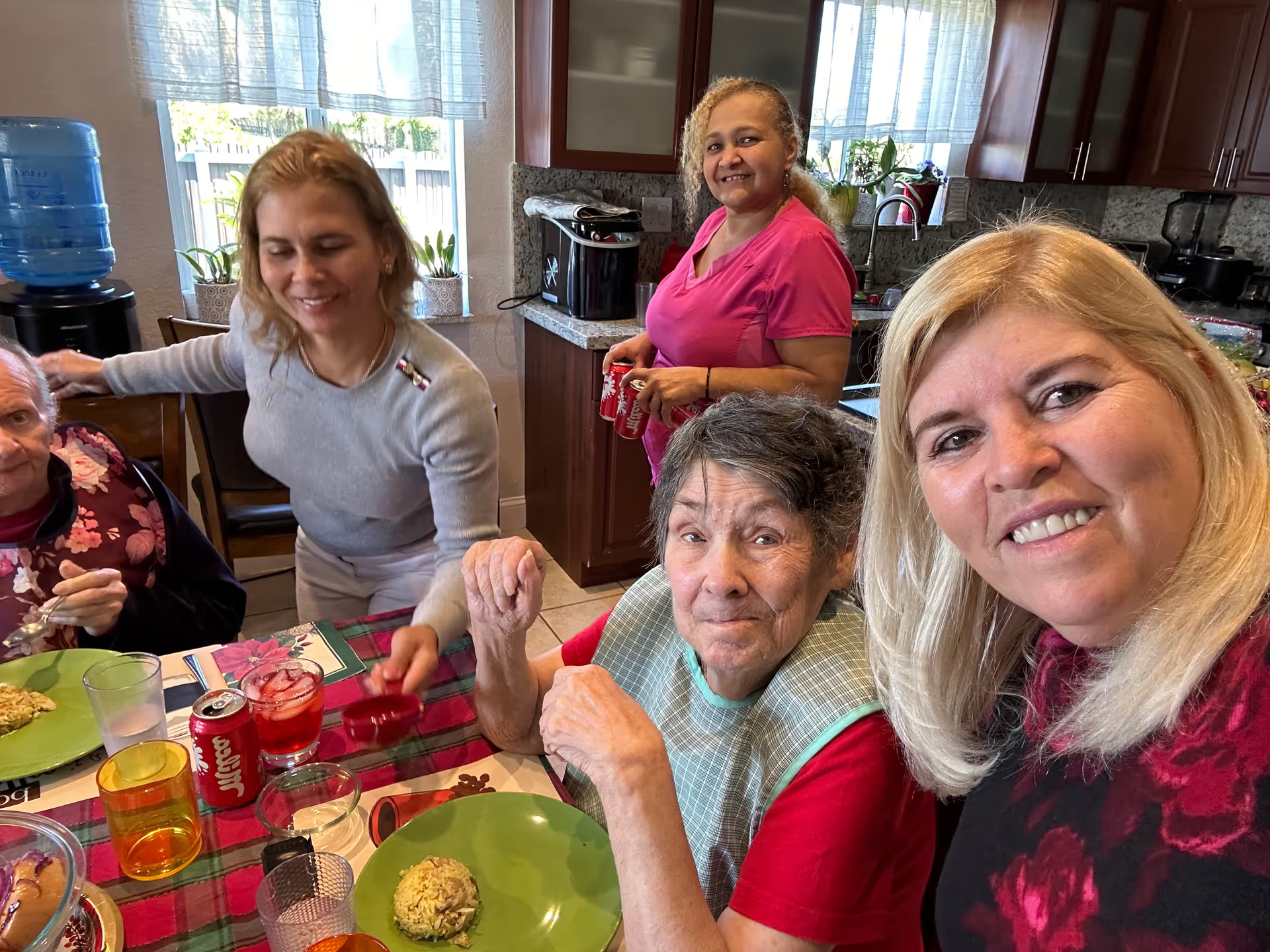
Dining and Activities Dining is repeatedly described as a differentiator: food is characterized as restaurant-quality, varied (including dietary options), and served in generous portions. The community supports an active social calendar with daily programming — exercise classes, trivia, crafts, live bands, themed parties, outings, and happy hours — that reviewers say contributes to social engagement and quality of life. Recreational amenities such as a pool, gardens, movie theater, salon, and specialty spaces (coffee/ice-cream bars, putting green) support a broad range of resident interests.
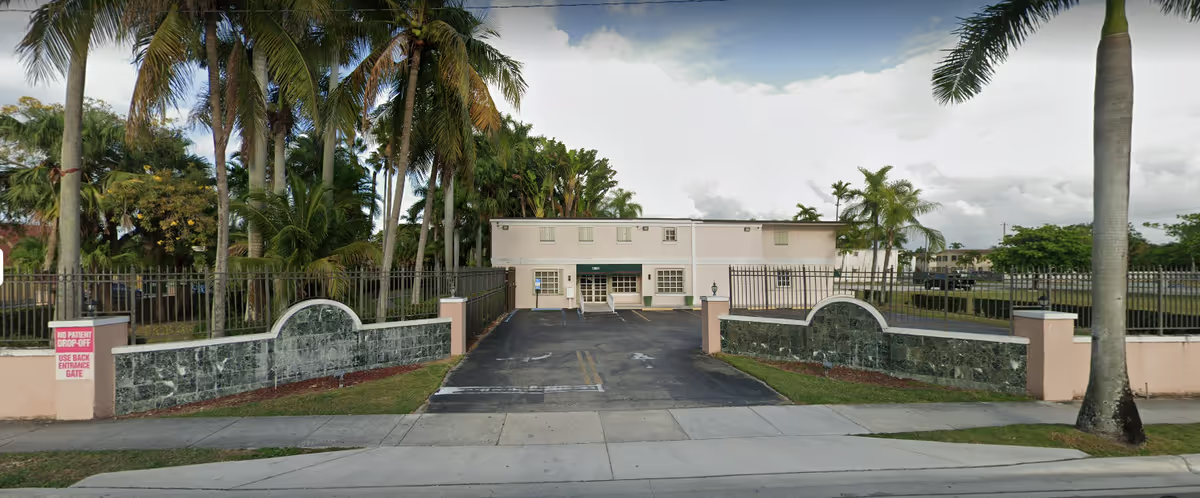
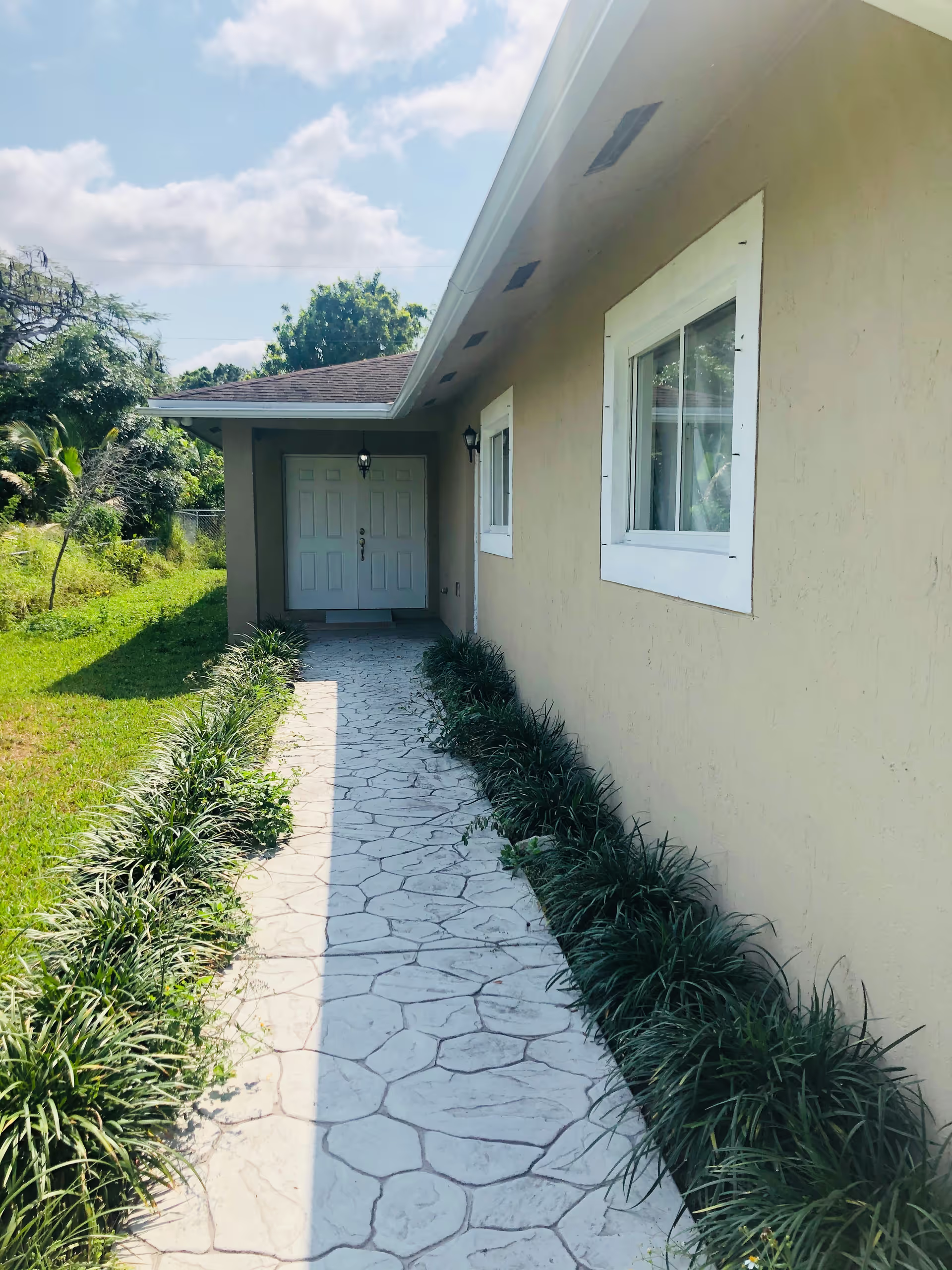
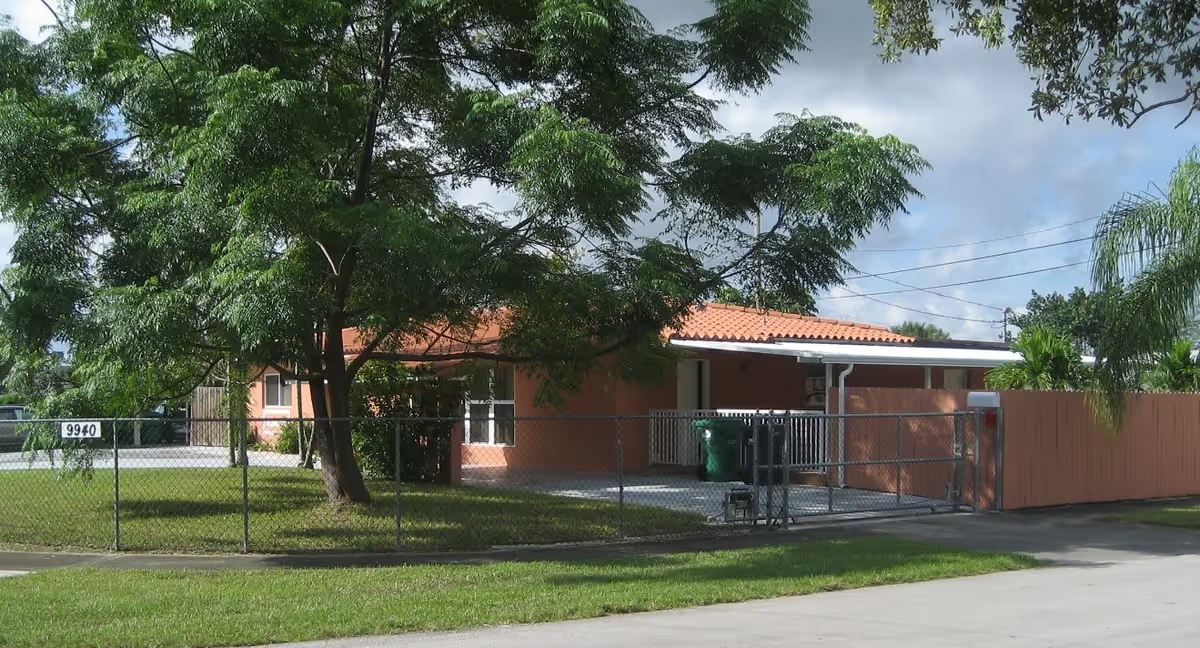
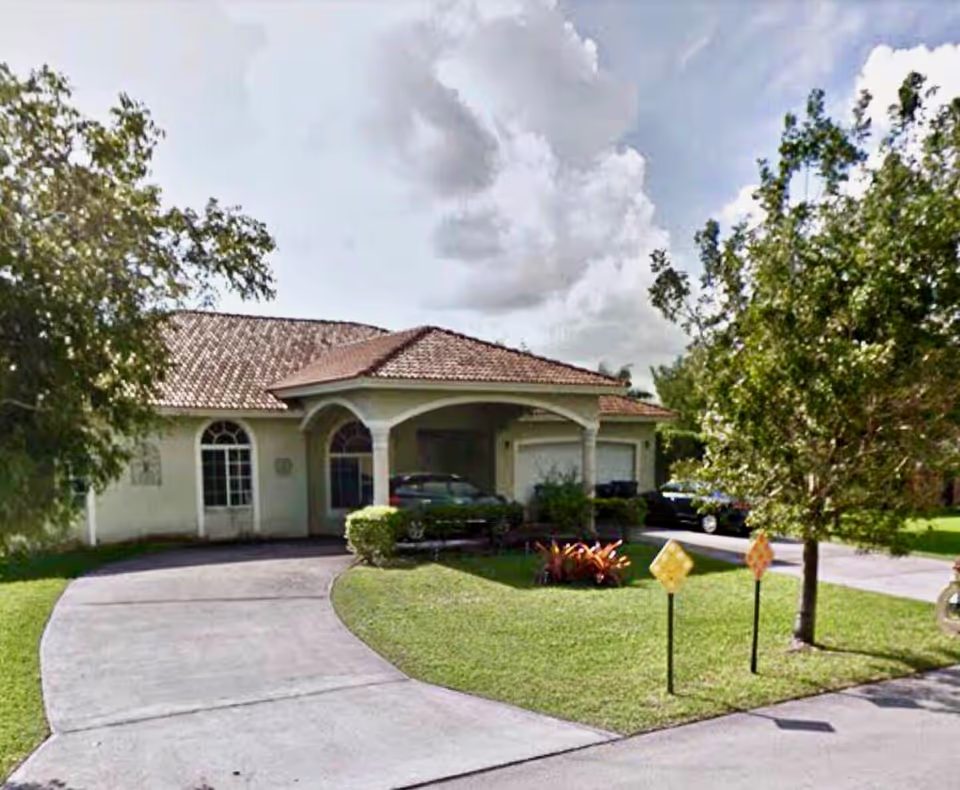
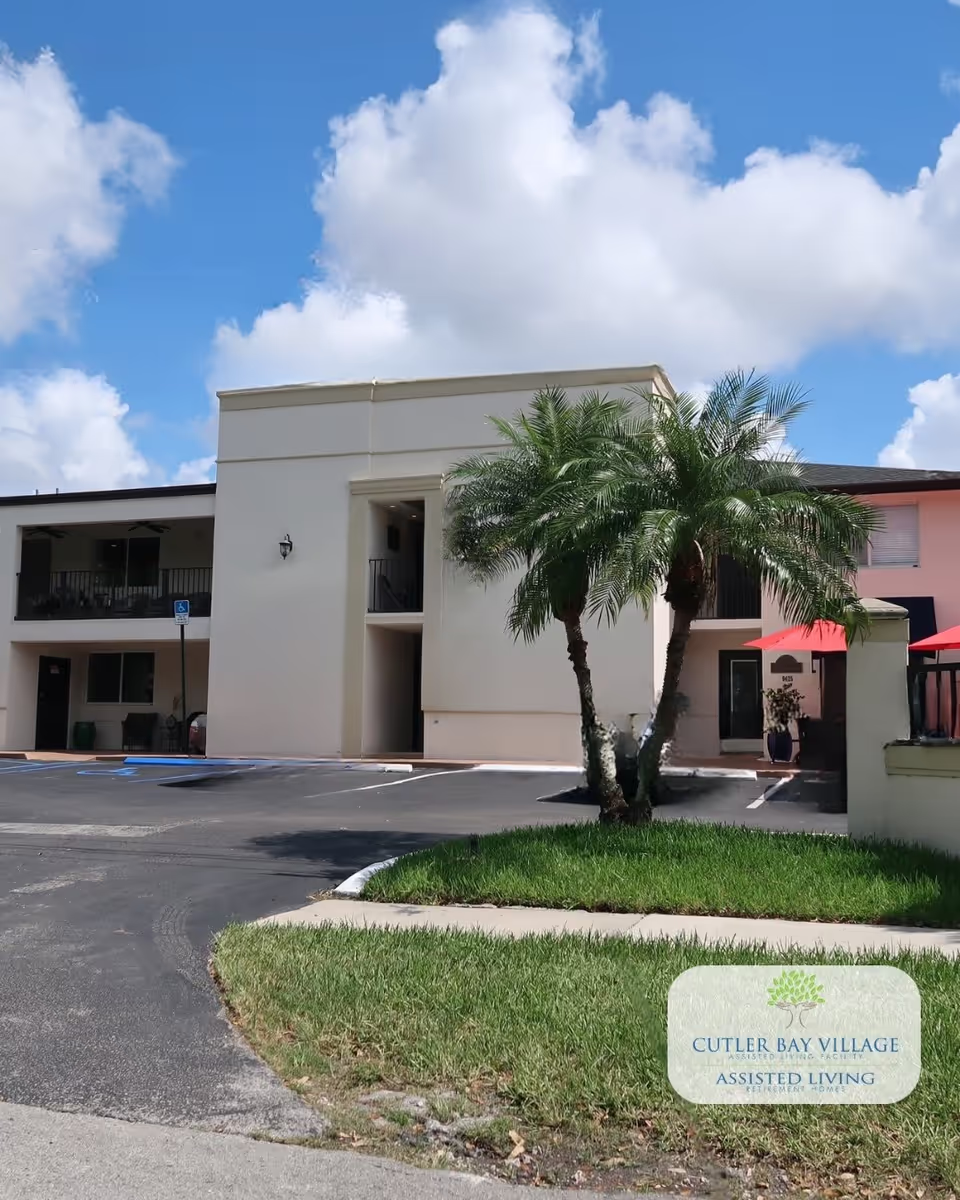
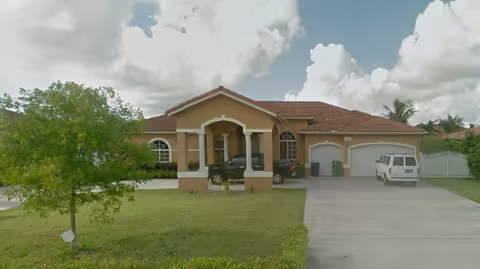
Facilities and Cleanliness Physical plant descriptions range from newly built, luxurious interiors to older converted buildings. The newer spaces are consistently described as immaculate and thoughtfully designed, with well-maintained grounds and hotel-like finishes. A minority of accounts raise sanitation or odor concerns in limited areas and note smaller room sizes or older-room limitations in some units; these suggest facility-level variability that prospective residents should confirm in person.
Management, Policies, and Notable Patterns Leadership and management receive strong positive attention for responsiveness, openness to family involvement, and assistance during transitions (including hospice coordination). The community also accepts Medicaid and has been characterized as offering good value relative to its amenity set by some families. Notable patterns to investigate further during a tour include: active waiting lists, inconsistent experiences between satellite/older locations and the flagship/newer campus, and language/cultural mismatch issues that can affect social integration for non–Spanish-speaking residents.
Concerns and Due Diligence While overwhelmingly positive, there are isolated, serious accounts alleging lapses in clinical incident response and medication management; these are not the dominant narrative but are significant enough that families should ask about incident reporting procedures, medication-administration protocols, staffing contingency plans, and infection-control/sanitation audits. Additionally, verify room dimensions, specific housekeeping/continence-care practices, and language-support services if these factors are important.
Bottom line Palace Gardens is regularly recommended for families seeking a socially engaging, medically supported assisted living environment with a strong emphasis on dementia care and hospitality-style amenities. The strongest assets are staff engagement, robust programming, and on-site clinical services. Prospective residents should tour the specific building they would occupy, ask for current staffing and clinical protocols, confirm contractual and pricing details (including Medicaid specifics), and review language-accommodation options to ensure the best match for individual needs.