Reviews of Pine Trail Nursing and Rehab Center are highly mixed, with a clear split between families who describe positive, attentive care and those who cite operational and clinical shortcomings. Several families praised specific clinical leaders and front-line caregivers, noting compassionate daytime nursing, a proactive advanced practice provider, helpful administrative staff, and an engaging activities program. Some residents and families reported that apartments are comfortable, the social environment is welcoming, and clinicians provide continuity of care.
At the care-quality level, reviewers describe two different patterns. Positive accounts emphasize timely medications, individualized attention, and clinicians who "go above and beyond." Critical accounts focus on inconsistent responsiveness—particularly during nights and weekends—delays in escalation to higher levels of care, and concerns about medication-management processes. Some families recounted emergency transfers and hospice involvement; these accounts underline the importance of confirming the facility's current escalation protocols and communication practices with families.
Staffing and management commentary is also divided. Multiple reviews praise named administrators and admissions staff for being helpful and courteous, while others raise concerns about low pay, staff shortages, and high turnover. These operational pressures are linked in some reviews to perceived lapses in supervision, variable staff conduct, and limited availability of staff at off-peak times. Communication weaknesses appear repeatedly: difficulty reaching staff by phone, slow responsiveness to complaints, and frustration with how incidents are escalated to leadership or external care settings.
Dining and housekeeping feedback shows variability. Several residents expressed enjoyment of meals and activities, but other reviewers described inconsistent food temperature and quality, slow meal delivery, and kitchen sanitation issues. There are also multiple references to odor concerns and pest-control issues in specific areas, which suggest the need to verify current housekeeping and pest-management practices during a visit.
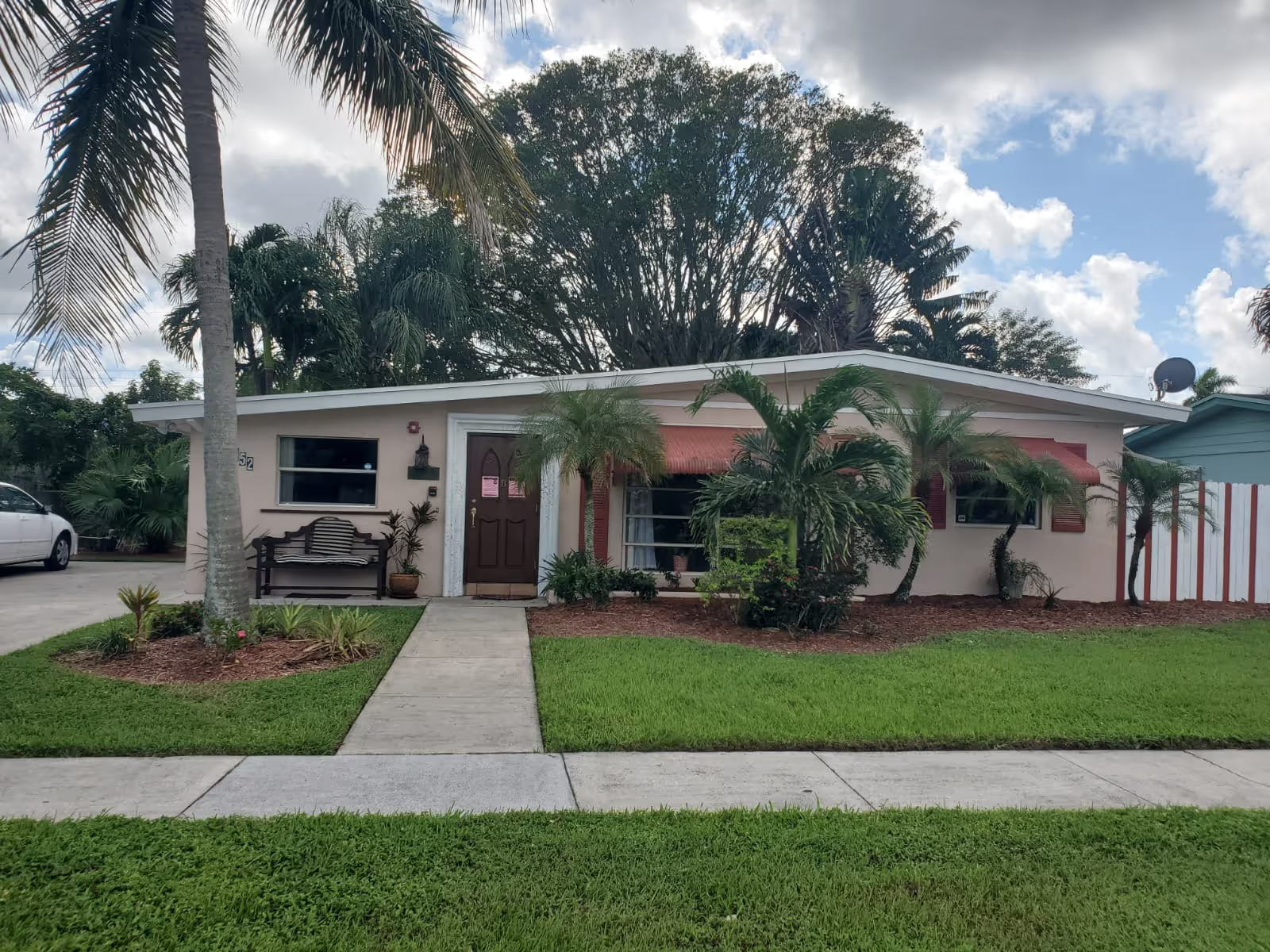
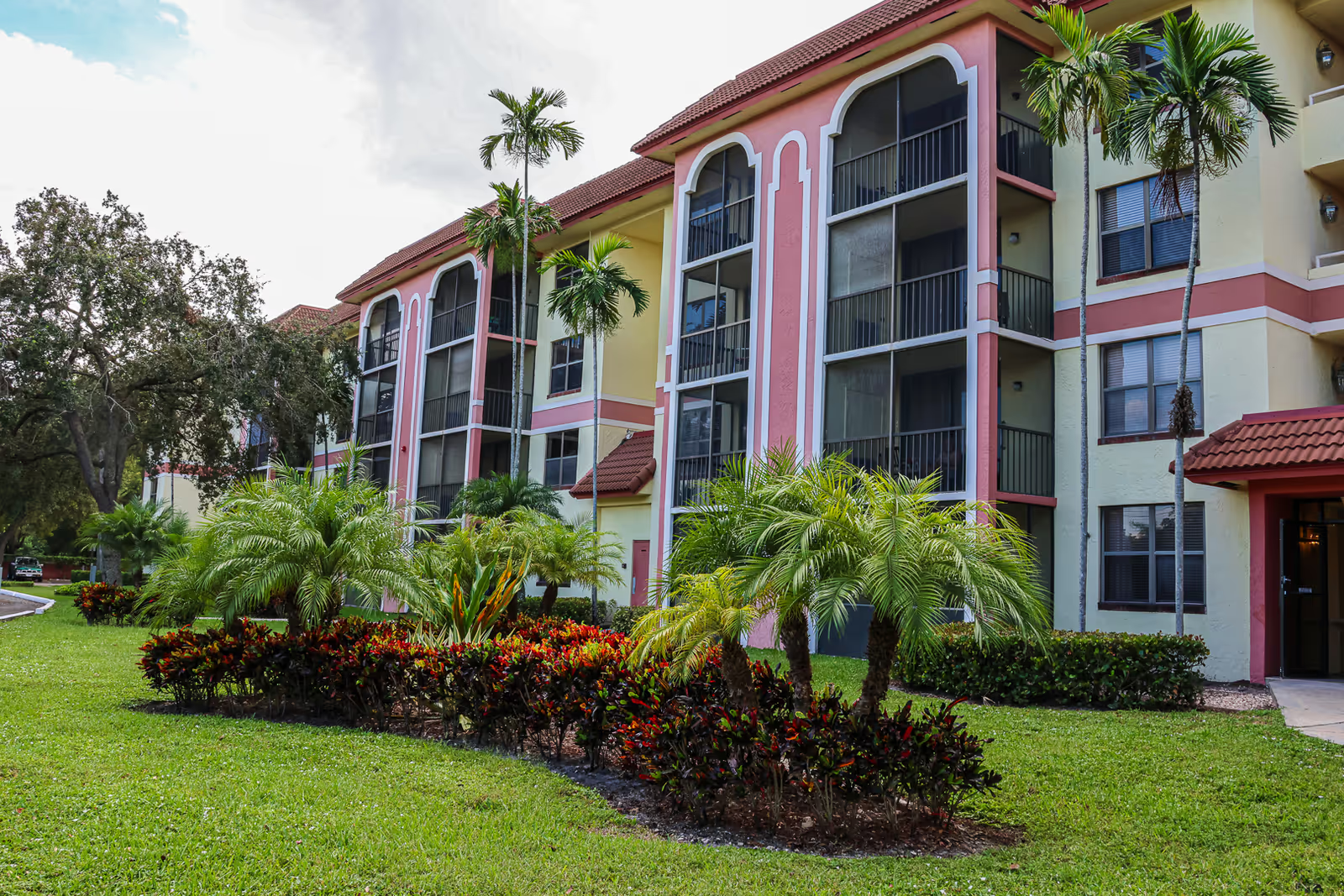
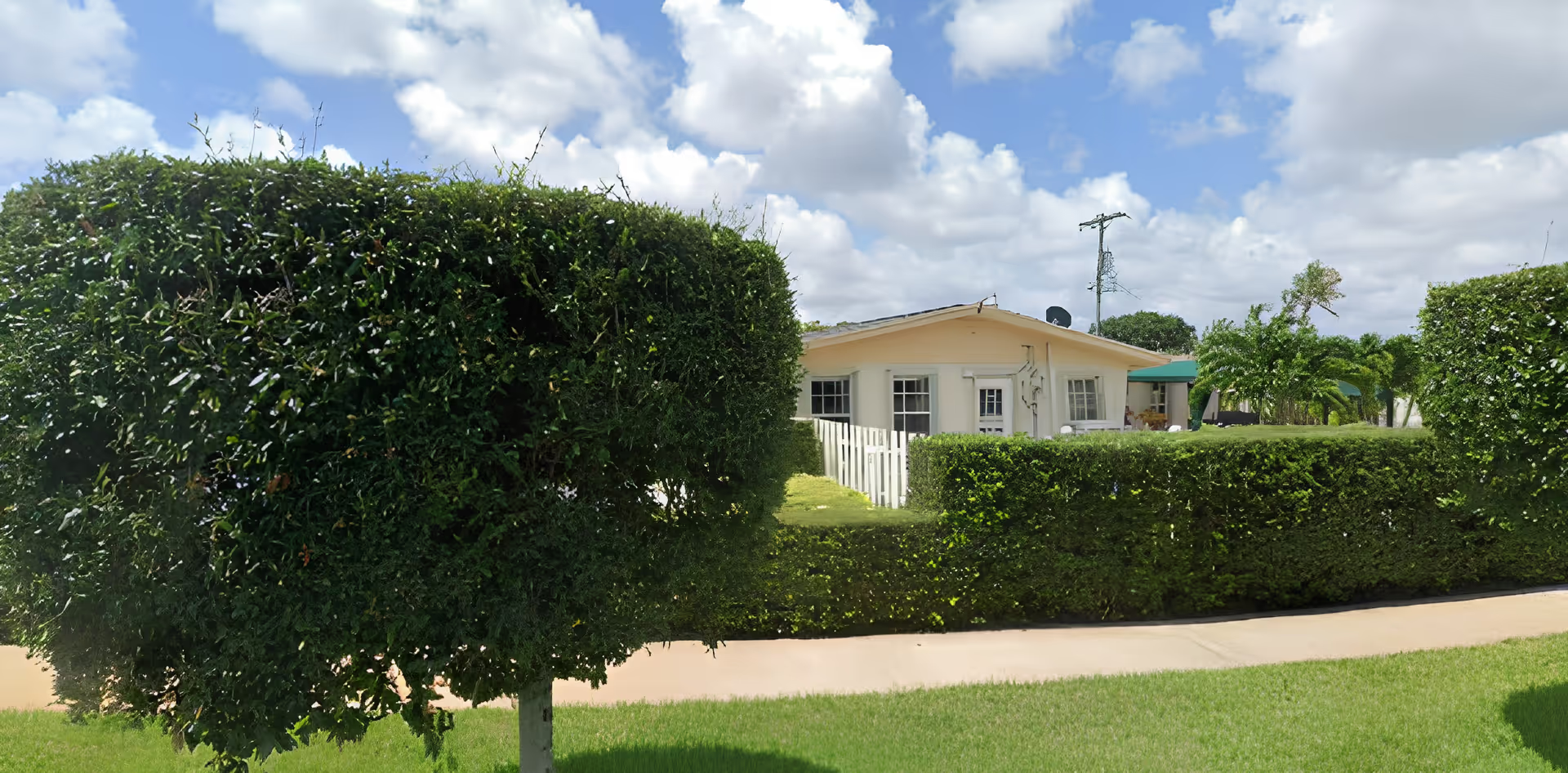
Facilities impressions range from "clean and safe" to concerns about maintenance and exterior appearance. Some families report a well-maintained interior and supportive environment; others note faded building elements, odor concerns in common areas, and visible exterior wear. During the COVID-19 period, reviewers described restrictive visitation policies and raised allegations of noncompliance with certain infection-control expectations; prospective families should ask about the facility's current infection-prevention protocols and staff training.
Taken together, the pattern is one of inconsistency: strong clinical and administrative performers are present, but systemic issues—staffing variability, communication gaps, dining and sanitation problems, and questions about management practices—appear frequently enough to warrant careful inquiry. For prospective residents and families, recommended due diligence includes an in-person tour of living and dining areas, direct questions about staffing levels (including nights/weekends), documentation of escalation and communication procedures, review of recent inspection or compliance records, and conversations with current families about continuity of care and staff turnover.