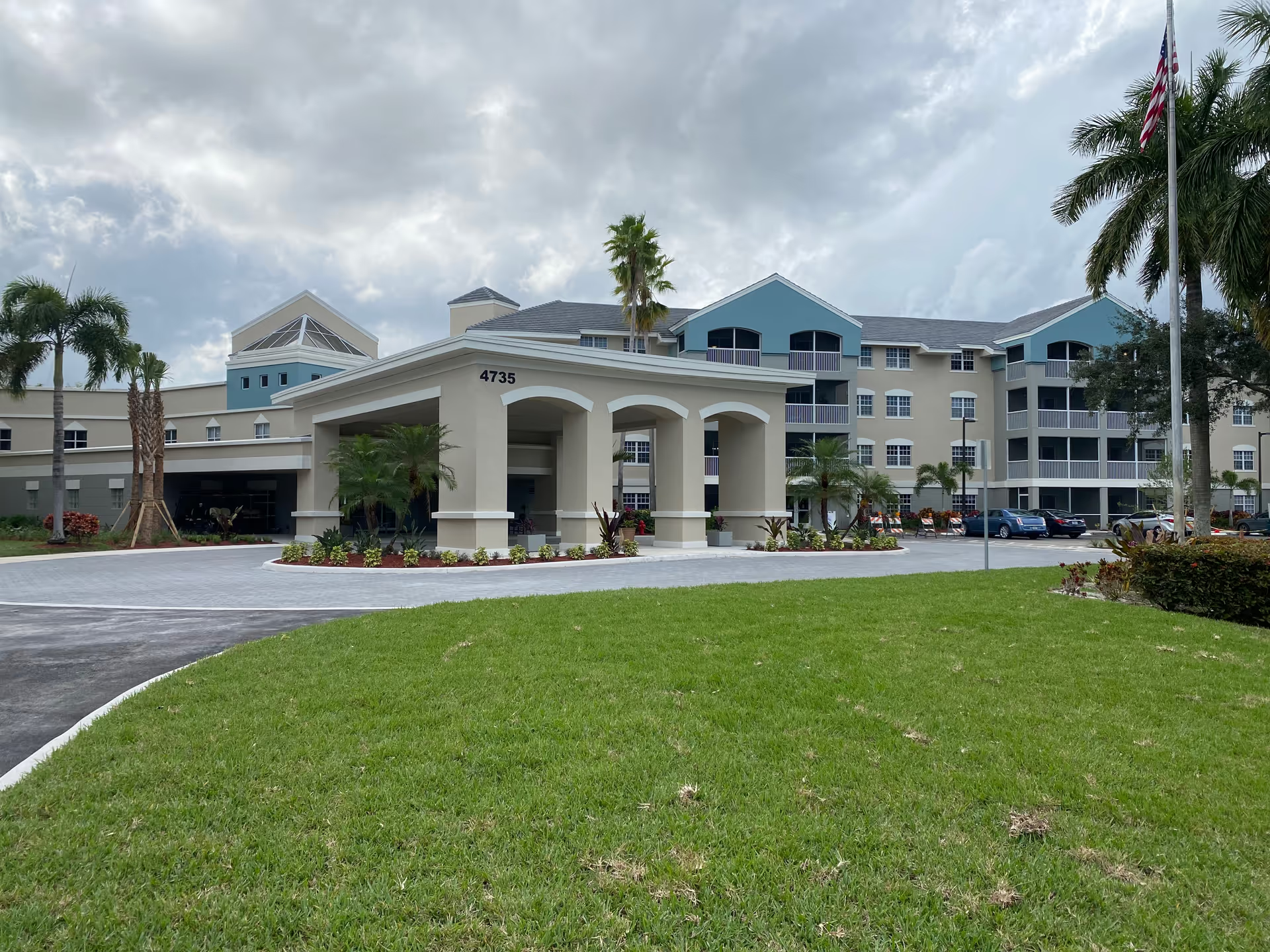
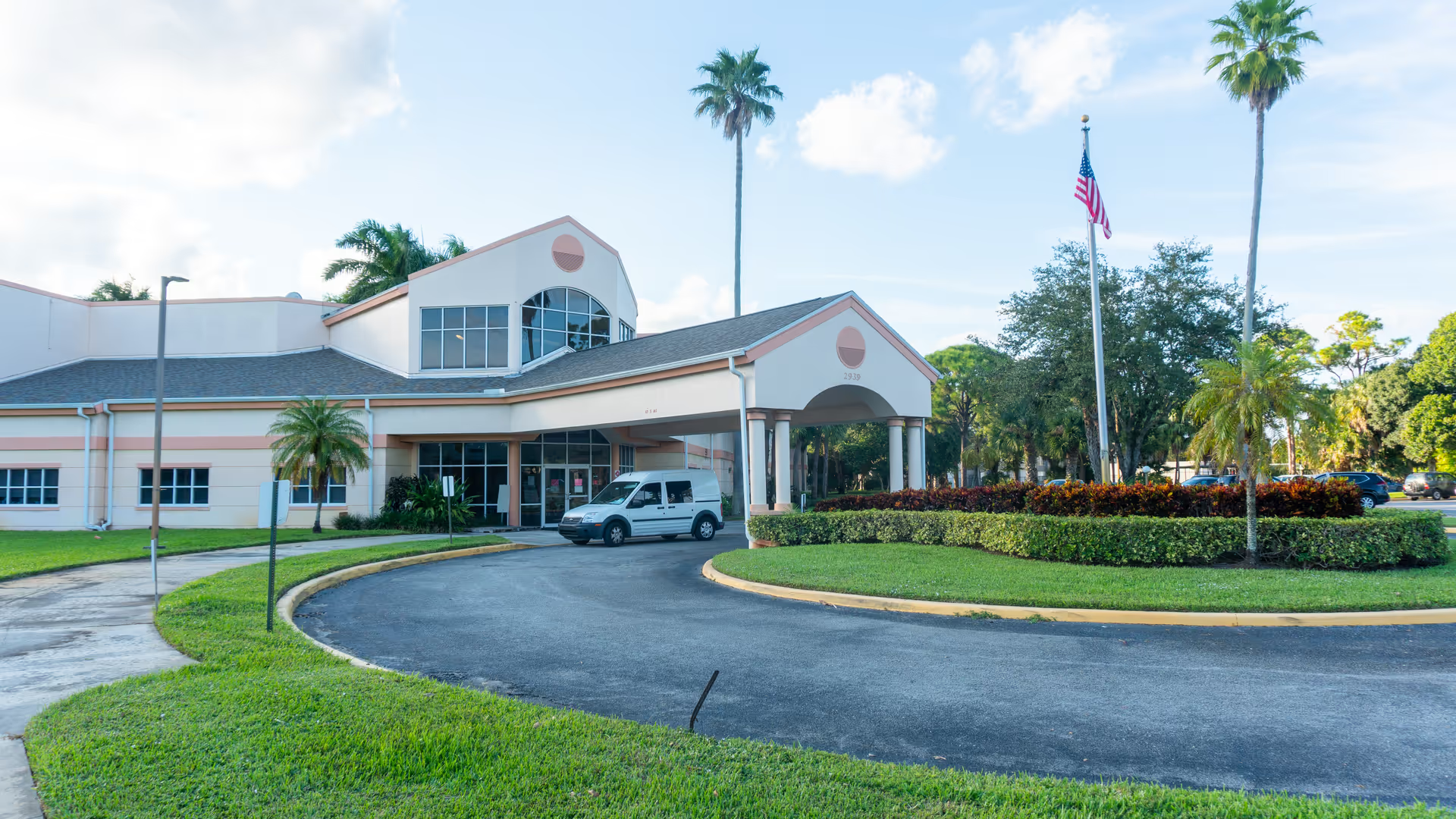
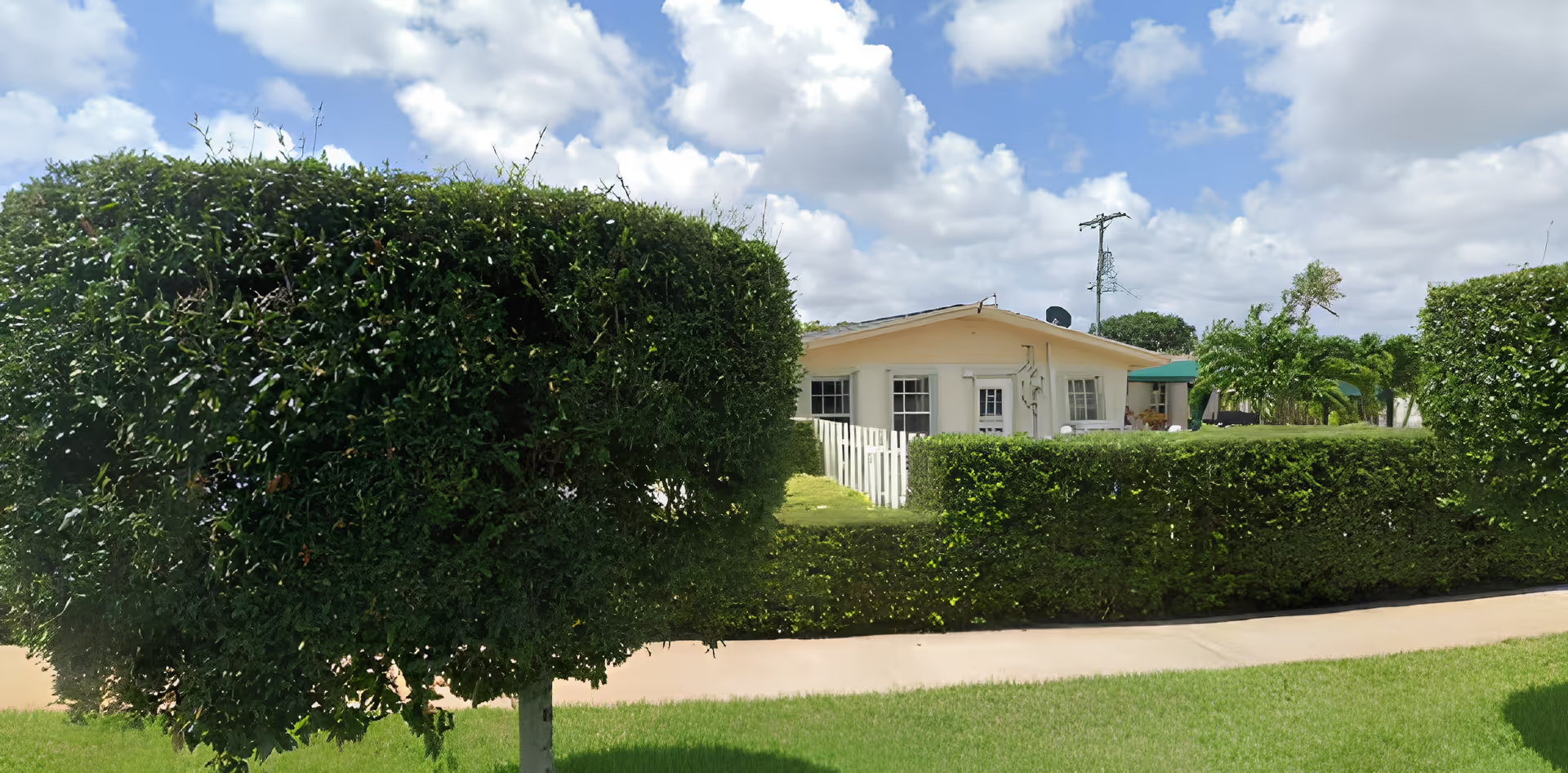
Banyan Place presents as a small, recently renovated memory-care and assisted-living community with a strong emphasis on person-centered caregiving. Families consistently highlight the facility’s clean, modern interior and secured grounds, combined with a home-like scale that many find reassuring. Management and leadership changes have been framed positively; several accounts describe proactive directors and owners who prioritize a clear care mission and timely follow-up with families.
Care quality and staff performance are central strengths. Reviewers emphasize compassionate, attentive caregivers and experienced dementia nurses who prioritize dignity, grooming, and individualized attention. The facility is frequently described as having a favorable staff-to-resident balance, with staff interactions characterized by warmth and consistent communication. Staff responsiveness, 24-hour nursing coverage, and an effective emergency call system are noted as operational positives supporting resident safety and family trust.
Dining and activities are other areas of positive consensus. Food quality is described as good, and the activity program appears active and varied, including art, music, games, and pet-therapy events that support social engagement and quality of life. Transportation services and occasional respite-stay support are mentioned as practical conveniences for families.
Facility amenities and physical plant show mixed signals. The community benefits from recent renovations and clean common spaces, but some units vary in condition: reviewers cite mismatched furnishings and items needing repair or updating in certain apartments. Outdoor space is present and secured, but overall grounds and leisure amenities are limited, and the site’s proximity to a highway introduces noticeable road noise for some residents. Capacity is small, which supports close-knit interactions but also constrains space variety and room availability.
Management and communication receive frequent praise for accessibility, leadership involvement, and receptiveness to family input, though there are operational gaps. Families sometimes experience difficulty reaching the facility by phone, and a few accounts describe intermittent staffing shortfalls that affect higher-level personal-care responsiveness. Overall, reviewers portray a community that has made substantive improvements under current leadership, with strong relational care and programming, tempered by ongoing maintenance, accessibility, and staffing considerations that prospective families should evaluate during a tour.
Notable patterns for prospective residents and families: prioritize an in-person tour to assess specific apartment condition and noise impact, confirm current staffing levels relative to anticipated care needs, and test communication channels (phone responsiveness and preferred family update methods). These steps will help align expectations with the facility’s strengths in compassionate memory care and its operational limitations related to space and maintenance.