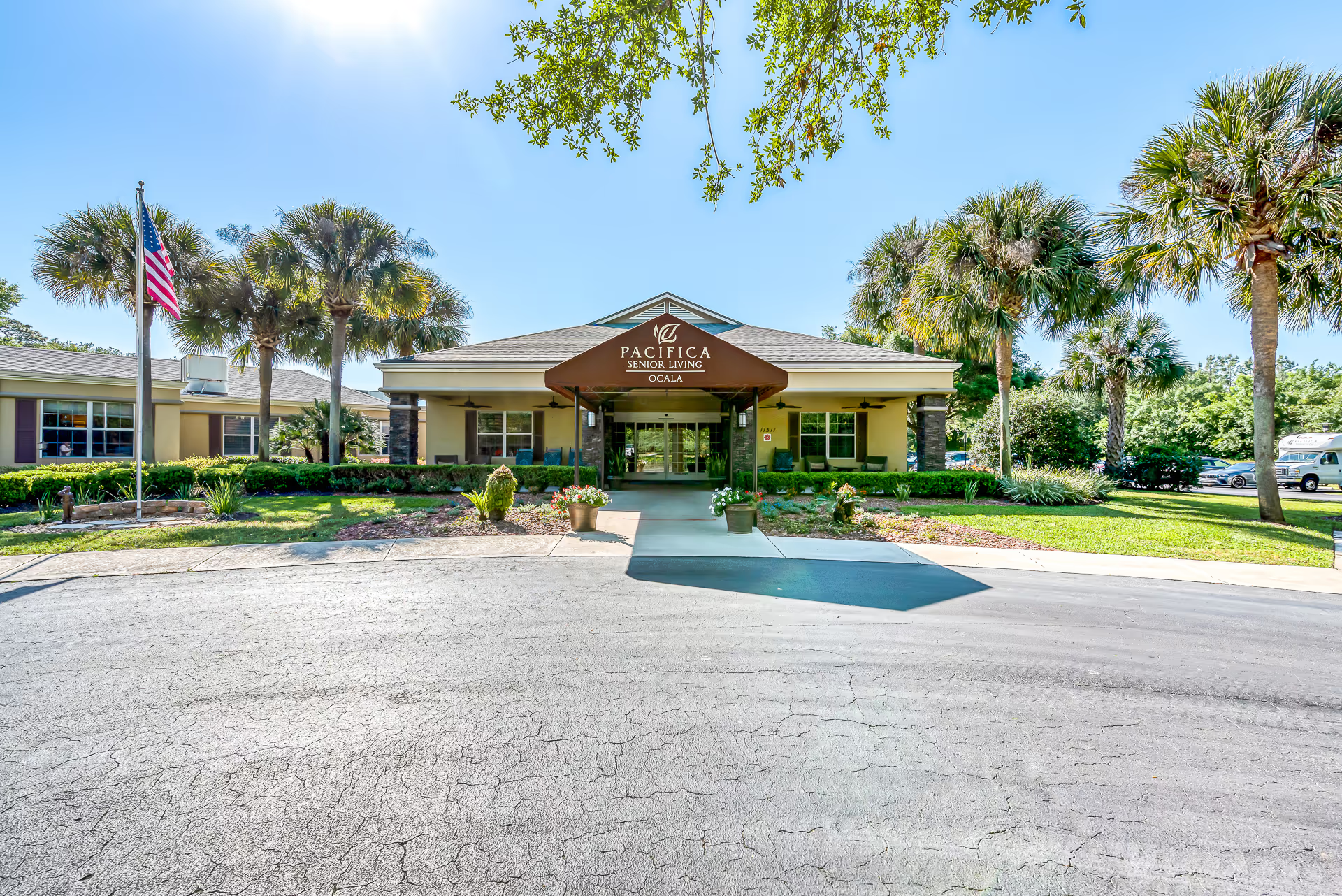
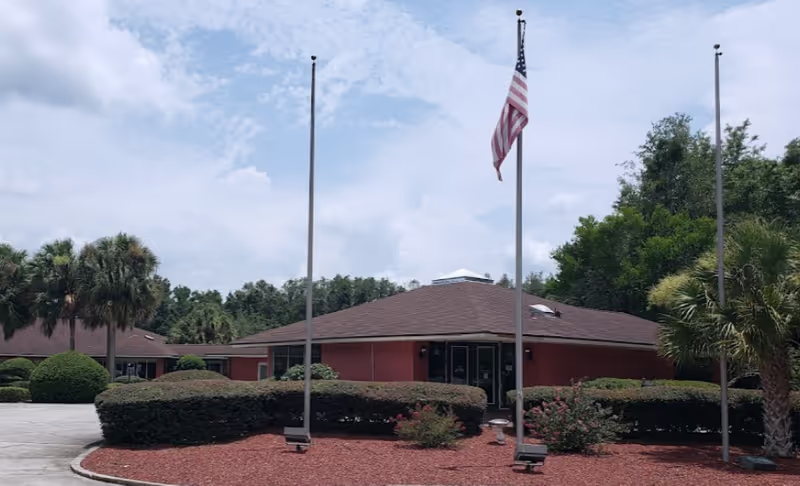
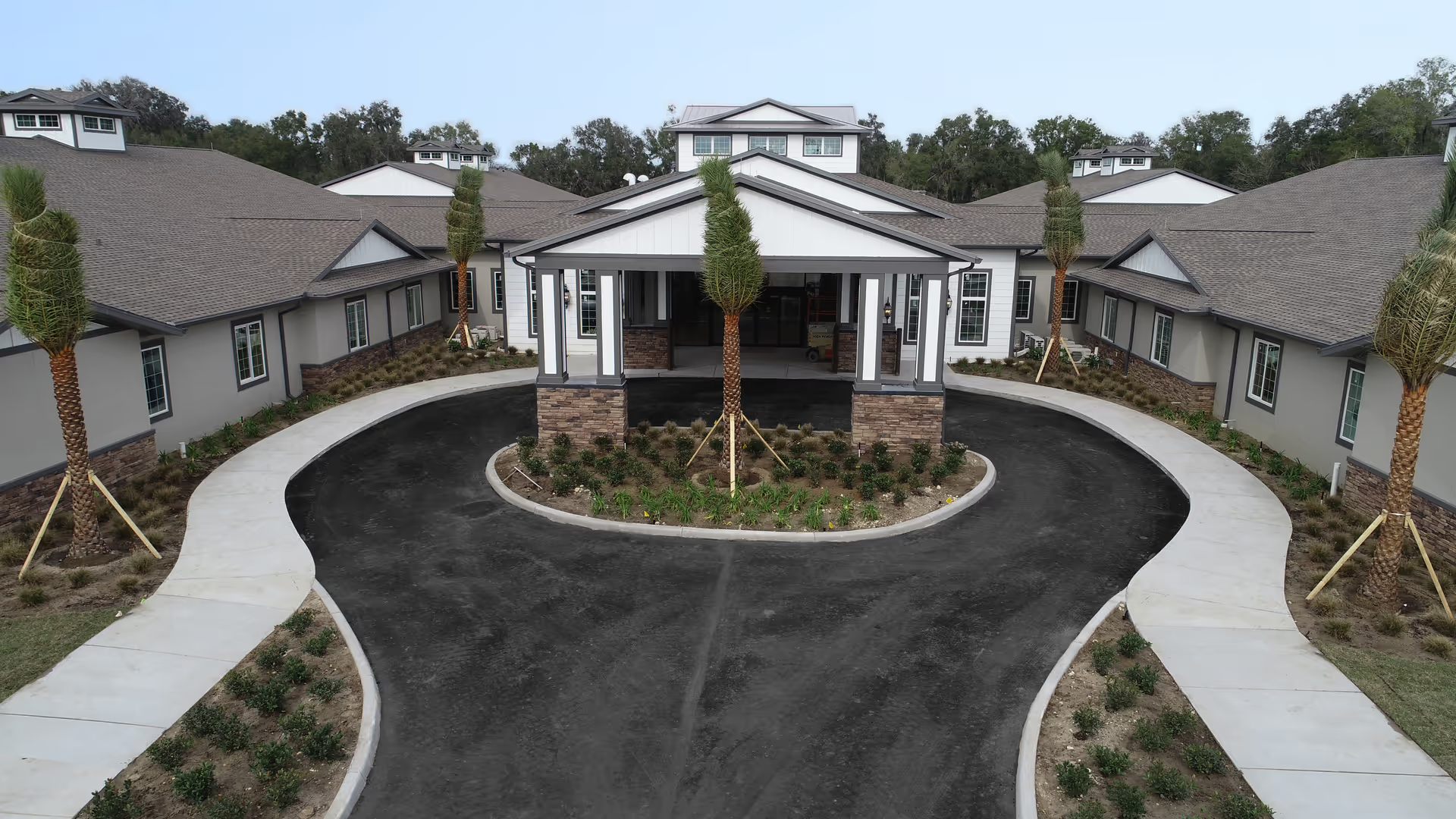
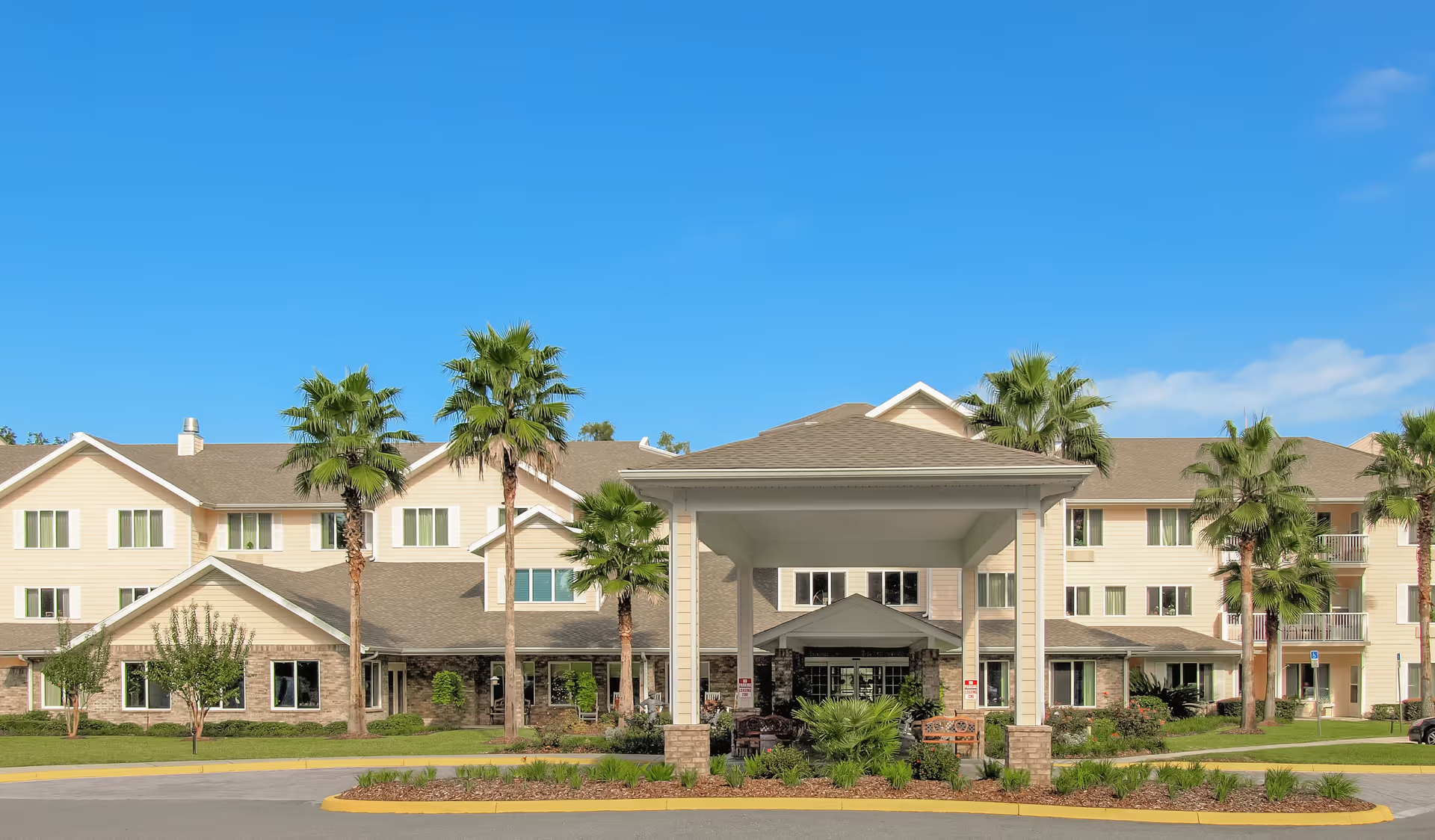
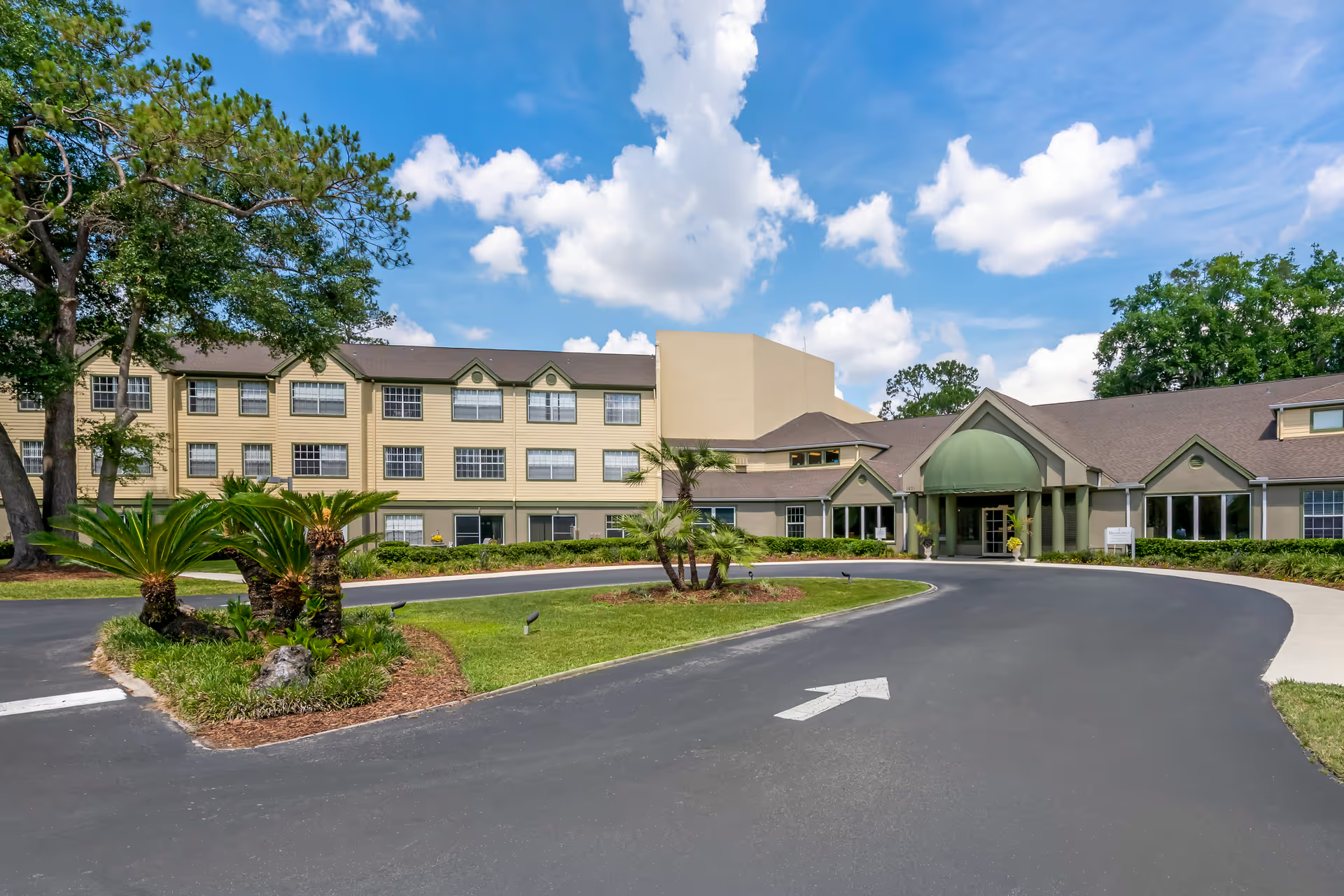
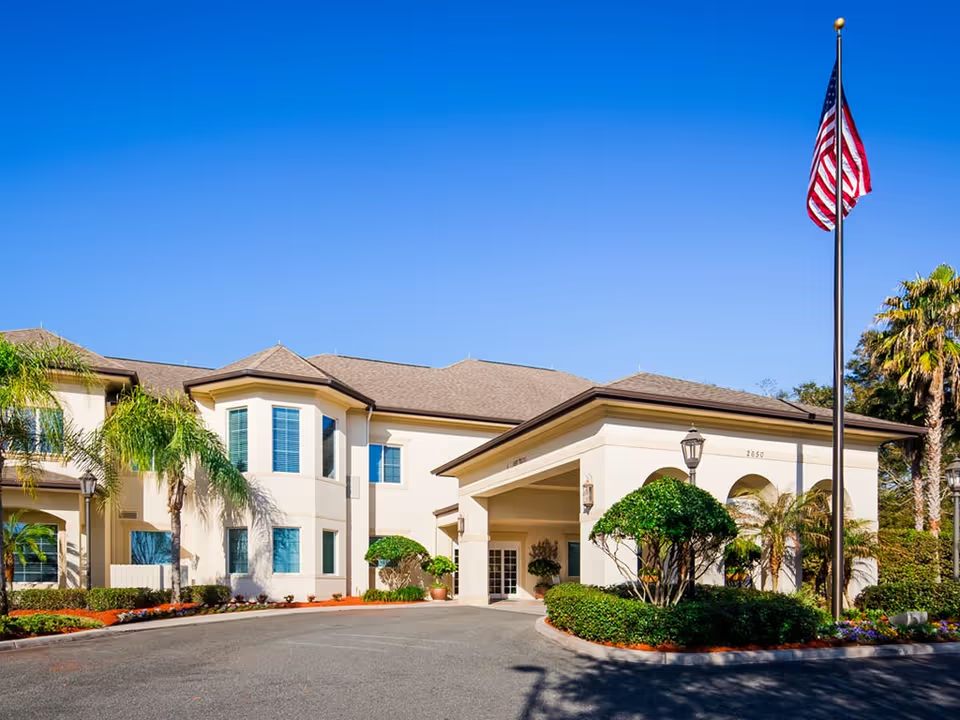
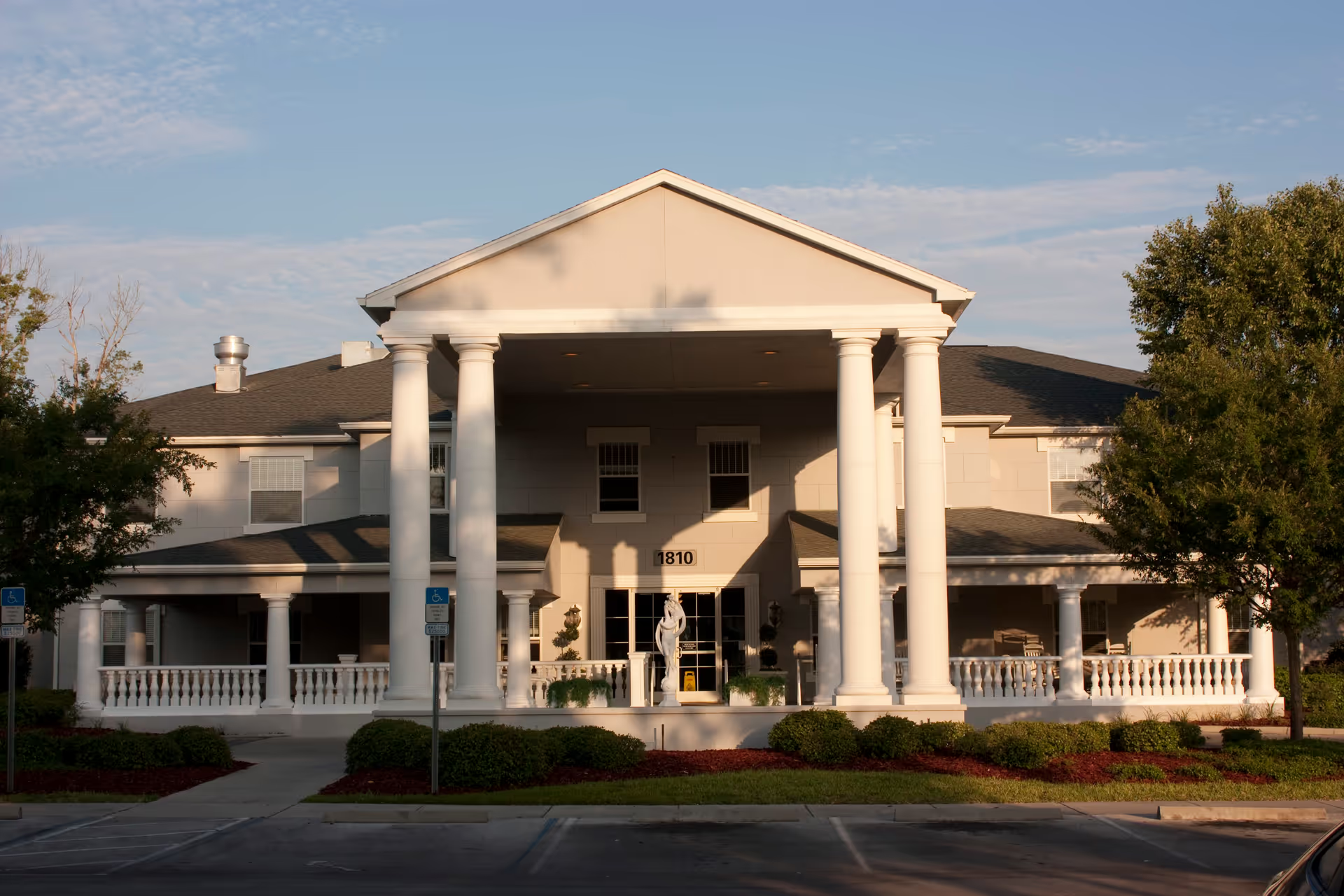
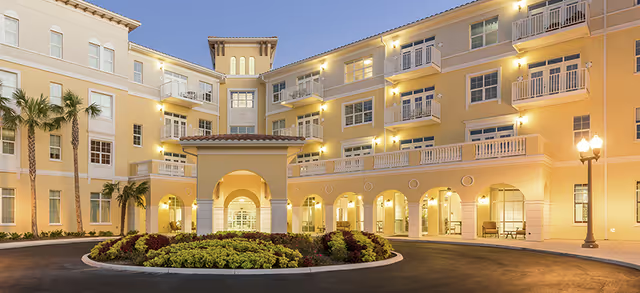
Canterfield of Ocala presents as a mostly new, well-appointed senior living community with a strong initial emphasis on clean, bright design and a broad set of resident amenities. Multiple visitors described the building as modern and attractive, with open, well-lit interiors, varied floor plans, and communal spaces such as a dining hall, library, movie room, game room, and fitness areas. Outdoor patio space and landscaped grounds contribute positively to the physical environment. The facility also markets memory-care specialization and on-site medical support, and transportation to appointments is available.
Staff and care quality are frequently cited as strengths: many accounts highlight friendly, welcoming personnel, attentive dining staff, and knowledgeable administrative and marketing staff who assist with move-in and setup. The memory-care team was singled out positively by several families. The community appears to have a relatively high staff-to-resident ratio in some descriptions, and clinical coordination and communication are noted as strengths in certain reports.
Dining is a clear selling point for numerous visitors: meals were often described as restaurant-quality, varied for special events, and well-presented. That said, there are repeated comments about limits to everyday menu choices and inconsistent handling of dietary requests; a few visitors found menu variety and simple daily options lacking. Activities programming shows a similar mixed pattern. When the calendar is active, residents participate in singing, dancing, exercise classes, crafts, and themed events; however, other visitors observed sparse daily activities and expressed a desire for a stronger, more consistent activity schedule and greater staff engagement in programming—particularly noticeable when occupancy is low.
Operational issues tend to cluster around opening-phase growing pains and service consistency. Several accounts referenced incomplete landscaping, unfinished exterior work or villas, and new or inexperienced staff who sometimes needed to follow up on questions. These items suggest the community was still stabilizing during initial occupancy. In addition, reviewers raised concerns about the level of daily living assistance available for residents with higher-dependency needs and noted variability in staff responsiveness and in how dietary accommodations are handled. A number of families also described the community as being somewhat isolated from nearby amenities, which may matter depending on the prospective resident’s preferences.
Cost is another recurring theme: some families judged pricing to be high relative to expectations, while others felt the value matched the quality of food, care, and amenities. Apartment sizes and layouts vary; a few visitors found certain studio kitchens compact. Management and marketing staff received consistent praise for helpfulness and follow-through, although a few reviewers described situations where answers required later follow-up rather than immediate resolution.
Overall, Canterfield of Ocala appears to be a well-designed, clean, and hospitality-oriented community with strong dining and several clinical and administrative strengths. Prospective residents and families should weigh the premium price against the facility’s newness, amenity set, and the current level of activity programming; they should also ask targeted questions about assistance levels for higher-dependency care, menu flexibility for dietary needs, and the timeline for finishing any outstanding construction or landscaping. A second visit during fuller occupancy may provide a clearer sense of typical daily activity levels and staff responsiveness.