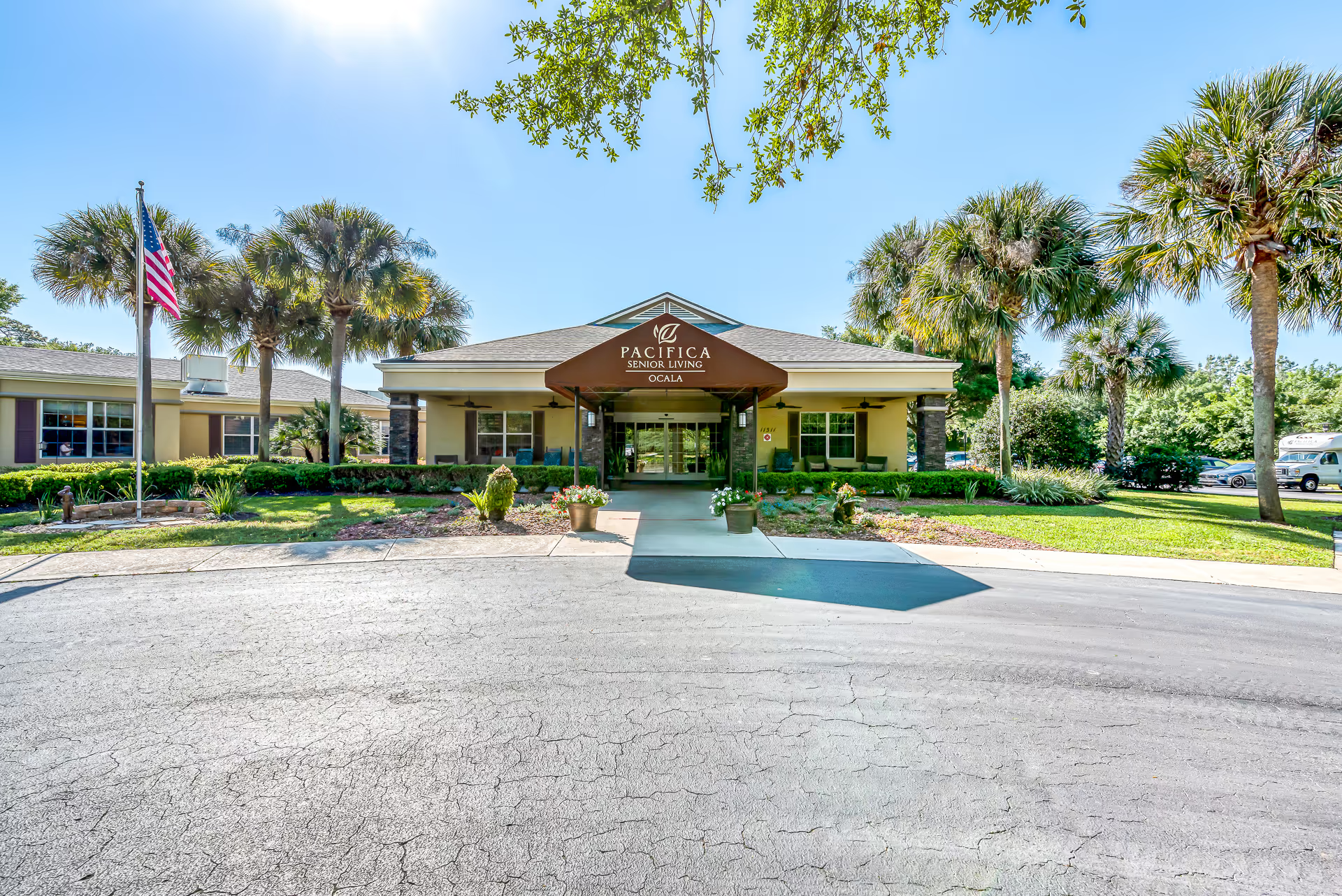
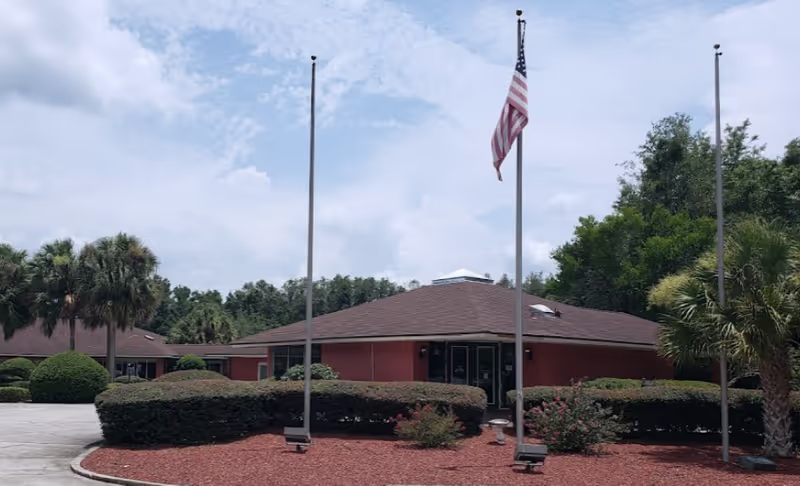
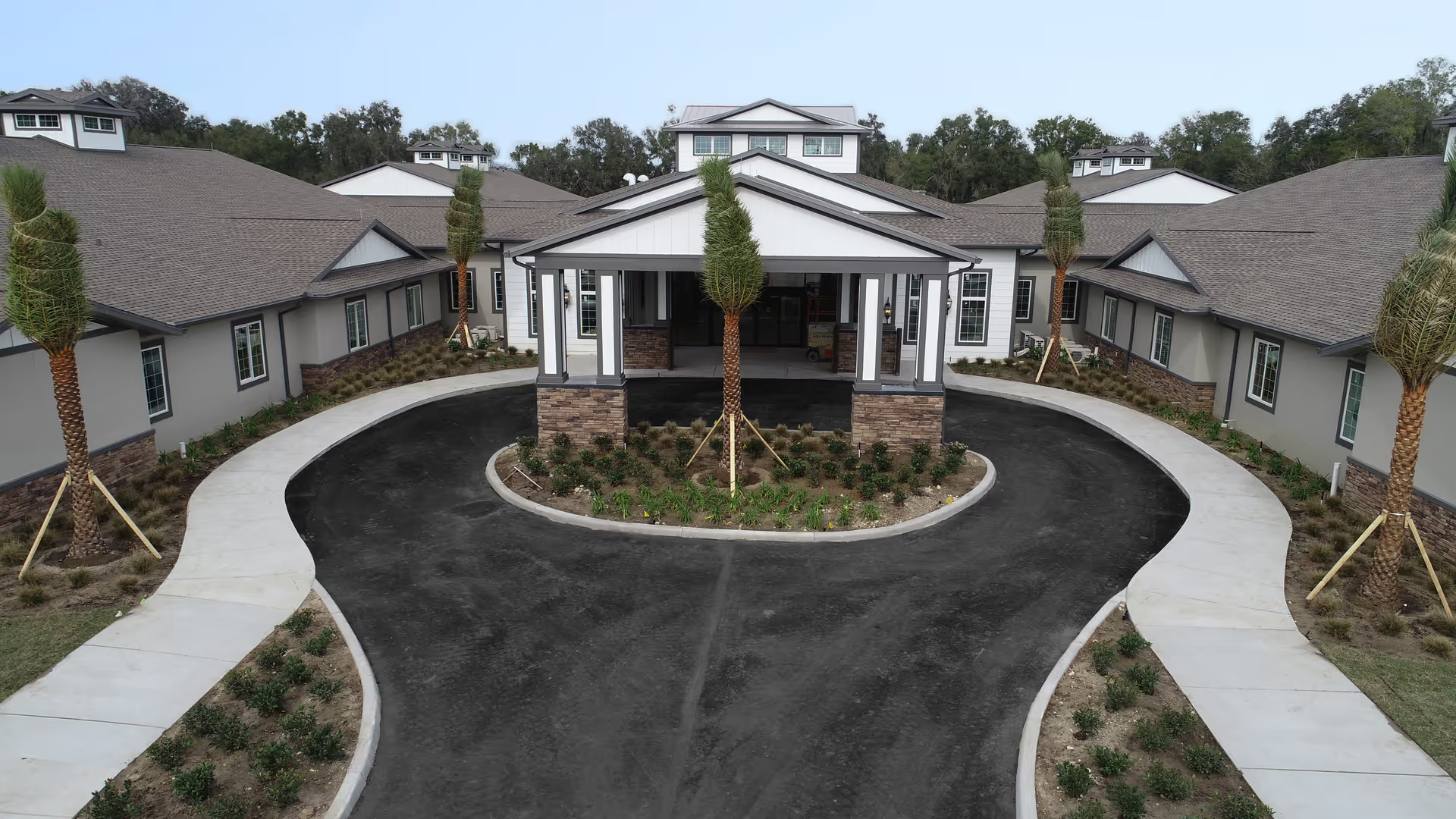
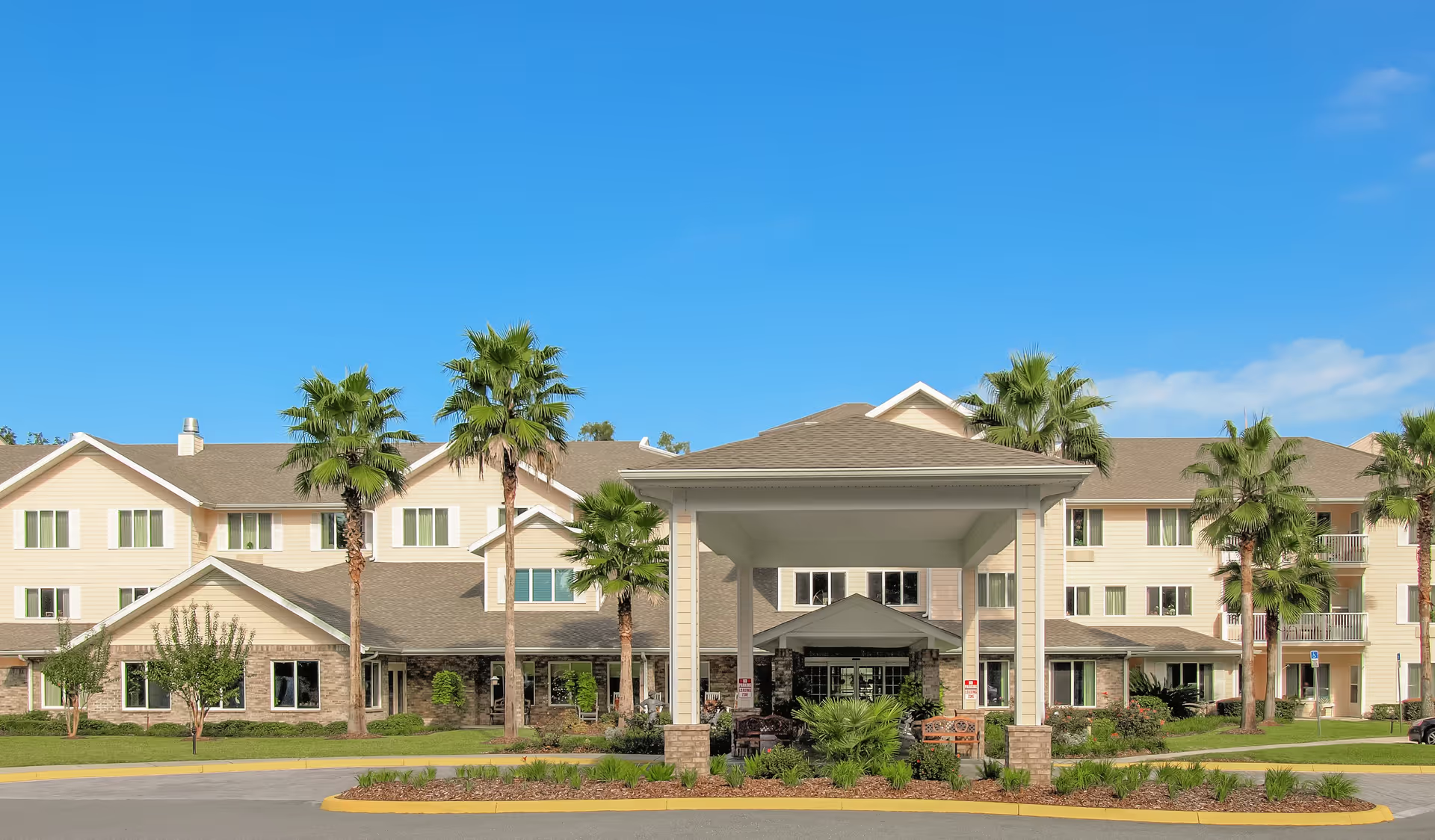
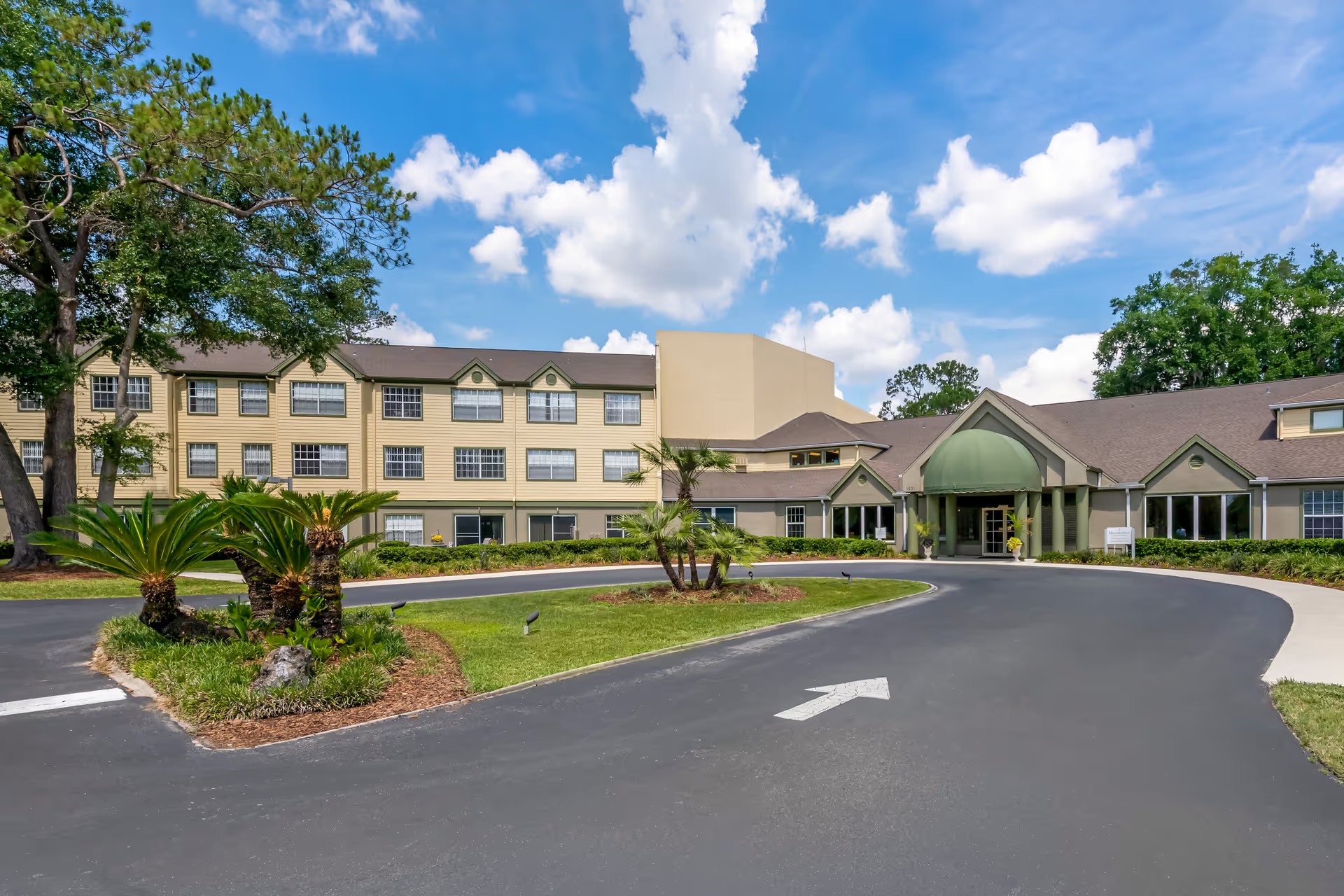
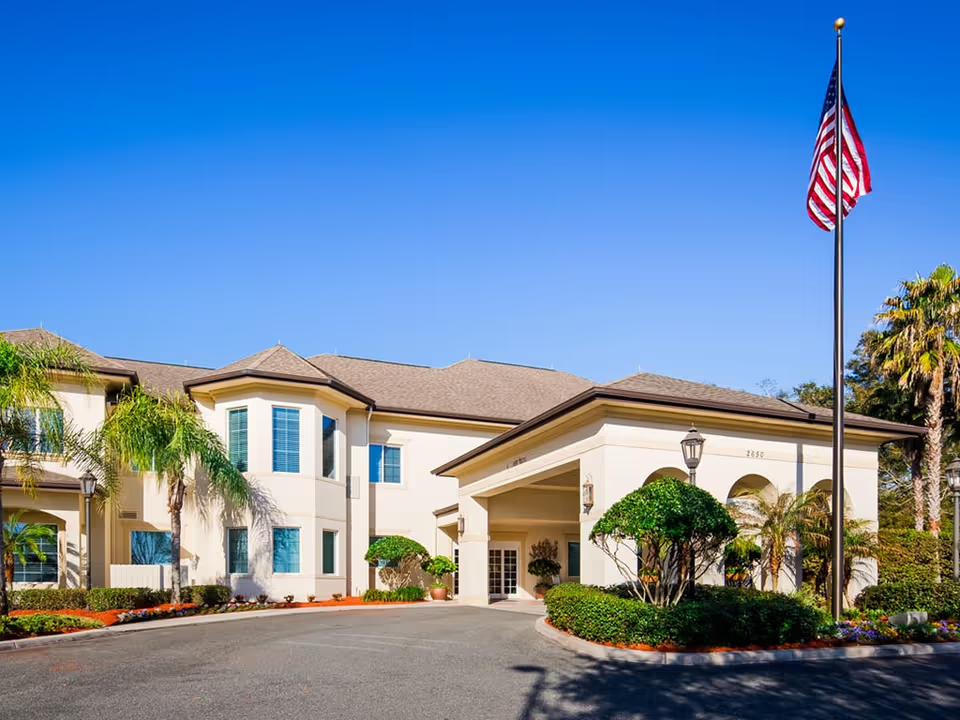
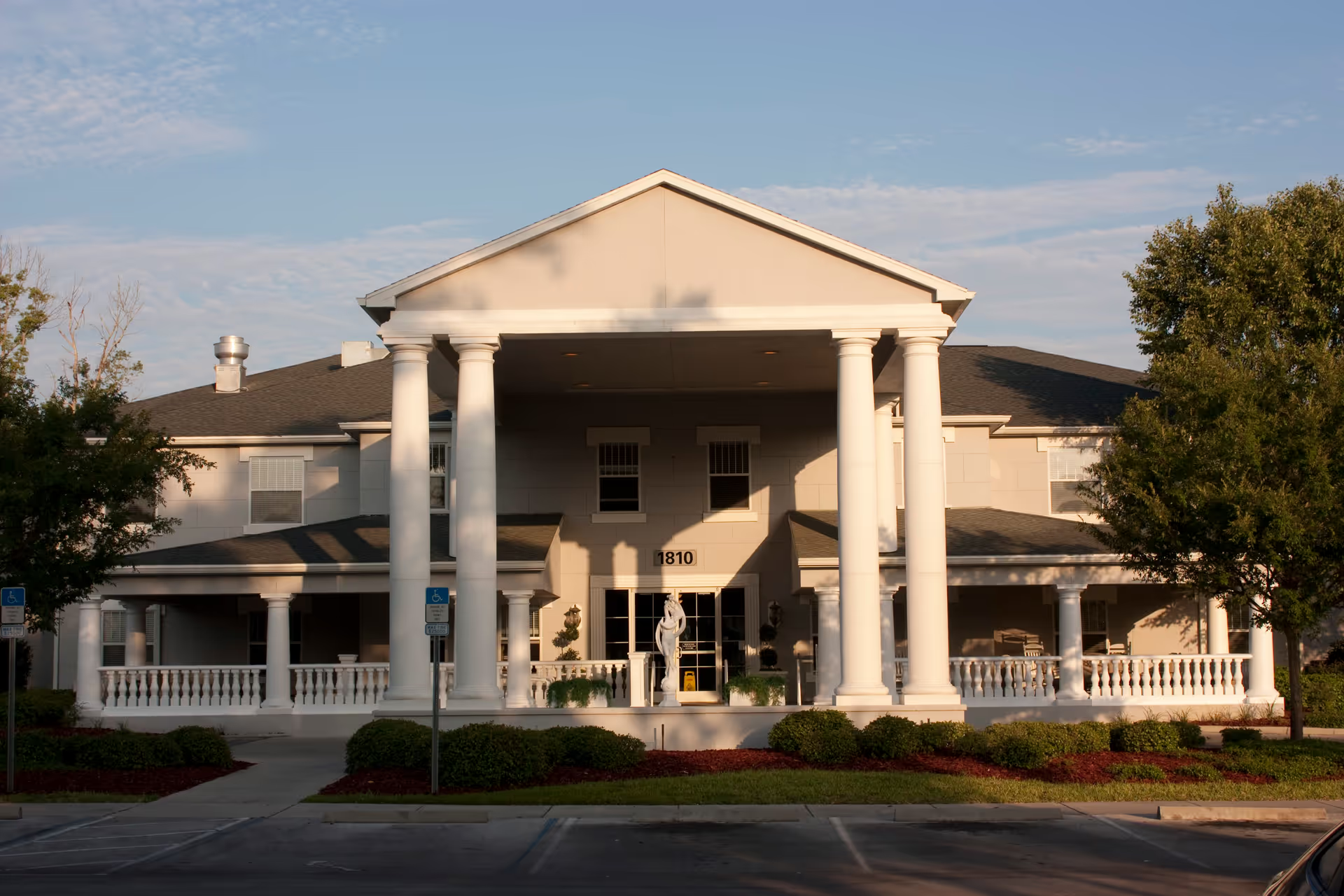
The body of feedback for TimberRidge Center for Rehabilitation and Healing is highly polarized, with a clear separation between consistent operational strengths and recurring operational weaknesses. Many families and patients highlight individual staff members and teams—nursing, CNAs, therapy, admissions, housekeeping and maintenance—as compassionate, responsive, and instrumental to recovery. Rehabilitation services (physical and occupational therapy) are frequently described as effective, with measurable progress and well-organized therapy schedules. Admissions staff and certain long‑tenured employees are repeatedly cited as providing supportive, family‑oriented communication. Public spaces, grounds, and parts of the building are described as attractive and well cared for, and seasonal events and volunteer programs contribute to a welcoming atmosphere for many residents.
At the same time, a number of operational concerns recur across accounts. Cleanliness, laundry handling, and sanitation practices are described inconsistently across units; while some areas are kept well, other areas and some rooms raise sanitation and odor concerns. Food service is another mixed area: reviewers note good meals at times, but also consistently point to downgraded menus, poor meal quality, limited variety, and instances where dietary restrictions or allergy safety procedures were not adequately followed. These issues suggest weaknesses in kitchen oversight and diet-accommodation processes.
Clinical practice and safety show a similar split. Effective, attentive care is credited to many clinicians and CNAs, yet several accounts raise concerns about medication administration, missed or delayed medications, documentation gaps, and lapses in clinical coordination. Families also reported delays in incident response and insufficient communication after falls or clinical changes. These descriptions indicate facility-level gaps in medication-control systems, incident‑notification protocols, and handoff communication between departments and with families.
Staffing and culture are central themes. Numerous reports praise individual staff members for going above and beyond, but there are also repeated references to understaffing, high turnover, overworked CNAs, and inconsistent conduct or unprofessional communication from some employees. Reviewers describe variability in training, accountability, and responsiveness that appears to correlate with individual units or shifts rather than a uniform facility standard.
Facility condition and management issues are present in the feedback. Several reviewers describe dated or unevenly maintained unit areas, poor lighting or carpeted corridors that feel dark, and occasional infrastructure problems such as HVAC failures. Pest-control concerns are mentioned and should be clarified directly with the facility. Some families perceive administrative priorities as census- or financially driven, which they feel can affect clinical and dining decisions.
Notable patterns: experiences appear highly staff- and unit-dependent—where dedicated, well-supported teams are in place, outcomes are positive; where staffing or oversight is weak, families report substantive care and safety concerns. For prospective residents and family members, useful topics to explore during a visit include current staffing ratios and turnover, medication-administration and incident-notification policies, how dietary restrictions and allergy safety are enforced, recent sanitation and pest-control measures, the scope and daily schedule of activities, and how leadership monitors unit-level performance. Overall, TimberRidge demonstrates clear strengths in rehabilitation and in many individual caregivers, but the variability in operations, clinical coordination, and facility condition warrants careful, targeted inquiry before placement.