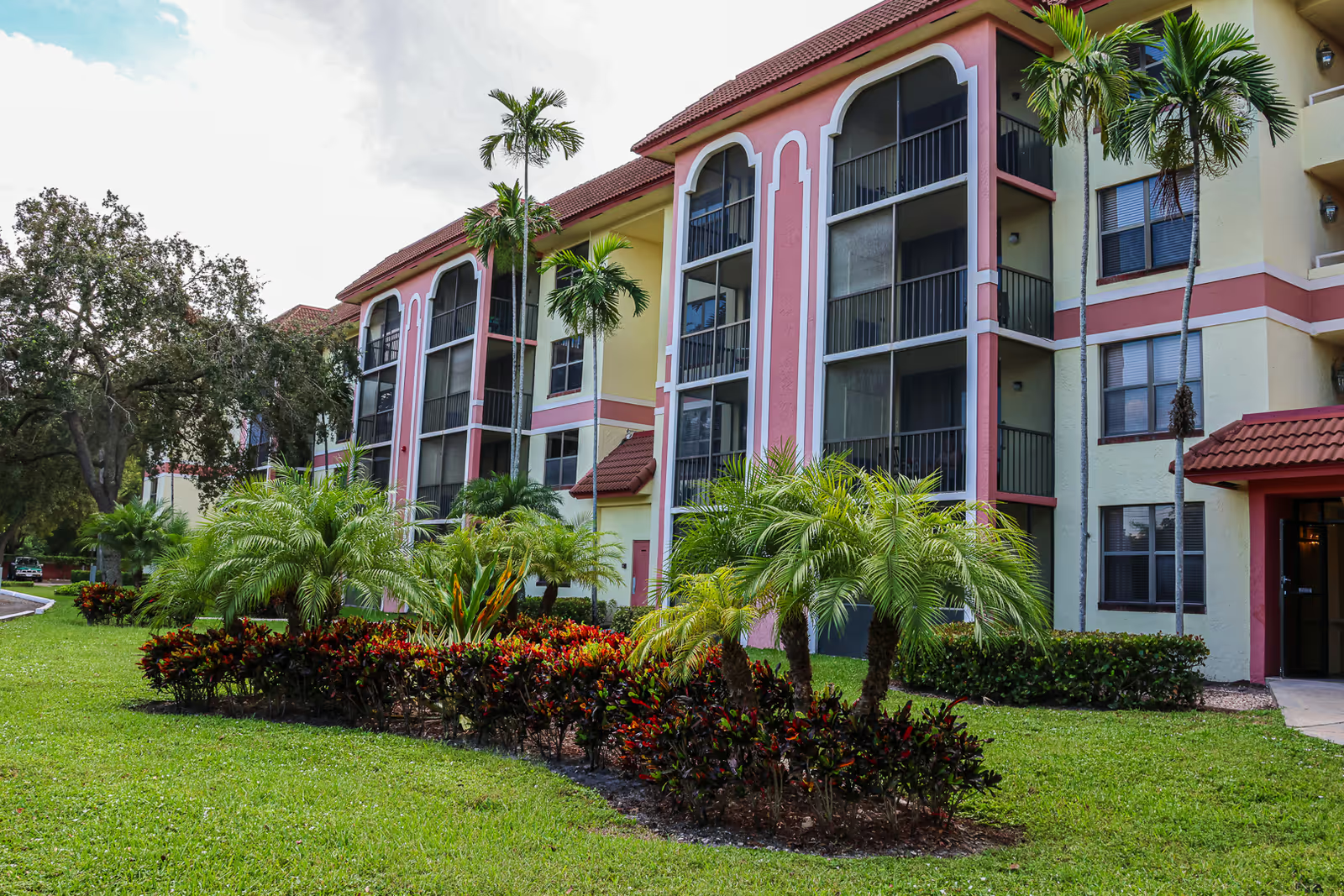
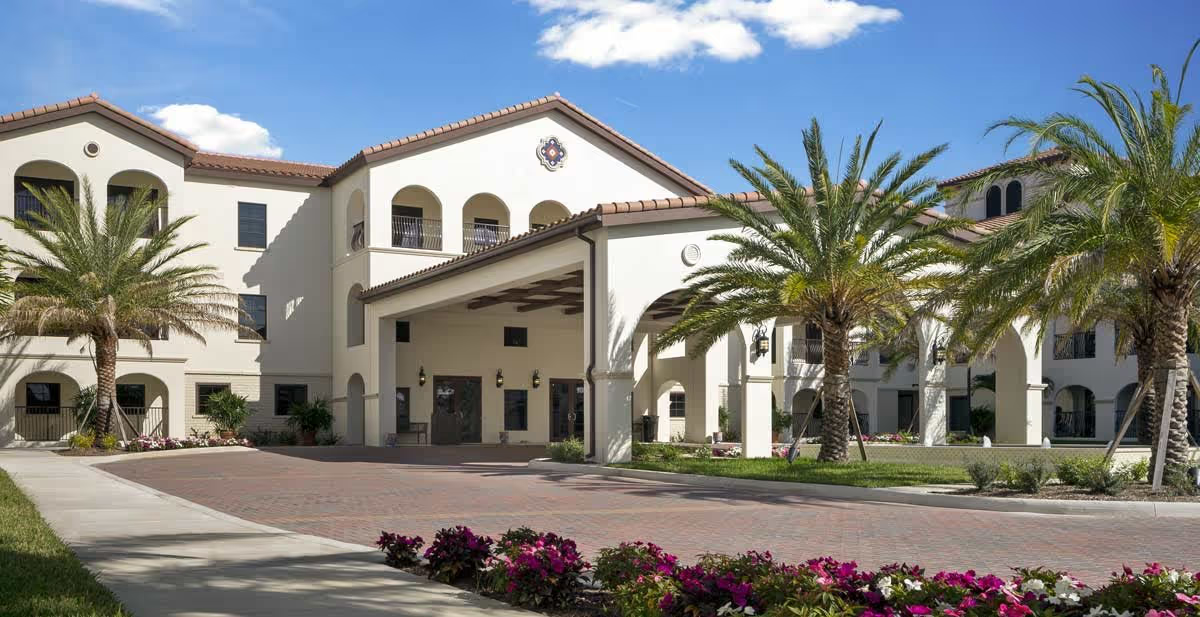
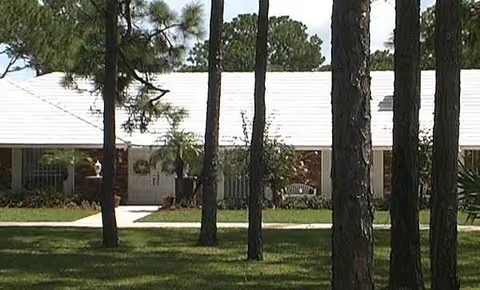
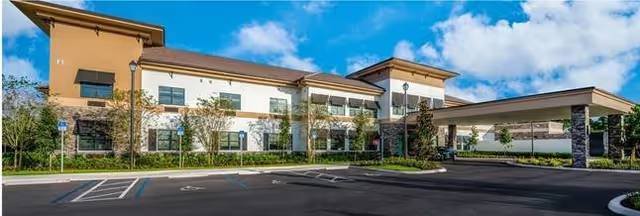
The aggregated reviews portray Alamar Senior Living as a visually appealing, newly built community with many resort‑style amenities. The physical plant receives consistent praise: clean, modern interiors, attractive landscaping, barrier‑free apartment design, wheel‑in showers, multiple common rooms, a rehab gym, salon, and an outdoor courtyard with recreational elements. Dining is frequently described as a strength—gourmet offerings, sit‑down meal service, daily desserts, and a bistro/Grille option generate positive comments. The community also offers a dedicated memory‑care unit with secured access and a variety of programmed activities that include games, crafts, music, Wii bowling, and regular entertainment and social events.
Care and staff impressions are mixed and appear to drive the most variability in family experience. Many comments highlight friendly, engaged front‑desk and concierge staff, proactive recreation teams, and nursing staff who provide routine clinical oversight and physician visits. Several families described meaningful improvements in resident mood and function after moving in, crediting attentive staff and active programming. Conversely, a significant pattern of operational weaknesses emerges: intermittent understaffing, slow or inconsistent responses to call requests, and uneven personal‑care practices such as bathing and laundry completion. There are also repeated notes about inconsistent bedside manner among direct‑care aides and variability in clinical follow‑through.
Safety, clinical coordination, and administrative processes are areas warranting careful inquiry. Reviewers raised concerns about sign‑out and resident accounting at egress points, which has implications for residents who may attempt unsupervised exits to nearby busy streets. There are also multiple mentions of coordination gaps with pharmacy billing, unexpected or disputed charges, and delays in refunds. Some families encountered difficulty obtaining clear schedules for activities and meal balances online, and others reported pressure or additional fee requirements for higher‑acuity dementia care, indicating that clinical eligibility and escalation policies may not be uniformly applied.
Prospective residents and families will find much to like about the facility’s environment, dining, and programming, but should perform targeted due diligence. Recommended actions include observing staff‑to‑resident ratios during peak times (mealtimes, mornings/evenings), asking for written protocols on incontinence care, bathing frequency, and transfer safety, verifying pharmacy billing procedures and refund policies in the contract, requesting a sample activity calendar with location details, and clarifying sign‑out and elopement‑prevention procedures. A focused visit during active service periods and direct conversations with nursing leadership can help determine whether the operational consistency meets your expectations for care and safety.