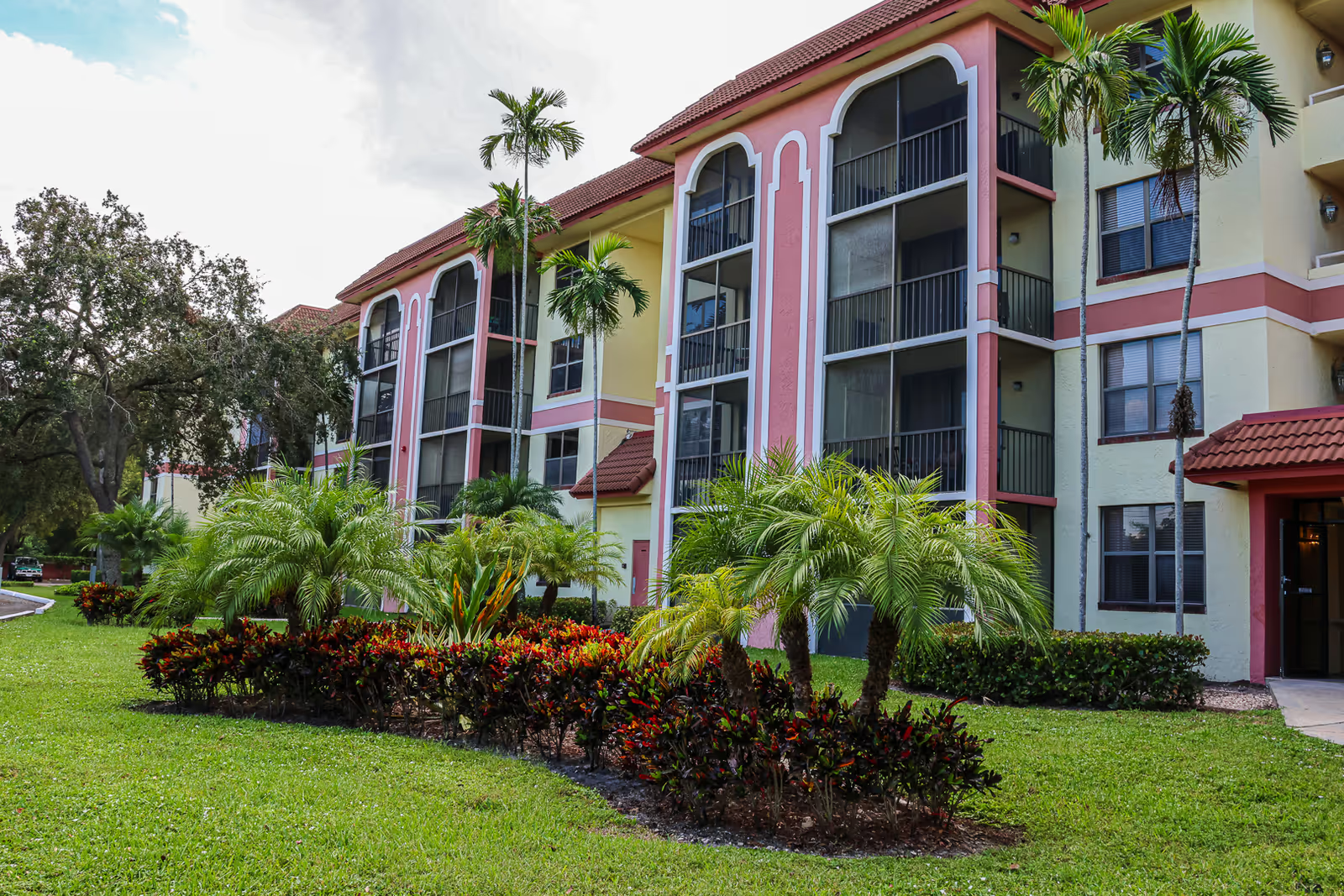
Cresthaven Senior Living Community elicits a strongly mixed impression across reviewers. Many families and residents describe a warm, socially active community with dedicated caregiving staff and an abundance of organized activities. Strengths repeatedly cited include compassionate, attentive nursing personnel, visible on-site clinical leadership, availability of medication assistance, and a robust calendar of social and entertainment programs (outings, themed events, intergenerational activities, and games). Several reviewers highlighted hotel-style private and one-bedroom apartments with kitchenettes, on-site salon services, and outdoor amenities such as gardens and balconies. The community also positions itself as an affordable option with memory-care and aging-in-place services, and some reviewers praised an efficient admissions experience and ongoing renovation efforts.
At the same time, a pattern of operational weaknesses is evident. Cleanliness and sanitation controls were described as inconsistent, with multiple accounts pointing to moisture damage, mold concerns, localized pest-control issues, and uneven housekeeping and laundry processes. Property maintenance responsiveness appears variable: while some reviewers reported prompt fixes and effective maintenance staff, others described unresolved leaks, termite-damaged elements, and deferred cosmetic repairs. These physical-plant issues intersect with clinical and safety concerns in several reviews.
Clinical and staffing patterns are similarly mixed. Positive accounts note strong nursing leadership and caring, attentive staff who foster resident dignity and social engagement. Conversely, other reviews describe variability in staff responsiveness, high turnover, gaps in medication administration and clinical follow-through, and inconsistent bathing and personal-care schedules. Several reviews flagged problems with incident reporting and family notification after hospital transfers or acute events. These operational lapses—especially when combined with staffing fluctuations—contribute to uneven care continuity.
Management and communication emerge as recurring themes. Some families praised clear, timely communication, compassionate management, and effective resolution of issues. Others reported difficulty reaching administrators or front-desk staff, delays or opacity in billing and financial processes, and serious financial concerns including allegations of improper charges and withheld funds. Phone responsiveness and front-desk coverage were called out as inconsistent, which complicates family engagement and raises concerns about escalation pathways during urgent situations.
Dining and activities are generally viewed as positive contributors to resident quality of life, with multiple mentions of enjoyable meals, delivered dining, active social programming, and a lively community atmosphere. However, several reviews describe declining or inconsistent meal quality and dining-area maintenance, suggesting variation in food-service delivery. The activities program is a clear strength for many residents, supporting social motivation and independence through outings, games, and entertainment.
Overall, the pattern is polarized: many long-term residents and families report excellent, compassionate care, strong social programming, and good value; a separate cluster of reviews describes significant concerns about cleanliness, maintenance, staff continuity, clinical follow-through, financial transparency, and communication. Prospective residents and families would benefit from an on-site visit during programming hours, specific questions about staffing ratios, maintenance and pest-control protocols, incident-notification procedures, billing and payment policies, and documentation of infection-control practices. These targeted inquiries can help assess whether the facility’s strengths are consistent with a particular resident’s needs and risk profile.