Overall impression: Ka Punawai Ola is consistently described as a clean, well-maintained facility with strong clinical and rehabilitation capabilities and a warm, family‑oriented culture. Families and residents frequently praise the nursing staff, therapists, case managers, and social workers for being compassionate, hands‑on, and recovery-focused. The facility offers both short-term post‑operative rehab and long‑term nursing care, with on‑site clinical resources (including a nurse practitioner/doctor) and therapy teams that many reviewers credited with substantial functional improvement and safe discharges home.
Care and clinical services: Reviewers highlight the quality of rehabilitation (PT/OT/speech), wound care, and post‑operative programs. Therapists and nurses are commonly described as effective, respectful, and communicative; case managers and social workers are noted for coordination around discharge planning and care goals. The facility provides medically guided meals and supplies personal-care items such as toiletries and incontinence products, and many families reported timely medication and therapy delivery. These operational strengths support a clinical environment oriented to recovery and ongoing nursing needs.
Staff and communication: Staff demeanor is a frequent positive — described as friendly, welcoming, and invested in residents’ well‑being. At the same time, a recurring operational pattern is uneven communication and responsiveness. Several families described delays in callbacks, challenges learning a resident’s location during transitions, and occasional unprofessional tone in communications. Evening coverage is a particular area of concern for some reviewers: staffing levels after typical business hours were characterized as inconsistent, and that has been associated with longer waits and at least one mention of an adverse operational consequence. Prospective families should clarify current staffing patterns and after‑hours contact protocols during their tour.
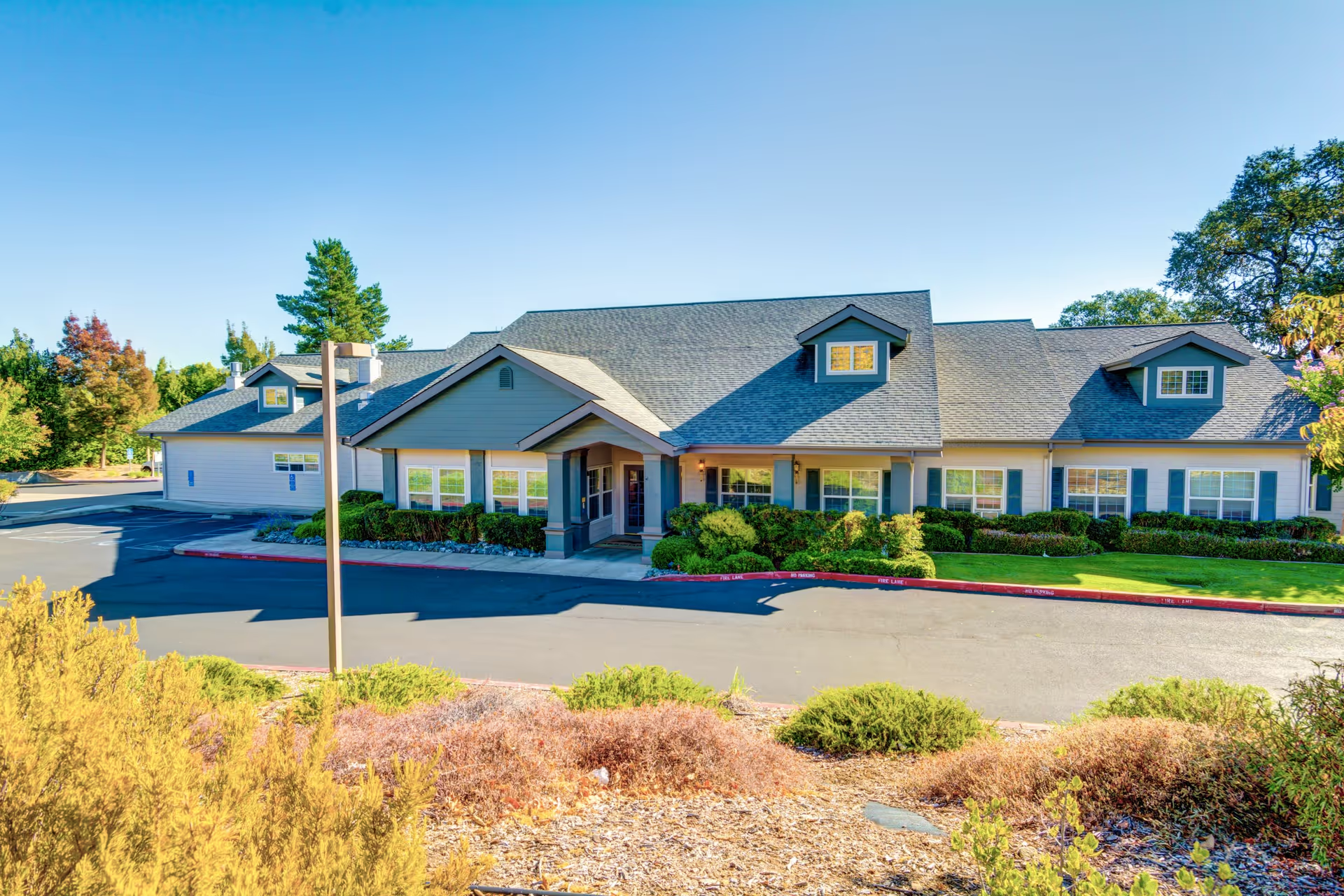
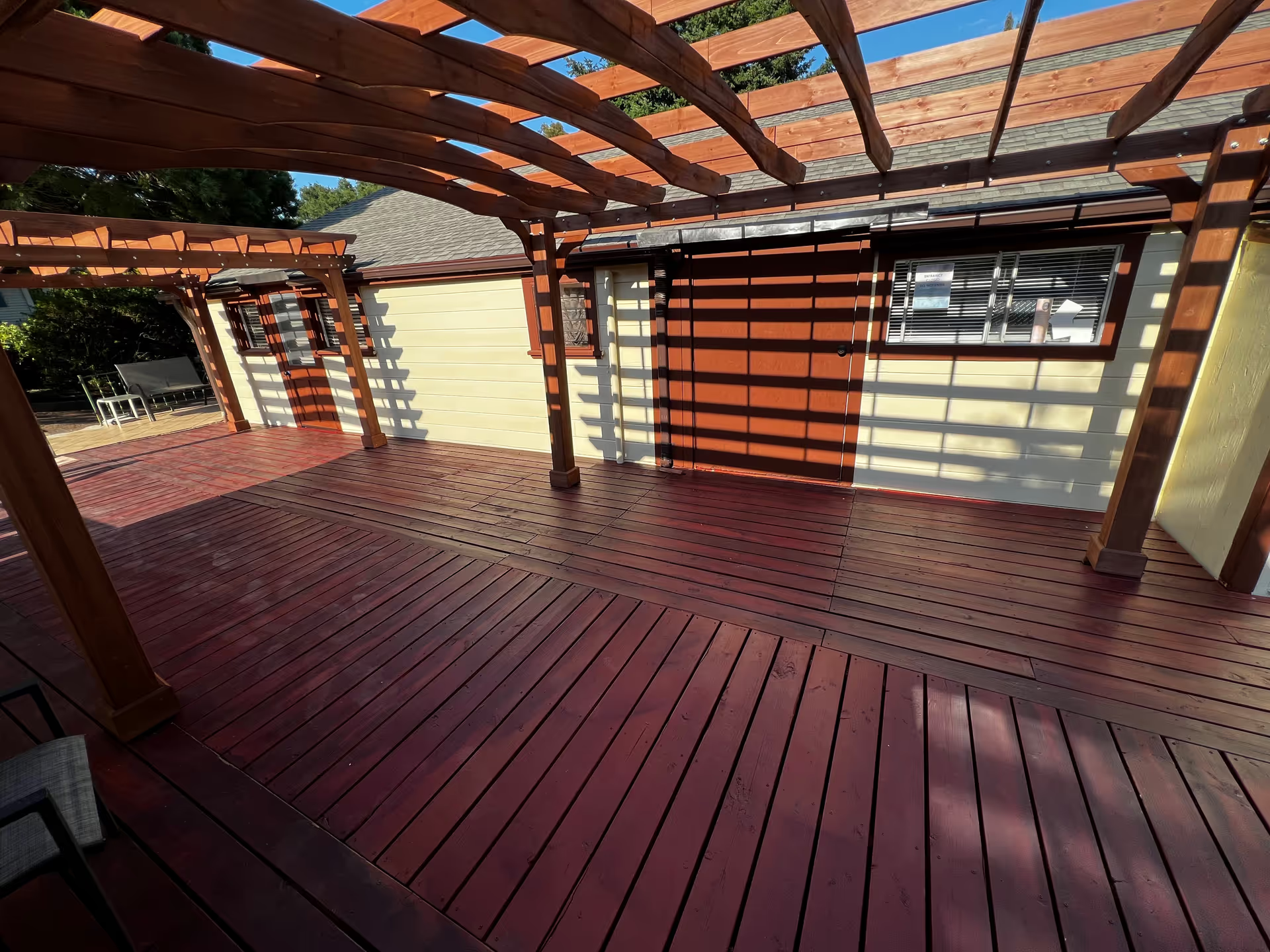
Dining, activities, and daily life: The facility offers a variety of daily activities (yoga, outings, beauty salon, faith groups) and organized transportation for off‑site events; outings generally require advance coordination. Dining is medically tailored and often accommodating to dietary restrictions; reviewers’ views on food quality vary, with praise for variety and accommodating service alongside occasional comments about limited seasoning or mixed taste satisfaction. Common areas, gardens, and bright rooms contribute to a peaceful, restorative atmosphere, and the single‑story layout, ample parking, and secure entry are convenient for visitors.
Facilities and operations: The campus is described as attractive, orderly, and well kept, with spacious, light‑filled rooms and en‑suite bathrooms in shared rooms. Administrative features — secure sign‑in kiosks, front‑desk hospitality, and organized admission processes — are frequently cited as positives, though there are also mentions of admission wait times, room‑assignment confusion, and intermittent administrative coordination issues. Language and communication access appear variable; families expecting limited‑English or other language supports should inquire specifically about those services.
Notable patterns and guidance for families: Ka Punawai Ola suits families seeking strong rehabilitation services, a clean and welcoming physical environment, and hands‑on nursing and therapy teams that take a patient‑centered approach. The most consistent operational caveats to evaluate in person are evening staffing levels and after‑hours visitor access, the facility’s current communication/callback procedures, meal preferences, and policies for spontaneous outings. Asking targeted questions about evening nurse-to-resident ratios, the process for urgent after‑hours concerns, dining menus, and language support will help determine whether the facility’s strengths align with an individual resident’s needs.