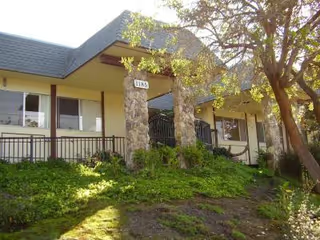
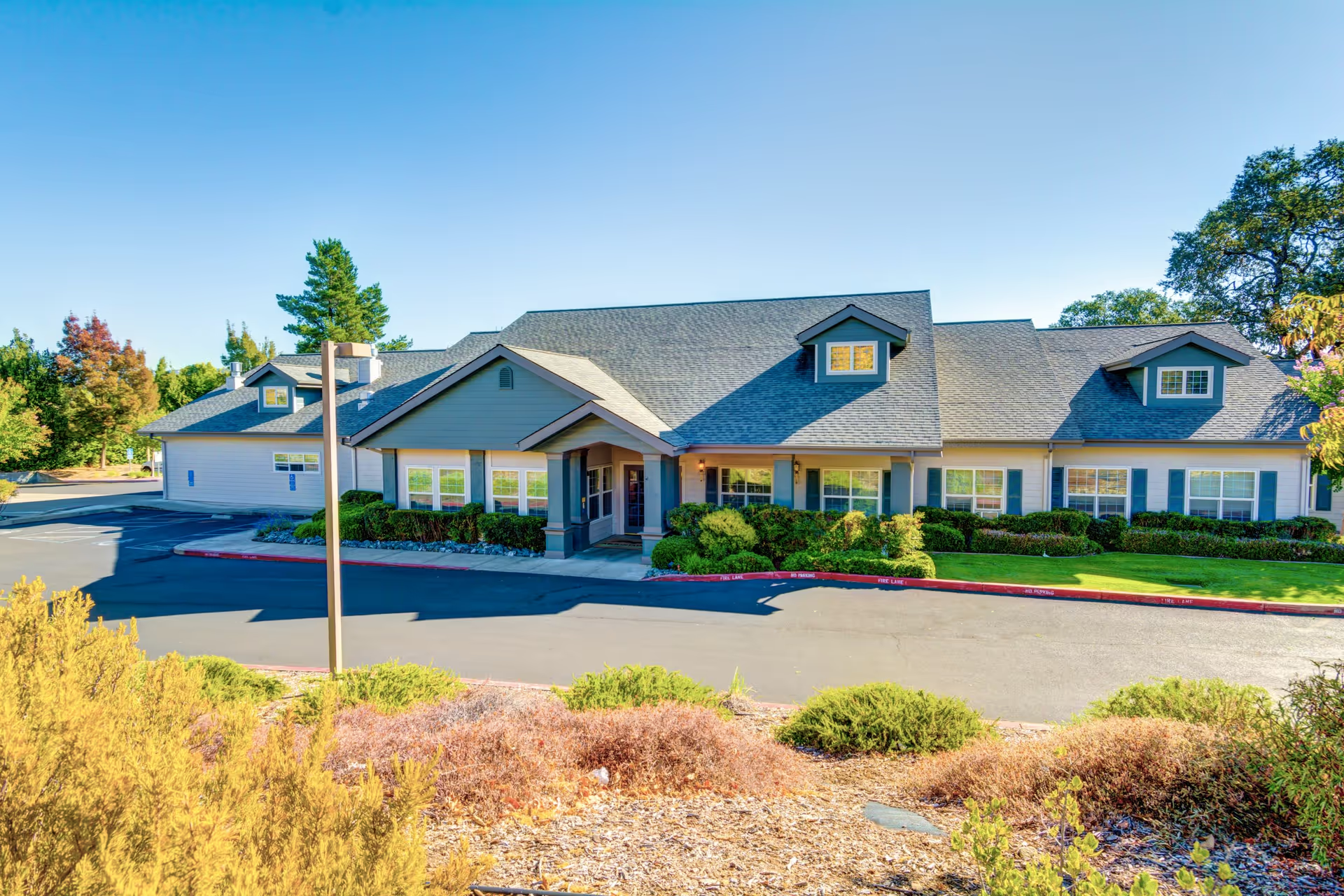
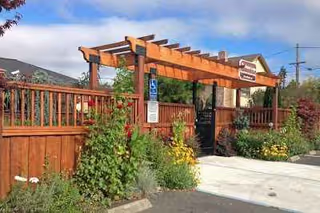
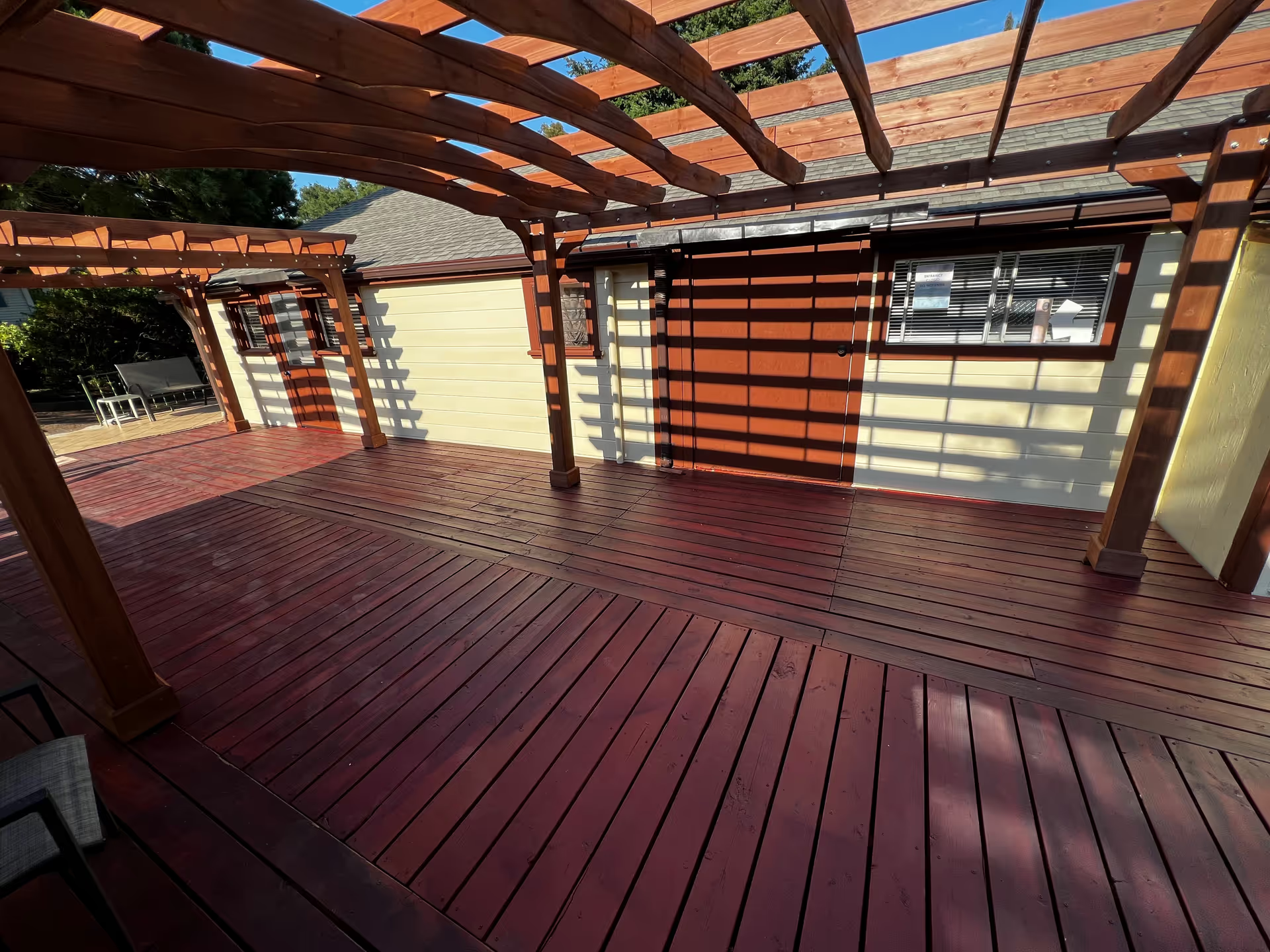
The Plaza at Pearl City presents as a recently built, well-maintained senior living community with many of the facility-level features families seek: modern finishes, clean common areas, and a range of on-site amenities including a gym, therapy/exercise space, salon, library, computer room, and multiple multipurpose rooms. Reviewers frequently highlighted courteous and informative staff during tours and interactions, and the property’s convenient location near shopping and restaurants is a commonly noted convenience. Architectural features include outdoor courtyard seating and wheelchair-accessible elements, and the community offers scheduled activities and beverage/dining options with multiple dining rooms on site.
Care quality and staffing impressions are mixed. Many accounts describe staff as professional, friendly, and helpful, which supports positive day-to-day experiences for residents. However, there are substantive concerns specific to the memory-care unit: patterns indicating weaknesses in supervision, fall prevention, and clinical-incident response have been raised, including emergency medical visits following falls. These concerns align with family anxiety about safety on higher-acuity units and suggest the need for clearer clinical protocols, staffing levels, or training targeted to residents with dementia or Alzheimer’s disease.
Dining and activities are available but have operational limitations. The community operates multiple dining rooms and provides beverages around the clock, yet several reviewers described dining and common areas as small or tight, which can limit capacity and communal dining experiences. Activity programming and amenity use are in evidence—bingo, concerts, pool table, and exercise classes are mentioned—but perceptions of activity variety and frequency are inconsistent; some families found offerings adequate, while others would like more or different programming, particularly on memory-care levels.
Facility layout and management patterns are notable. The building’s new construction and cleanliness are strengths, but unit sizes vary and some room types are described as compact; furniture may not be provided with all units, which is a practical consideration for move-in planning. Parking is limited, with reliance on street parking noted, and certain circulation areas were described as tight for wheelchair maneuvering. Financially, the community is positioned at a higher price point and does not accept Medicaid, producing financial stress for some families and limiting payment flexibility. Finally, while the site has security and access controls, a serious elopement-related outcome raised concerns about the consistency of security procedures and incident response; this indicates a potential area for management review and corrective action.
Overall, the Plaza at Pearl City appears to offer many of the physical and service amenities expected in a modern senior living community, staffed by people who are generally perceived as courteous and helpful. Prospective residents and families should weigh those strengths against the facility’s cost structure, unit sizing and furnishing policies, parking limitations, and the documented concerns about supervision and safety in the memory-care setting. A recommended next step for families would be an on-site tour that includes direct questions about staffing ratios on the memory-care floor, fall-prevention protocols, security/elopement procedures, parking logistics, and what is included with each unit at move-in.