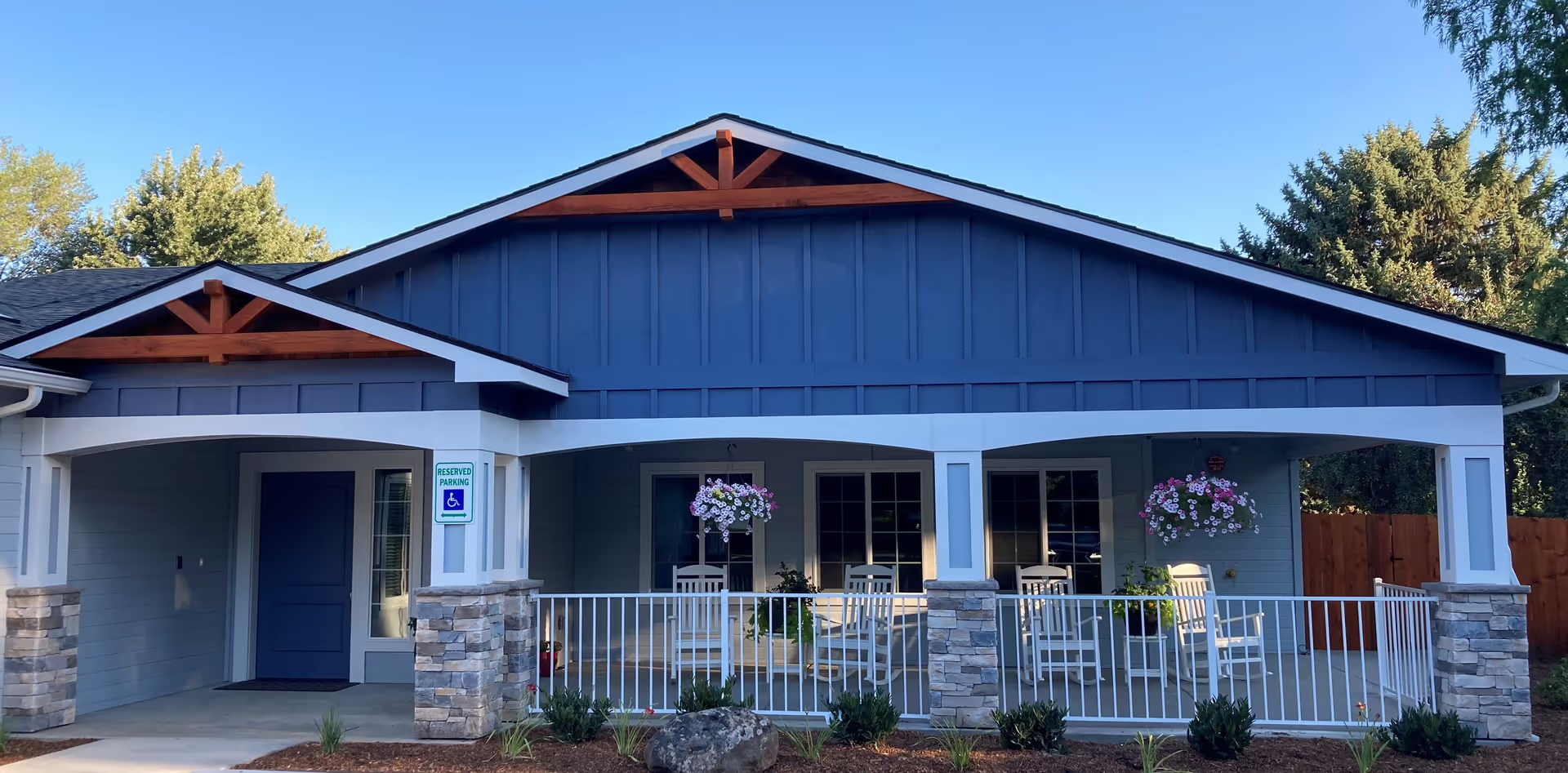
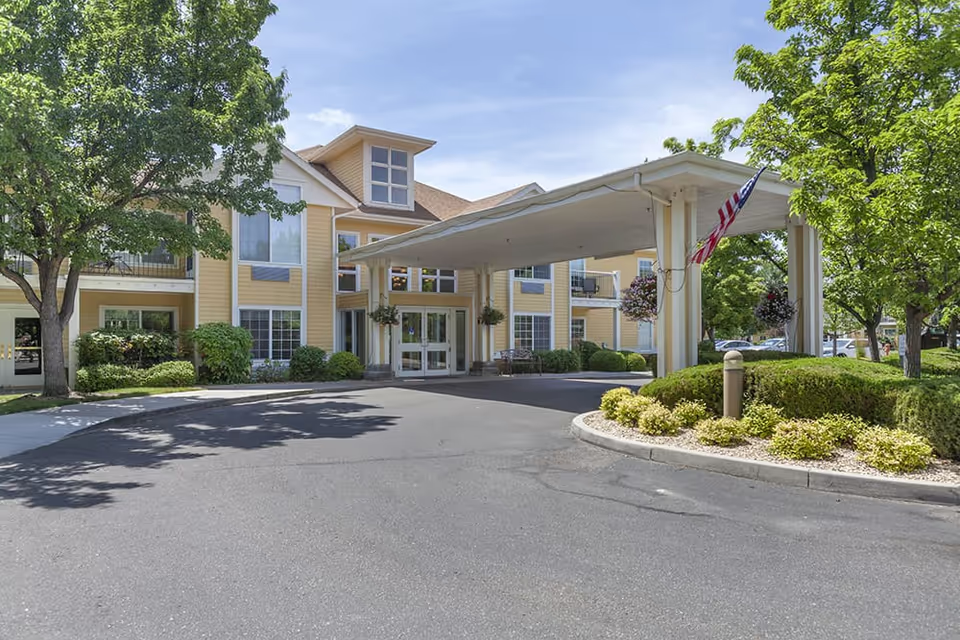
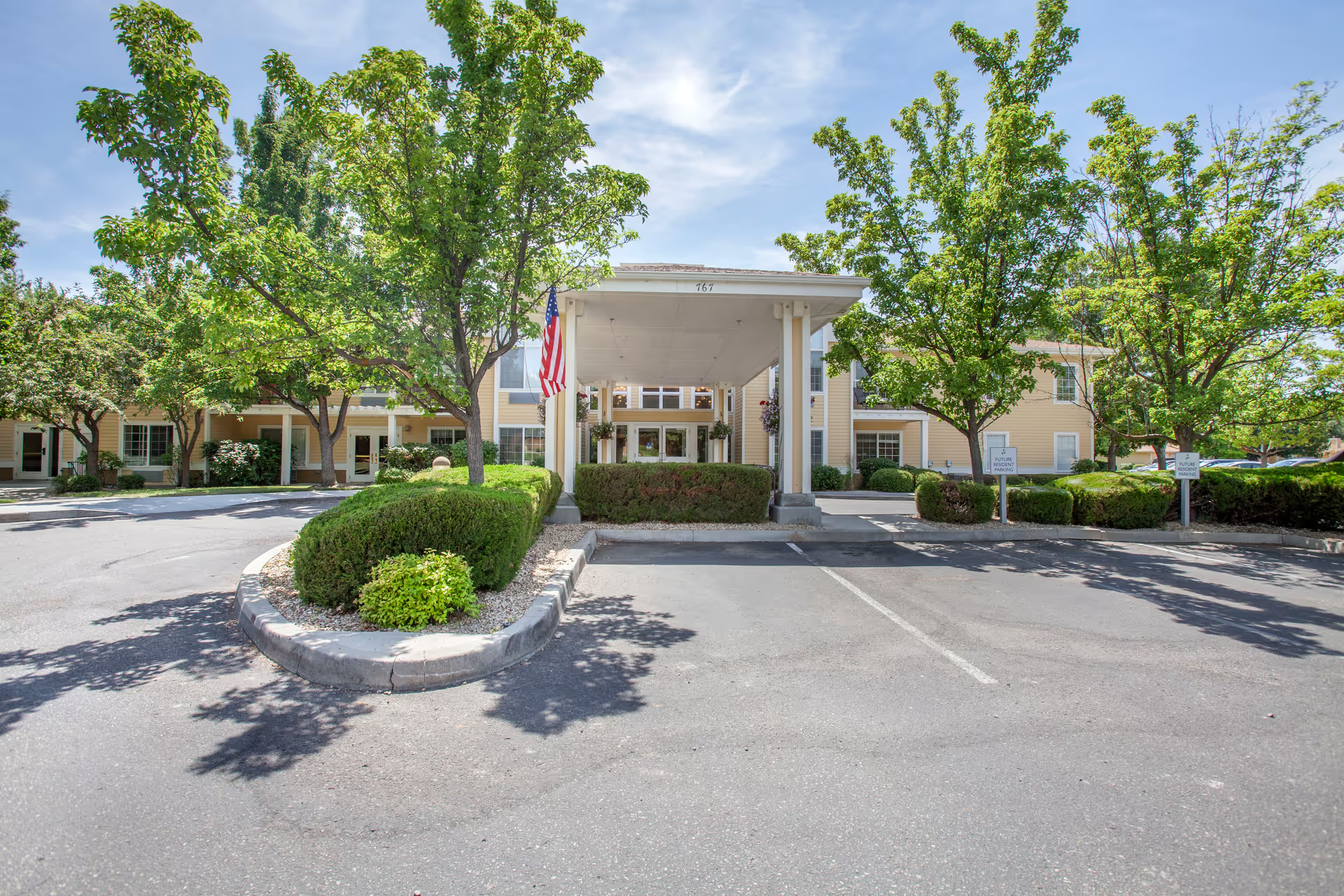
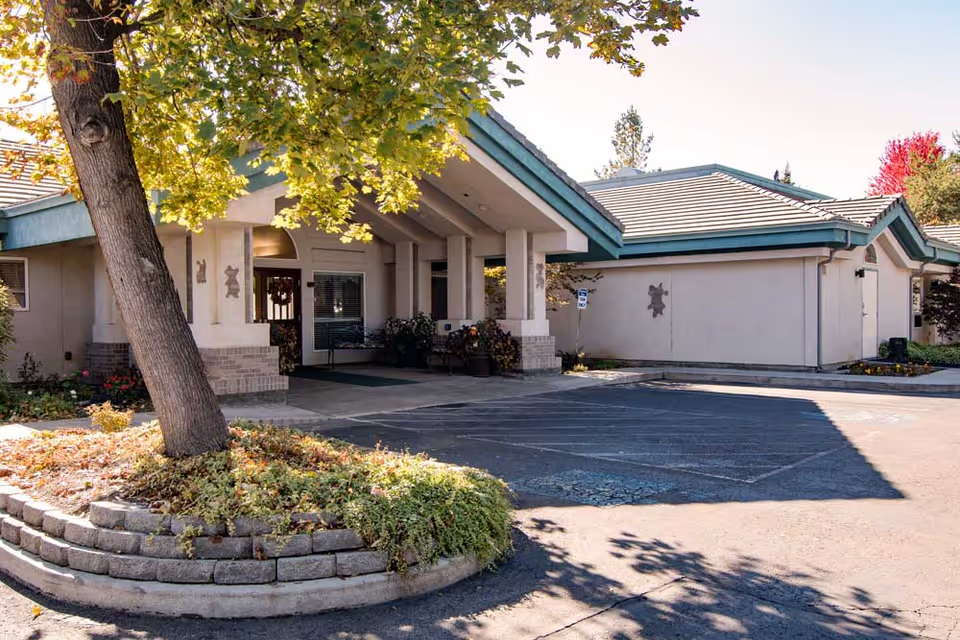
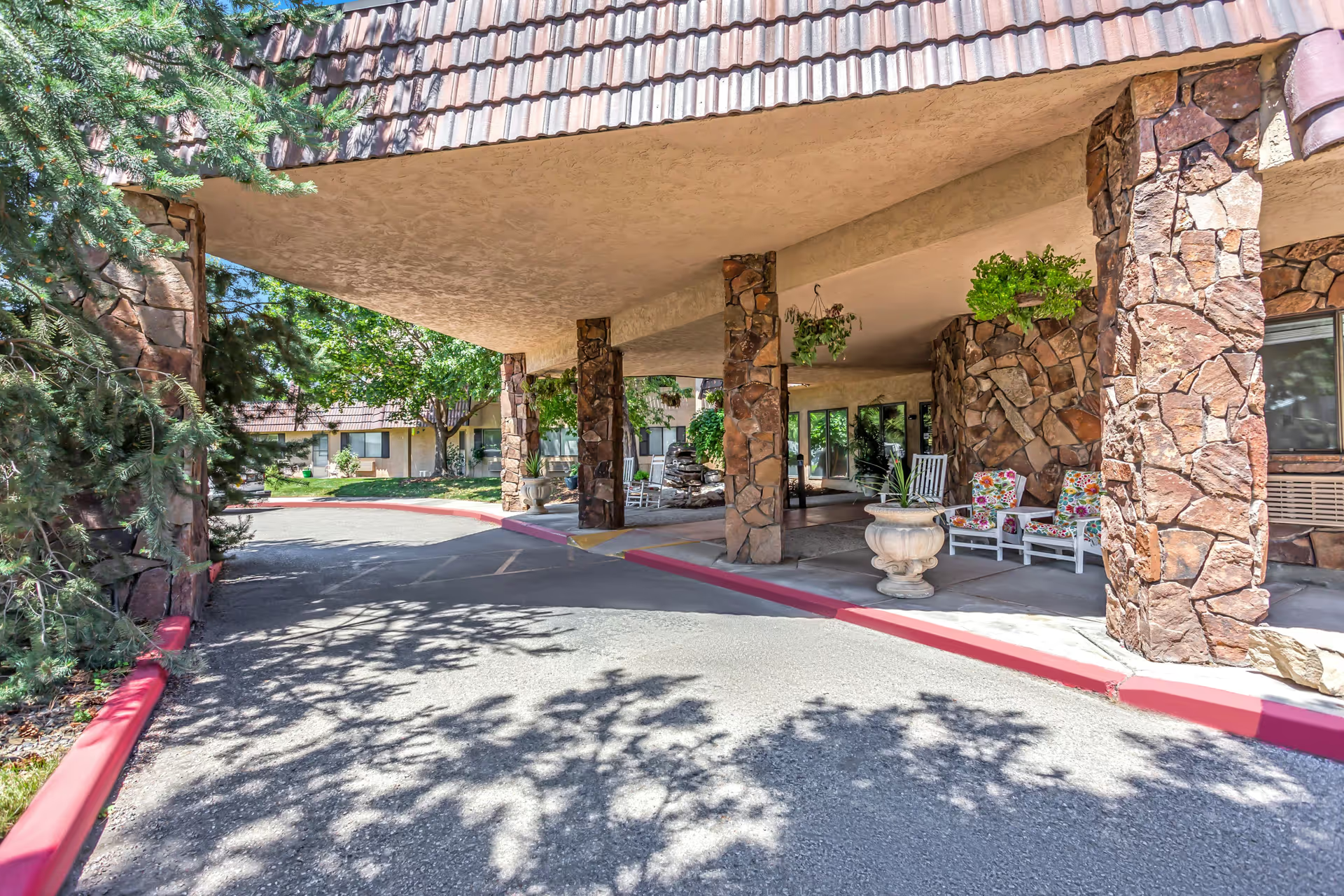
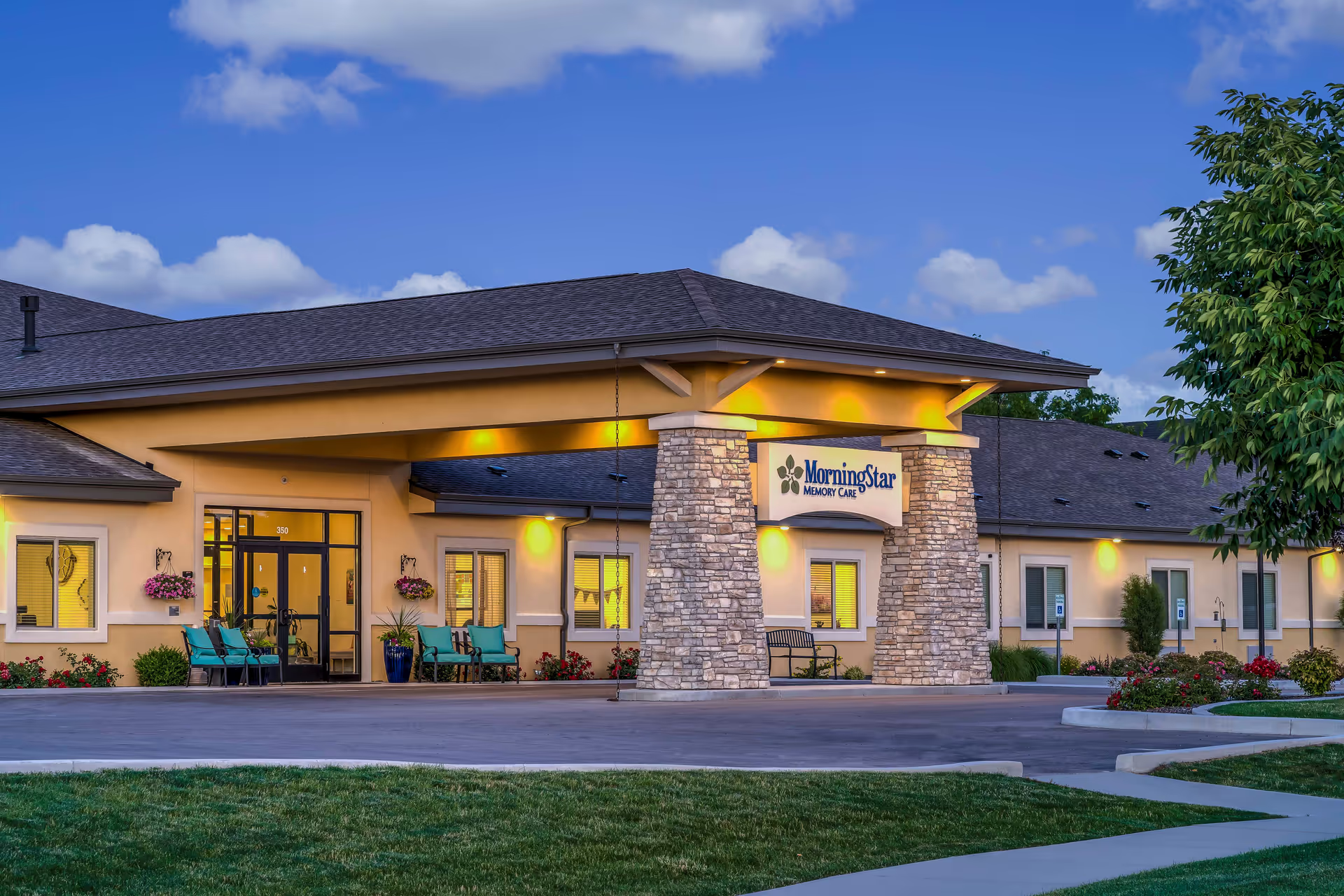
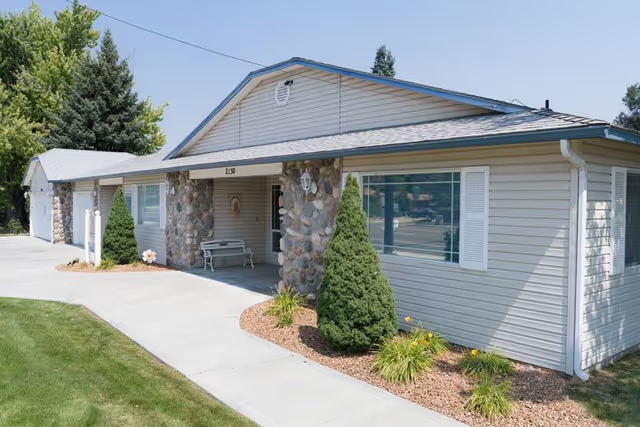
Overall impression: Reviewers portray Ashley Manor Memory Care as a small, well-kept memory-care home with consistently positive impressions of staff, cleanliness, and a homelike atmosphere. The facility's residential scale (review notes as few as 11 residents) appears to support personalized attention, warm staff–resident relationships, and an environment that families describe as tidy and tastefully furnished.
Care and clinical practices: Families frequently highlighted attentive caregiving, thoughtful executive leadership, and attention to medication handling. Examples include staff willingness to coordinate or visit a hospital for assessment and descriptions of thorough medication-management processes. These indicate organized clinical procedures and an orientation toward individualized resident needs.
Staff and management: Staff morale and culture are notable strengths. Reviews reference caring caregivers, a supportive administrator, and owners who are described as caring; a number of comments also indicate that staff enjoy working there, including family members employed at the home. Communication with families is characterized as open and prompt, which supports relational continuity in care.
Dining and nutrition: Meal service is frequently described positively — home-style, well-prepared, and pleasant in appearance and aroma. At the same time, reviewers noted limited visibility into meal choices or presentation during tours, suggesting that families may wish to request menus or a dining observation. The facility’s smaller size may allow for more individualized meal service, including in-room service on request.
Activities and resident engagement: A consistent limitation across comments is the narrowness of organized activities. Although the home has communal spaces (including two recreation rooms) and residents are described as happy, the structured activity program appears limited relative to what families might expect for memory-care stimulation. Prospective families should ask for a current activity schedule and examples of cognitive and social programming.
Safety and environment: The physical environment is described as clean, beautifully decorated, and homelike; rooms and common areas are noted as spacious and well maintained. However, reviewers raised security concerns related to exit/entry control and the extent of surveillance (desire for more cameras and notes that tenants are able to come and go). This suggests a need to clarify the facility’s protocols for monitoring resident movement, fall and elopement prevention, and surveillance policies during visits.
Notable patterns and recommendations: The strongest patterns are consistently positive staff engagement, cleanliness, and a homelike small-facility feel. The most actionable concerns are limited organized activities, occasional low staff visibility or thin staffing at certain times, and perceived gaps in exit security and surveillance. Prospective residents and families should tour with focused questions about daily staffing levels, activity schedules, dining options and menus, and the facility’s protocols for monitoring and securing residents with memory impairment. Overall, Ashley Manor appears to deliver compassionate, individualized care in a well-maintained residential setting, with recommended follow-up on programming and safety practices to confirm fit for specific memory-care needs.