Overall impression: Reviewers convey a generally positive view of the Idaho State Veterans Home Boise as a veteran-focused residence with many strengths in social support, volunteer engagement, and facility upkeep. Families and residents frequently described staff as compassionate and friendly, a strong social work program, and engaged nursing personnel who provide individualized attention. The facility’s alignment with veteran identity and holiday observances was noted as a meaningful feature for residents.
Care quality and clinical concerns: Clinical care is perceived as compassionate, with particular praise for social workers and individual nursing staff. At the same time, multiple comments raise concerns about medication-management practices: timing consistency, the need for individualized medication packaging or med-sets, and general process gaps that can affect reliability. These medication-process issues appear as an operational pattern rather than isolated praise-worthy events, and they merit review by clinical leadership.
Staffing and culture: Staff are commonly described as dedicated and caring, and volunteers are active and visible in daily life. However, reviewers also described instances of limited staff engagement and signs of low morale, which reviewers linked to compensation and workplace tone. This produces a mixed picture: many frontline caregivers are praised, while staffing demeanor and consistency can vary across shifts and units.
Dining and activities: Dining receives generally favorable comments about meal quality and service, though some residents find portions of the menu repetitive. The activities program shows strengths — frequent volunteers, craft kits, and regular services such as a weekly barber — but overall activity engagement and programming consistency are described as uneven and in need of improvement to better meet resident expectations for stimulation and social interaction.
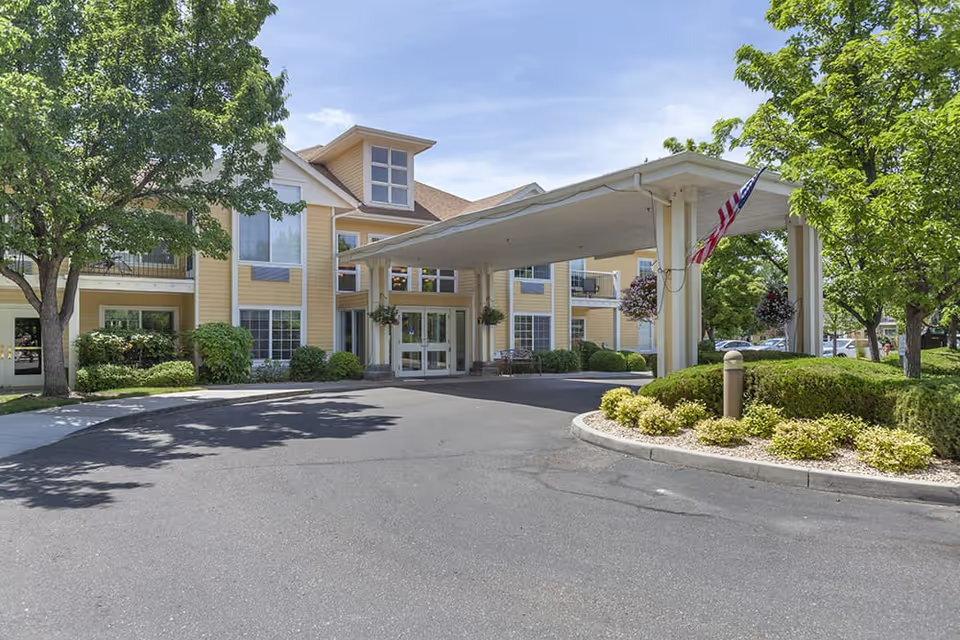
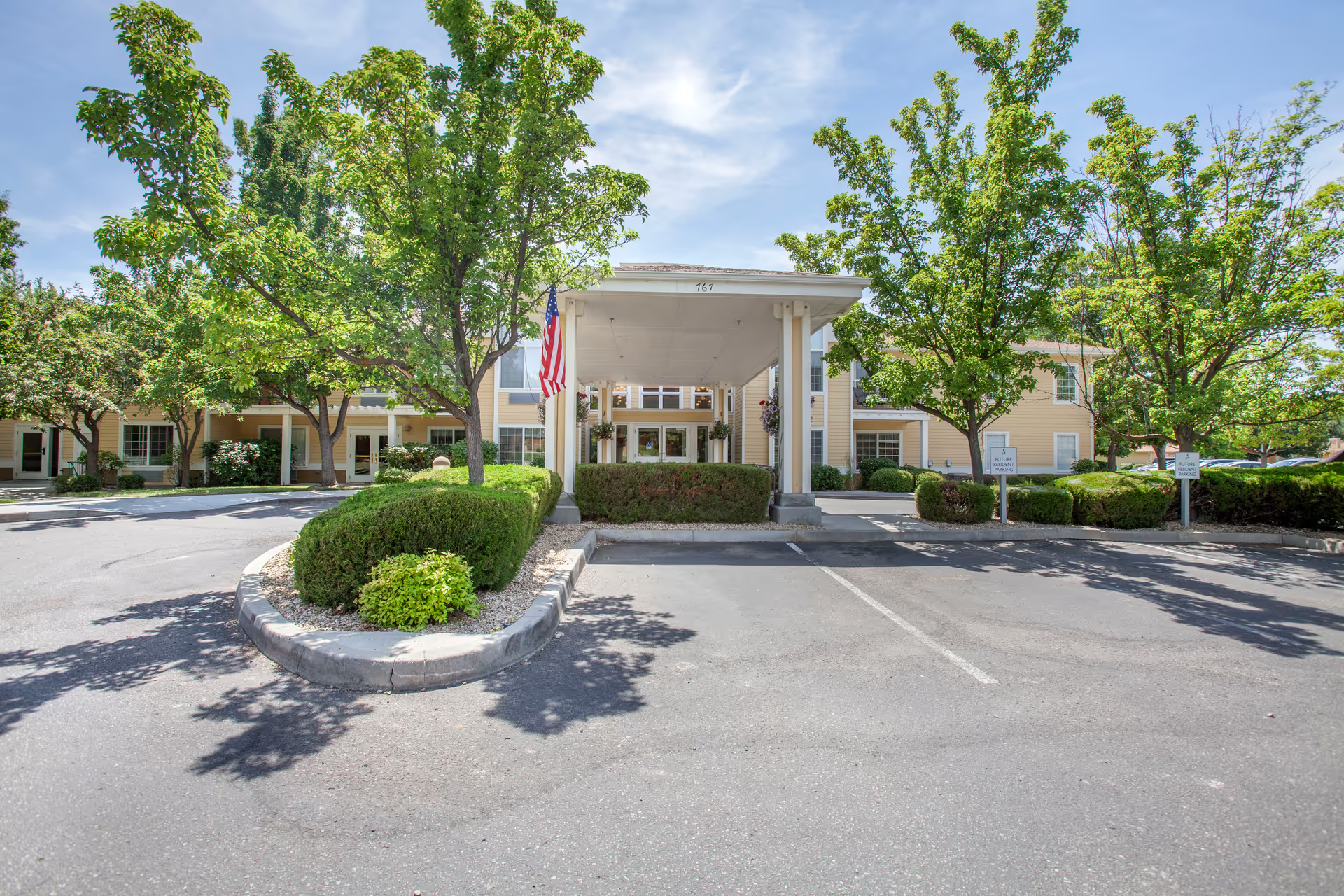
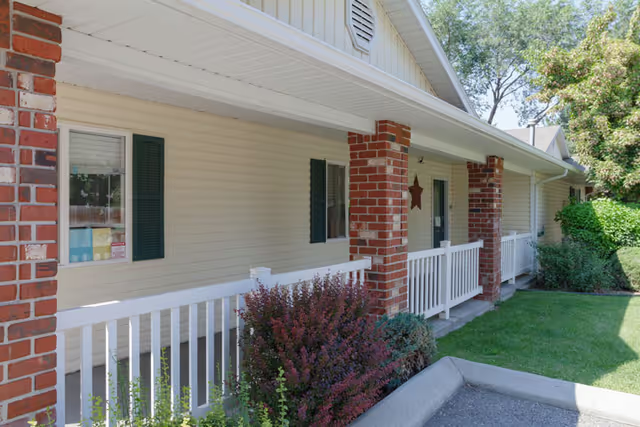
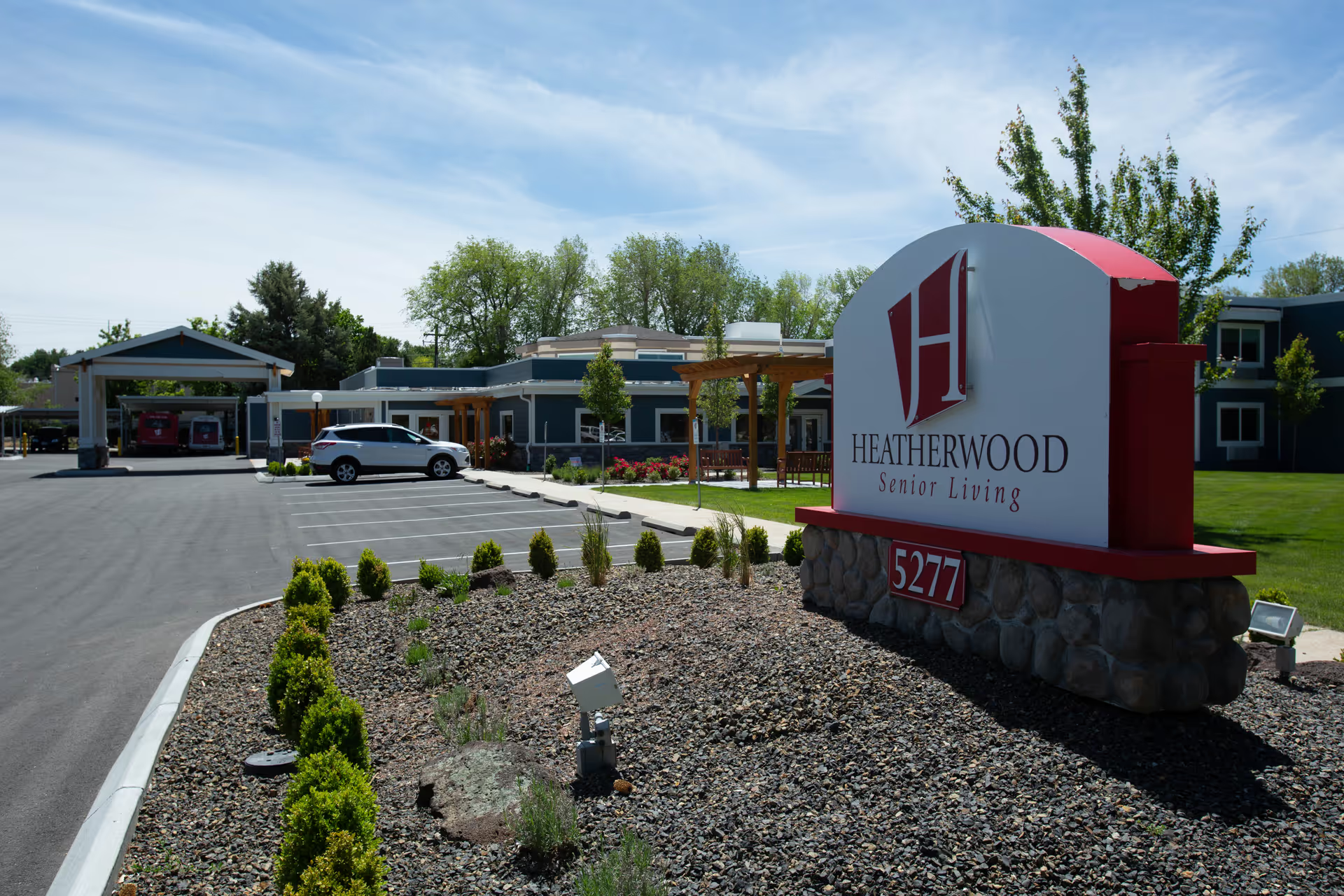
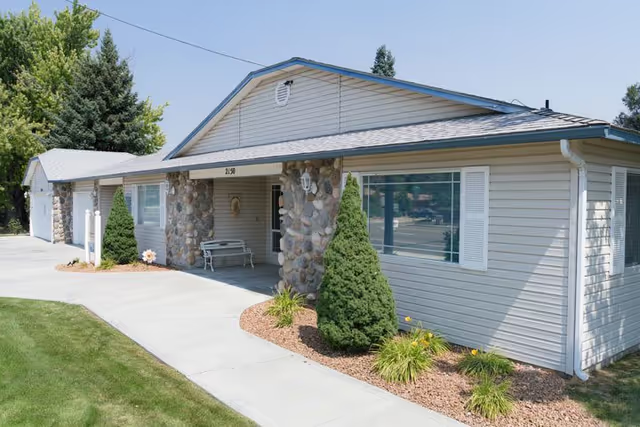
Facilities and environment: The building and common areas are often described as clean and well kept, contributing to a home-like atmosphere in many parts of the home. Reviewers also report variation in ambiance: some units feel warm and welcoming while others are described as subdued or uninviting. This unevenness suggests opportunities to standardize lighting, décor, and environmental upkeep across all units.
Management and access: Reviewers note a perception that leadership places emphasis on public image, and some families described restricted access or limited visitation flexibility. The facility’s placement near a hospital campus is a contextual factor referenced by reviewers; it can imply proximity to clinical resources but also a more institutional setting. The monthly cost of care is frequently characterized as high relative to expectations, which increases the importance of clarity about services and operational reliability from management.
Notable patterns and recommendations: Strengths cluster around veteran-centered culture, social work support, volunteer activity, and general cleanliness. Recurring operational issues include medication-management consistency, activity-program engagement, visitation flexibility, and staff morale/compensation. Prospective residents and families should weigh the facility’s strong social supports and volunteer network against those operational concerns; asking targeted questions about medication protocols, activity schedules, visitation policies, and staff turnover during an in-person tour would help clarify fit and expectations.