Skyline Transitional Care Center receives substantial praise for its direct-care and therapy teams. Reviewers commonly describe nursing and therapy staff as compassionate, attentive, and willing to provide extra time when needed; many families cited successful rehabilitation outcomes and the availability of physical, occupational, and speech therapy, sometimes even on holidays. The facility’s approach to admissions and transitions is frequently described as organized and supportive, with specific staff and managers named for proactive guidance. Social programming and activities are highlighted as strengths that help residents form friendships and stay engaged.
Clinical and care trends are generally positive but uneven. The therapy suite, rehabilitation programming, and coordination between rehab and long-term care patients are strengths that contribute to measurable recovery for some residents. At the same time, reviewers describe variability in day-to-day responsiveness and staffing levels; these operational inconsistencies have been associated with delays in assistance and perceptions of rushed care. There are also described concerns about infection-prevention and incontinence-care processes, and several comments point to problems with laundry and clothing management that affect resident comfort and dignity.
Dining and activities present a mixed picture. Some residents and families report good food and meaningful engagement through a broad activities calendar; others note inconsistent meal quality. Activities and social opportunities are a consistent positive and are credited with improving residents’ mood and social connections, but dining service appears to vary by day or unit.
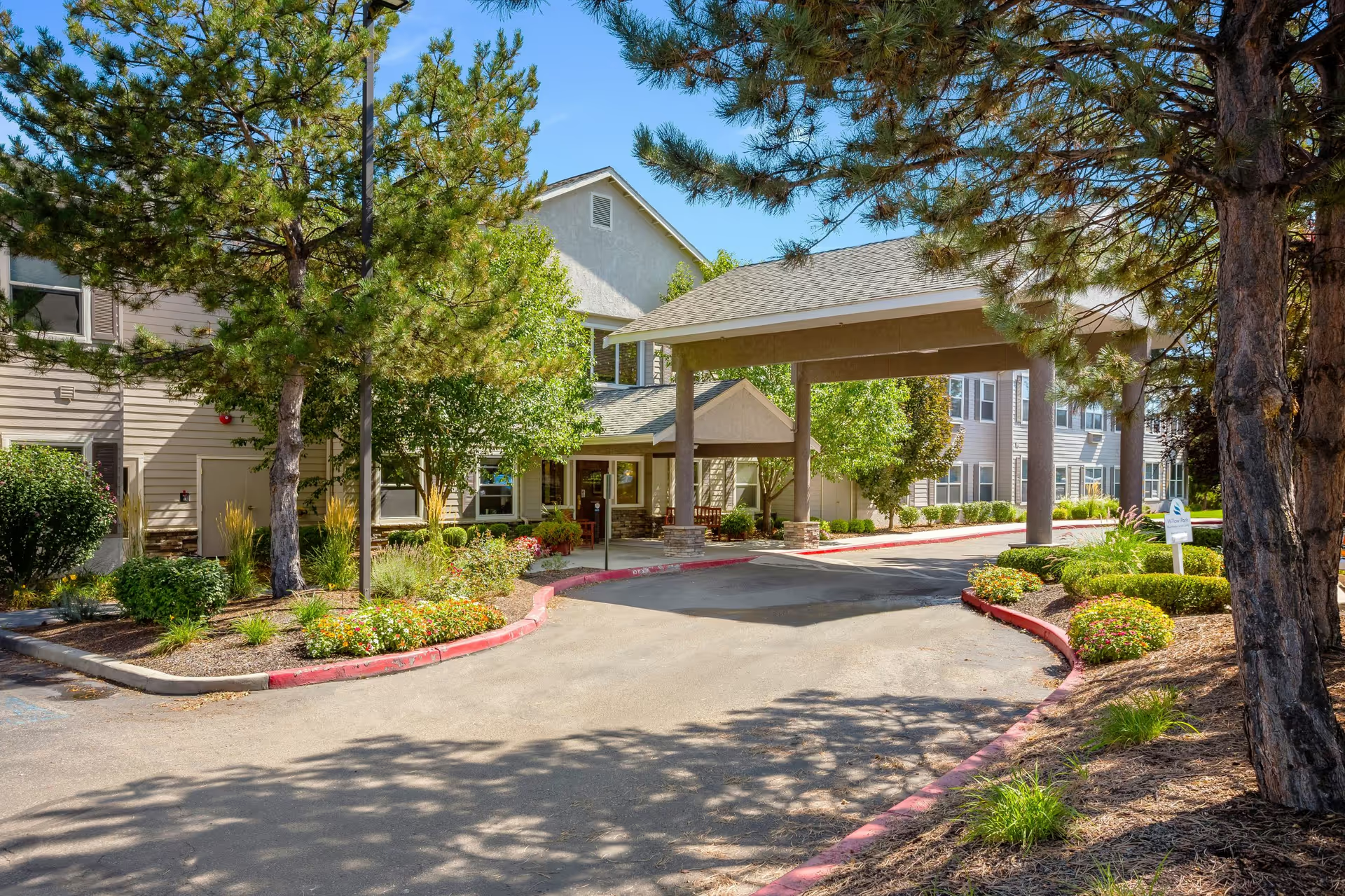
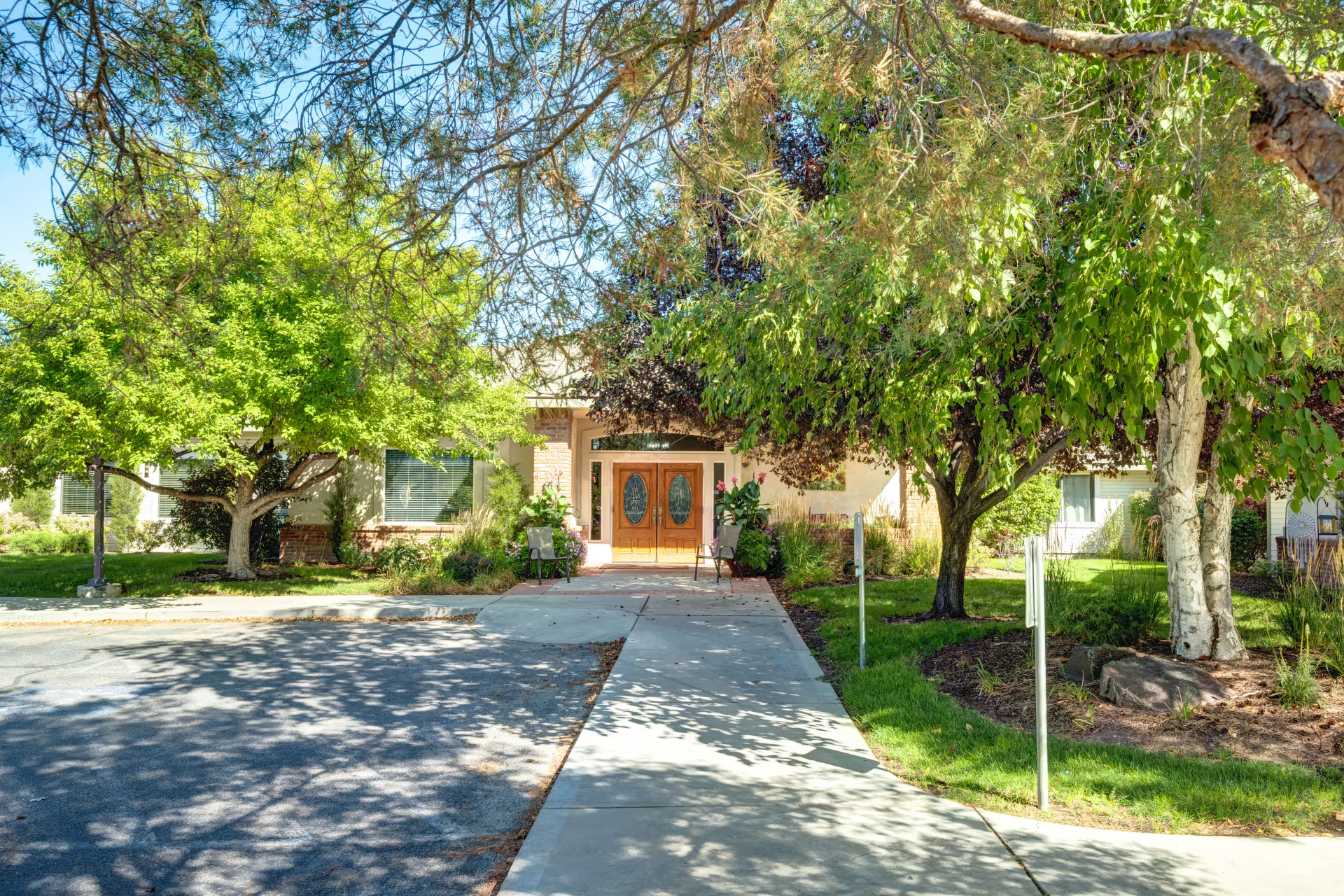
The physical plant is a work in progress. Many reviewers praised renovated rooms and a modern therapy gym, and Phase 1 construction received positive feedback. However, ongoing construction has created noise and temporary relocations that can be disorienting—reviewers called out the impact of construction-related changes on residents with cognitive impairment. Cleanliness is generally framed positively for common areas, yet there are also reports of inconsistent room-level housekeeping.
Management and communication are another area of contrast. Several families praise clear, proactive communication and staff members who facilitate smooth transitions; named leaders received gratitude for their involvement. Conversely, other accounts cite unfulfilled promises, occasional poor tone or rudeness from staff, and gaps in scheduling or transportation coordination.
Overall, Skyline’s core strengths are its compassionate caregiving culture, robust rehabilitation services, and active social programming, alongside visible investment in facility upgrades. Prospective residents and families would benefit from an onsite visit that specifically reviews current construction timelines, staffing ratios for the intended unit, laundry and incontinence-care protocols, meal-scheduling practices, transportation arrangements, and detailed cost/insurance expectations to assess how the facility’s positive clinical and social attributes align with their priorities.