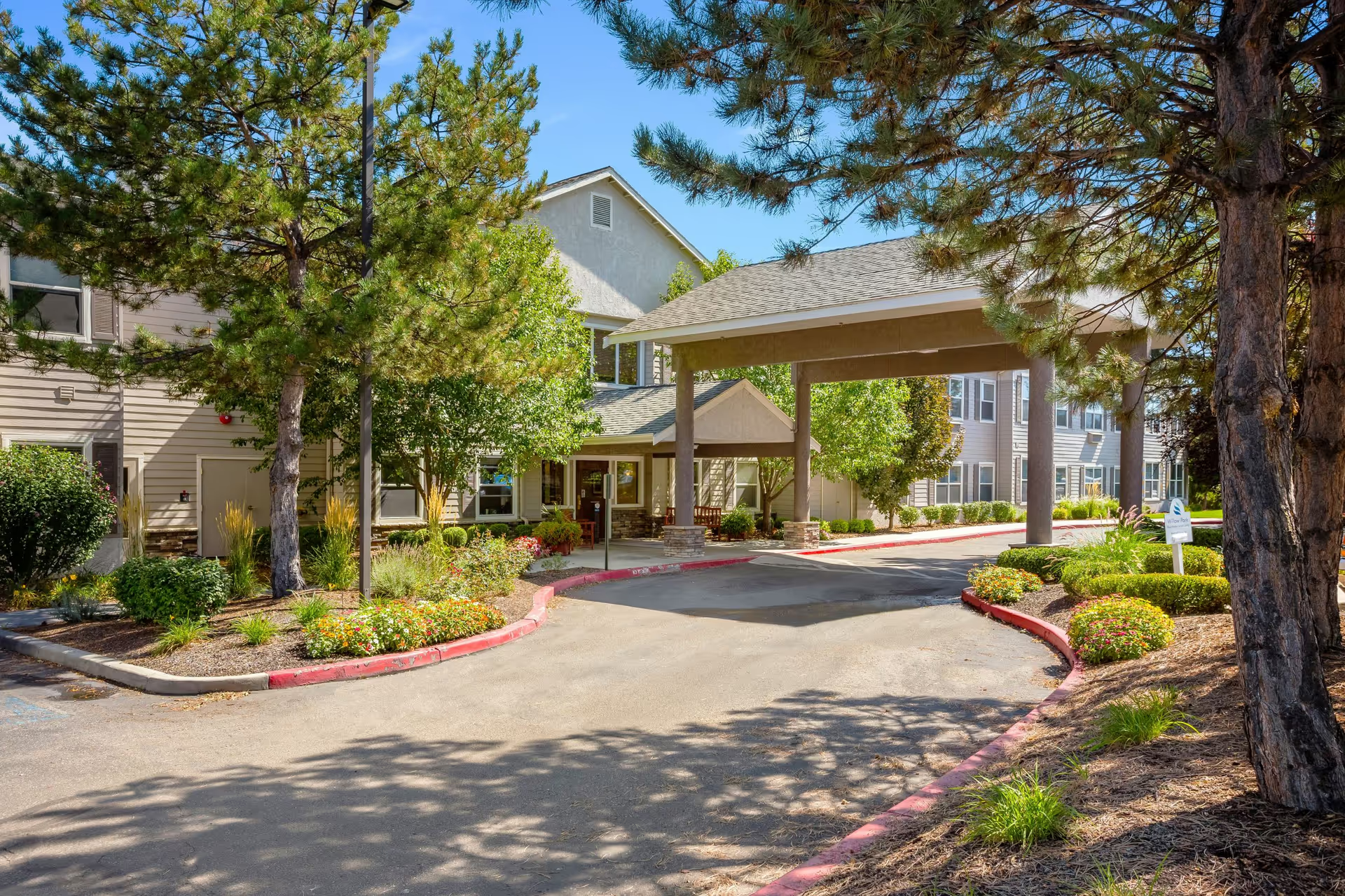
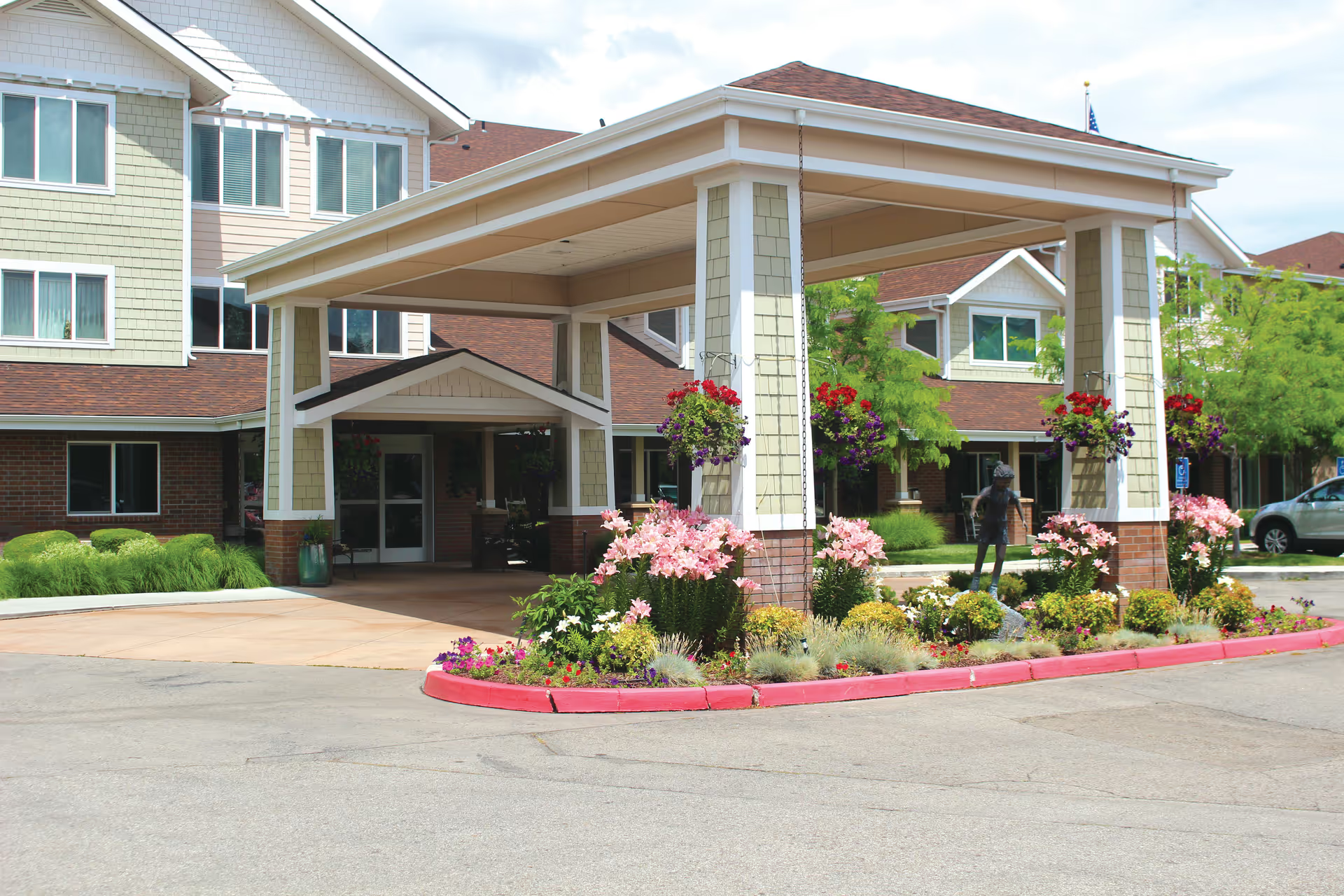
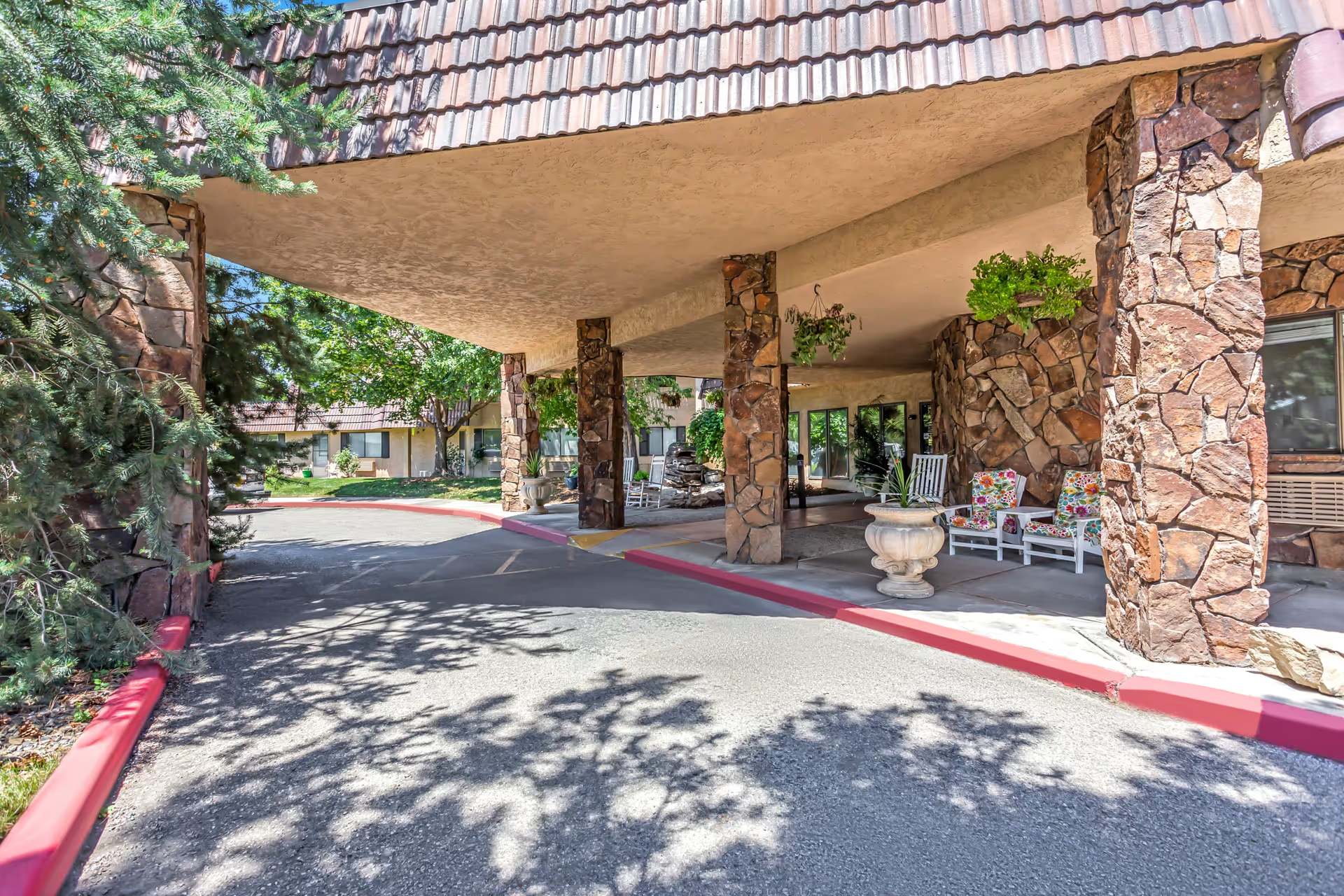
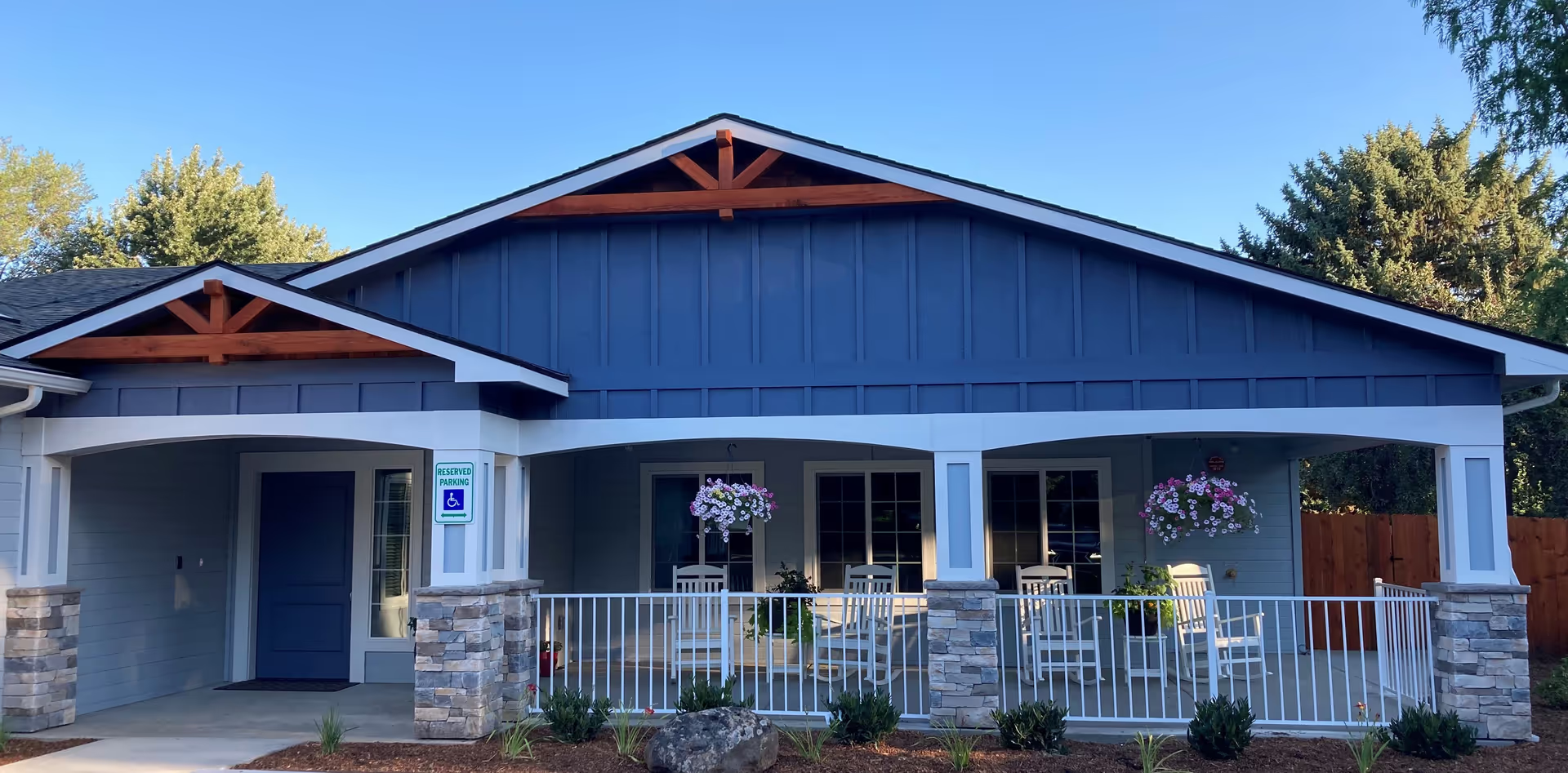
Overall impression: Emerson House at Riverpointe receives frequent praise for its caregiving culture, leadership accessibility, and physical environment. Families and visitors commonly describe caring, engaged staff and executive directors who respond to concerns; the facility’s design, cleanliness, and outdoor courtyards are consistently noted as strengths. The community has a distinct memory-care focus and several reviewers highlighted staff knowledge of dementia care and availability of family-focused resources.
Care and staff: Care quality is often characterized as compassionate and individualized, with many positive anecdotes about staff attentiveness, two-person transfers when needed, and staff who introduce themselves and build rapport. The memory-care team is frequently identified as knowledgeable and proactive. However, a recurring operational concern is inconsistent staffing and variability among frontline caregivers. Reviewers described days with adequate coverage and other shifts with gaps, which has translated into concerns about responsiveness, hydration management, and assistance with medical appointments for some families. Training consistency and predictable staffing ratios appear to be areas to clarify during a tour.
Dining: The dining program has both strengths and weaknesses. Positive comments include diabetic-friendly options, a clean dining room with a pleasant atmosphere, and accommodating meal service for special events. Counterbalancing those, reviewers raised issues about inconsistent meal quality, discrepancies between posted menus and what is actually served, occasional shortages of utensils or dining supplies, and a perceived decline in food quality after COVID-era changes. Prospective families should inquire about current menu practices, staffing in the dining room, and how menu deviations are handled.
Activities: Activities are a pronounced strength of the community, with examples including exercise classes, arts and crafts, Bible study, storytime, social coffee time, large common-area TVs, and monthly Alzheimer’s support meetings. Several reviewers noted that the program was strongest before COVID and that activity continuity or resident engagement has been uneven more recently. Participation is described as flexible, allowing residents to choose levels of involvement, but families concerned about social engagement should ask for an up-to-date activity calendar and observe participation during a visit.
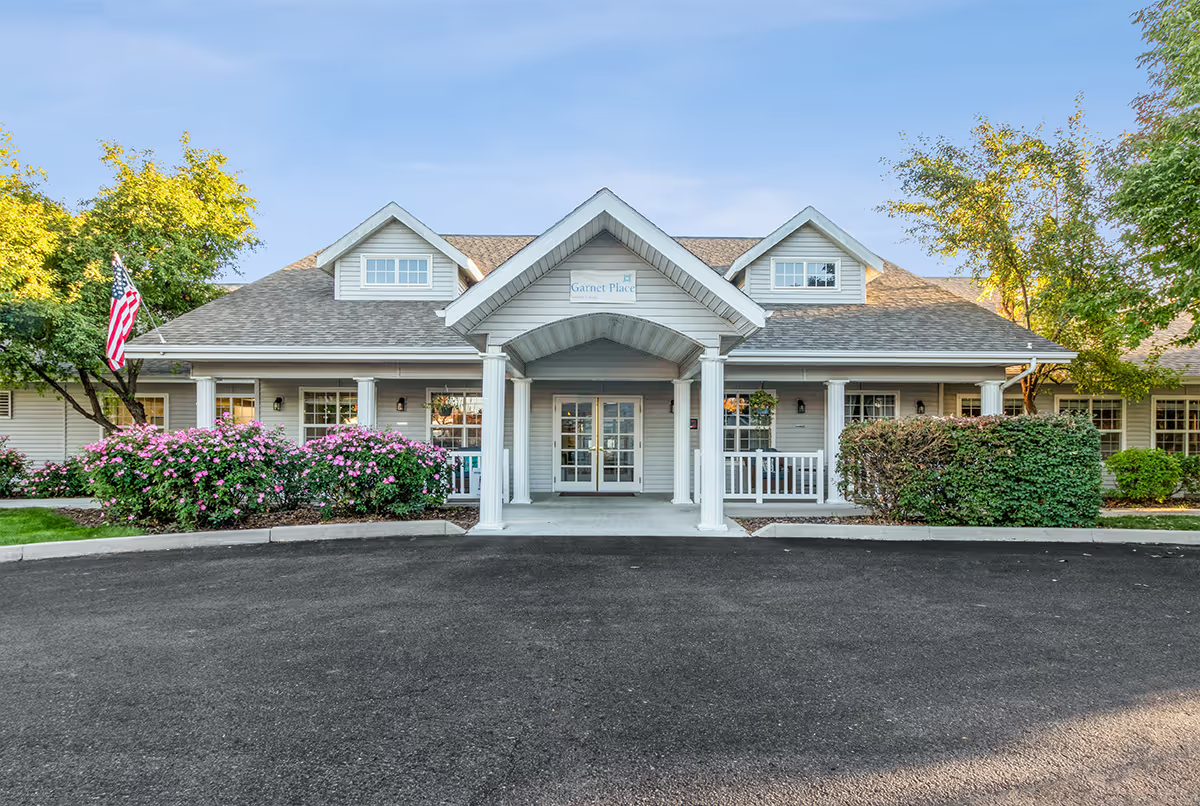
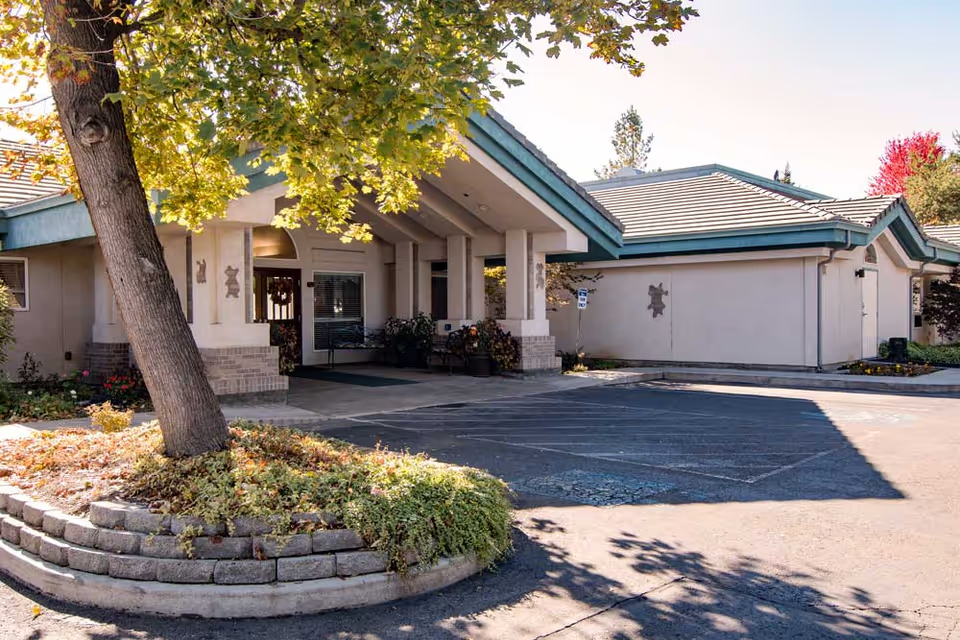
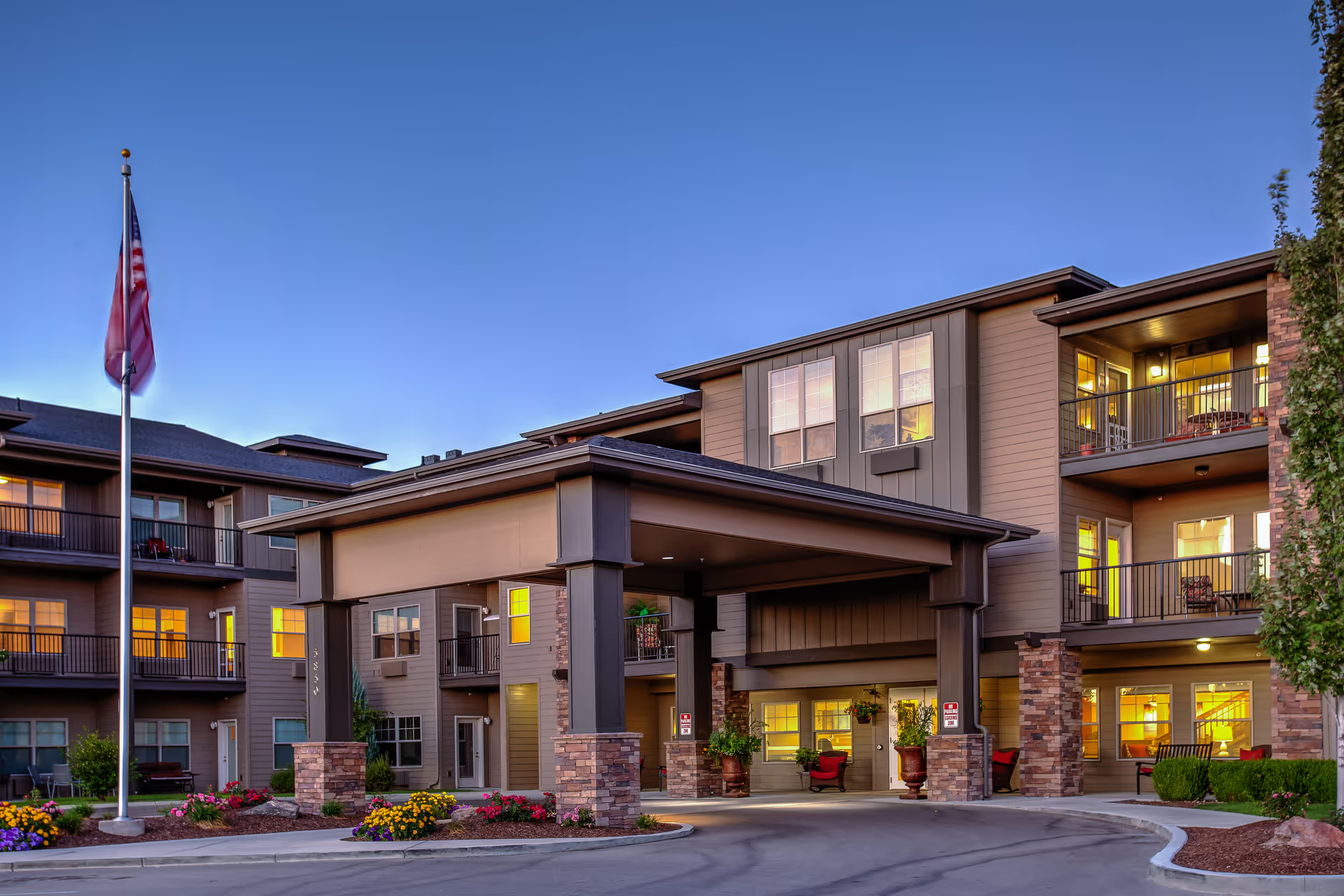
Facilities and safety: The physical plant is generally described as clean, modern, and well laid-out, with comfortable common areas and pleasant outdoor spaces. A minority commented that parts of the memory-care environment can feel dim or depressing, which may be an intentional design choice for some residents but could affect perceived liveliness. There are operational concerns about personal-property controls: missing glasses and other items have been noted, suggesting a need to review inventory and security practices for residents’ belongings.
Management and communications: Executive leadership receives substantial positive mention for accessibility and follow-through, and several families reported quick resolution when leadership was engaged. At the same time, other reviewers described inconsistencies in management professionalism and communication systems — examples include unclear emergency notifications, limited help coordinating appointments, and dissatisfaction with how COVID-related surcharges were allocated. These mixed impressions suggest variability in managerial performance over time or between shifts. Prospective families should ask about leadership continuity, communication protocols, how surcharge funds are used, and channels for raising and escalating concerns.
Notable patterns and guidance for families: Emerson House offers a strong, activity-rich environment with a clear memory-care focus, compassionate staff, and a well-maintained facility. The primary trade-offs to investigate further are staffing consistency, meal-service reliability, property-safeguarding procedures, and the facility’s approach to family communication and appointment support. When evaluating the community in person, consider asking for current staffing ratios by shift, examples of how the facility addresses missed care or property-loss incidents, recent changes to dining operations since COVID, and opportunities to observe activity participation and the memory-unit environment firsthand.