Overall impression: Parkwood Meadows projects a consistently warm, home-like environment with a strong emphasis on social connection. Many families describe a compassionate, family-style culture among caregivers and a robust calendar of activities that supports resident engagement. The facility’s smaller footprint and accessible layout are frequently cited as strengths that promote socialization and make the community easy to navigate for residents and visitors.
Care and staff: The dominant theme is attentive, relationship-based caregiving; staff are routinely described as caring, patient, and personally invested in residents’ well-being. This contributes to a family atmosphere and frequent positive comments about individualized attention. However, there is a concurrent pattern of concern about variability in staff professionalism and communication tone, along with reports of staffing shortages and higher turnover. These operational issues appear to drive intermittent delays in responsiveness and inconsistencies in day-to-day care delivery.
Clinical oversight and safety: Several comments highlight effective clinical support—some reviews specifically mention RN oversight and good coordination with Hospice and home-health providers. At the same time, there are important operational gaps to note: inconsistent on-site clinical presence at times, and concerns about medication-management processes, including end-of-life medication protocols. Families should ask about current clinical staffing levels, medication-administration policies, and emergency-response procedures during a tour.
Dining and housekeeping: Many families praise the home-cooked meals, snacks, and family-style dining; the activity of shared meals is a clear social asset. Contrasting feedback describes institutional-style or limited-menu meals, saltiness, and portion inconsistencies, indicating variable dining experiences. Housekeeping and sanitation receive generally positive remarks for common areas, but there are intermittent reports of inconsistent room-level housekeeping and laundry/property-management issues. Prospective residents should clarify housekeeping schedules and laundry procedures.
Activities and community life: The activity program is a standout feature—consistent, varied programming (bingo, crafts, church services, shopping trips, scenic drives, holiday parties) and regular family events foster a lively social environment. Some reviewers note occasional low-activity periods or a cooler communal atmosphere; these comments suggest resident engagement can vary by unit or time of day. The facility’s transportation for outings and external appointments is an appreciated operational capability.
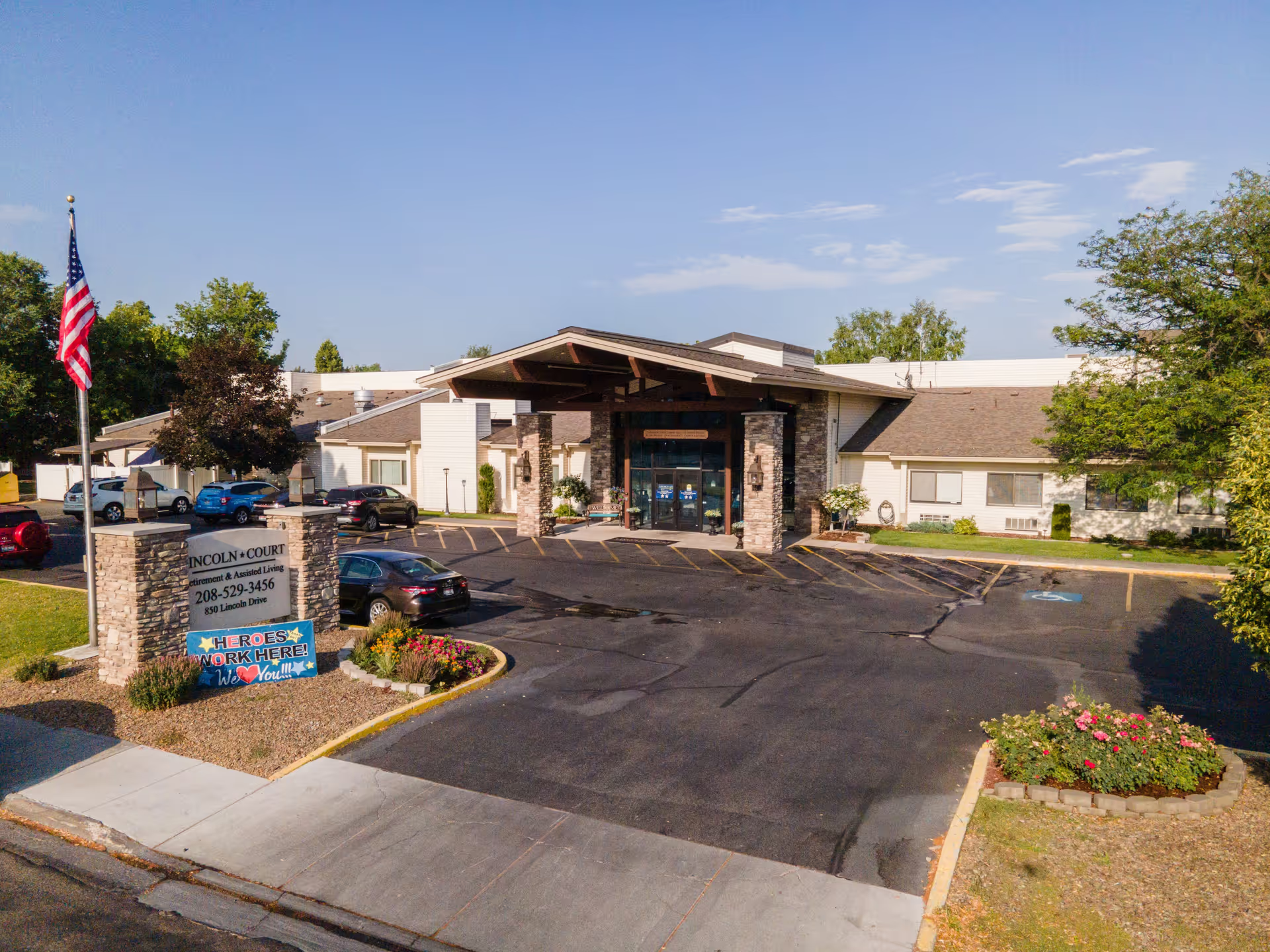
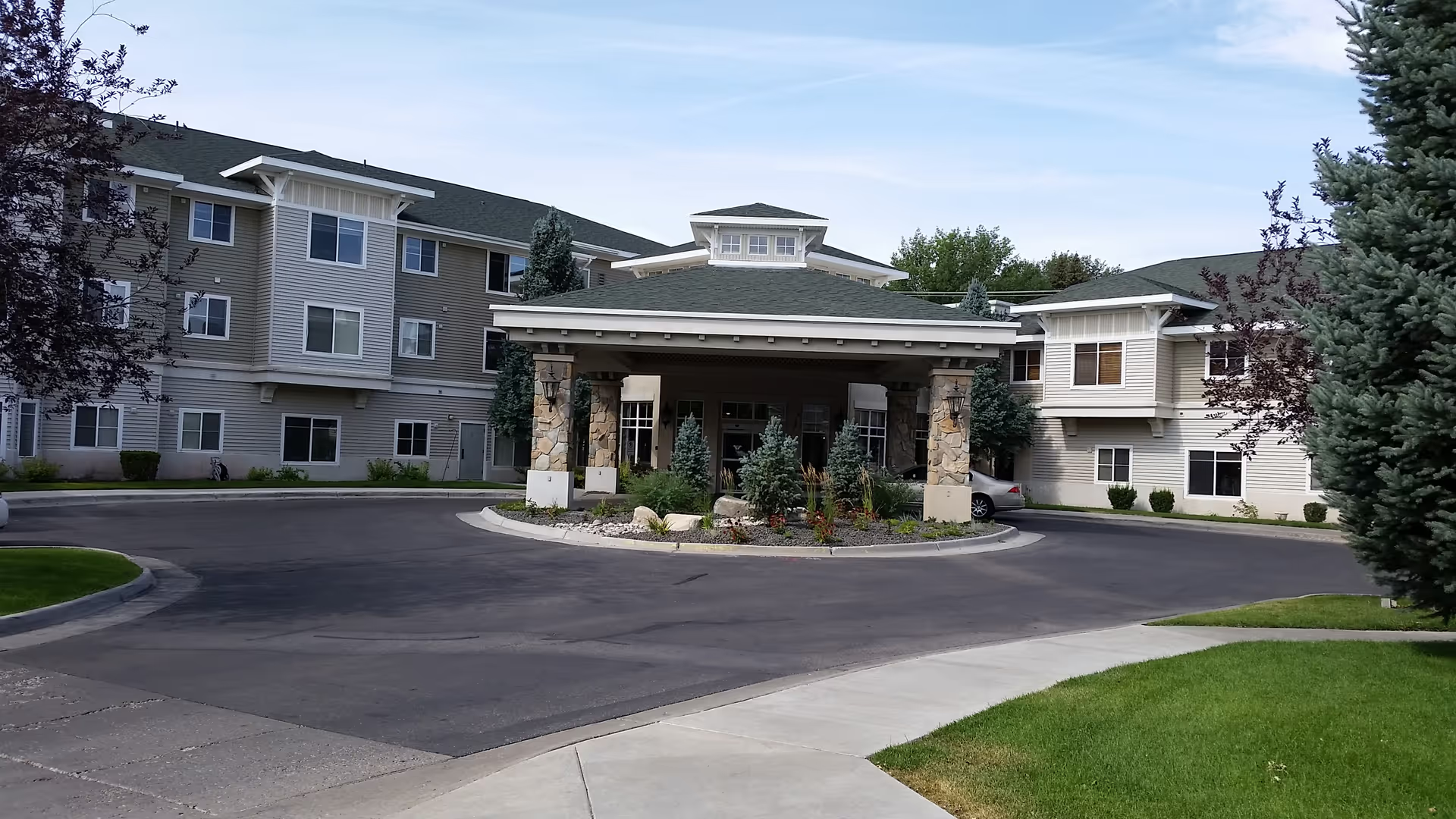
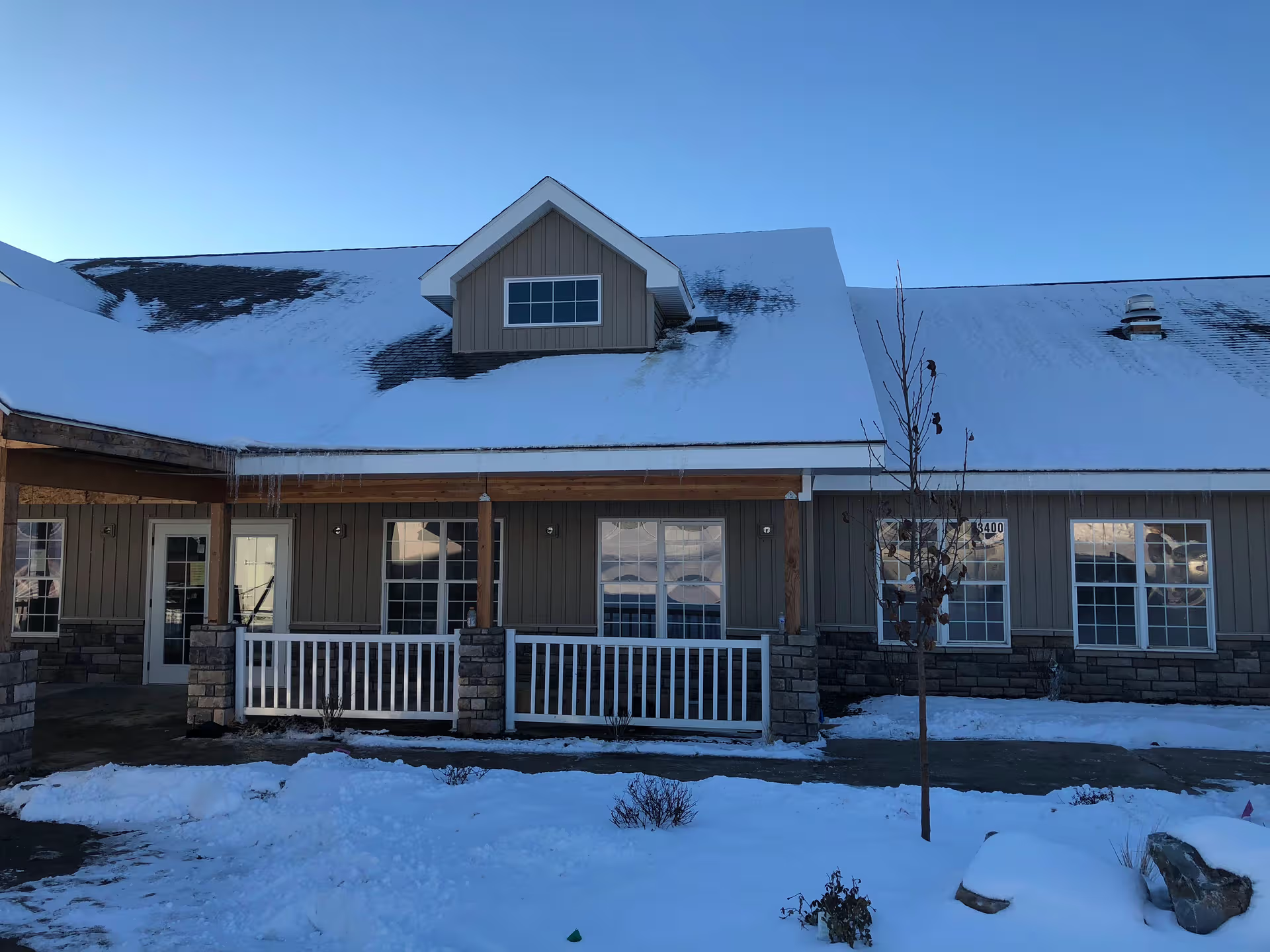
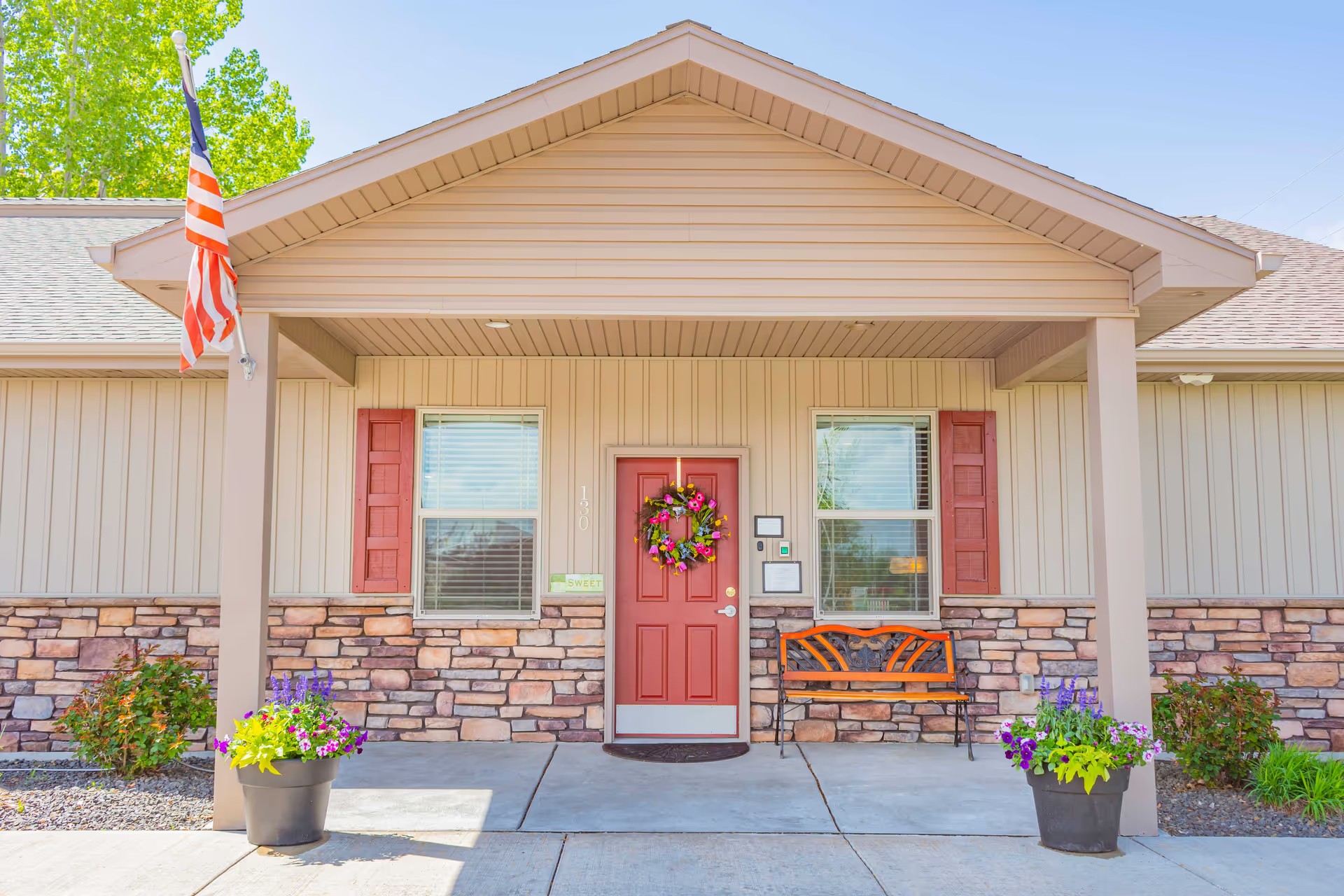
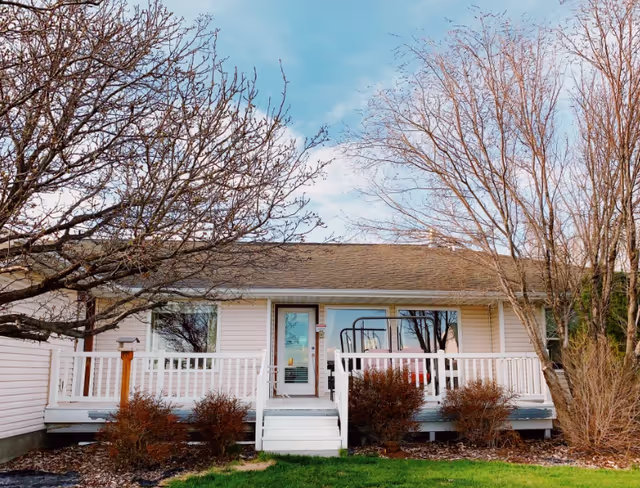
Facilities and amenities: The building is frequently described as attractive, clean, and well-maintained, with useful amenities such as courtyards, game rooms, salon, and theater. Units are often called cozy and appropriately sized for assisted living, although the smaller community size may mean fewer on-site resources compared with larger campuses—families should confirm amenity availability that matters to them.
Management and communication: Management is praised by many for responsiveness, smooth admissions, and event coordination; other accounts describe inconsistent follow-through and difficulty obtaining timely responses in specific situations. These mixed impressions point to variability in administrative responsiveness that prospective families should probe—ask for examples of communication protocols and escalation paths.
Notable patterns and suggested due diligence: Parkwood Meadows presents strong advantages for families seeking a small, socially active community with a caring staff and active programming. At the same time, recurring operational themes—staffing variability, intermittent housekeeping inconsistencies, uneven meal experiences, and gaps in medication/clinical protocols—warrant direct questions during a visit. Recommended topics for a tour: current staff-to-resident ratios and turnover, on-site clinical coverage and medication policies (particularly for end-of-life care), housekeeping and laundry schedules, safety and pickup procedures, and examples of how management addresses family concerns. These inquiries will help align the community’s strengths with an individual resident’s care needs and expectations.