The reviews present a mixed but distinct pattern: many families describe a facility with caring front-line caregivers, clean common areas, and a comfortable, home-like atmosphere, while other accounts raise concerns about inconsistent care quality, responsiveness, and facility maintenance. Several reviewers praised individual aides and nursing staff for attentive, compassionate care and noted positive end-of-life support and high overall satisfaction. At the same time, a number of reviews point to operational weaknesses that merit attention when evaluating the community.
Care quality appears variable. Positive comments emphasize compassionate hands-on care, adequate privacy, and residents who are well groomed. Conversely, other reviewers describe care that meets baseline requirements without consistent individualized attention; there are recurring notes about delays responding to requests and medication-related workload pressures that leave staff appearing rushed. Prospective families should ask about staffing ratios, medication-administration practices, and how the facility handles timely responses to call lights and other resident needs.
Staffing and conduct show a split pattern: many comments highlight respectful, helpful aides and nurses, while others describe incidents of brusque or inattentive interactions and question staff competence in isolated cases. This suggests inconsistent staff training, supervision, or turnover. Management and communication are a related theme: reviewers referenced admission interactions that were problematic for some families and expressed concerns about leadership and how the facility presents and moderates feedback online. Those evaluating the facility should discuss grievance procedures, communication protocols with families, and how leadership addresses staff performance.
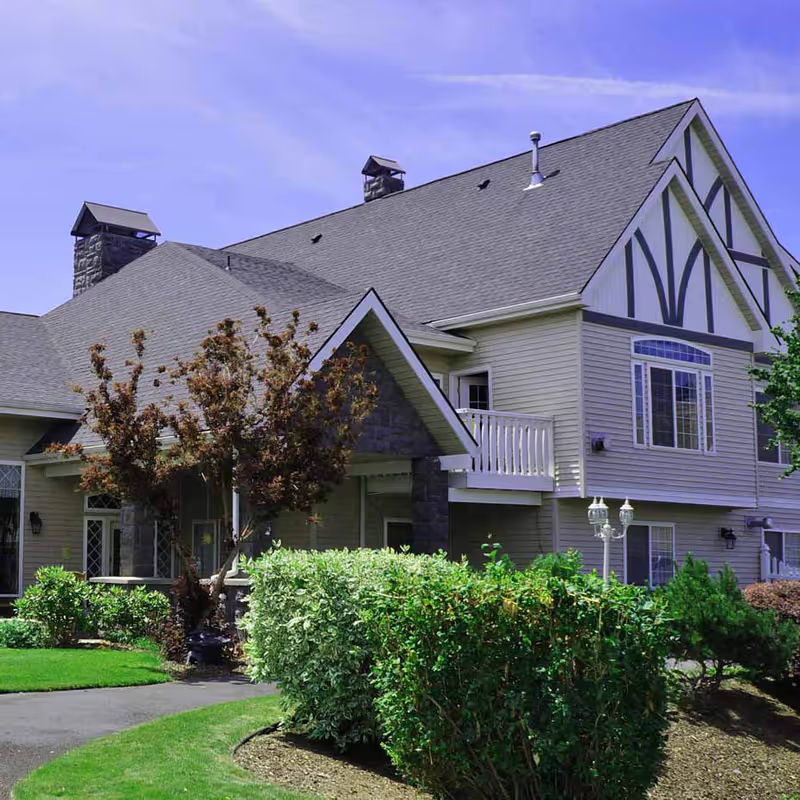
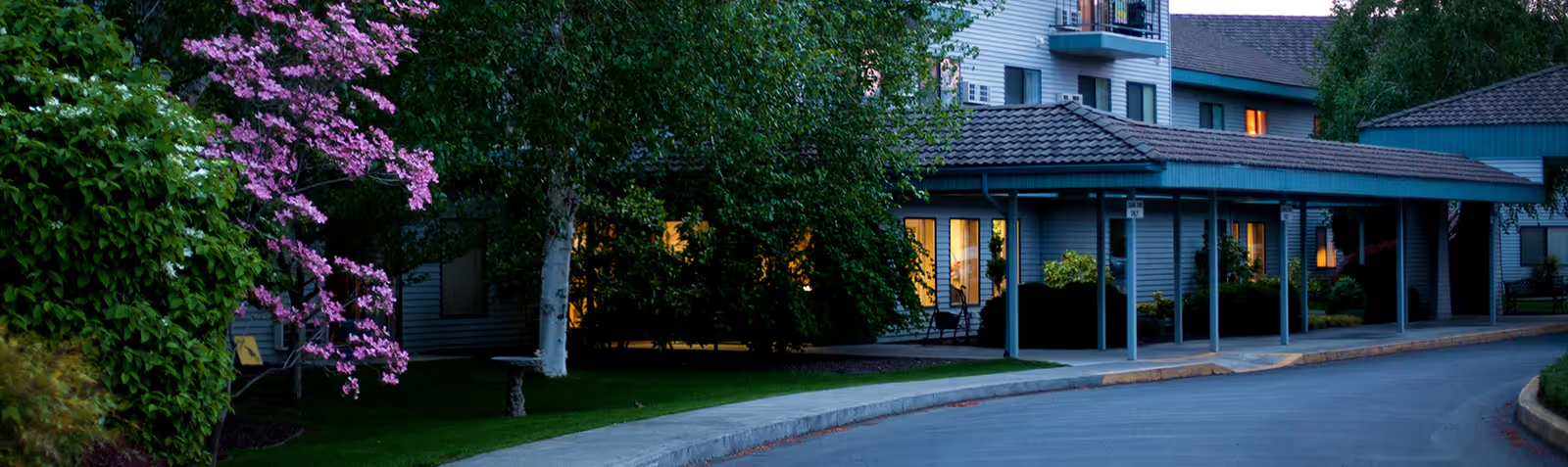
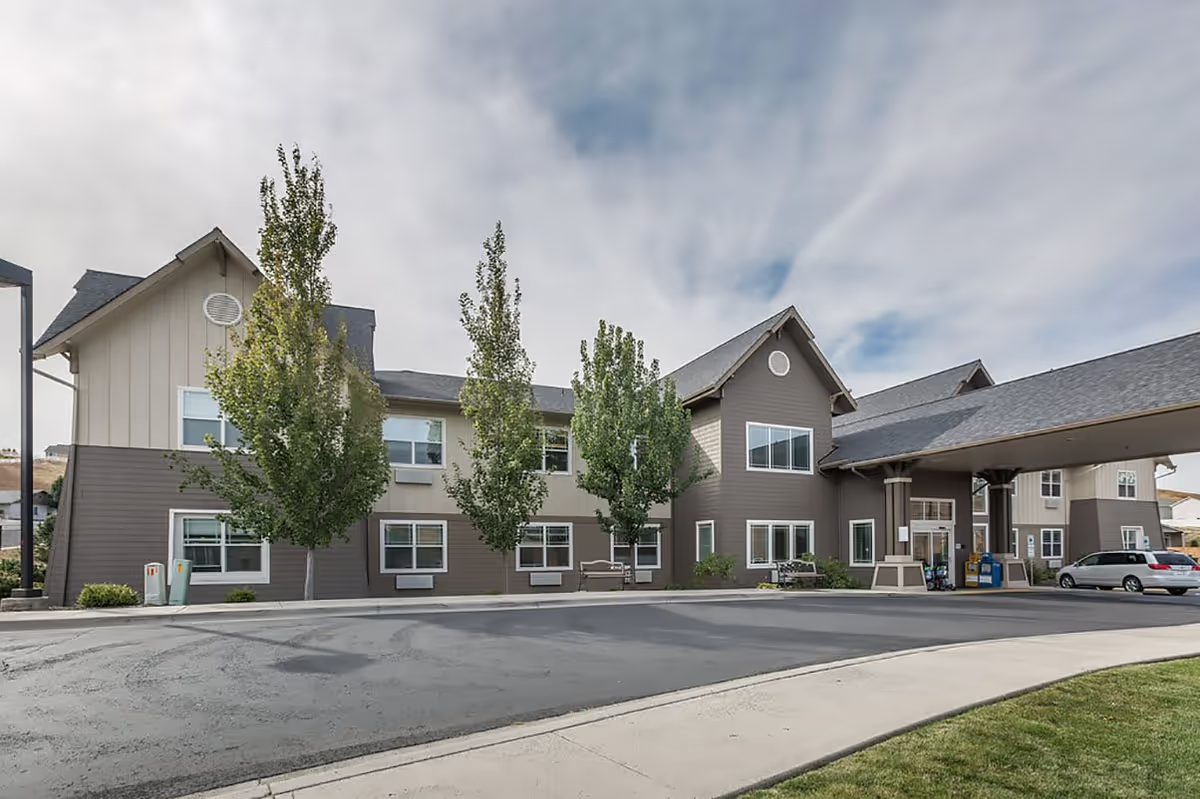
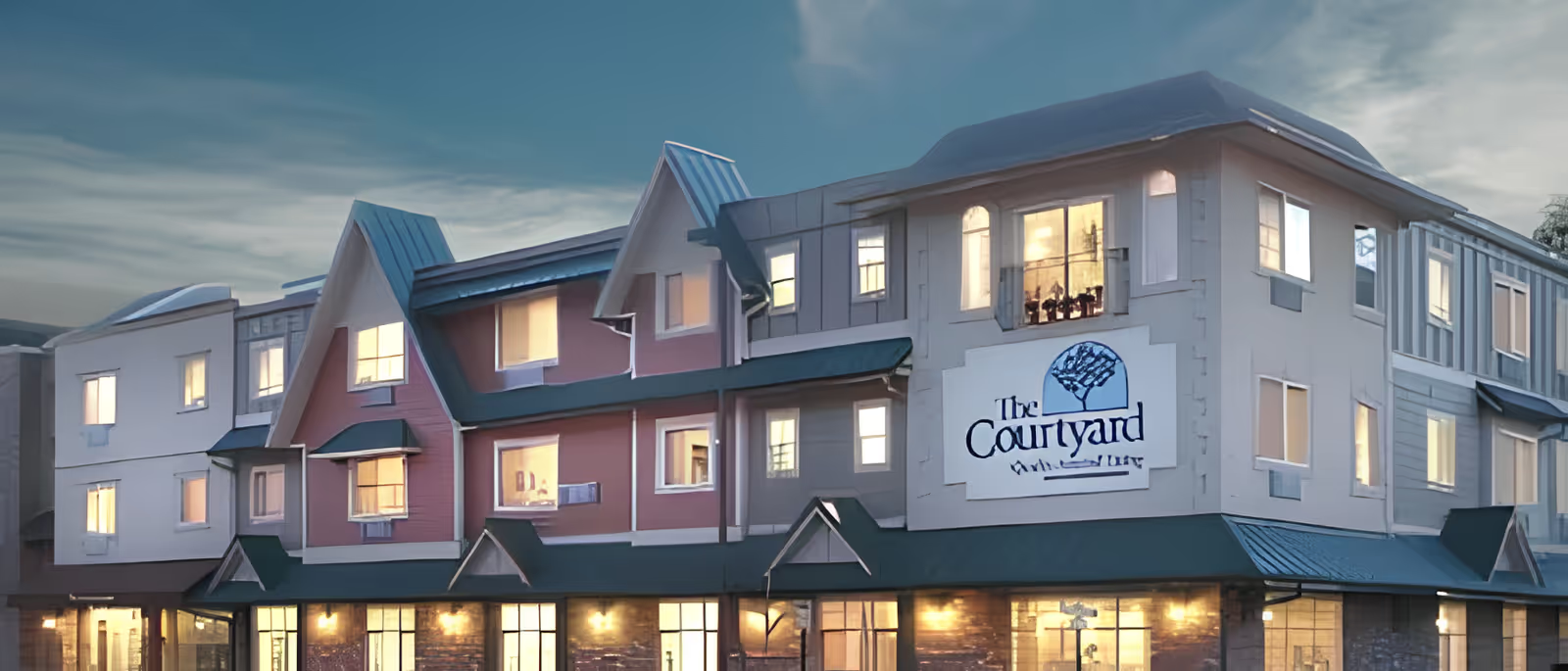
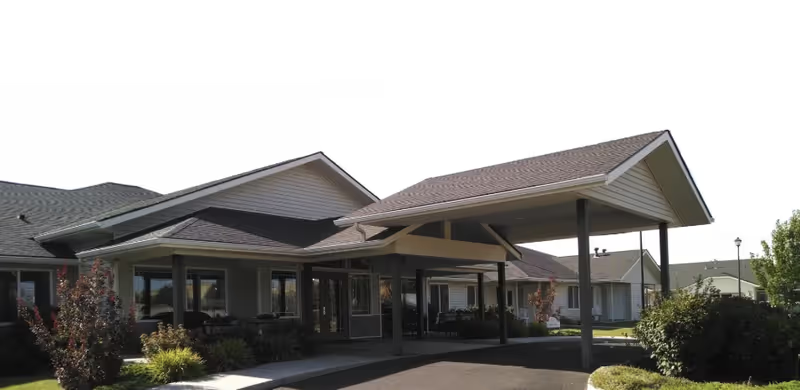
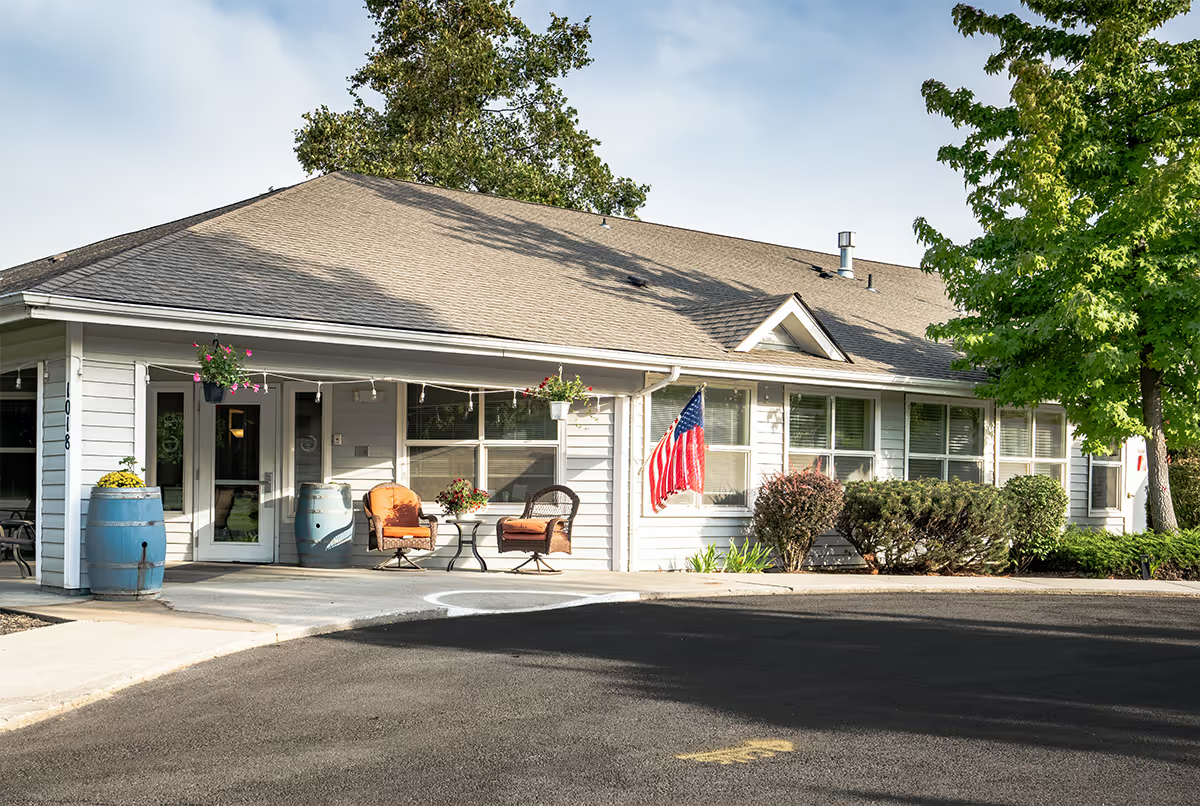
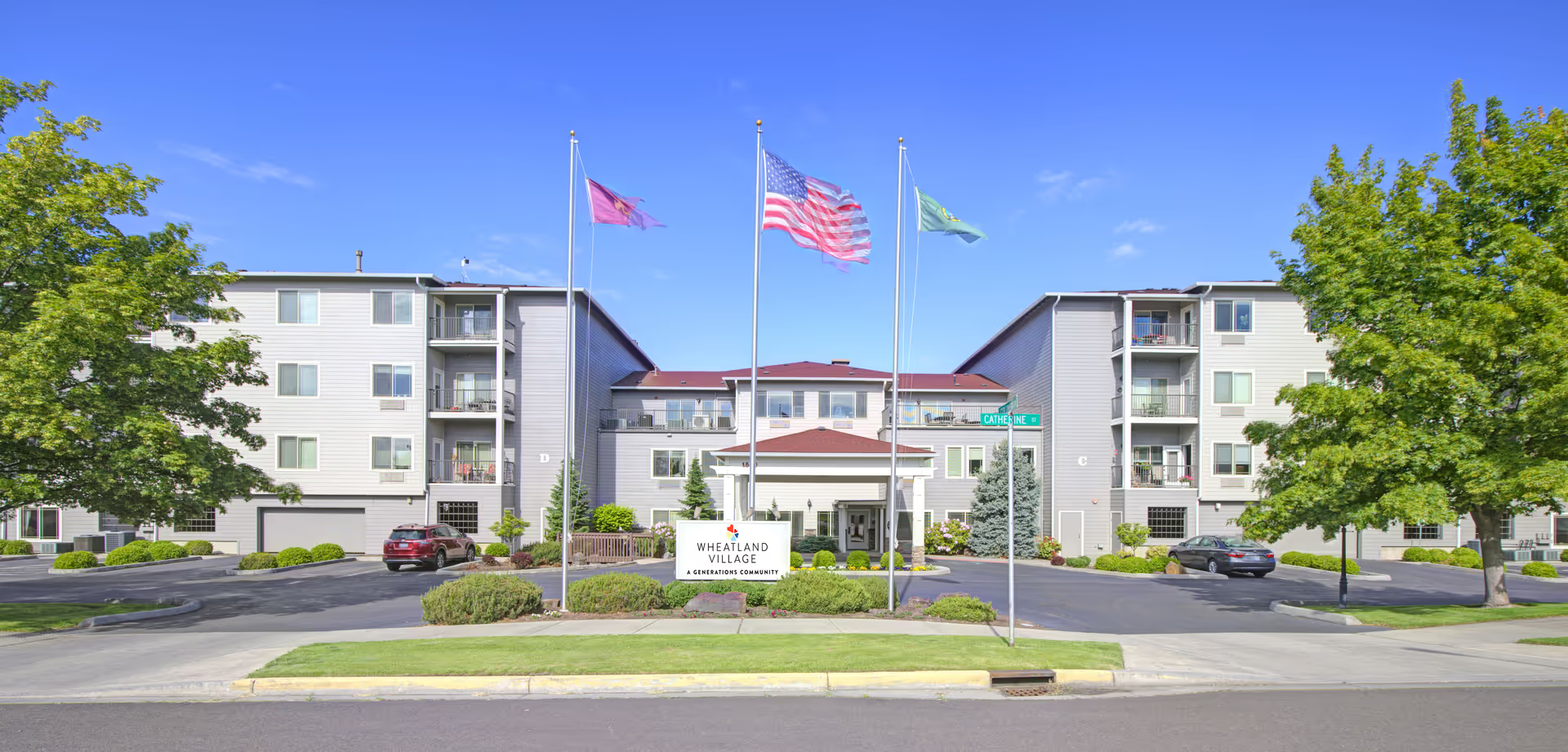
Facility and environment feedback is also mixed. Multiple reviewers described the facility as clean, neat, and homey; others raised sanitation and maintenance concerns and noted that rooms and beds are dated and in need of updates. The building appears older overall, so touring resident rooms, common areas, and recently completed maintenance work will give a clearer sense of physical condition.
Dining and activities were not widely discussed in the available summaries. The overall atmosphere described by supporters suggests routine daily care and grooming are in place, but the absence of detailed commentary on meals and programming means families should request specific information about dining menus, dietary accommodations, activity schedules, and participation levels during a tour.
In summary, Lewiston Transitional Care of Cascadia elicits polarized impressions: strengths include compassionate staff members, a home-like environment in parts of the building, and strong end-of-life care for some residents; weaknesses include inconsistent staff professionalism and responsiveness, aging rooms and furnishings, spotty maintenance/cleanliness in certain areas, and management or communication gaps. Recommended next steps for families considering this facility are to conduct an in-person visit, observe shift changes and staff–resident interactions, review staffing levels and medication-handling procedures, inspect room furnishings and maintenance plans, and ask leadership about how they address complaints and online feedback.