Overview Royal Plaza of Olympus Retirement Living presents a mixed profile: the facility receives consistent praise for the people and programs that shape daily life, while operational issues—especially around staffing, medication management, and food service—are a recurrent concern. The community is frequently described as warm and welcoming, with many families and staff emphasizing compassionate interactions, a family-like culture, and an engaged activities program. At the same time, several reviewers described systemic lapses that affect resident experience and safety, most notably inconsistent staffing and clinical processes.
Care and clinical services Care quality appears to vary by unit and by shift. Assisted living and rehabilitation guests are commonly described as receiving kind, attentive personal care and good therapy services when staffed appropriately; physical therapy and rehab programs receive positive mention. However, there are repeated descriptions of inconsistent nursing performance and clinical oversight in other parts of the facility: medication-administration errors, medication carts left unsecured, and perceived lapses in following prescribed therapy plans. These patterns suggest uneven adherence to medication and clinical protocols and variability in skill mix or supervision across shifts.
Staffing and responsiveness A dominant theme is staffing instability. Reviewers describe long call light response times, limited availability for ADL assistance (notably irregular bathing/bed-bath schedules), and requests for more dedicated aides during peak care times. While many staff are characterized as compassionate and going above and beyond, the reported staffing gaps appear to create delays in routine care and contribute to family frustration. Communication issues also surface alongside staffing concerns: families describe delayed or incomplete responses from management and difficulties during admissions or discharge processes.
Dining and nutrition Dining receives mixed feedback. Some meals are praised as delicious and nutritious, and kitchen staff are commended by multiple families. At the same time, several reviewers report inconsistent meal quality, cold entrees, repetitive menus, and instances where textures were altered (pureed meals served when not indicated). Meal-temperature control and accuracy of diet-texture management are operational areas that appear to require improvement to ensure consistent dining experiences and adherence to nutritional plans.
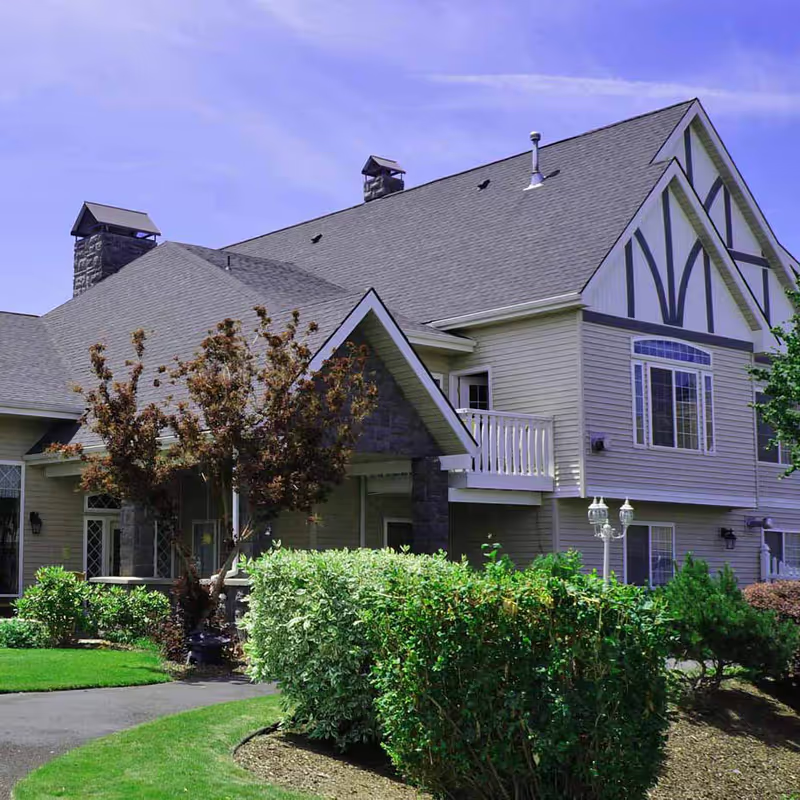
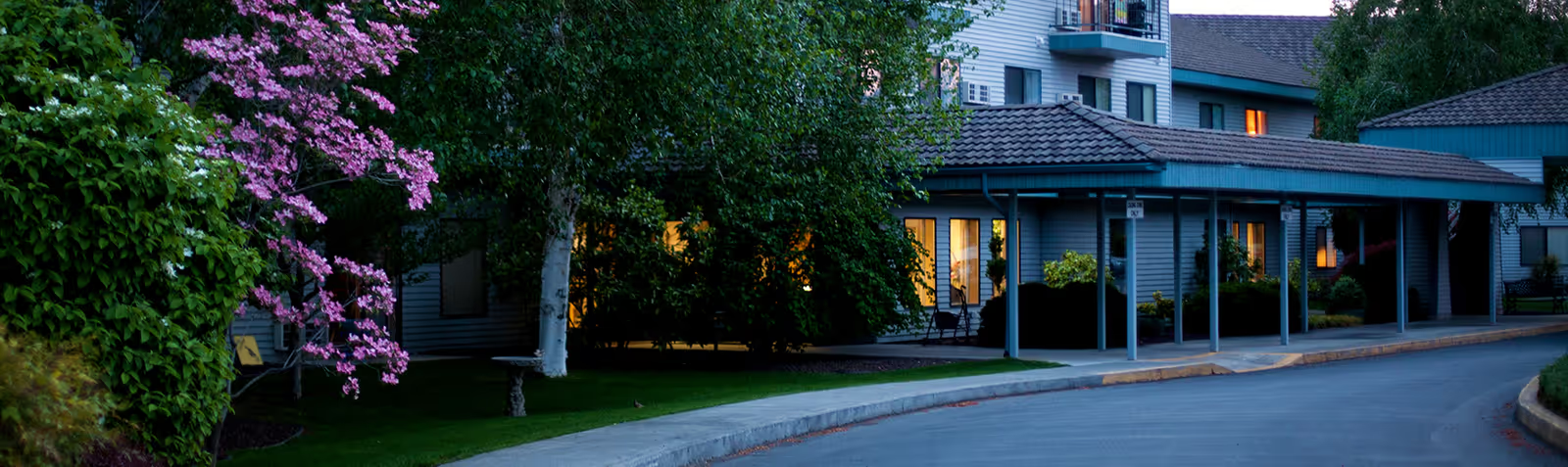
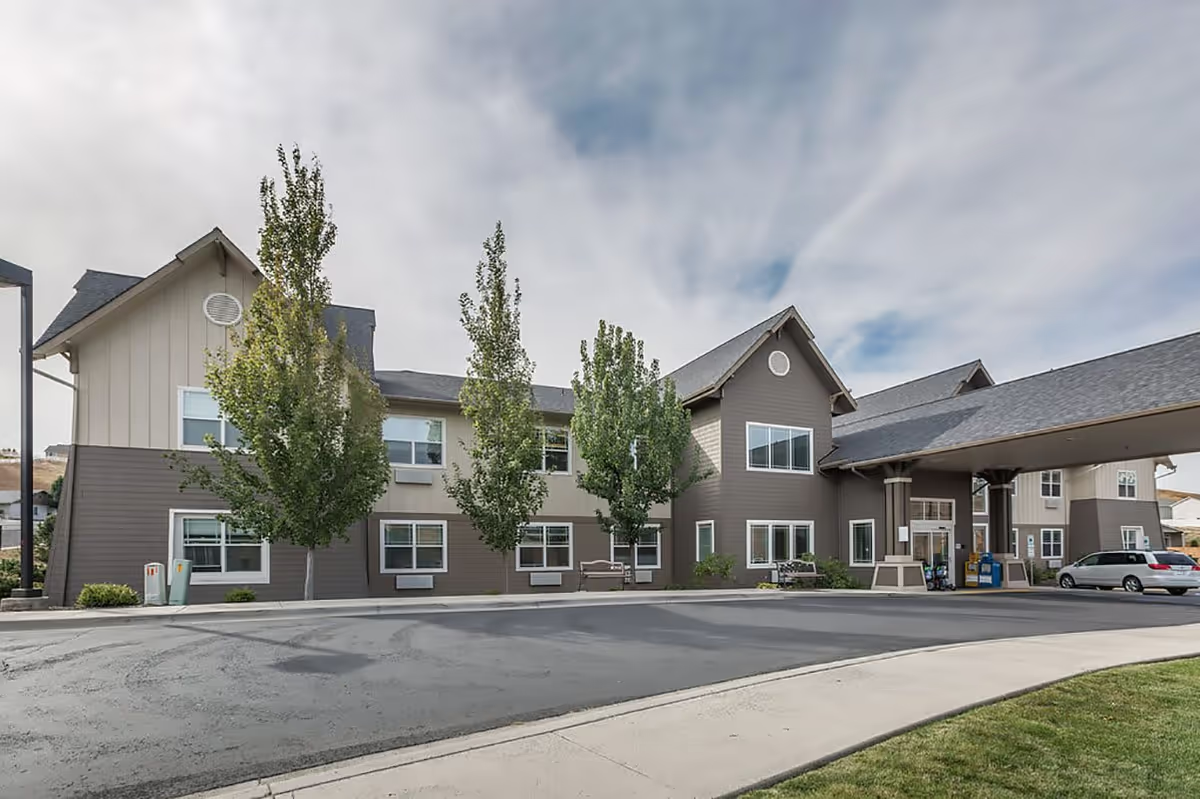
Activities, environment, and family engagement The facility scores strongly on social programming and community life. Reviewers highlight a wide range of activities, outings (mystery bus rides, country drives), card games, and an engaged activity director that fosters new friendships and family participation. The building and apartments are often described as attractive, easy to navigate, and comfortable; many families appreciate flexible visiting and opportunities to join meals or events.
Facilities, cleanliness, and privacy Common areas and apartments are generally described as well-maintained, but specific sanitation and odor concerns in certain areas were raised. These comments point to inconsistent housekeeping or incontinence-care practices on occasion. Additionally, some families voiced privacy-management concerns related to surveillance practices; sensitivity around monitoring should be reviewed to balance safety and resident privacy.
Management and administrative processes Administrative experiences are uneven. Positive accounts note helpful front-desk staff, smooth transitions for some residents, and a supportive management presence. Conversely, other families describe slow or unresponsive management communication, delays in admissions and discharges, and missing paperwork during transitions. These administrative inconsistencies can compound clinical and staffing issues and affect satisfaction at key decision points.
Notable patterns and considerations for prospective families The dominant pattern is a strong, caring staff base and active community life coexisting with operational weaknesses that appear concentrated around staffing levels, medication and clinical process controls, dining consistency, and administrative responsiveness. Prospective residents and families should evaluate current staffing ratios for the intended care level, ask about medication-safety protocols and audit practices, review meal management and diet-texture procedures, and request examples of recent quality-improvement initiatives. For those prioritizing social engagement and compassionate day-to-day interactions, the community atmosphere and activities program are strengths; for those requiring tightly managed clinical care and timely ADL support, further inquiry and observation of shift-to-shift consistency is advisable.