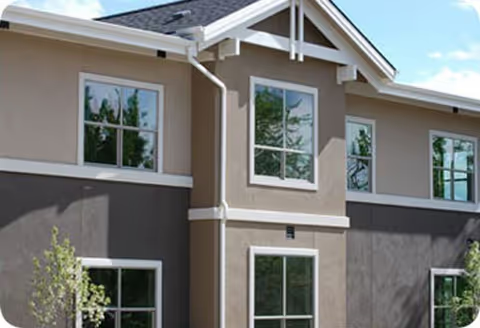
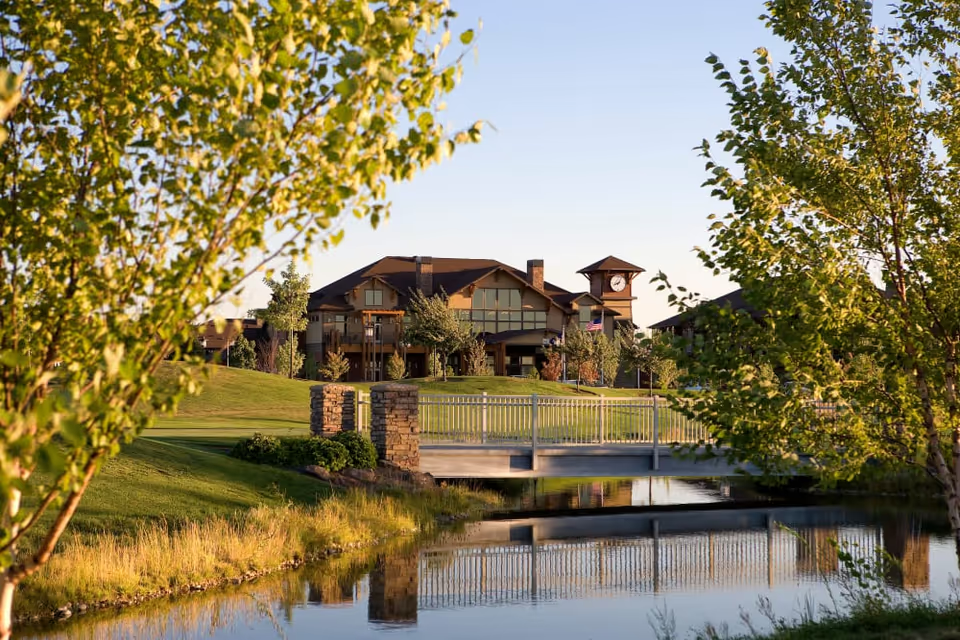
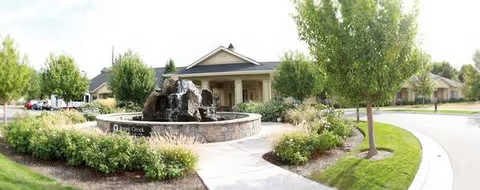
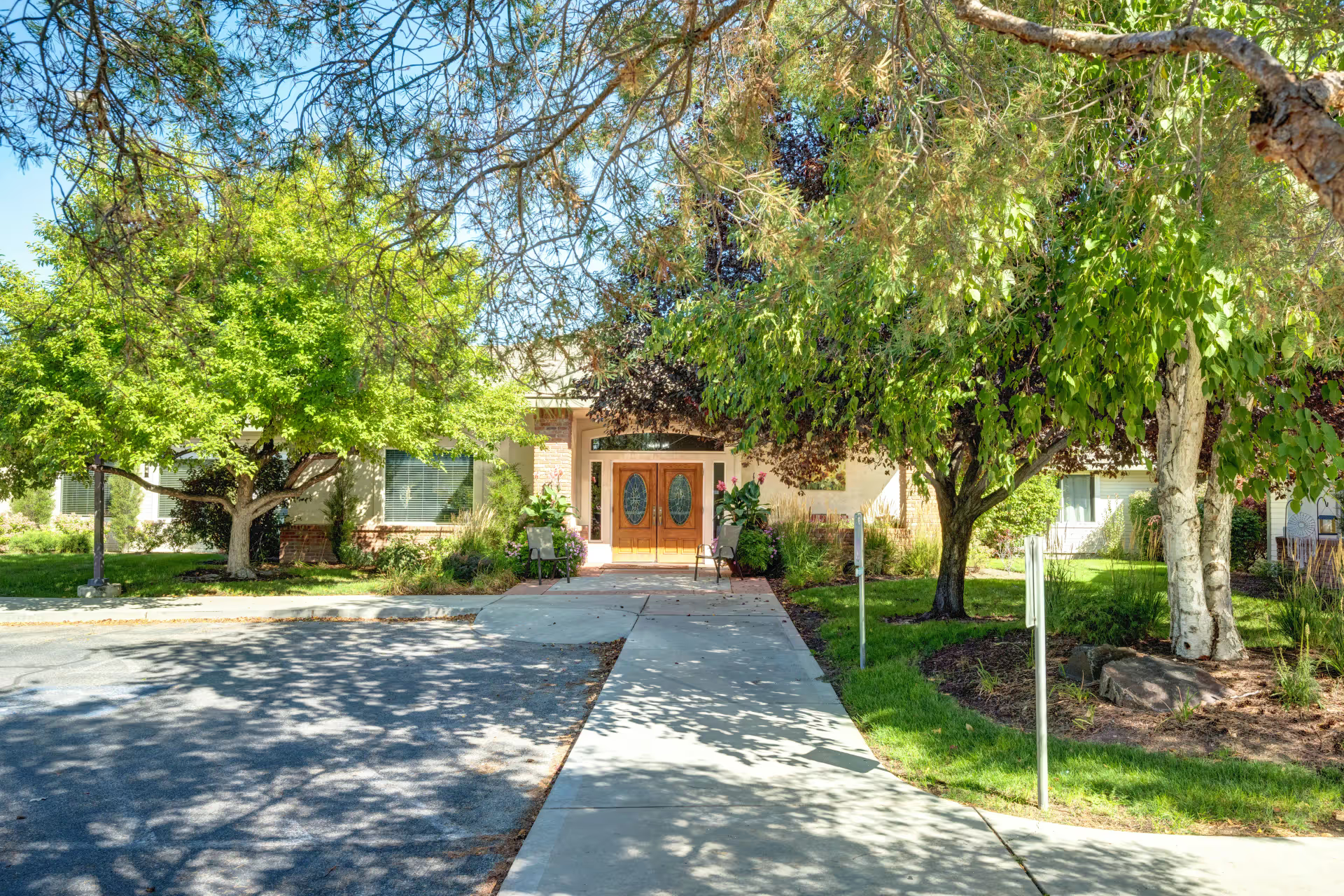
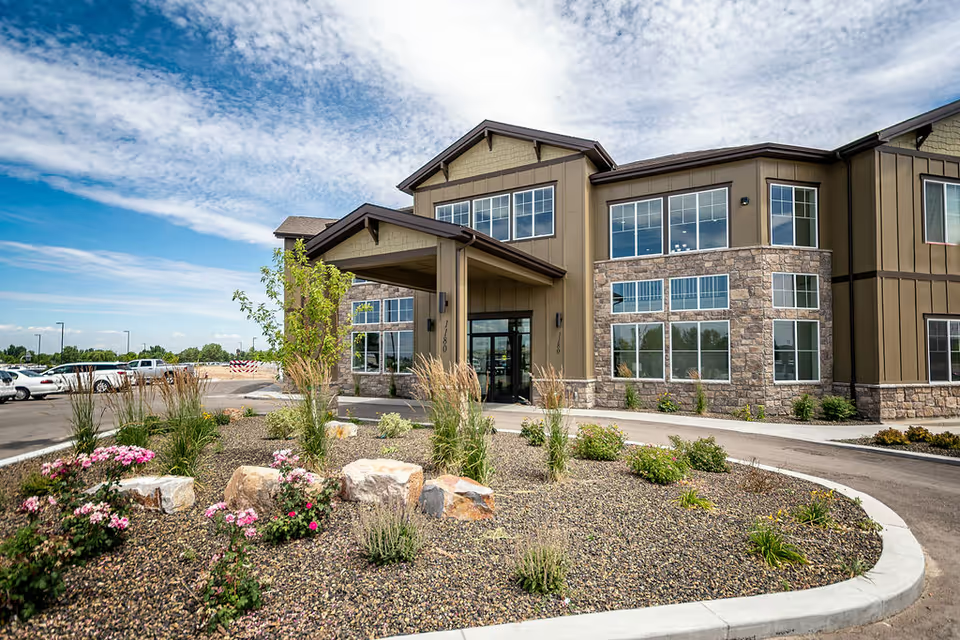
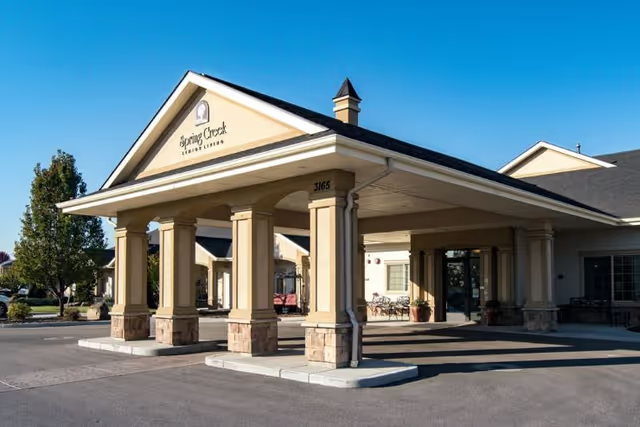
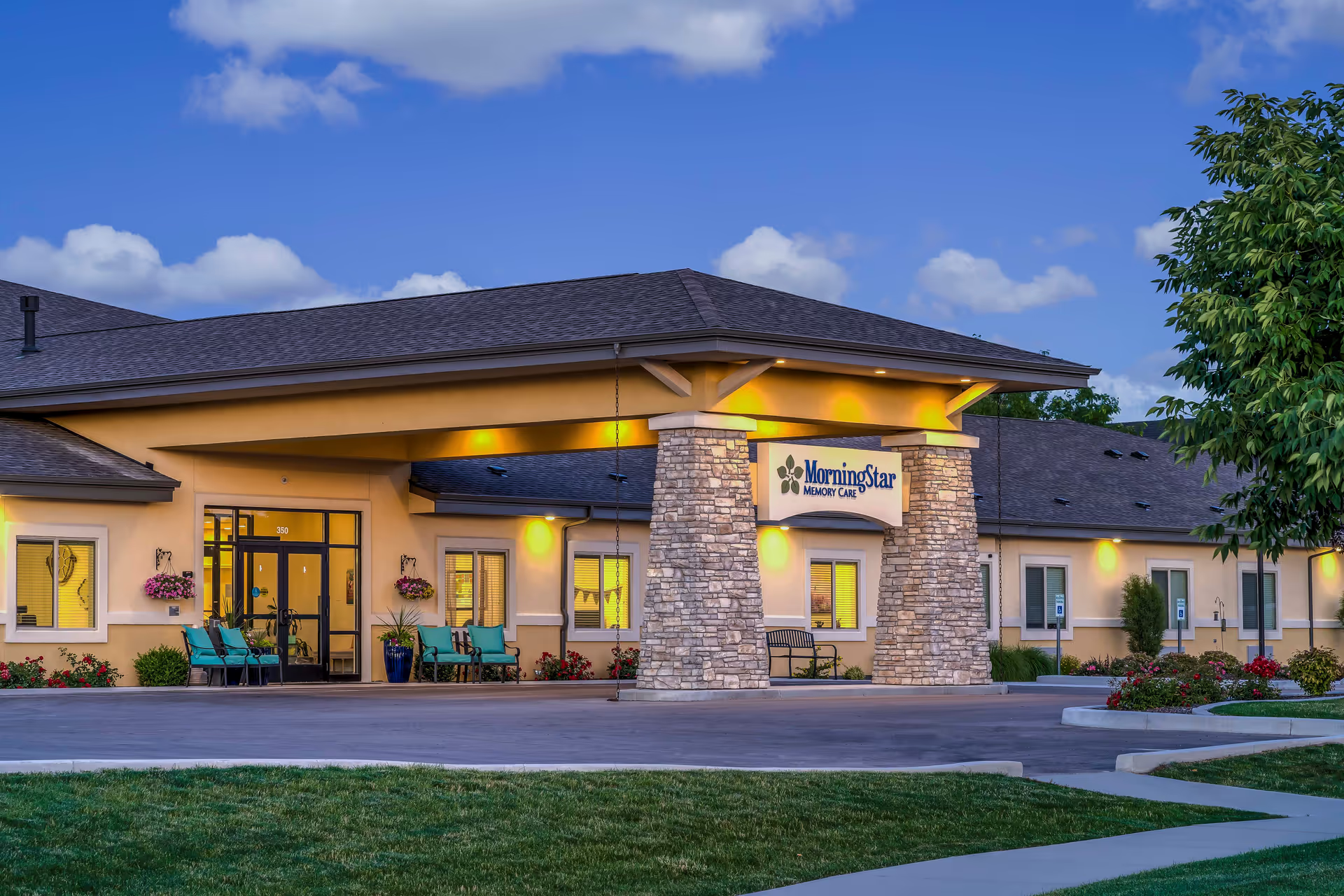
The reviews present a mixed picture in which a strongly praised frontline team coexists with repeated administrative and clinical concerns. Many families and visitors emphasize that caregiving staff are compassionate, patient, and attentive; multiple comments highlight specific staff members, positive interactions in memory-care and maintenance, and a generally warm, community-oriented atmosphere. The facility’s physical environment and programming are also frequently cited as strengths: modern, first-class design, restaurant-style dining with noted improvements in food quality, and a range of activities (live music, movie nights, fitness classes, and social mixers) that contribute to an engaged resident life.
At the same time, several operational patterns raise caution. Clinical concerns described include medication-handling errors, gaps in monitoring for chronic conditions such as blood-glucose management, and delayed or inconsistent follow-up on infections. These items point to weaknesses in medication-administration controls and clinical-monitoring protocols rather than isolated stylistic complaints. Relatedly, reviewers described situations suggesting insufficient responsiveness for residents with higher medical needs, which prospective families should probe when evaluating clinical oversight and staffing ratios.
Administrative and billing practices are another recurring theme. Comments indicate problems with automatic withdrawal processes, delayed refunds or reimbursement, and final-bill reconciliations that required follow-up. There are also statements about inconsistent handling of legal documents such as powers of attorney and family trust directives, which implies gaps in the facility’s intake, documentation, and authorization workflows. These operational weaknesses are coupled with perceptions of uneven management responsiveness and variable administrative consistency depending on leadership or shift.
Taken together, the pattern is one of a strong frontline culture and appealing physical environment undermined in some instances by administrative and clinical process gaps. Prospective residents and family members who prioritize dining, activities, and compassionate daily caregiving may find the community attractive; those whose primary concerns are tight clinical oversight, predictable billing practices, and clear legal-document recognition should seek additional assurances. Practical next steps when touring: ask to see medication-administration and clinical-monitoring protocols, inquire about staffing levels and escalation procedures for higher-acuity needs, request written billing and refund policies (including how accounts are handled after a resident’s passing), and confirm how powers of attorney and trust documents are recorded and honored. Obtaining recent references and meeting both frontline staff and administrative leadership can help clarify whether the operational strengths or weaknesses are most relevant to your situation.