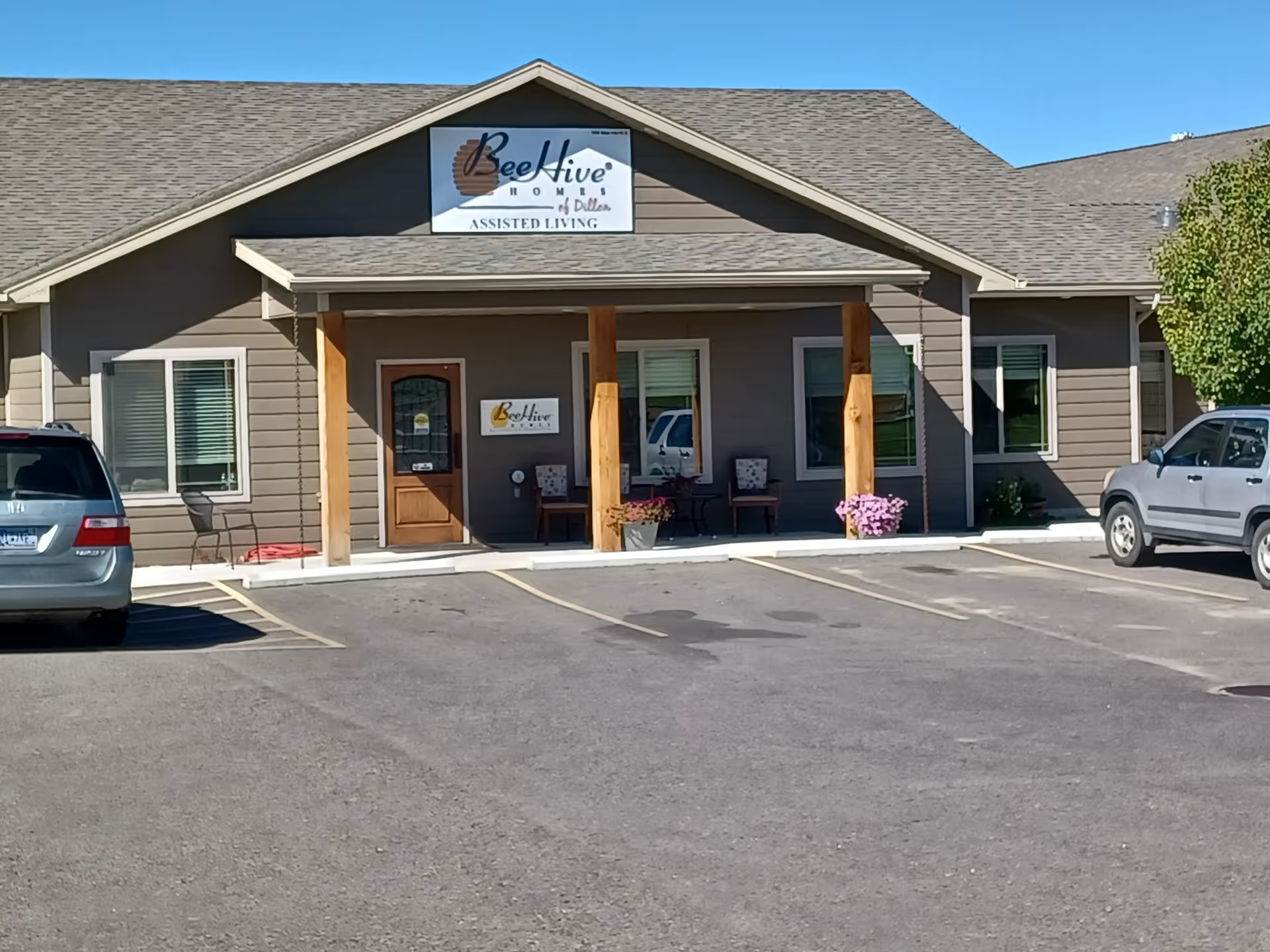
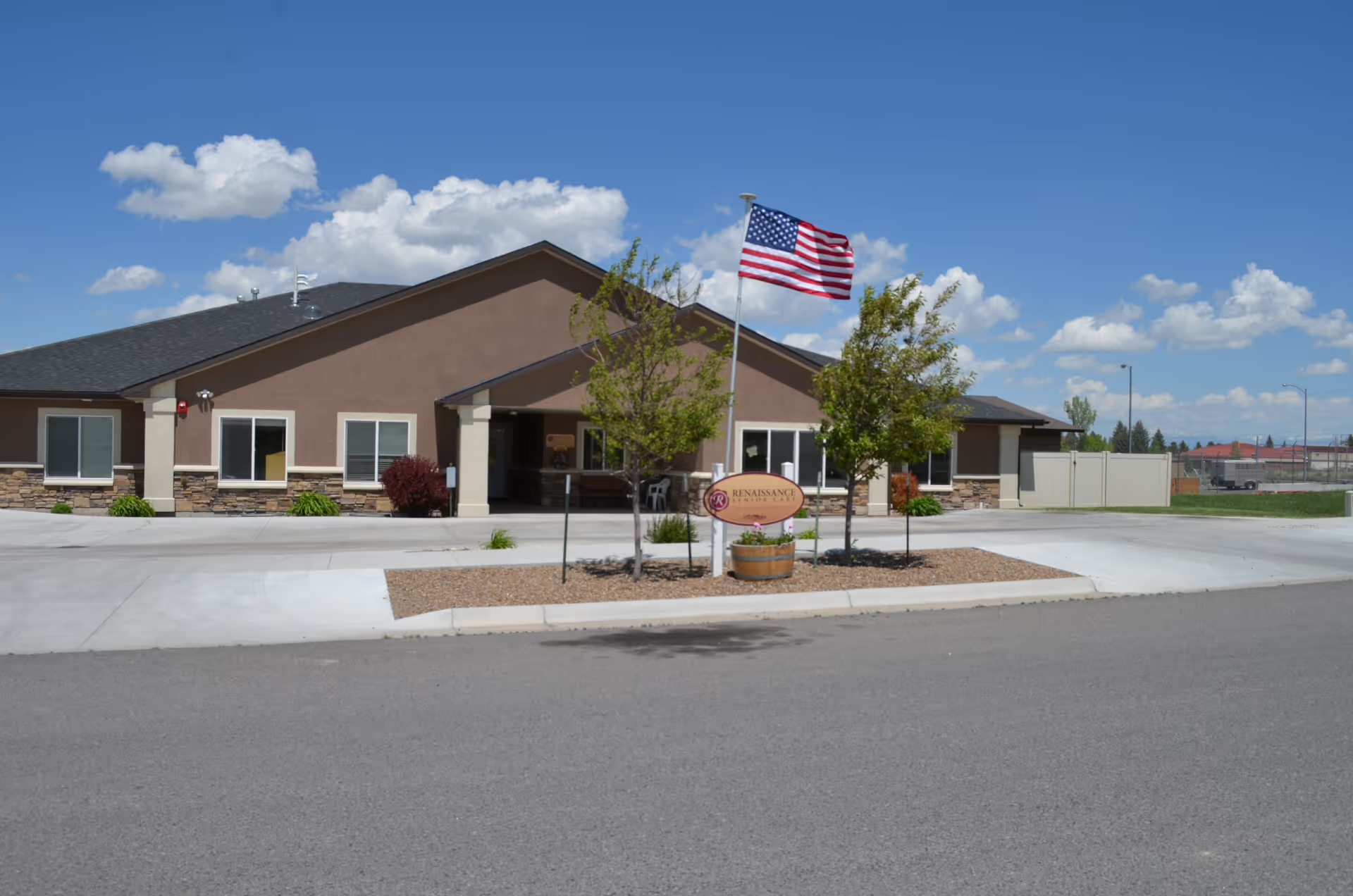
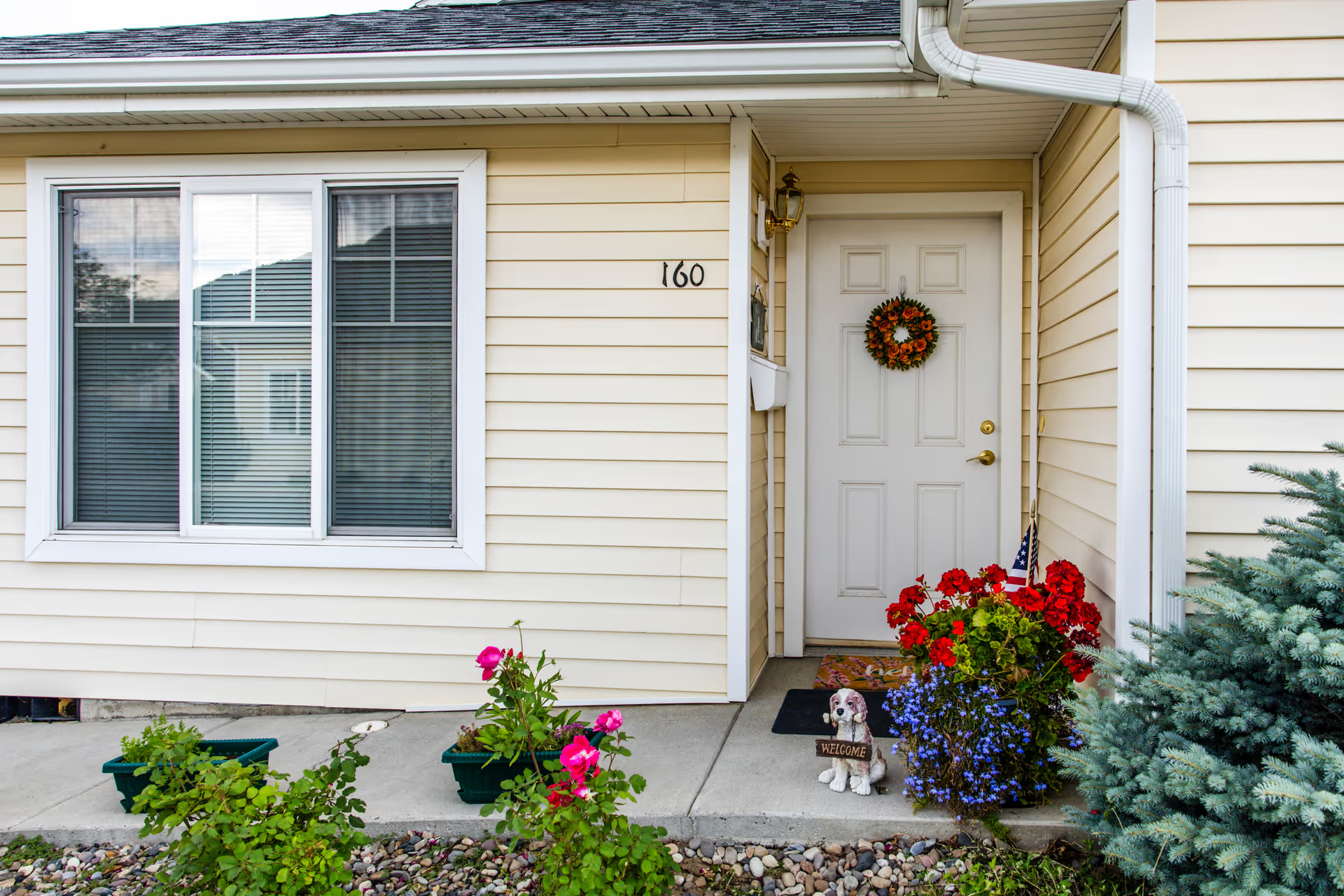
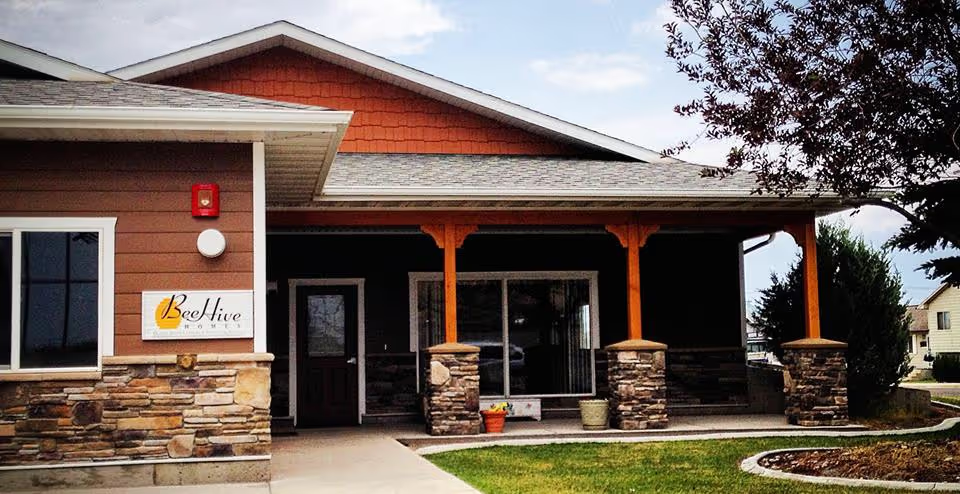
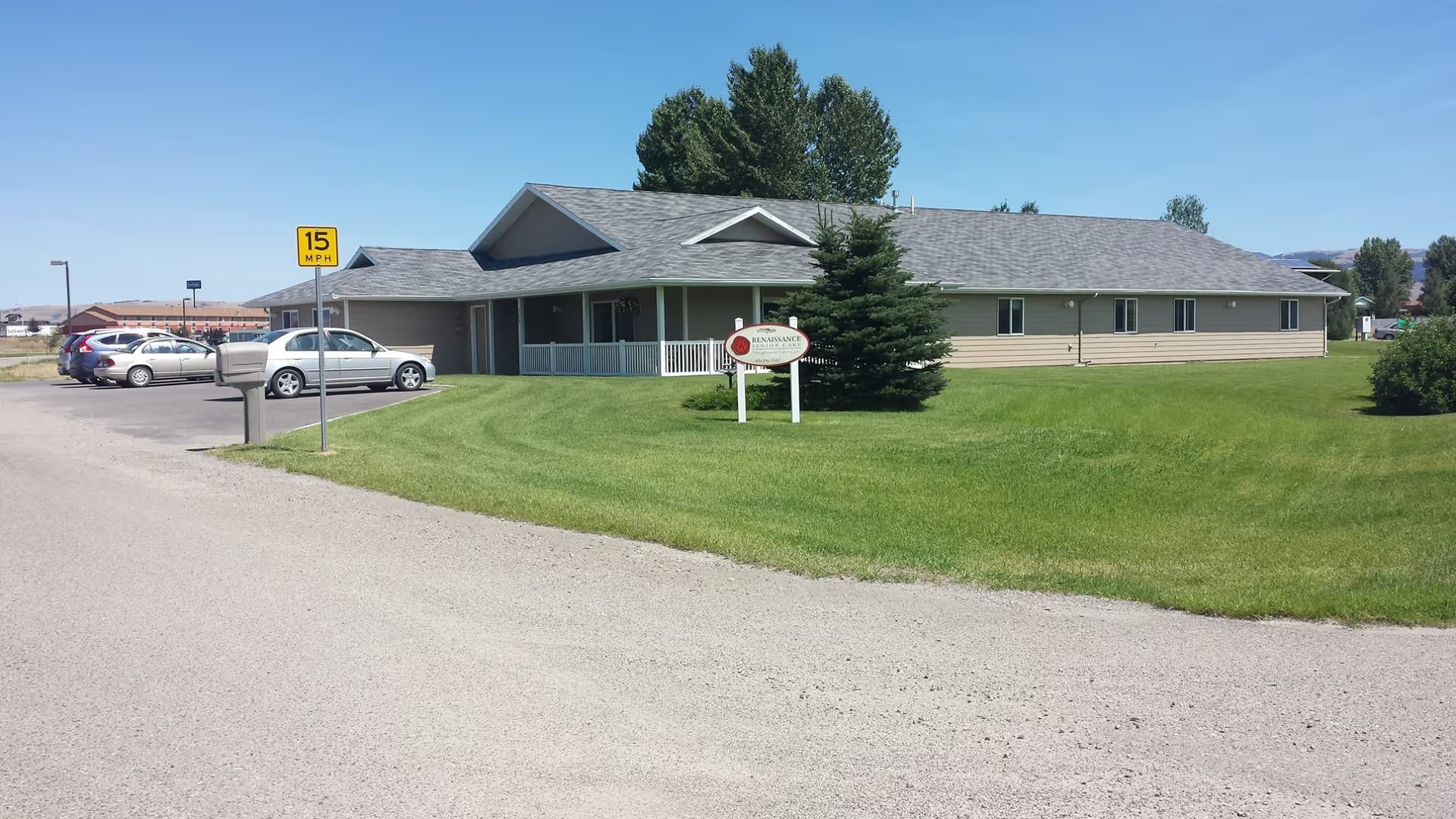
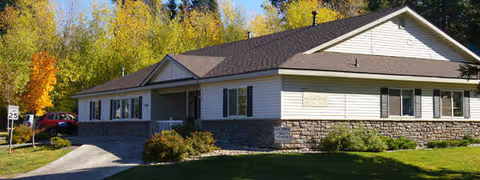
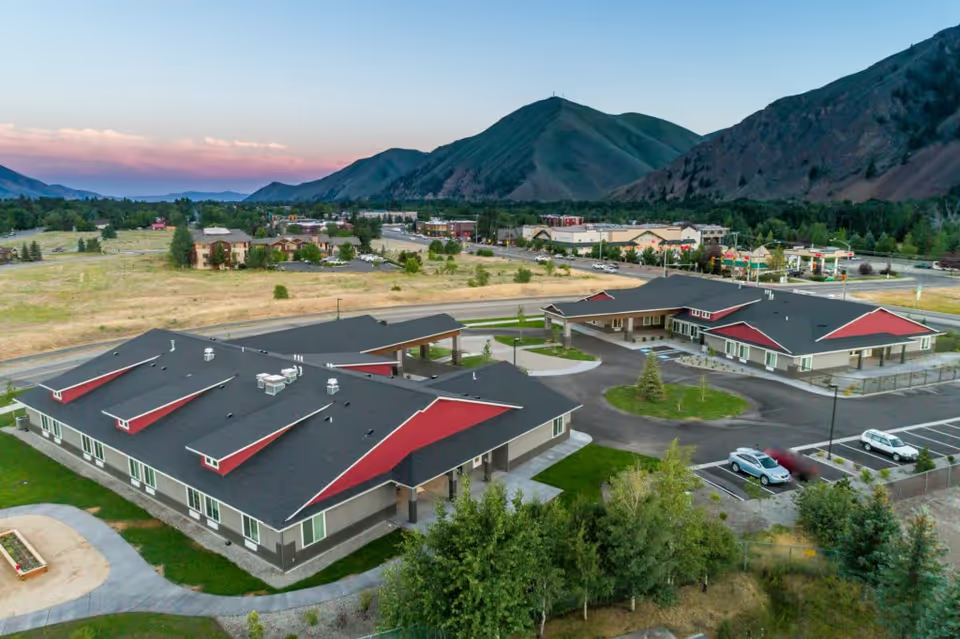
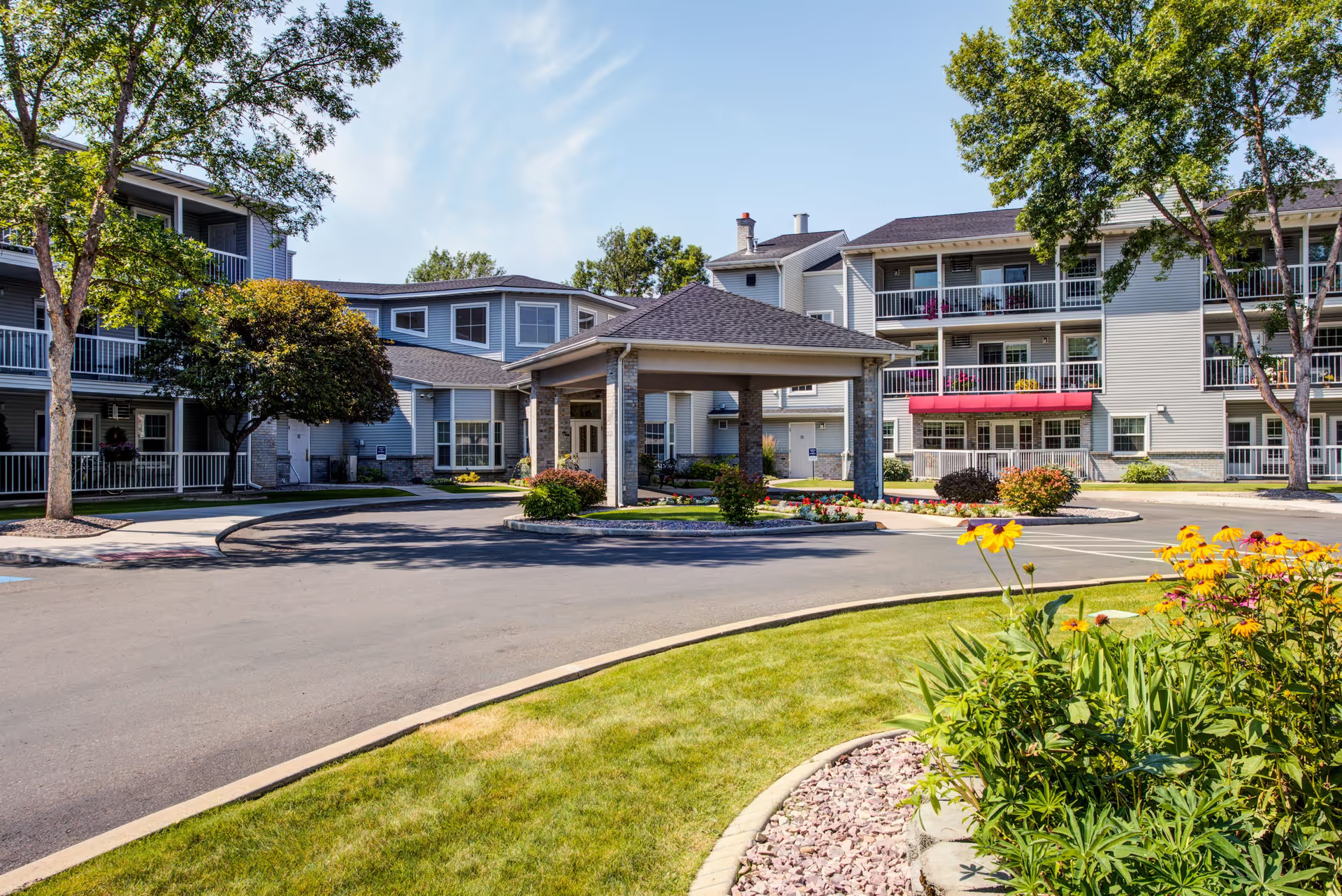
Meadows Assisted Living Center presents a mix of clear strengths and operational weaknesses. On the positive side, the physical environment and living units receive consistent praise: rooms are described as spacious, apartment-like, and equipped with private bathrooms. Features such as level flooring and accessible layouts align with fall-prevention priorities, and outdoor amenities like a front lawn provide recreational options for residents. The facility also offers convenient on-site personal services, including haircutting, and positions itself as an affordable option for residents not requiring skilled nursing.
Care and staff interaction are frequently cited as strong points. Many families and visitors describe staff as attentive, caring, and communicative, and several accounts highlight engaged caregiving and good day-to-day responsiveness. Activity programming is another area of strength: the schedule commonly includes arts and crafts, fitness classes, and social events that contribute to a homelike, family-style atmosphere and resident engagement.
Dining and housekeeping show mixed performance. Some residents find meals adequate, but feedback indicates that menu variety and food quality could be improved. Housekeeping and sanitation practices appear inconsistent: reviewers describe lapses in room cleaning, linen changes, and maintenance of common-area furnishings. These issues extend to exterior furniture and some elements of the facility’s upkeep, suggesting a need for more consistent maintenance protocols.
Management and visitor-related practices emerge as an area for improvement. A subset of visitors reported an unwelcoming reception experience and past restrictions on visitation during infection-control events that felt inflexible. Combined with comments about delayed or insufficient maintenance response, the pattern points to opportunities for stronger operational oversight, clearer housekeeping standards, and more consistent family-facing communication.
Overall, Meadows offers several substantive positives—spacious units, a warm atmosphere, engaged staff, and active programming—that make it attractive to prospective residents and families. At the same time, the facility would benefit from targeted improvements in dining variety, routine housekeeping and linen management, preventive maintenance, and more consistent visitor/management communications to align operational performance with the strengths in care and community life.