This community elicits strongly mixed impressions: reviewers consistently praise the physical environment, social programming, and many front-line caregivers, while also describing operational and management challenges that affect clinical consistency.
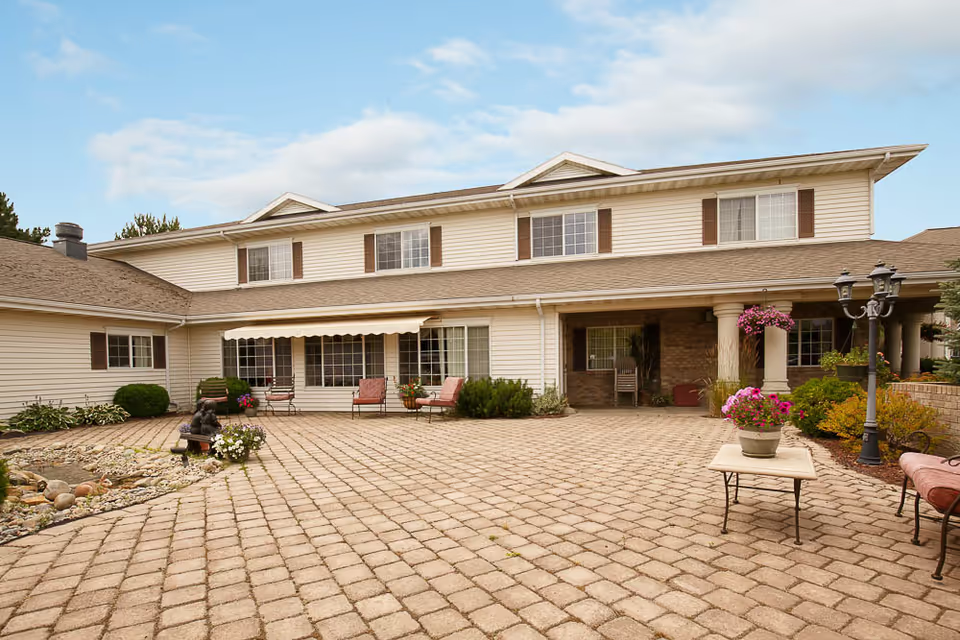
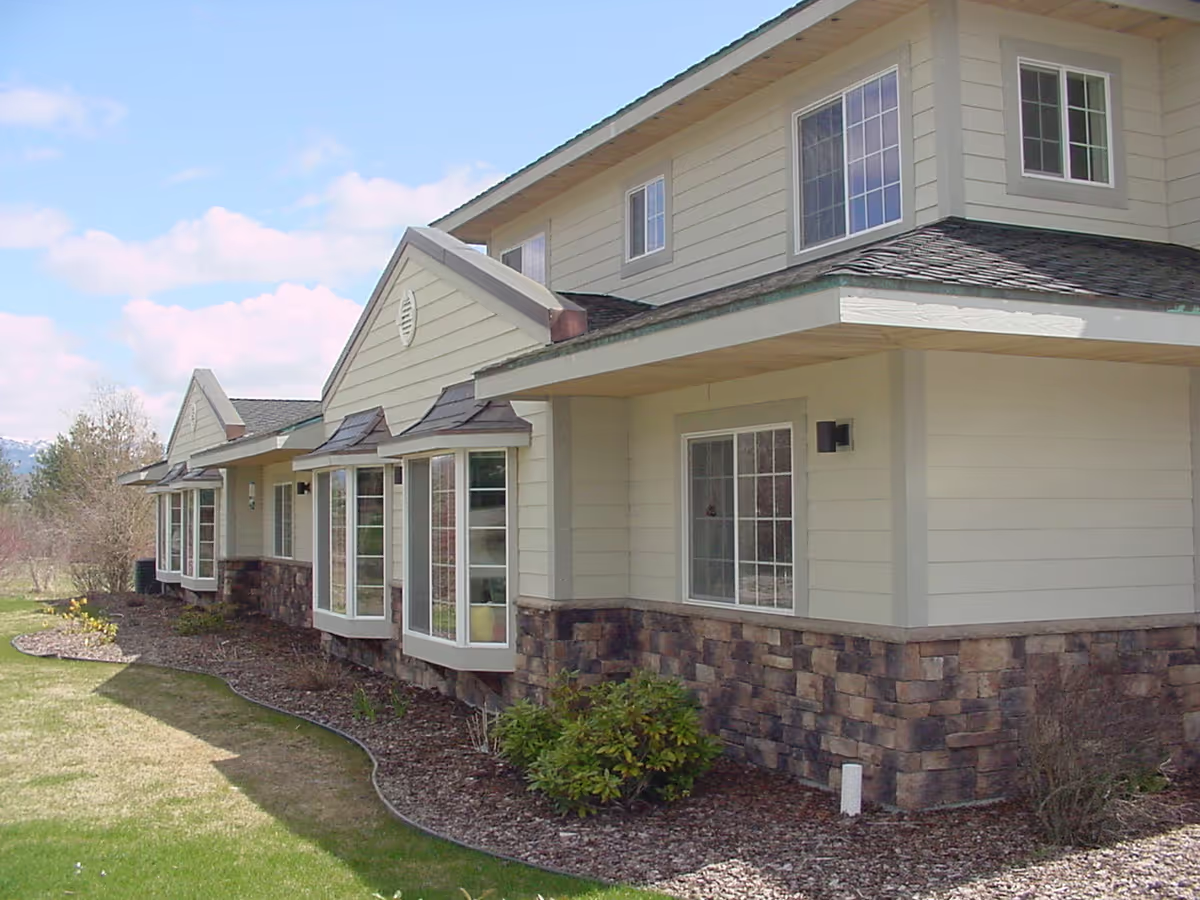
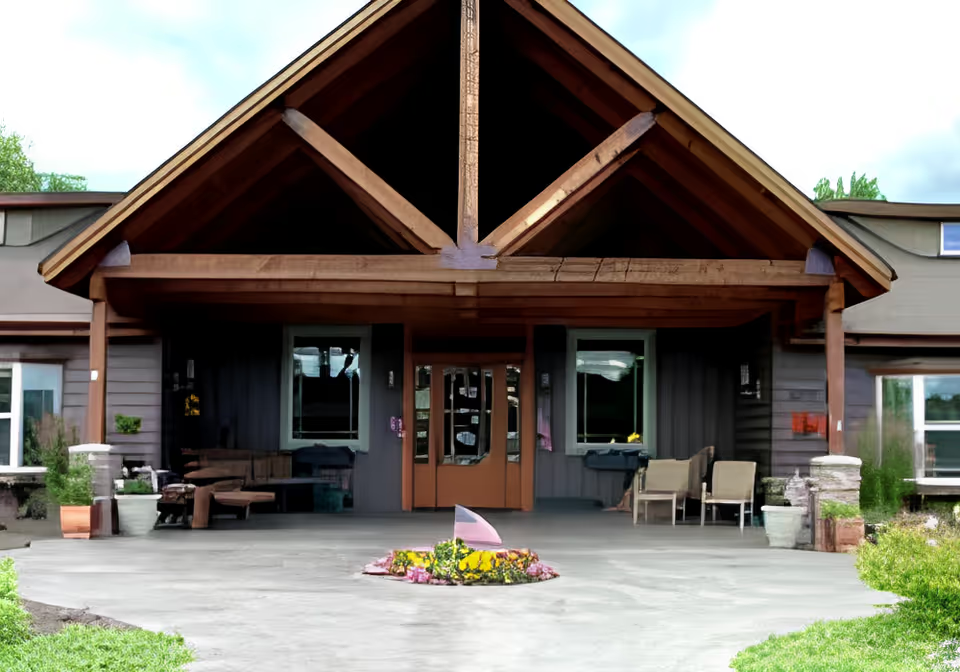
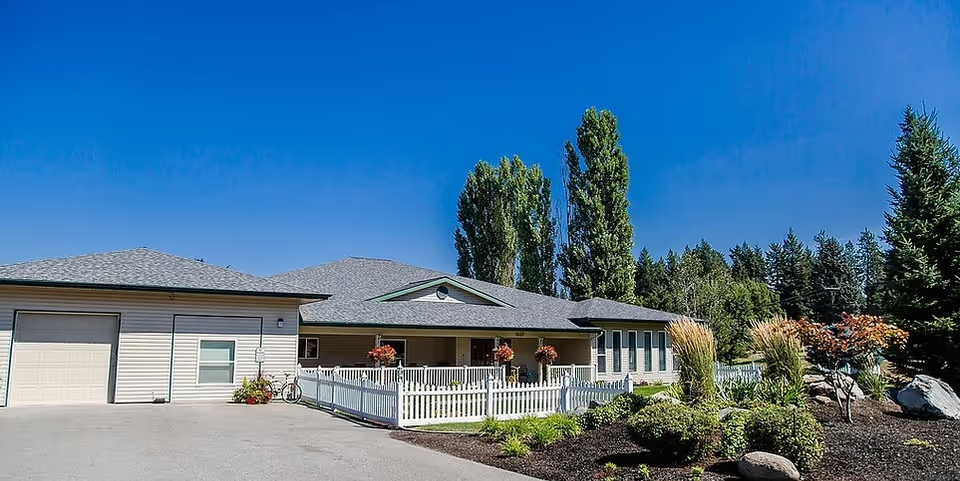
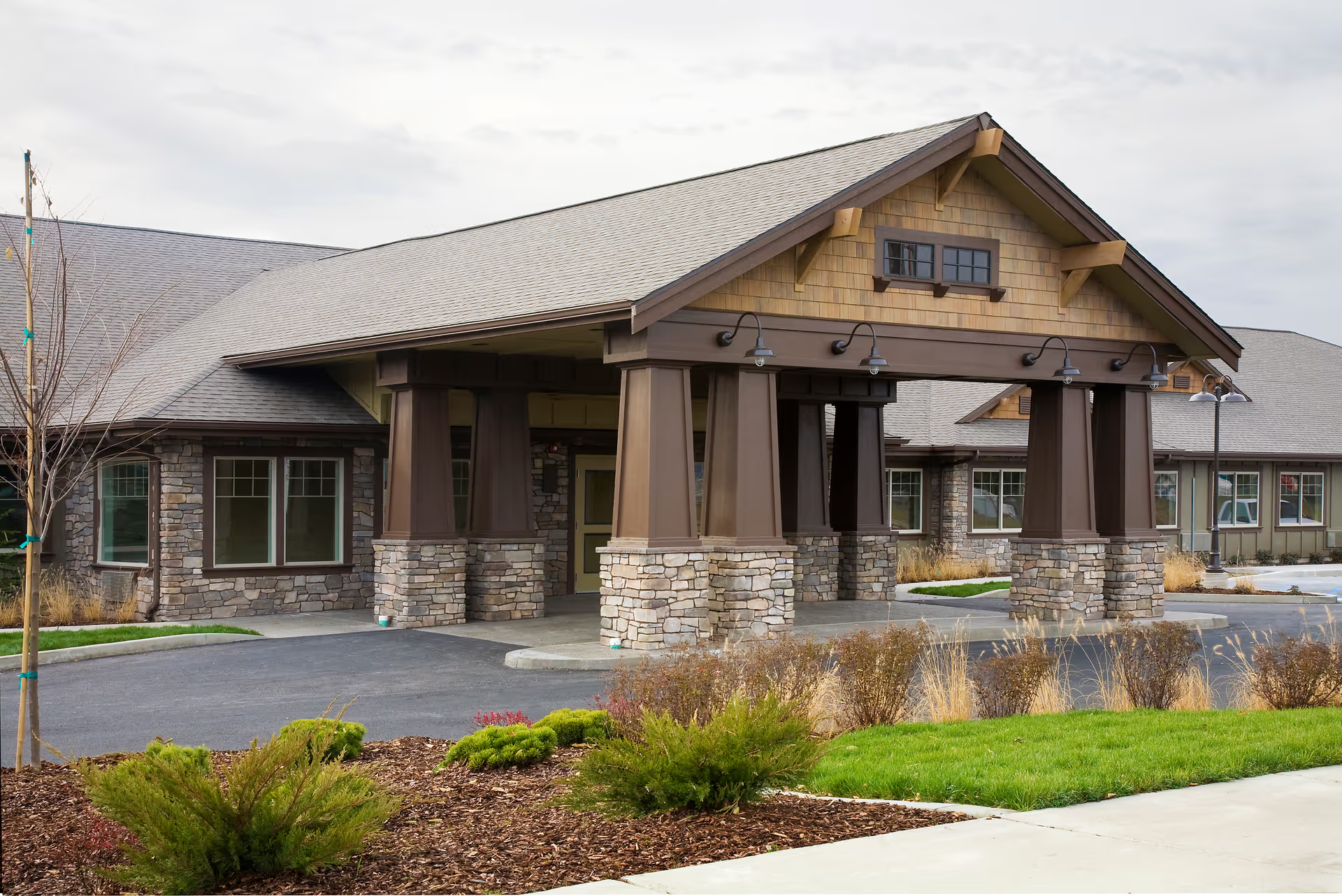
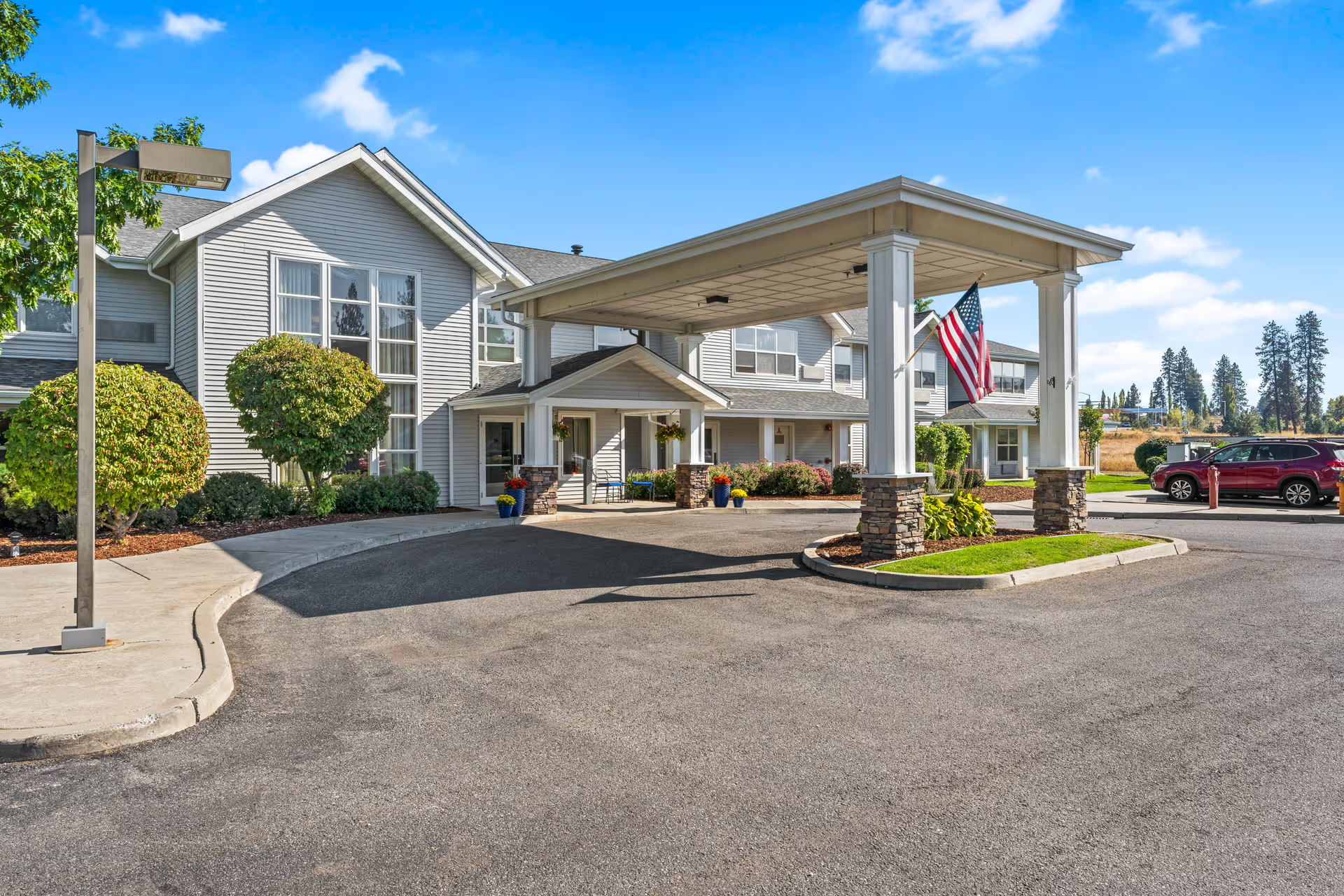
Facilities and lifestyle: The building and campus receive frequent commendation. The Arts & Crafts lodge aesthetic, abundant windows, well-laid-out floor plan, and clean common areas create a bright, hotel-like atmosphere. Apartments are described as spacious and attractive, with on-site amenities such as a beauty salon, gardening opportunities, and regular transportation that support an active lifestyle. Dining is commonly highlighted as a strength — many residents and families describe chef-prepared meals and a varied menu — and programming appears robust, with organized exercise, music, puzzles, outings, and technology-based activities (Wii bowling, etc.) noted across accounts.
Direct care and activities: Direct-care staff (resident assistants, caregivers, and some licensed clinicians) are often credited with compassion, dignity-preserving interactions, and reliable hospice/transition support. Many reviewers emphasize warm welcomes from reception staff, consistent recreational offerings, and a familylike atmosphere among day-to-day caregivers. The community’s activity and entertainment schedule and access to transportation are clear strengths for social engagement and independence.
Care quality and clinical operations: Alongside these positives, a recurring concern involves clinical consistency. Several accounts cite staffing shortfalls and high turnover among resident assistants and licensed nursing staff, with some instances of low staff-to-resident ratios. Reviewers describe gaps in staff training and clinical support that contribute to uneven care delivery, particularly in higher-dependency and memory-care units. There are also descriptions of safety and incident-response problems and at least one serious safety incident referenced in family accounts; additionally, a state ombudsman has documented care concerns, which prospective families should note when evaluating clinical performance.
Management, communication, and billing: Administrative issues appear to be a significant dividing line in reviewer experience. Multiple accounts describe shortfalls in family communication, delays or inconsistencies in responding to concerns, and difficulties coordinating hospital discharges and transport back to the facility. Some families reported perceived unprofessional conduct from management and described changes to care-level classifications accompanied by new, substantial supplemental charges for behavior/compassion management. Questions about billing transparency and fee increases are recurring themes.
Infection control and regulatory responsiveness: A subset of reviews reference dissatisfaction with infection-control policies and COVID-era management; these comments suggest variable responsiveness during outbreak or public-health events. Regulatory follow-up (state ombudsman documentation) was noted in relation to care gaps, which points to areas for further inquiry during a tour or due-diligence check.
Bottom line and recommendations: Luther Park at Sandpoint appears to offer a high-quality physical environment, strong dining and activities, and many dedicated direct-care staff — features that make it attractive for residents seeking an engaged, amenity-rich setting. However, prospective residents and families should investigate operational consistency: ask for current staffing ratios and turnover metrics, review recent regulatory/ombudsman records, request details on supplemental-fee policies and written examples of care-level changes, and probe how the community handles hospital discharge coordination and incident reporting. A focused visit to the memory-care unit and direct conversations with both caregivers and administrative leadership will help clarify whether the facility’s strengths are matched by reliable clinical operations for a given resident’s needs.