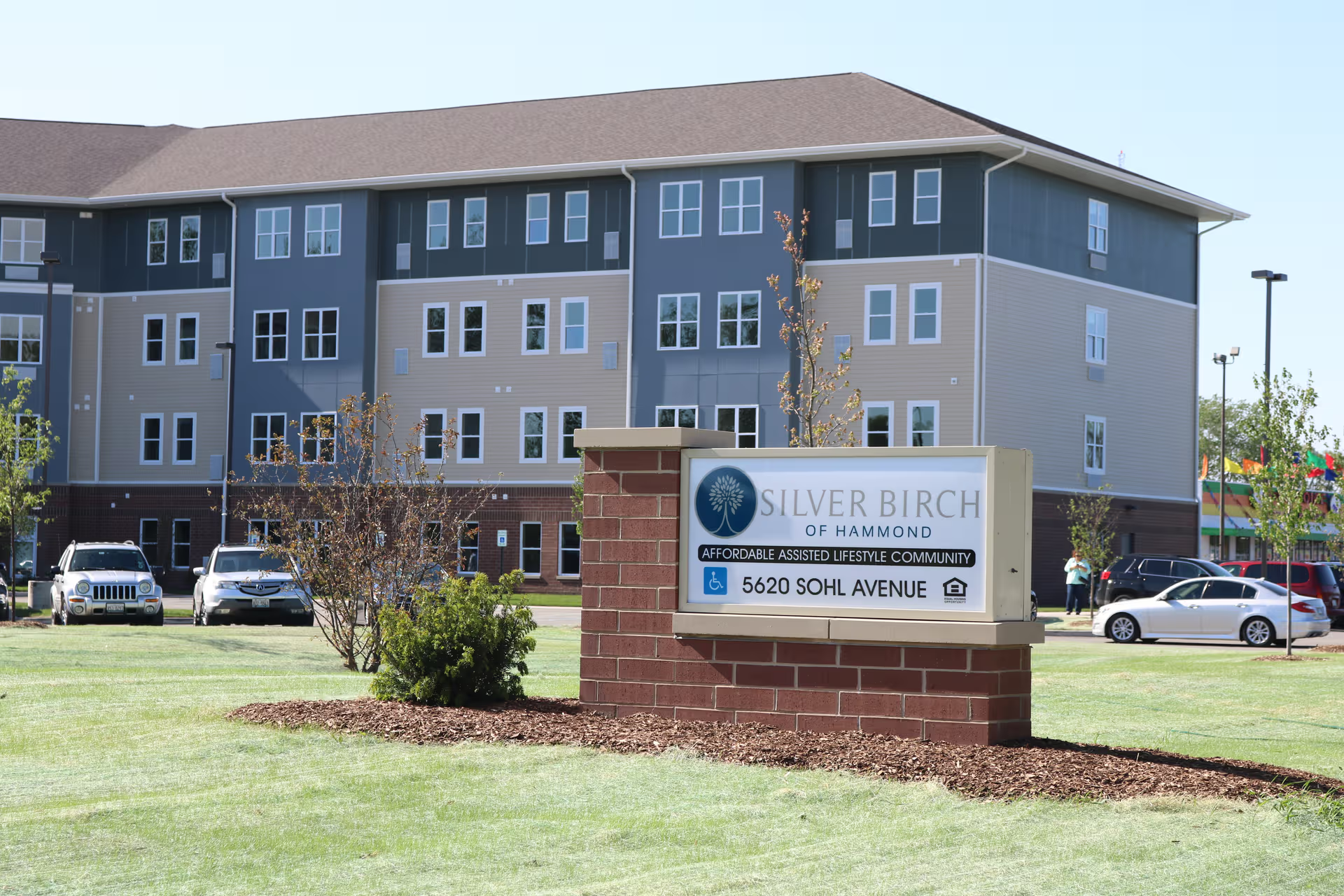
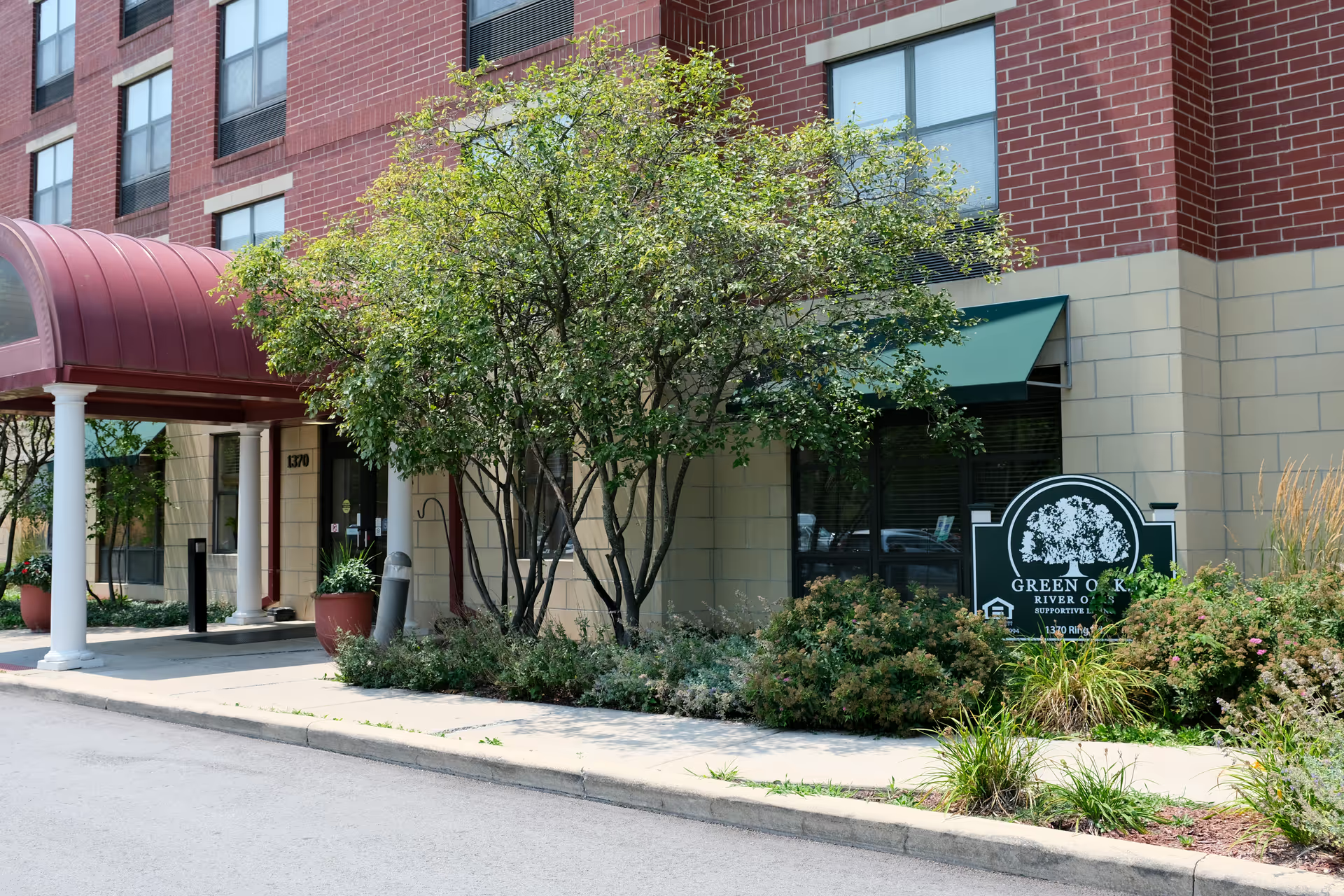
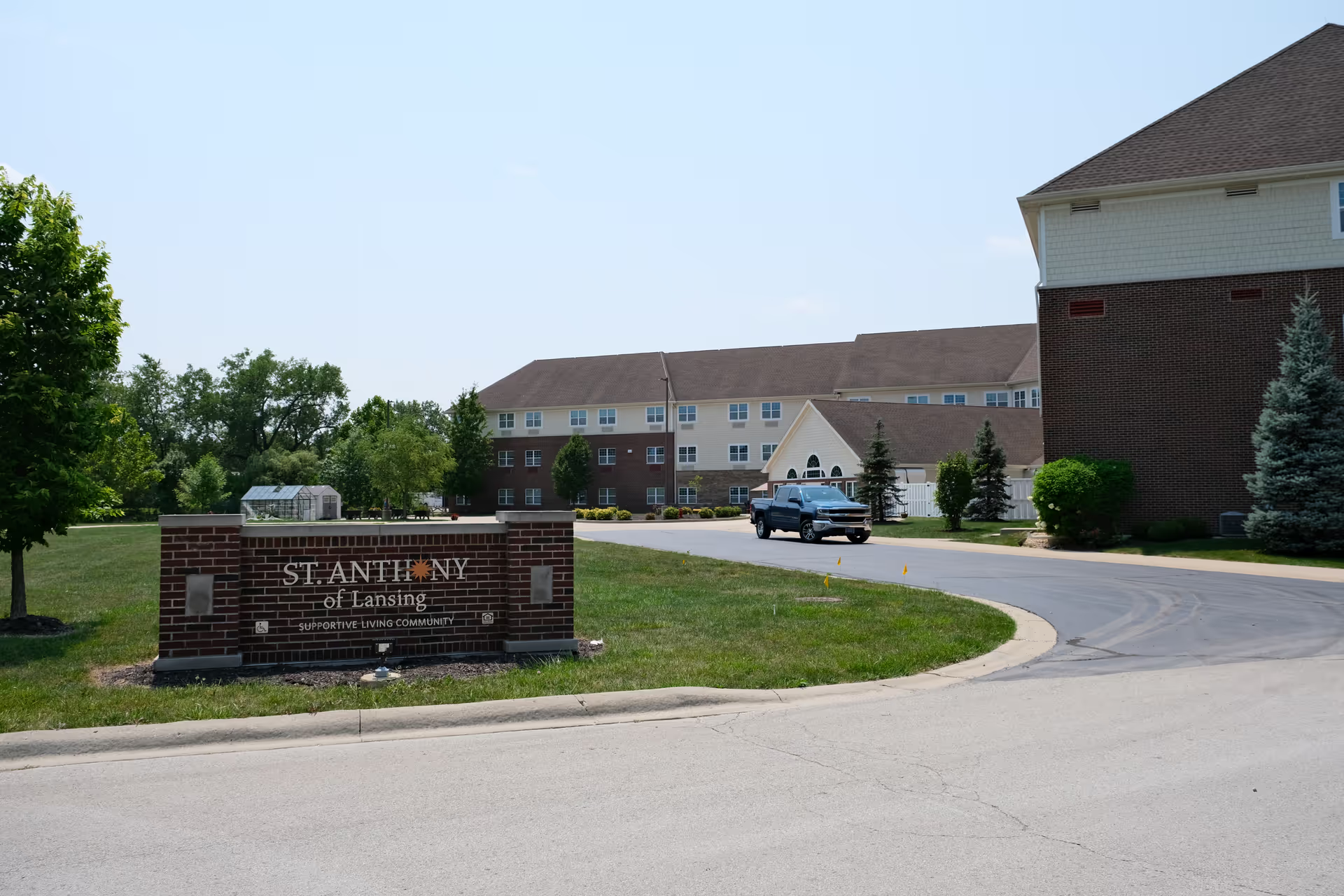
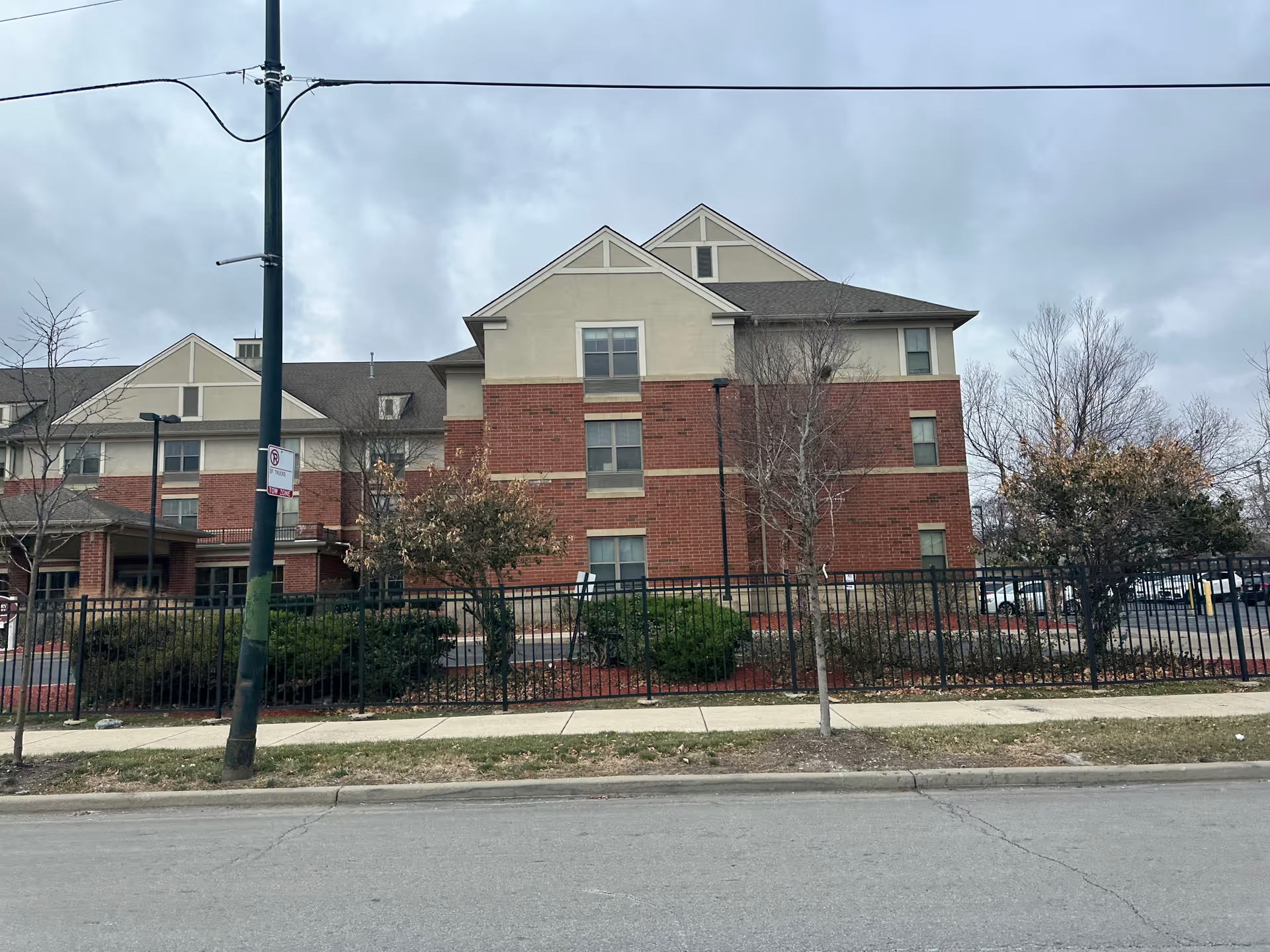
The reviews present a sharply mixed picture. Several families described positive experiences with individual caregivers, specific nurses, and the facility’s dialysis capabilities; those accounts emphasize caring staff members, effective care planning in some cases, helpful admissions staff, and private-room options. At the same time, a substantial cluster of concerns points to operational weaknesses that influence resident safety, daily comfort, and family trust.
Care quality appears inconsistent. Positive notes about competent nursing and strong dialysis services coexist with accounts of delayed clinical responses, frequent emergency transfers, and concerns about medication management that reportedly affected resident alertness and recovery. There are repeated mentions of inadequate follow-through on clinical issues, difficulties getting timely physician communication, and discharges that proceeded without adequate coordination with families or external providers. These patterns suggest gaps in clinical oversight and care coordination rather than uniformly poor clinical skill.
Staffing and staff conduct are similarly mixed. Reviewers named several staff members who provided supportive care and clear communication, but many reviews describe uneven staffing levels, particularly on certain shifts, and concerns about professional tone and responsiveness. These operational problems are linked to longer response times for toileting, bathing, and other daily needs. Management communication and incident follow-up are frequently described as insufficient: voicemail and family-notification systems were criticized, and families reported difficulty obtaining clear explanations after significant events.
Dining and activities were often cited as areas needing improvement. Multiple accounts describe inconsistent meal delivery, limited substitution for dietary restrictions or allergies, and occasional missed or mishandled trays. Social programming and outings appear limited or infrequent, contributing to concerns about resident engagement. Facilities and environmental maintenance are other recurring themes: the building is described as aging, with visible wear, broken equipment, and occasional pest-control and odor concerns. These facility-condition issues appear to affect both resident comfort and perceptions of overall safety.
Security, privacy, and property handling were raised as distinct concerns. Reviews mention restrictive or inconsistent handling of personal devices and belongings, missing items, and privacy incidents tied to inadequate supervision during wandering or hallway exposure events. A small number of serious claims relating to theft and privacy violations were made; these are characterized here as allegations that warrant scrutiny and potential regulatory review.
Taken together, the pattern is of a facility with notable strengths in pockets of clinical care and individual staff commitment, but with systemic operational problems: sanitation and housekeeping gaps, inconsistent staffing and supervision, weaknesses in care coordination and family communication, and an aging physical plant. Prospective families should weigh the positive accounts of specific clinical services and individual caregivers against the recurring operational themes, and perform due diligence including reviewing recent state inspection records and asking facility leadership for specific remediation plans and staffing metrics before deciding.