Overall impression: Reviews reflect a facility with strong strengths in hands-on care, therapy, and resident engagement while also demonstrating operational and leadership weaknesses that produce inconsistent resident experiences. Many families and former residents praise the direct caregivers and therapy teams, but concerns about staffing, management practices, and certain safety and property-control processes recur and should be considered when evaluating placement.
Care and clinical services: Clinical strengths that emerge include competent wound nurses, effective rehabilitation therapists, and attentive aides who many describe as compassionate and invested in residents' recovery. The therapy department is highlighted as a major asset, with frequent mention of six-day-per-week physical therapy and meaningful progress toward return-home goals. At the same time, reviewers indicate variability in clinical continuity: high nursing turnover and use of agency staff can interrupt established care routines and contribute to inconsistent documentation and follow-up. Several reviewers expressed concerns about safety protocols related to transfers and bed-rail use; these have been framed as gaps in transfer and bed-safety practices rather than uniform system performance.
Staff, culture, and responsiveness: A consistent theme is a strong core of full-time staff who create a family-like atmosphere and go beyond basic duties to assist with appointments, monitor care, and engage residents. Housekeeping and activities staff are frequently described as friendly and welcoming. Contrasting this, many accounts point to staffing shortages, episodes of unprofessional conduct, and variability in staff responsiveness—particularly among temporary or agency personnel. Management issues are also noted: reviewers describe weak accountability, perceived favoritism or nepotism, and a tendency for leadership to dismiss or inadequately address family concerns.
Dining, activities, and daily life: The facility offers an active programming schedule—daily trivia, crossword groups, coloring activities, and a daily newsletter are cited as productive engagement tools. Common areas and an outdoor patio provide options for socializing and quiet time. Food quality is described inconsistently: some reviewers praise appetizing meals and snack/self-serve options, while others report uneven meal quality. Daily room cleaning and routine housekeeping are commonly noted as strengths, although cleanliness variability appears in some units.
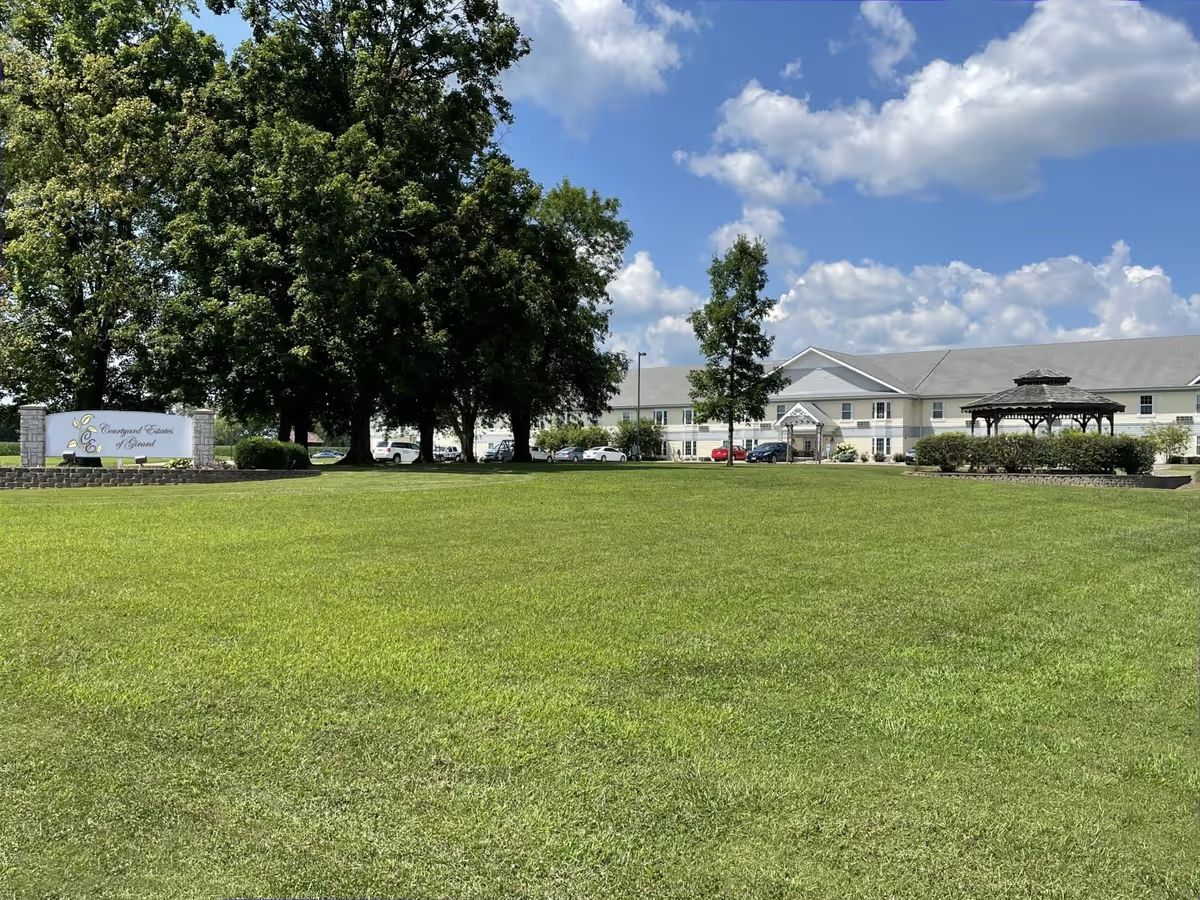
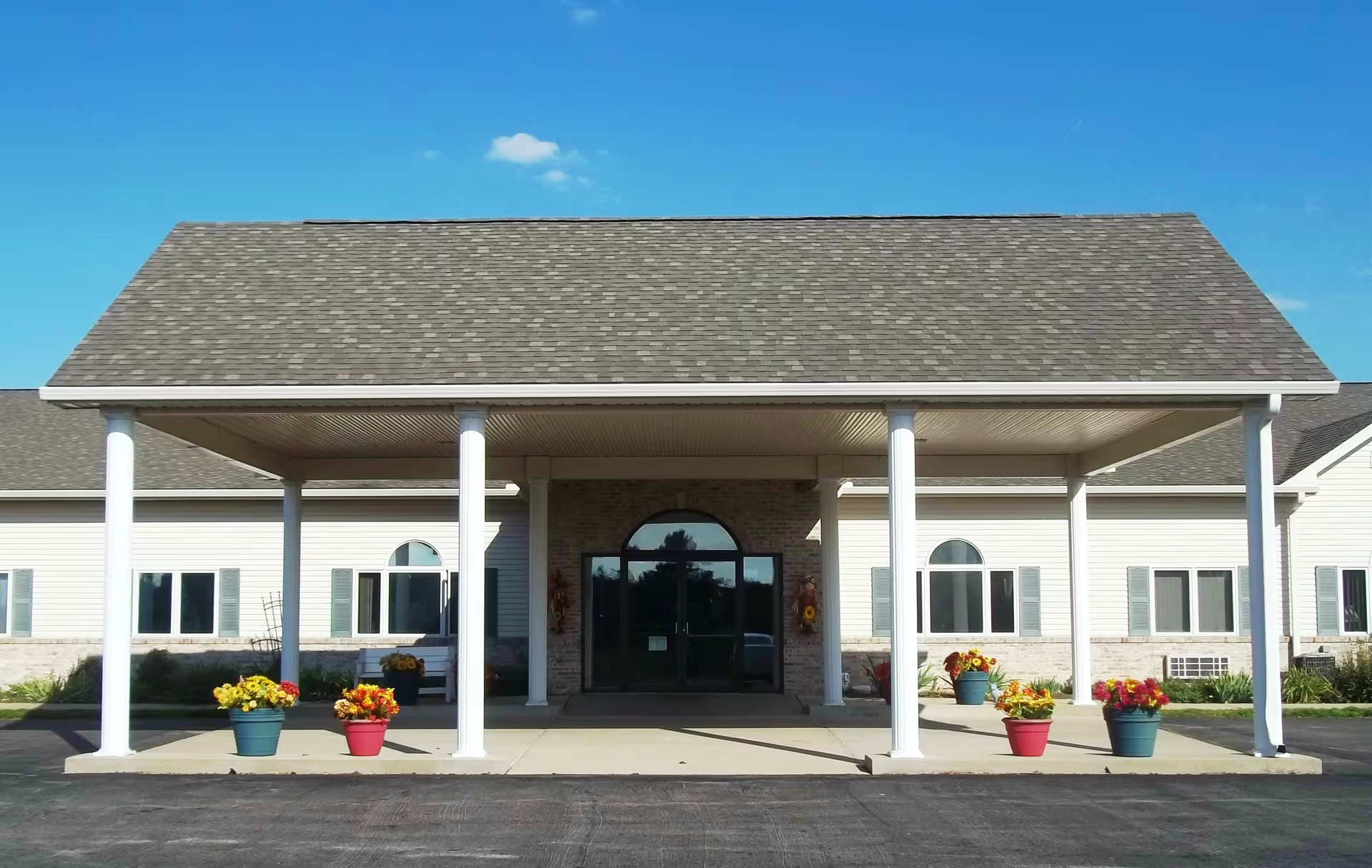
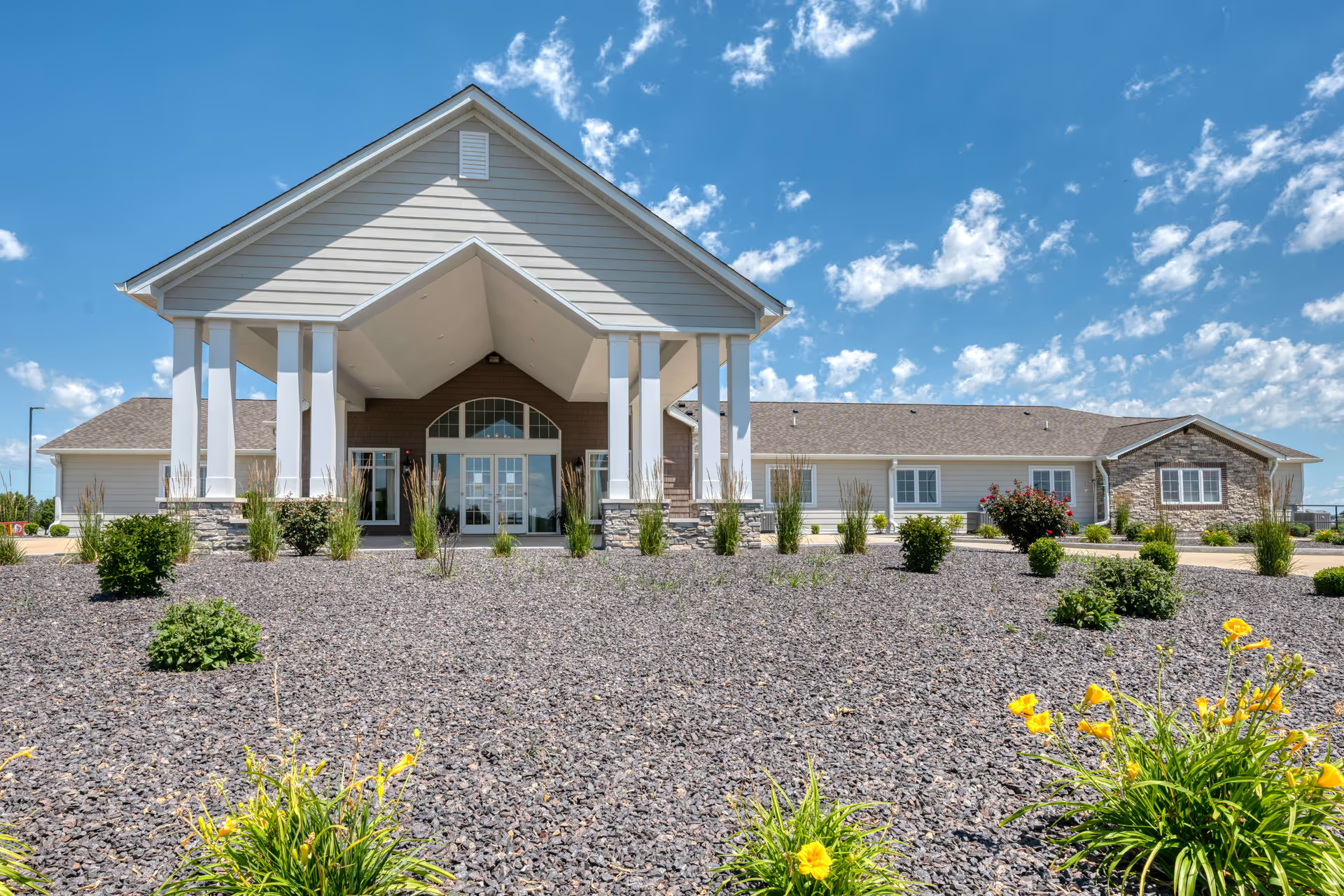
Facilities and property concerns: The building is characterized as dated by some reviewers but generally bright and well-maintained in common spaces. However, concerns about sanitation and occasional unclean conditions in some areas are present alongside praise for cleanliness in others. Multiple accounts of lost, torn, or missing clothing and personal items suggest weaknesses in personal-property controls and laundry handling processes.
Safety and operational risks: Recurring operational concerns include staffing shortages that affect responsiveness, potential medication delays tied to pharmacy hours, reliance on temporary staff that reduces continuity, and gaps in safety protocols around transfers and bed use. These are presented as pattern-level issues that can increase risk for residents if not addressed. There are also mentions of management dismissiveness and limited accountability, which reviewers link to slower resolution of clinical or property-related problems.
Recommendations for prospective residents and families: Prospective families should weigh the facility's strong therapy and caregiving teams against operational variability. When touring, consider asking about current staffing ratios, use of agency staff, transfer- and bed-safety protocols, medication ordering and pharmacy hours, property-loss procedures, and how grievances are handled. Observing care interactions, reviewing therapy schedules, and checking laundry/property policies can help determine whether the facility’s strengths align with an individual resident’s needs.