The reviews present a mixed but distinct set of patterns. Positive comments consistently highlight the facility's staff and small-scale environment: many family members described compassionate, attentive caregivers who provided clear communication, supportive admissions assistance, and accommodating end-of-life support. Several reviewers emphasized that staff made exceptional efforts during the COVID-19 period to enable family contact through glass visits and, in some cases, to permit hands-on presence during a resident's final hours. Therapy and rehabilitation services also received favorable mentions, and the overall atmosphere is frequently characterized as welcoming and family-like.
Care quality appears uneven. While numerous families praised individual caregivers and administrators for responsiveness and empathy, there are recurring operational concerns that suggest variability in clinical oversight. Medication management and documentation emerged as a pattern-level weakness, with examples of missing medication lists and inconsistent administration. Relatedly, some reviewers described delays in responding to call buttons and other requests, which aligns with indications of understaffing that can affect daily care and activity availability.
Dining and daily services show mixed experiences. Positive commentary noted helpful staff and a generally clean, small facility with social programming such as bingo and group activities. Conversely, other reviewers described interruptions in meal service, food being misplaced or not delivered as intended, and limited kitchen staffing. These items point to inconsistent meal-service continuity and food-handling processes that could benefit from operational review.
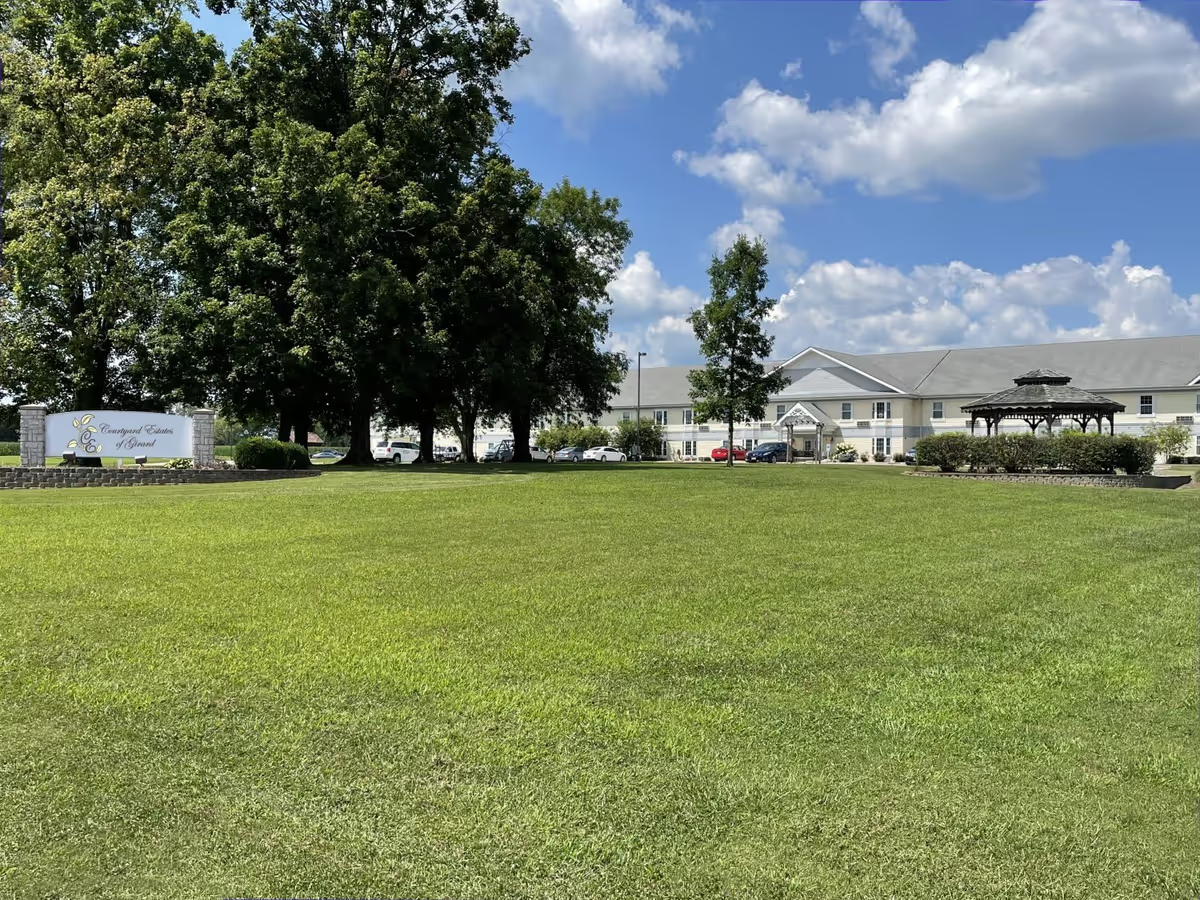
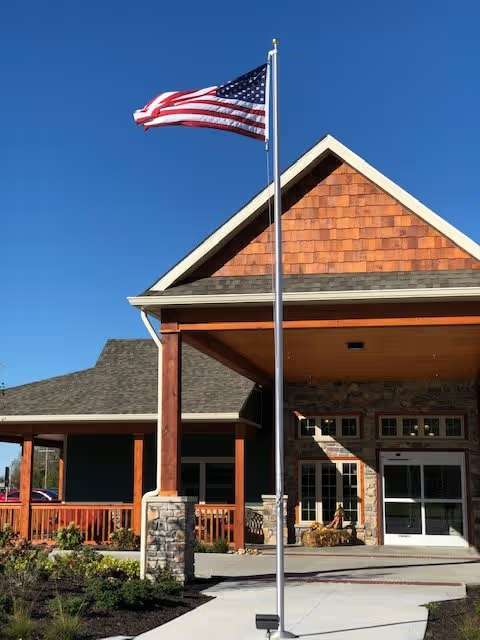
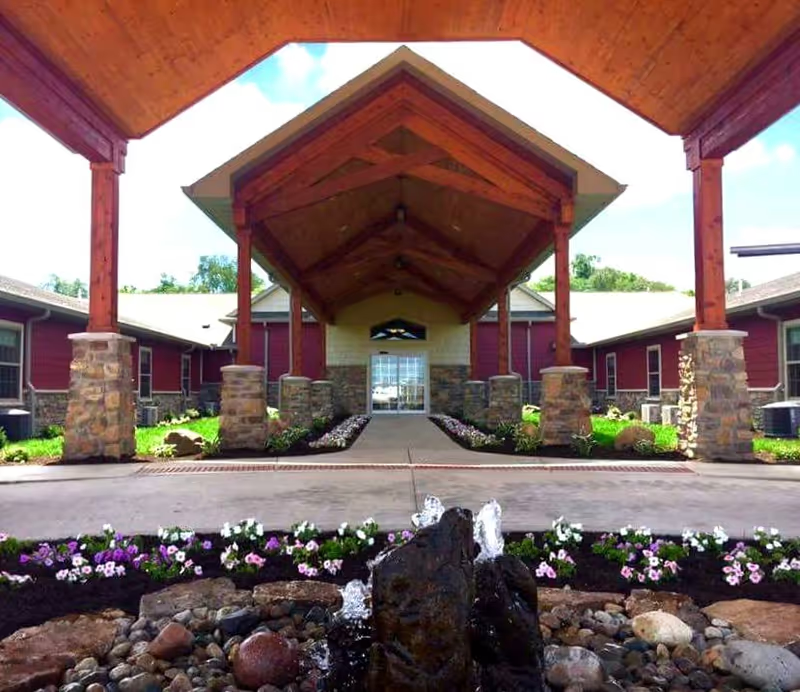
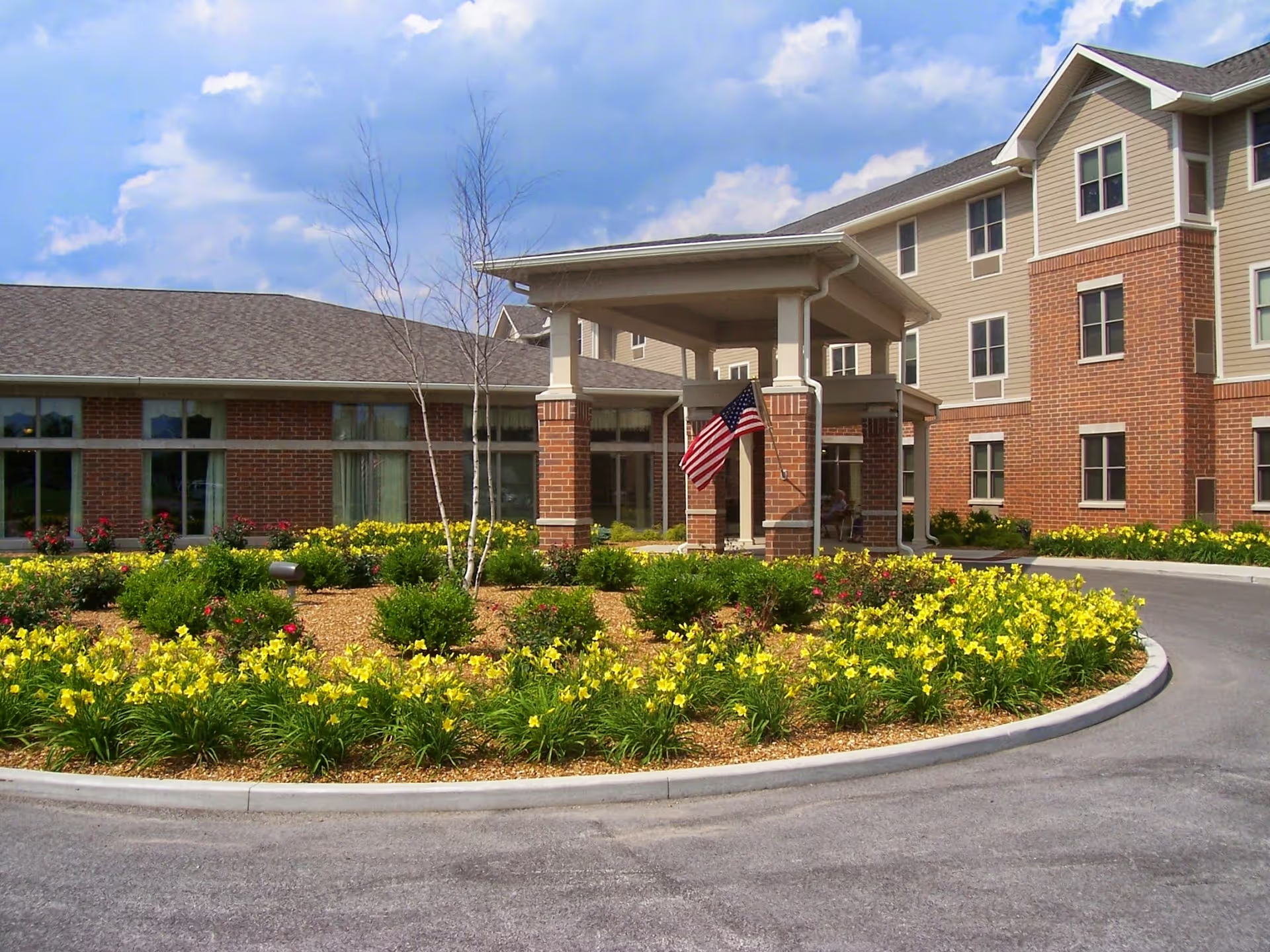
Facility condition and accessibility are another area of divergence. The building's small scale is appealing to some families, but several reviewers raised sanitation and odor concerns in specific areas and noted peeling paint in bathrooms. Accessibility issues were highlighted — limited space for wheelchairs in bathrooms, shared restroom arrangements, and crowded rooms that reduce privacy and complicate mobility. Policies around personal belongings and secured storage were also described as restrictive by some families.
Management and communication generally receive positive marks for admissions support and family collaboration; staff names were singled out for going "above and beyond," and many families felt well informed and cared for. At the same time, there are recurrent suggestions that clinical protocols—particularly wound-care/skin integrity management and medication/documentation systems—need strengthening, and that staffing levels should be evaluated to ensure consistent responsiveness and reliable delivery of meals and activities.
In sum, Hallmark Healthcare of Carlinville appears to offer a compassionate, community-oriented environment with notable strengths in admissions support, family communication, and rehabilitation services. Prospective residents and families should weigh these strengths against operational concerns described by others—particularly around medication/documentation practices, staff responsiveness during peak periods, dining continuity, sanitation/odor control in specific areas, and physical accessibility. Those considering the facility may wish to ask management about current staffing ratios, medication-administration protocols, wound-care procedures, dining service plans, and any recent remediation of facility maintenance or sanitation issues before making a placement decision.