Overview: Reviewers generally describe Villas of Holly Brook Herrin as a well-kept, attractive assisted‑living community with a strong emphasis on resident-centered interpersonal care. Positive remarks center on compassionate staff, a home-like atmosphere, and plentiful social programming. At the same time, a number of operational and programmatic inconsistencies emerge across accounts—most notably around dining, staffing levels, and some maintenance/amenity reliability.
Care and staff: Care quality is the most consistently praised element. Families and residents frequently describe staff as kind, attentive, and personally engaged—often noting that staff know residents by name and provide individualized attention. Several comments highlight effective communication from nursing and administrative staff, proactive updates to families, and examples of staff going beyond routine duties. However, reviewers also describe staffing shortages and turnover that can stretch workers thin; some express discomfort with the absence of around‑the‑clock nursing coverage. Prospective families should confirm current staffing ratios and clinical coverage levels during a tour.
Dining: Dining impressions are mixed. Many reviewers praise the dining room environment, a full-service approach, and occasions of varied or enjoyable meals run by a committed dining director. Conversely, other accounts describe menu repetition, carbohydrate-heavy or low-grade entrees, limited seasonal/local sourcing, and challenges accommodating specific diets—particularly vegetarian preferences and some requests for customization. These divergent views suggest variability in daily meal execution; verifying sample menus and special-diet processes is advisable for residents with strict nutritional needs.
Activities and social life: Social programming is a clear strength in several reports: organized activities, weekly live music, bingo, holiday events, exercise opportunities, and a generally active social calendar foster engagement. The activity team and directors received specific praise for hands-on involvement and well-run events. That said, a subset of reviewers perceived the schedule as more sedentary with limited off-site outings; activity balance and transportation for external trips may vary over time. Families should review the current activity calendar and outing frequency if off-campus engagement is important.
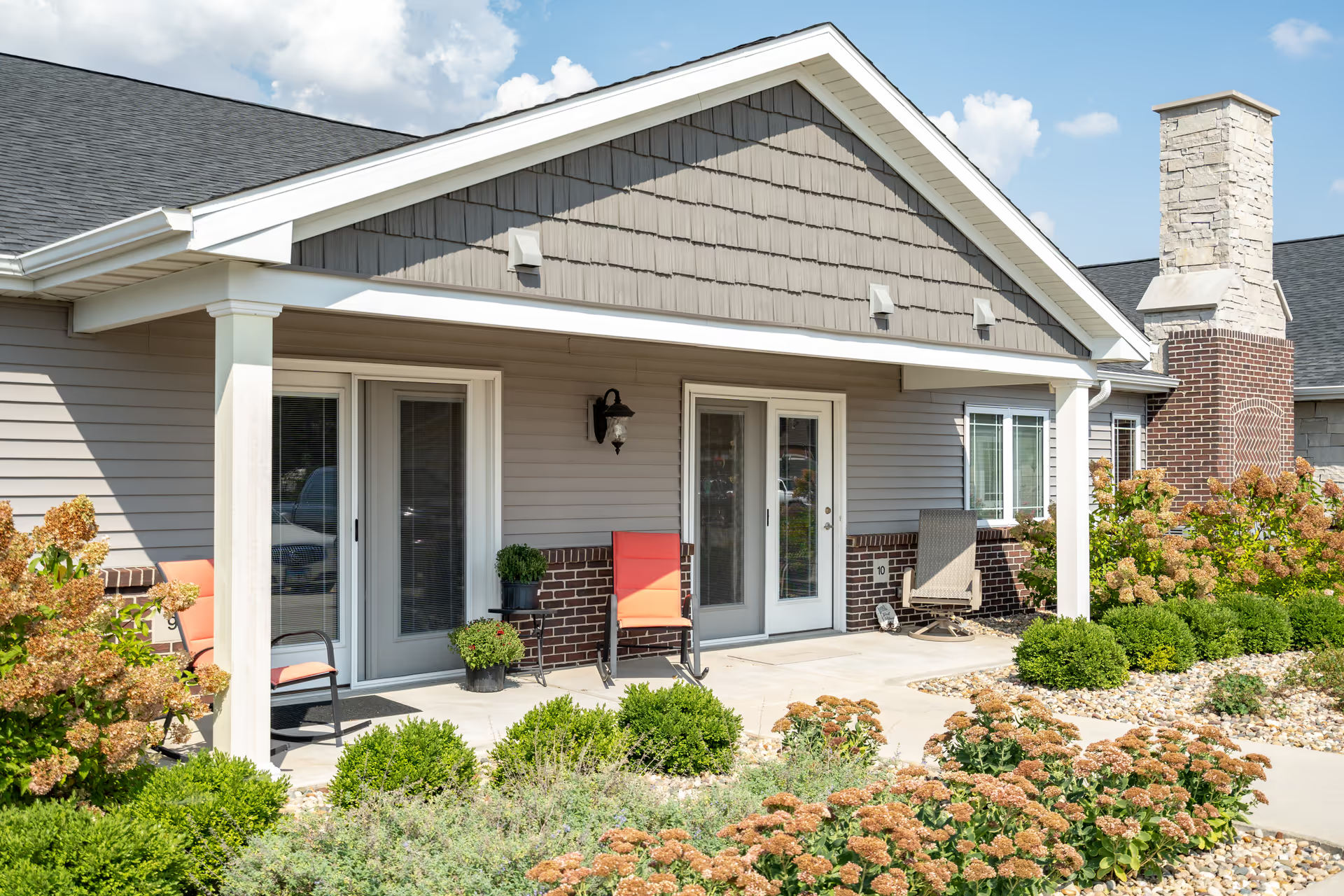
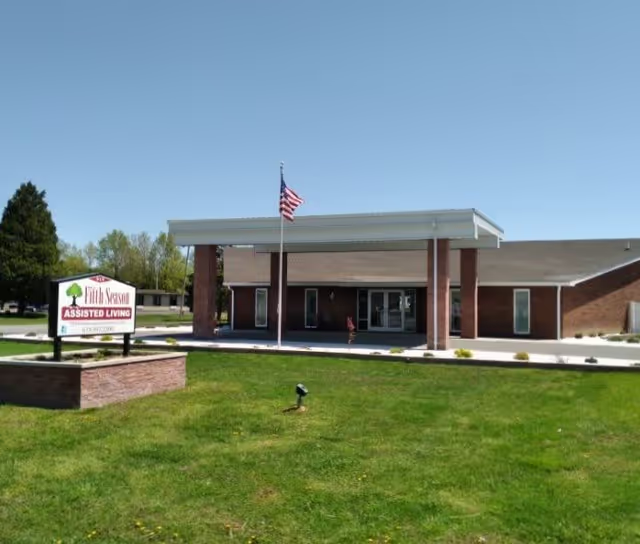
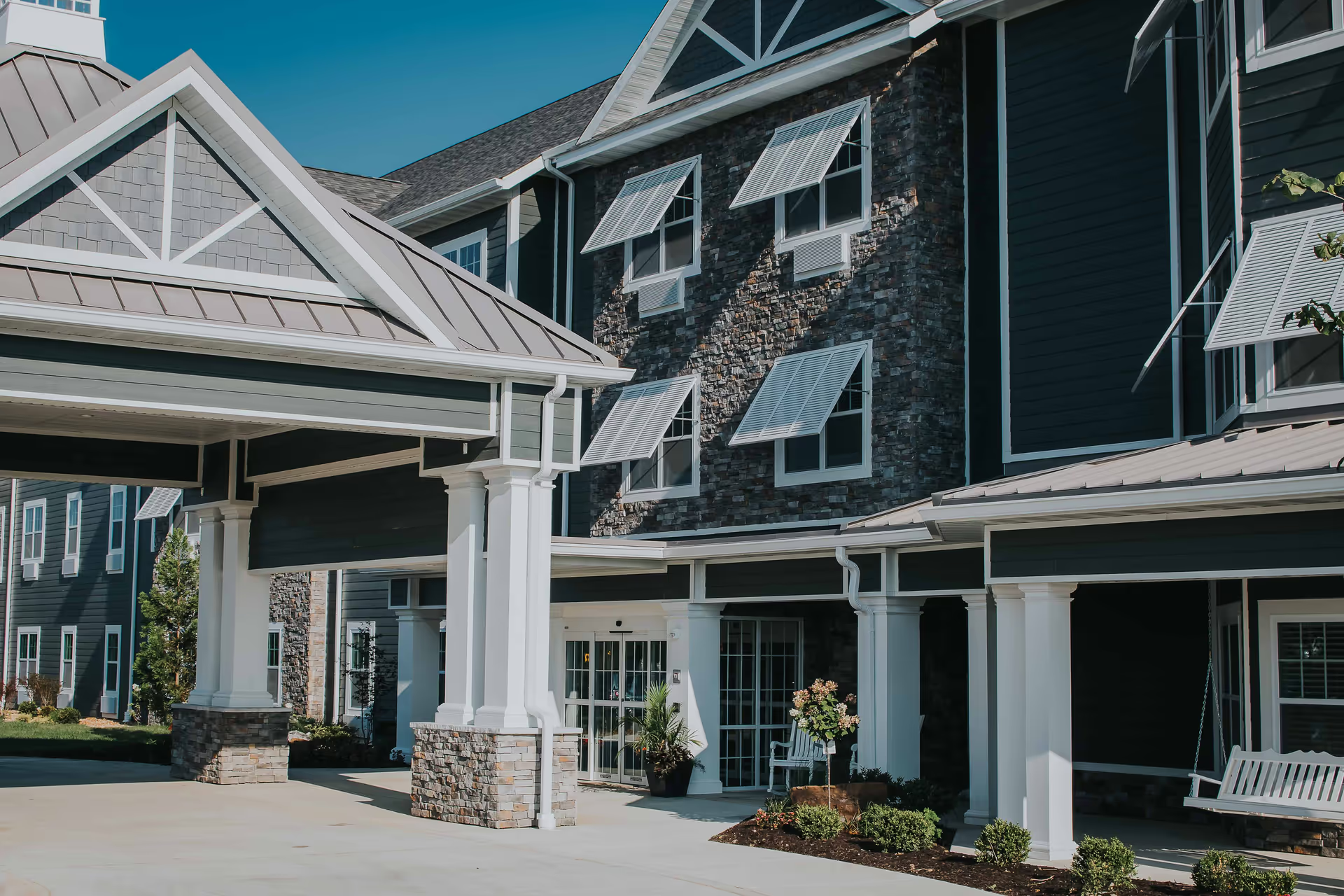
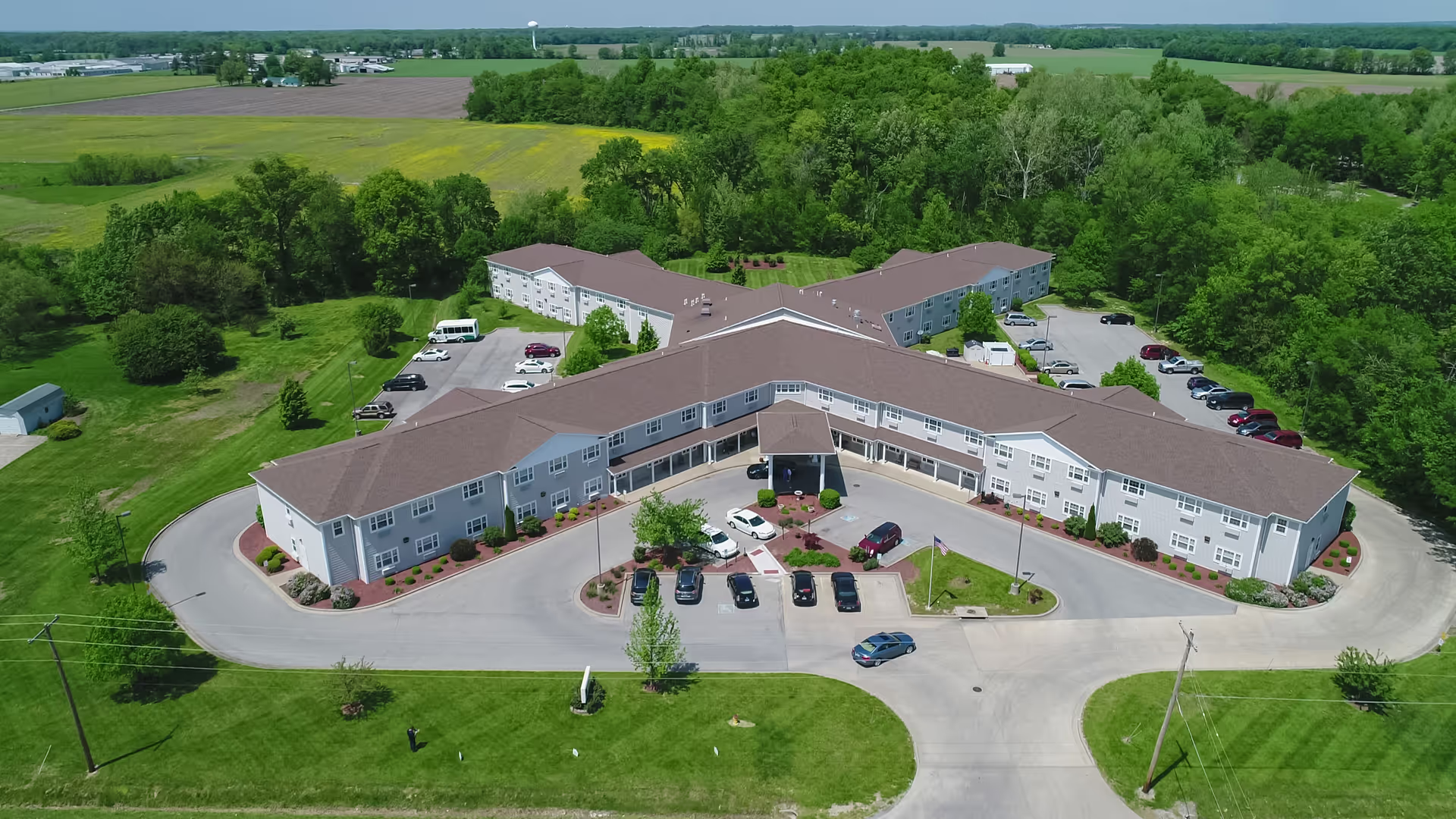
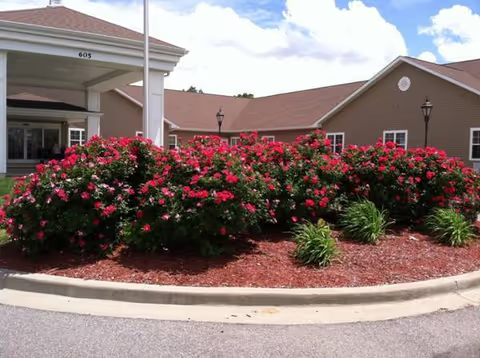
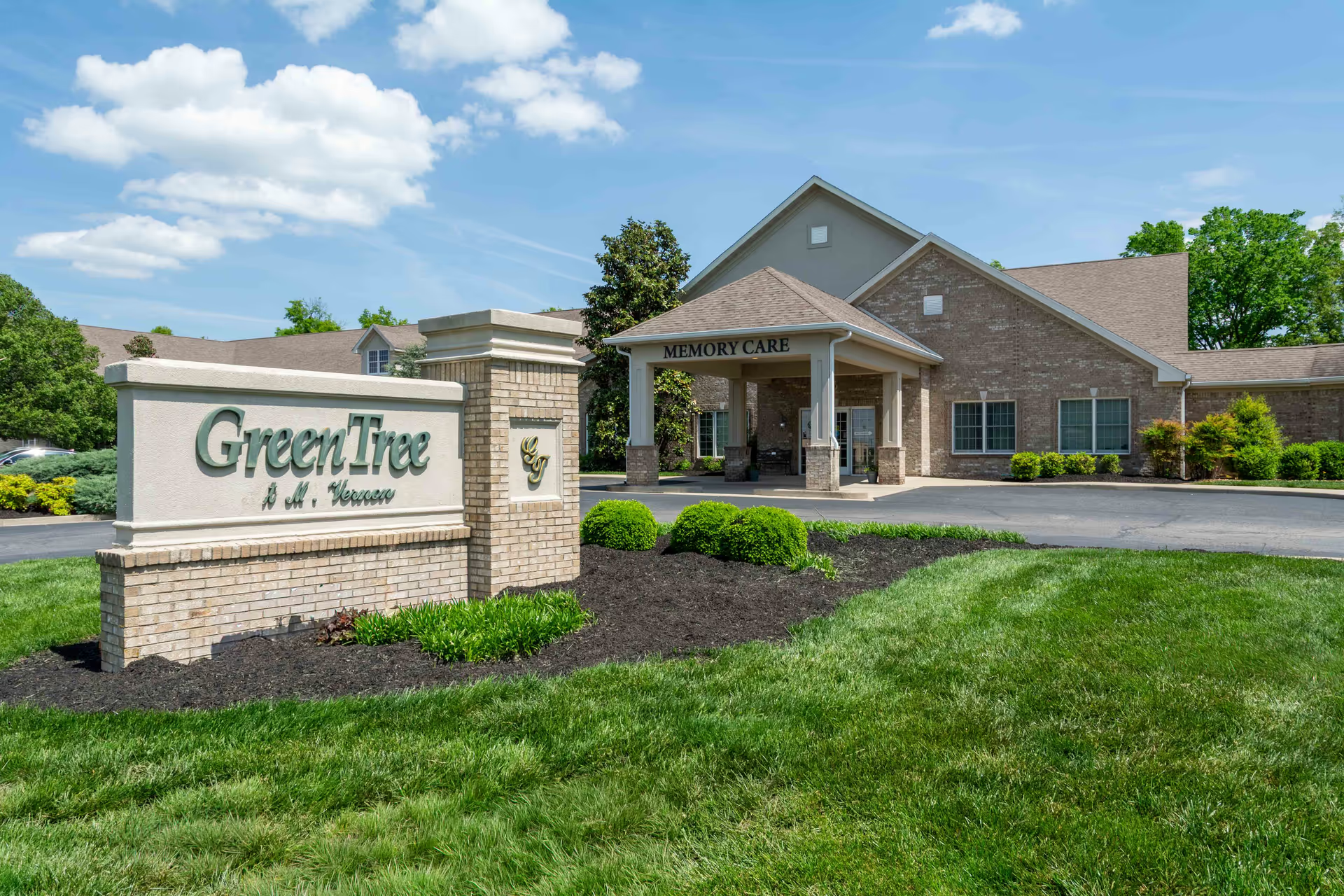
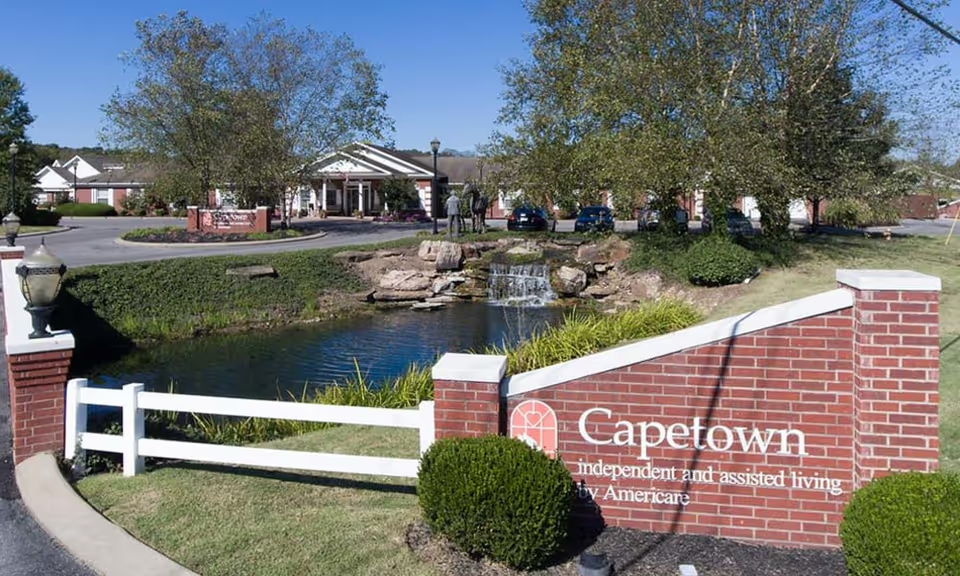
Facilities and amenities: The facility is frequently described as attractive, spotlessly decorated, and senior‑friendly, with many on-site amenities (theater, salon/barber, general store, spa with walk-in tub, courtyard, walking trail). Apartments are characterized as comfortable and well laid out by many residents. Some concerns were raised about intermittent amenity availability (for example, a theater that is sometimes nonoperational), worn areas that may need renovation, pond and exterior upkeep, and variable room sizes and soundproofing. These indicate a generally high-quality physical plant that nonetheless requires ongoing maintenance and occasional upgrades.
Management and operations: Administrative responsiveness receives positive mentions—helpful tours, attentive admissions staff, and hands-on activity/dining leadership. Several reviewers note management transitions that initially created issues but then improved operations. Operational weaknesses that recur are staffing consistency, transportation reliability, laundry-handling practices, and clarity about long-term memory-care capacity. Cost and private-pay pricing arise as a concern for some families who question value relative to competitors. Prospective residents should ask about current leadership stability, staffing metrics, transportation schedules, and laundry procedures.
Notable patterns and recommendations: Overall sentiment tilts positive for interpersonal care, cleanliness, and social atmosphere, with consistent praise for staff who create a family-like environment. Primary areas to investigate further during a visit are current dining menus and dietary accommodation processes, real‑time staffing levels and nursing coverage, transportation availability for appointments and outings, and the facility’s plan and timeline for identified maintenance or renovation needs. Also confirm memory-care pathways if future cognitive-support services may be required. These targeted questions will help align expectations with the variable operational experiences described by reviewers.