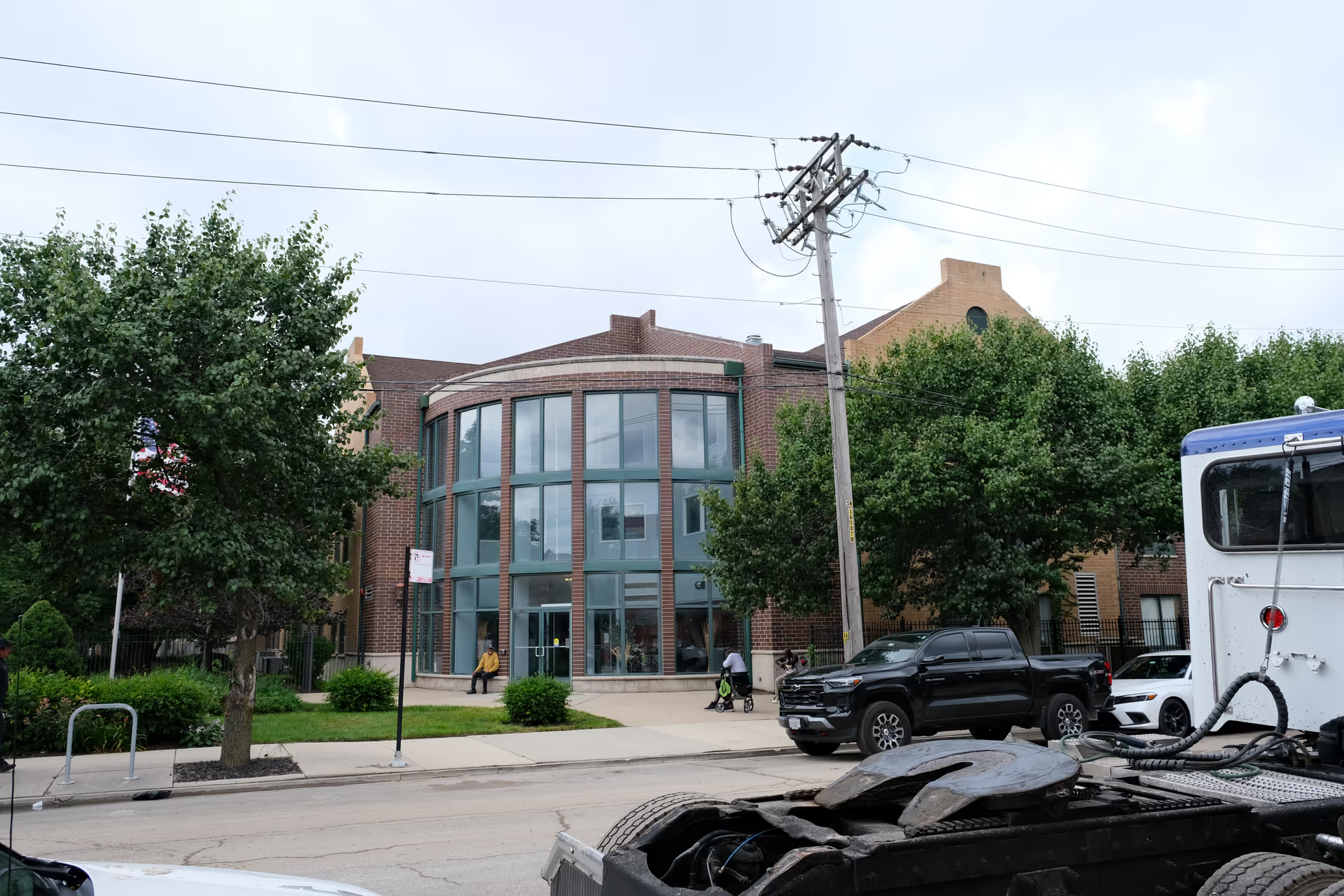
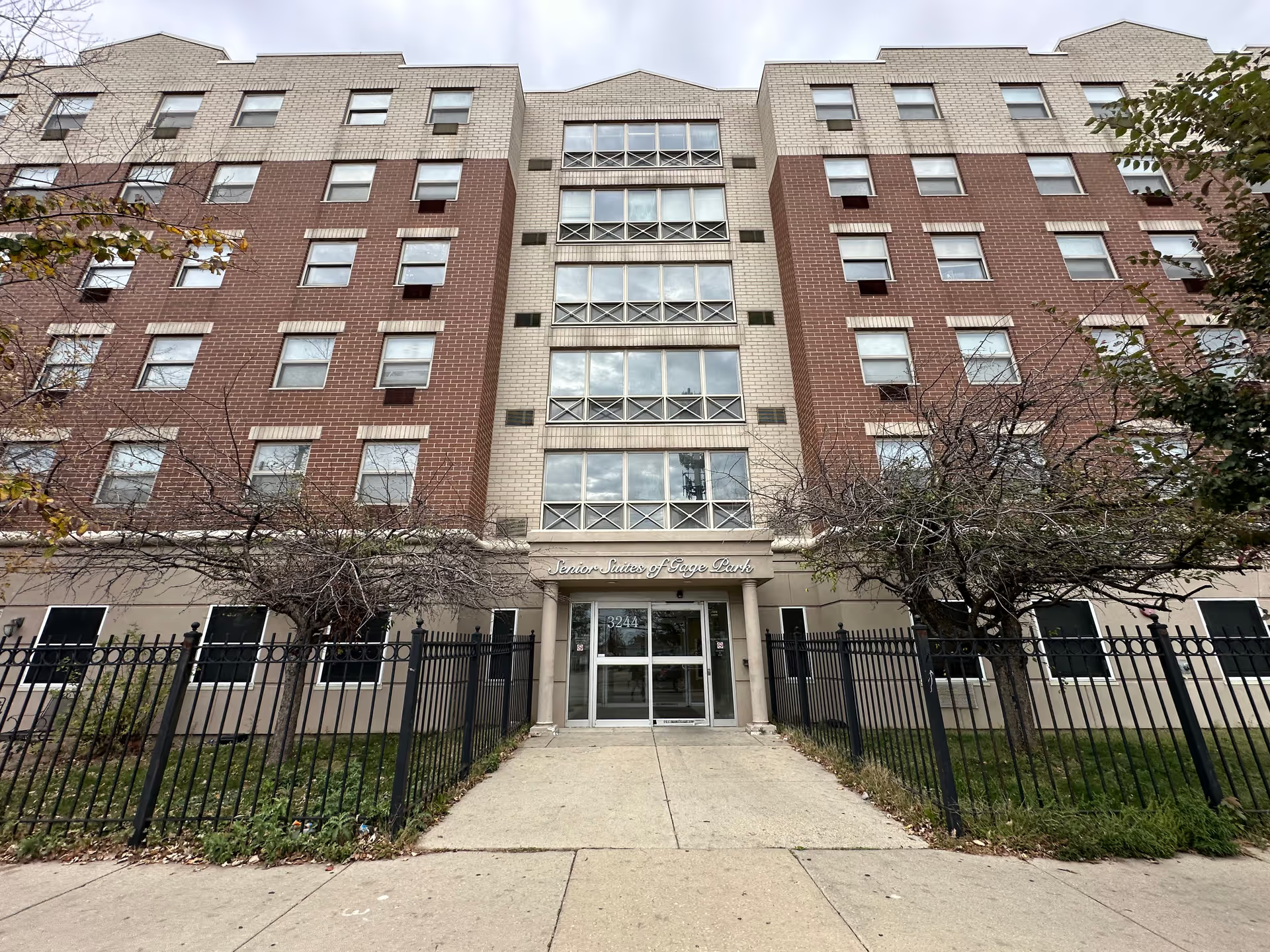
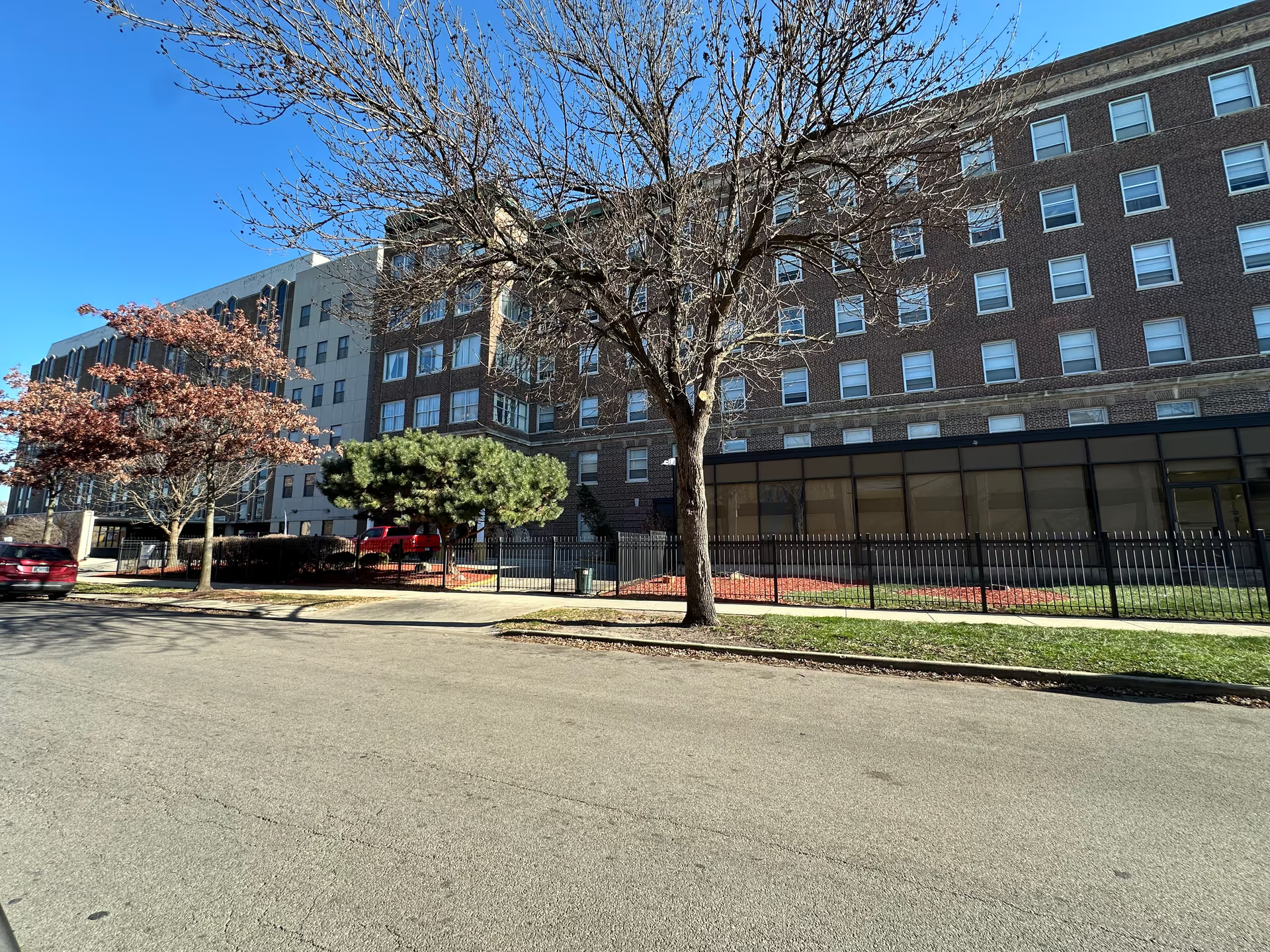
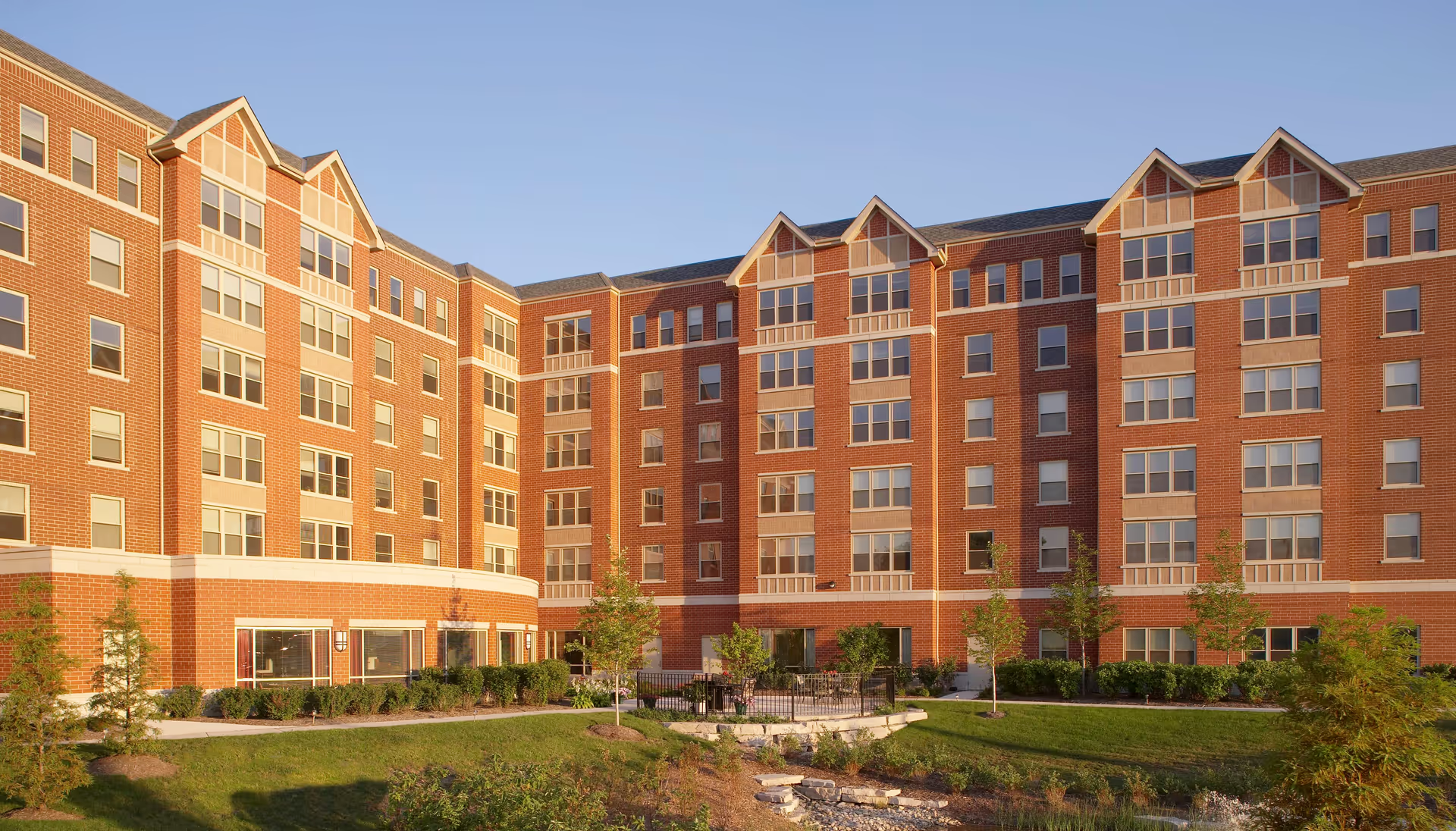
The review set presents a polarized view of California Terrace, with a subset of families describing positive individual staff interactions and clean rooms, while a larger portion raise repeated operational concerns. Recurring themes include understaffing, delays in basic caregiving tasks, and inconsistent clinical processes; these patterns translate into worry about overall care quality and reliability for residents who require regular assistance.
Care quality: Many families expressed concern about inconsistent attention to resident needs, including missed assistance with daily living tasks and inconsistent or delayed toileting and bathing support (described here as incontinence-care process failures). There are also multiple references to medication and documentation errors, which indicate weaknesses in medication administration protocols and recordkeeping. A few families noted positive clinical leadership and competent nursing oversight, but those accounts are not uniform.
Staff and conduct: Staffing levels and staff conduct are prominent issues. Reviewers report periods of limited staff availability—especially on weekends—and staff distracted by non-work activities, contributing to delayed responses. Several accounts describe problematic interpersonal interactions between staff and residents or families; reviewers frame these as concerns about communication tone and professionalism. There are also specific allegations of misconduct, including theft of personal items and claims of illicit activity on site, which warrant formal investigation.
Dining and activities: Comments about food and meal service are mixed but lean negative: reviewers describe inconsistent meal quality and insufficient portions for some residents. Activity programming and rehabilitation services were described as inadequate or unavailable at times, with some families noting an absence of expected therapy sessions or group activities.
Facilities and maintenance: The physical plant is another frequent concern. Reviewers report sanitation and odor-control deficiencies, housekeeping lapses, and pest-control shortcomings. Elevator reliability, long waits, and heat in elevator cars were mentioned as operational problems that could affect resident mobility and evacuation planning. Laundry and personal-belongings management problems, including missing clothing, were raised repeatedly.
Management and communication: Many families reported poor communication from administration and social work, including difficulty reaching staff by phone, inconsistent updates, and unmet discharge or transfer commitments. These issues compound clinical concerns and leave families feeling uninformed. Several commenters called out gaps in management oversight and accountability, suggesting the need for clearer protocols and stronger supervisory presence.
Notable patterns and recommendations: The reviews show clustered operational weaknesses rather than isolated, one-off incidents—particularly around staffing, cleanliness, medication processes, and communication. While there are positive reports of caring individuals and competent nursing leadership, the preponderance of service-gap comments indicates systemic issues requiring attention. Prospective residents and families should request up-to-date care plans, staffing ratios, medication-administration policies, recent inspection reports, and documented therapy schedules; they may also consider asking management about security measures and pest-control logs. For regulators and advocates, the combination of clinical, sanitation, and security concerns—plus allegations of illicit activity—supports the need for an onsite review and clearer corrective action planning.