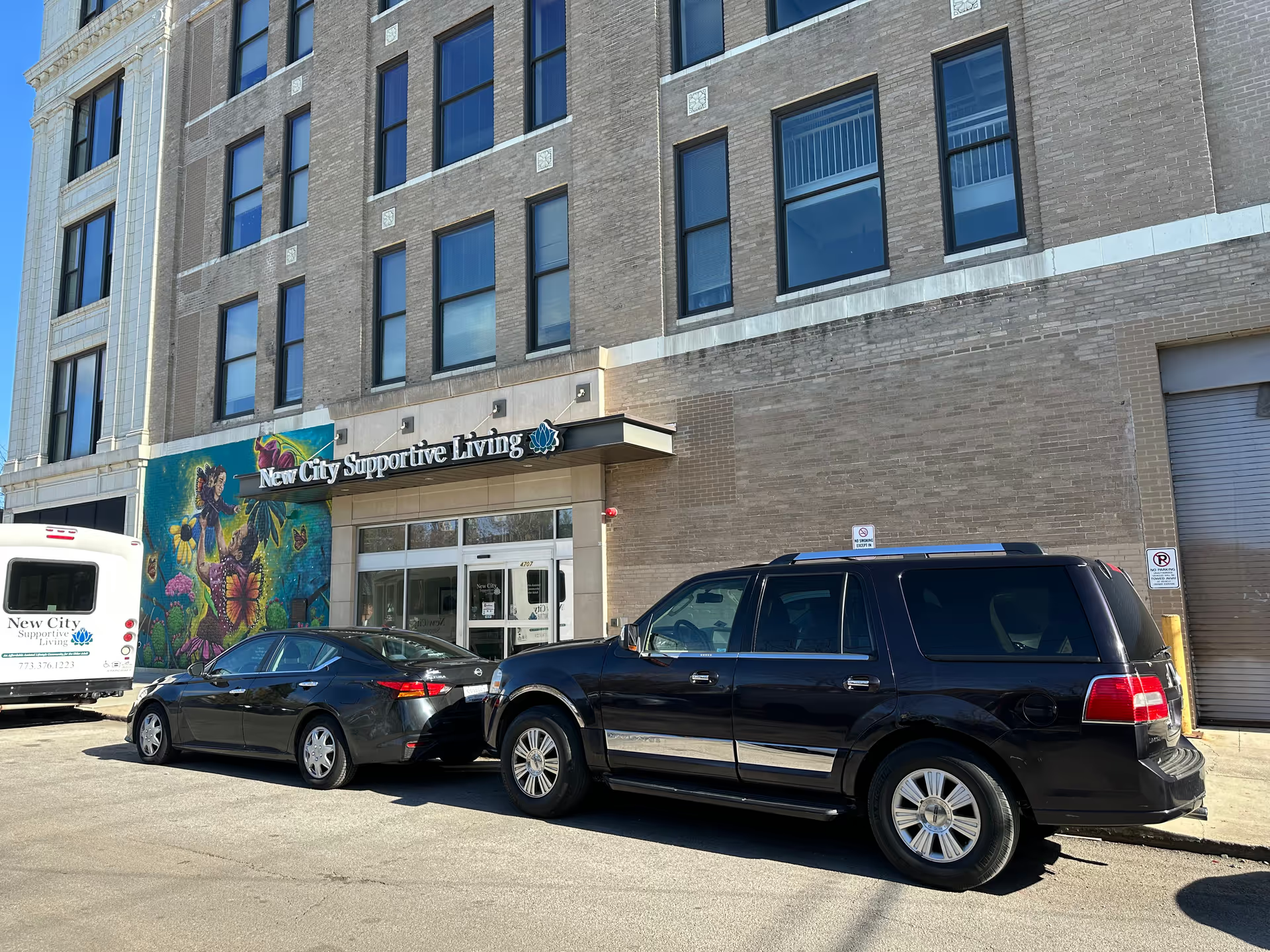
Elevate Care Windsor Park elicits strongly mixed impressions. Many families and visitors praise the facility’s welcoming admissions experience, clean and bright common areas, and an active calendar of resident programs. Guest-relations and front-desk staff receive frequent positive mention for attentive, compassionate interactions and for facilitating admissions and family communications during transitions. Several clinicians and therapy staff — including wound-care and rehabilitation personnel — are described as effective and supportive, and on-site therapy services are available.
Care quality is inconsistent across reports. Positive accounts describe attentive, caring nursing and aide interactions and effective coordination during admission and discharge. However, a number of reviews describe operational gaps that affect clinical reliability: delayed nurse responses, weaknesses in medication and feeding safeguards, and instances where care for higher-acuity residents (for example, those with tracheostomies or mobility limitations) was perceived as insufficient. Families noted both strong individual caregivers and situations indicating uneven clinical competency; this variability appears linked to staffing levels and shift-to-shift coverage.
Staffing and communication emerge as central themes. When present, strong point contacts and an engaged administrator or guest-relations liaison lead to prompt issue resolution and high family satisfaction. Conversely, families report inconsistent information flow from floor staff, difficulty obtaining timely updates, and a perception of limited ownership at the unit level. Reports of staff distraction (excessive personal phone use, gossip) and attitude issues were flagged as impairing responsiveness and accountability.
Dining and ancillary services show variation. Several reviewers praised meal delivery and a homelike dining atmosphere, while others cited inconsistent food quality and missed or inappropriate meal trays. Housekeeping and custodial services are largely praised for maintaining an odor-free, bright environment, but specific instances of sanitation or laundry lapses were reported, suggesting uneven execution across floors or shifts.
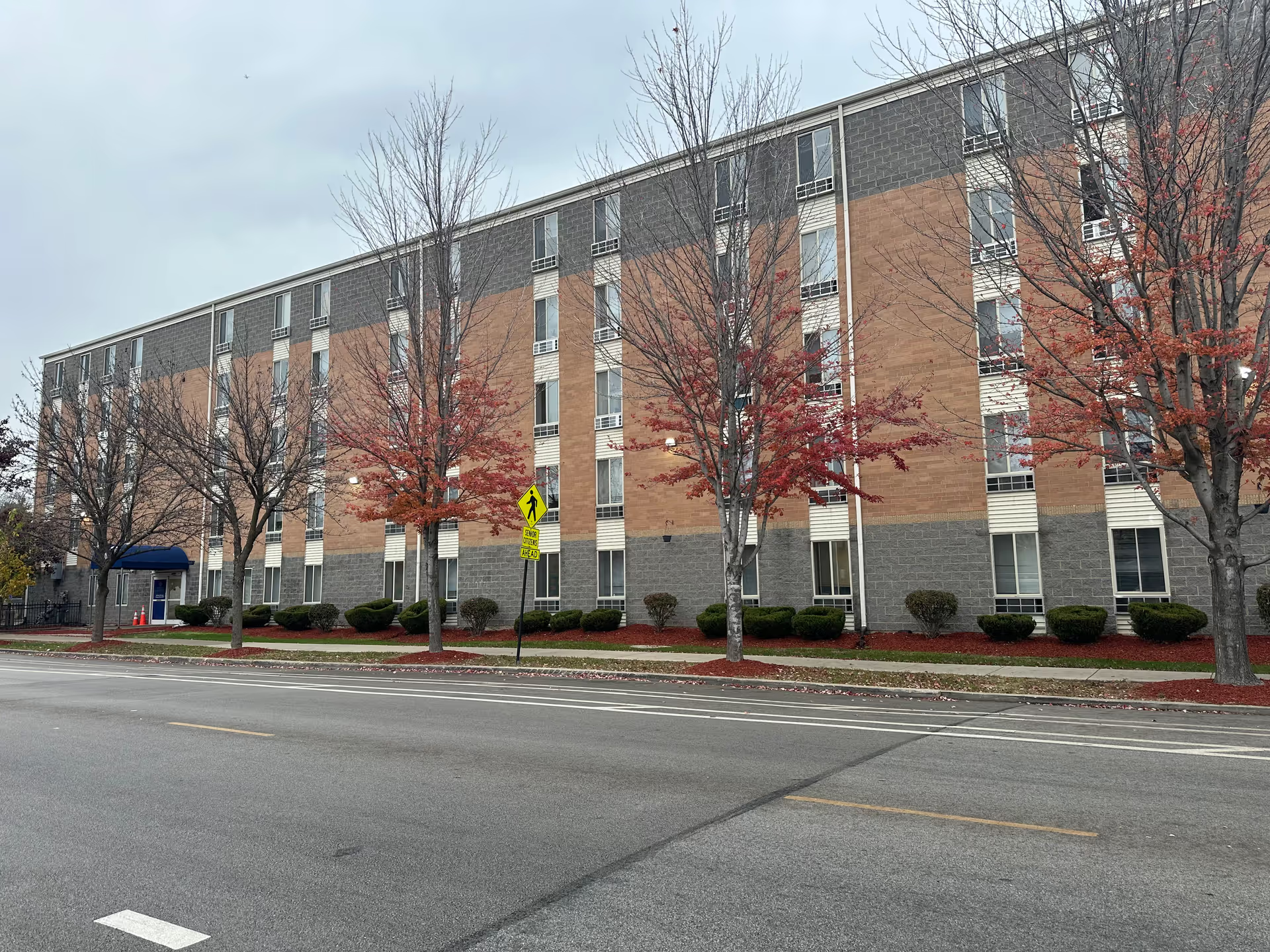
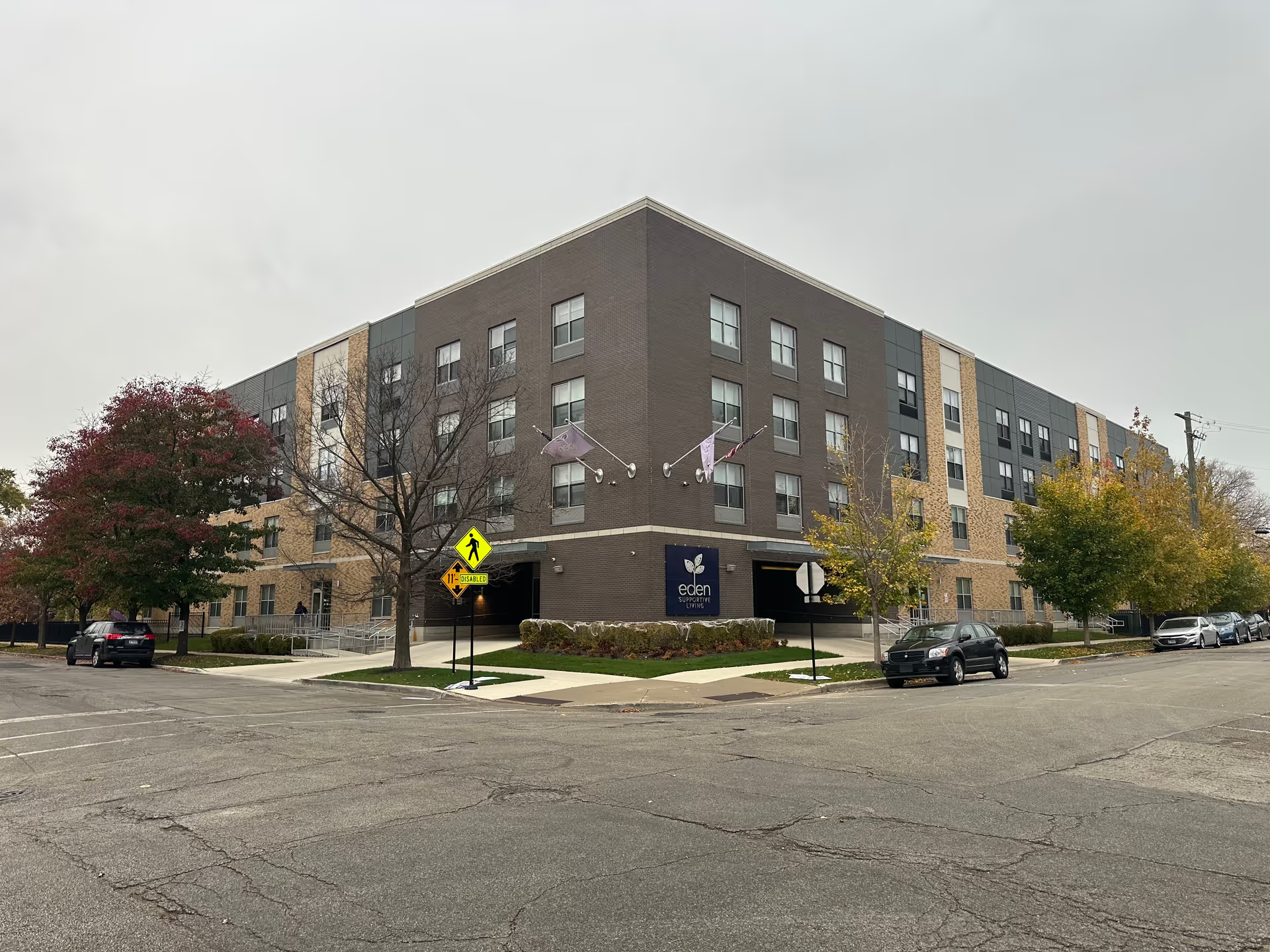
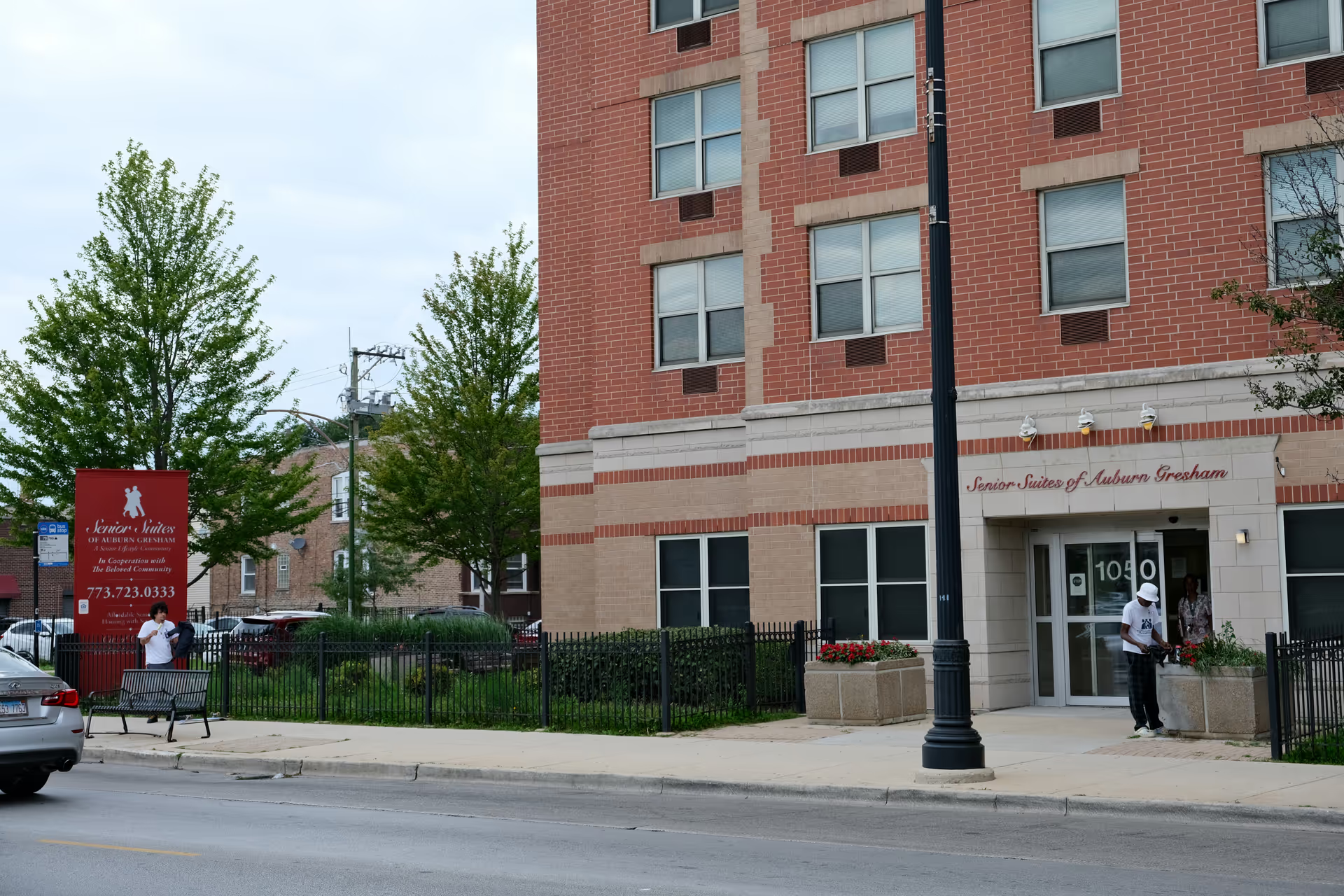
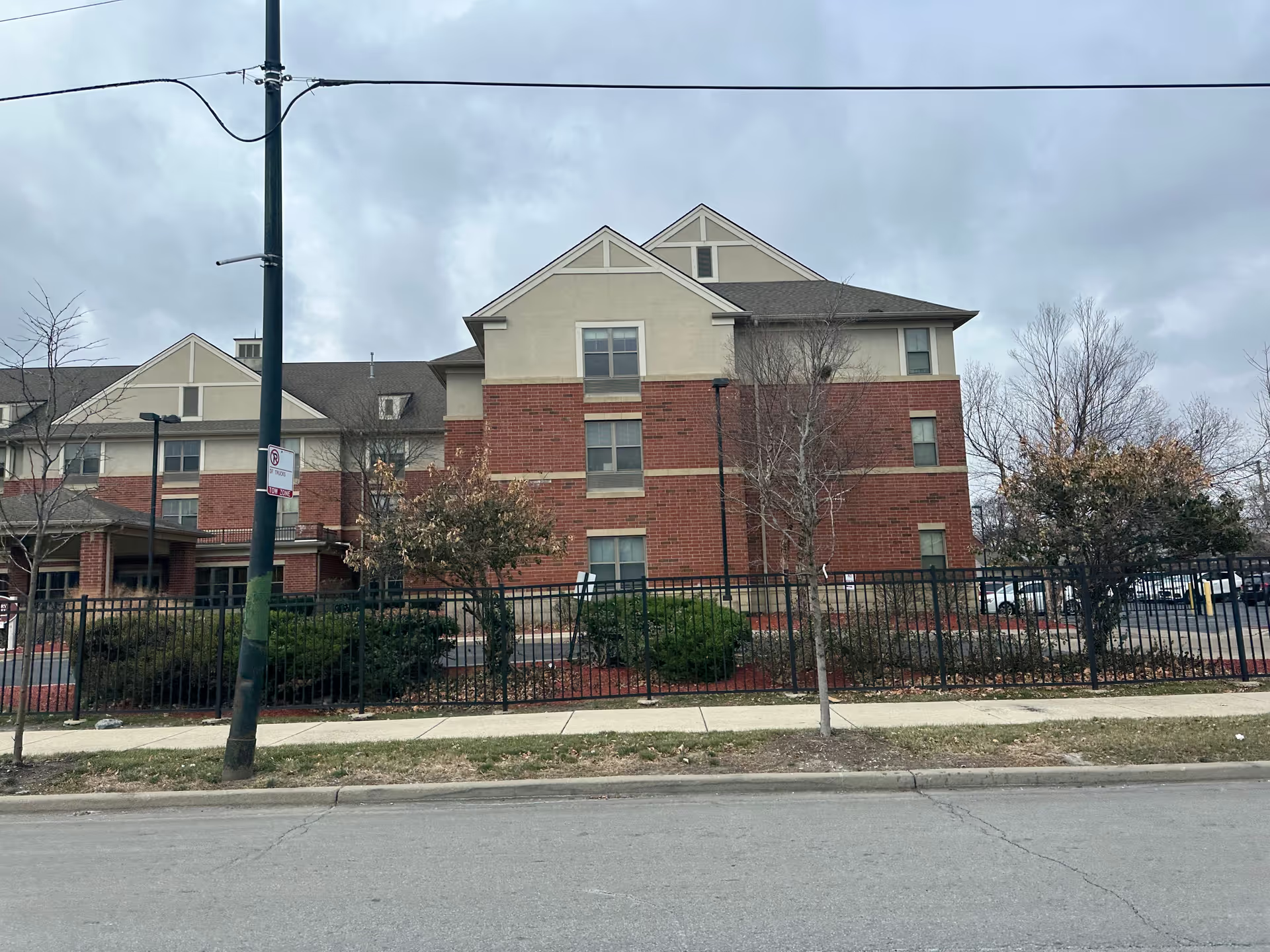
Facilities and maintenance present a similar split. The building and public spaces are frequently described as well kept, attractively furnished, and comfortable, with outdoor and social amenities used for resident events. At the same time, reviewers noted aging or broken equipment, delayed maintenance responses, and a need for periodic upgrades to certain units or systems (including concerns about elevator reliability and window coverings), which can affect perceived safety and convenience.
Management and institutional culture show both strengths and gaps. Several staff leaders, administrators, and guest-relations personnel are singled out for accessibility and proactive problem-solving. Yet other comments point to inconsistent leadership continuity, prior management issues, and a few serious concerns raised to external authorities; there are also isolated allegations of inappropriate conduct and fears of retaliation. These items suggest variability in issue-resolution processes and a need for clear, consistent escalation pathways for families.
Notable patterns for prospective families: satisfaction often depends on the unit, shift, and specific staff assigned to a resident. The admissions and tour experience tends to be strong and informative, but post-admission follow-through can vary. If considering this facility, families should evaluate staffing levels for the specific unit, observe mealtime and care routines, ask about nurse-to-resident ratios and therapist schedules, and secure an identified point of contact for ongoing communication. Overall, the facility demonstrates important strengths in hospitality and certain clinical services, alongside operational weaknesses that would benefit from targeted management attention to staffing, clinical safeguards, maintenance, and family communication protocols.