Overview: Reviews indicate a mixed performance profile. Several accounts describe competent, helpful individuals and instances where coordination with hospitals and families was effective; at the same time, there are recurrent operational concerns that point to systemic reliability problems. The pattern is variability — some families experienced well-managed care and clear communication, while others described repeated breakdowns in basic care processes and facility maintenance.
Care quality: Clinical strengths include attentive care by particular nurses and agency staff and some examples of measurable improvement during short stays. However, persistent care-process issues were described: delays in responding to resident needs, inconsistent bathing and incontinence assistance, deficiencies in wound and pressure-injury management, and lapses in medication administration and documentation. A number of reviews also cited unmet promises for physical-therapy services or minimal therapy provision. These items suggest gaps in reliable delivery of routine and complex nursing services.
Staff and professionalism: Reviewers identified individual staff members who were responsive and went beyond expectations, and agency nurses were often described as providing strong bedside care. Counterbalancing this, there are frequent reports of inconsistent professionalism, poor tone in interactions, use of personal phones during work, and front-desk or scheduling staff perceived as rude. Staffing shortages and shift-coverage variability were repeatedly associated with delays in responding to call signals and other resident needs.
Dining and activities: Concerns about food quality, menu variety, and nutritional adequacy were recurrent. Some families described limited menus and meals that did not meet expectations for palate or nutrition; there were additional reports of missed feeding assistance. Activity programming receives less consistent comment in the summaries, with no clear pattern of robust engagement noted.
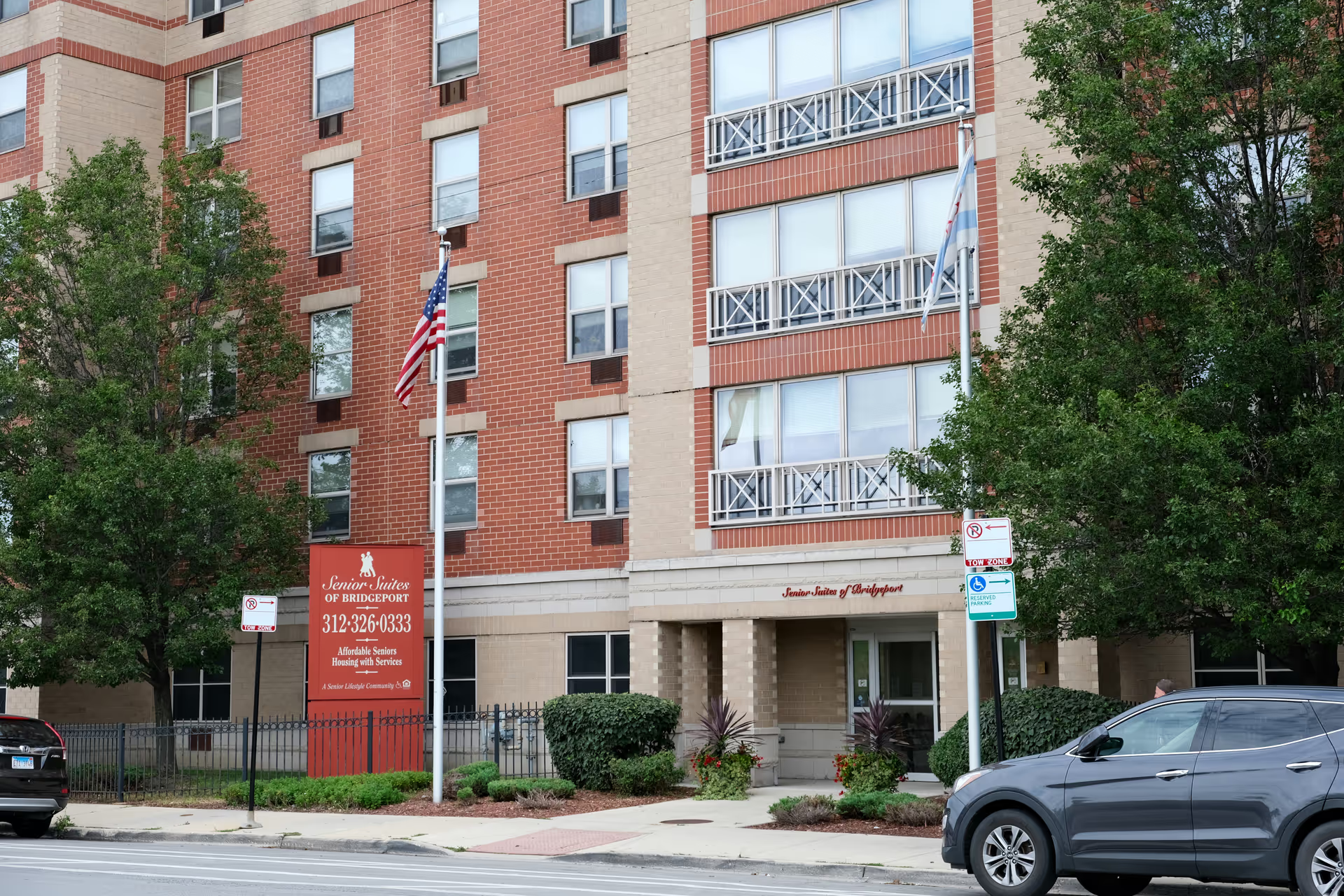
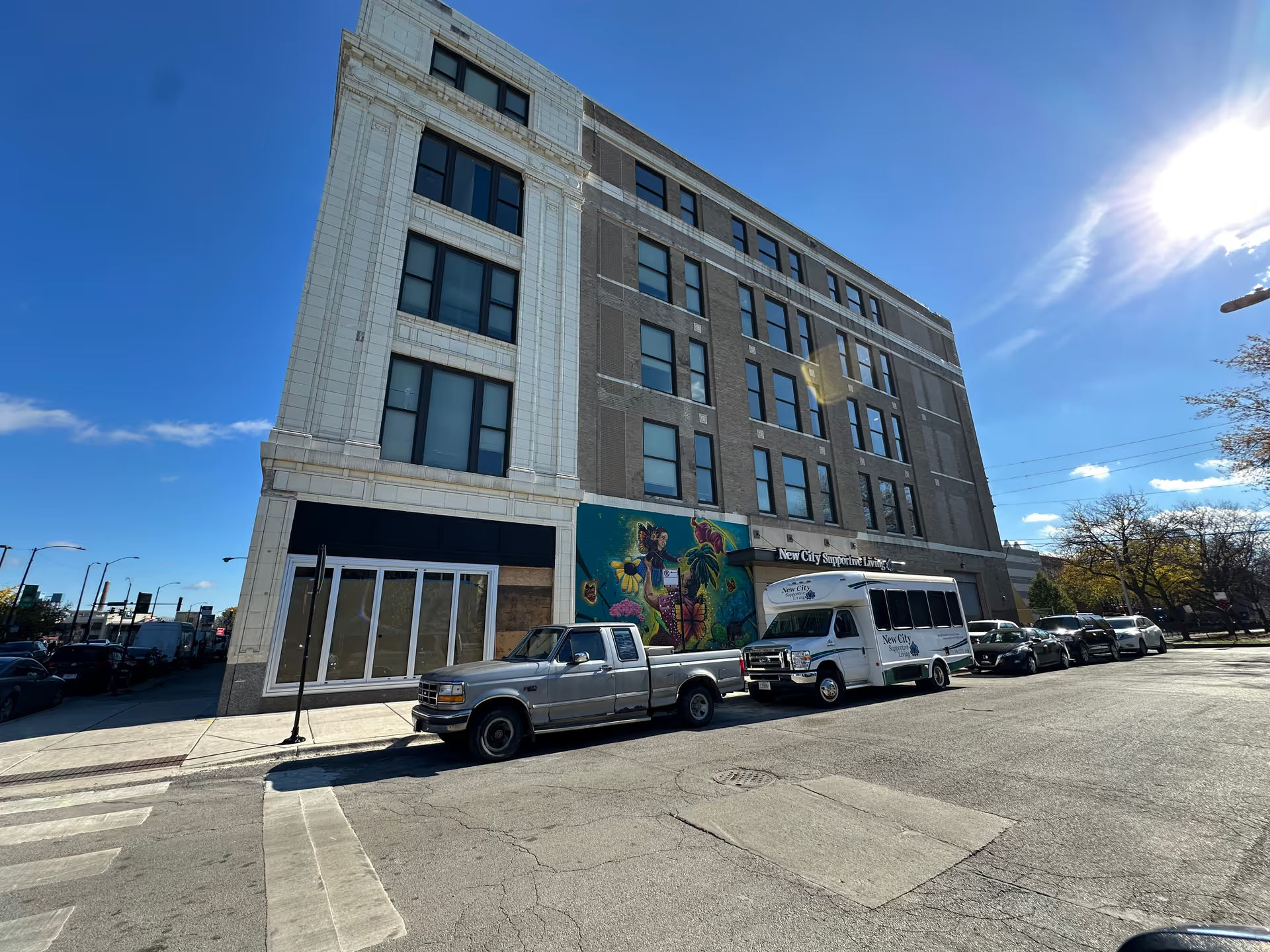
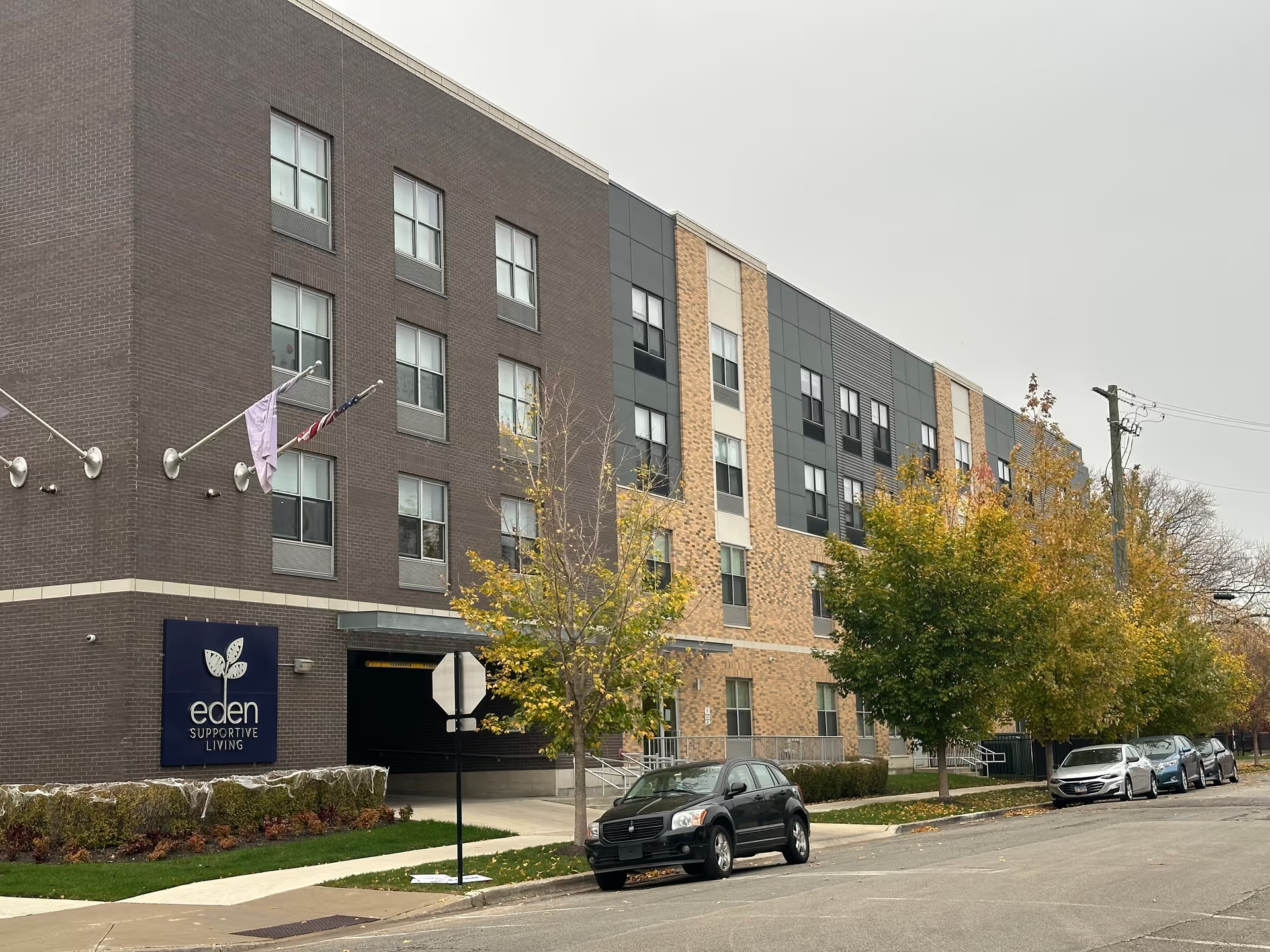
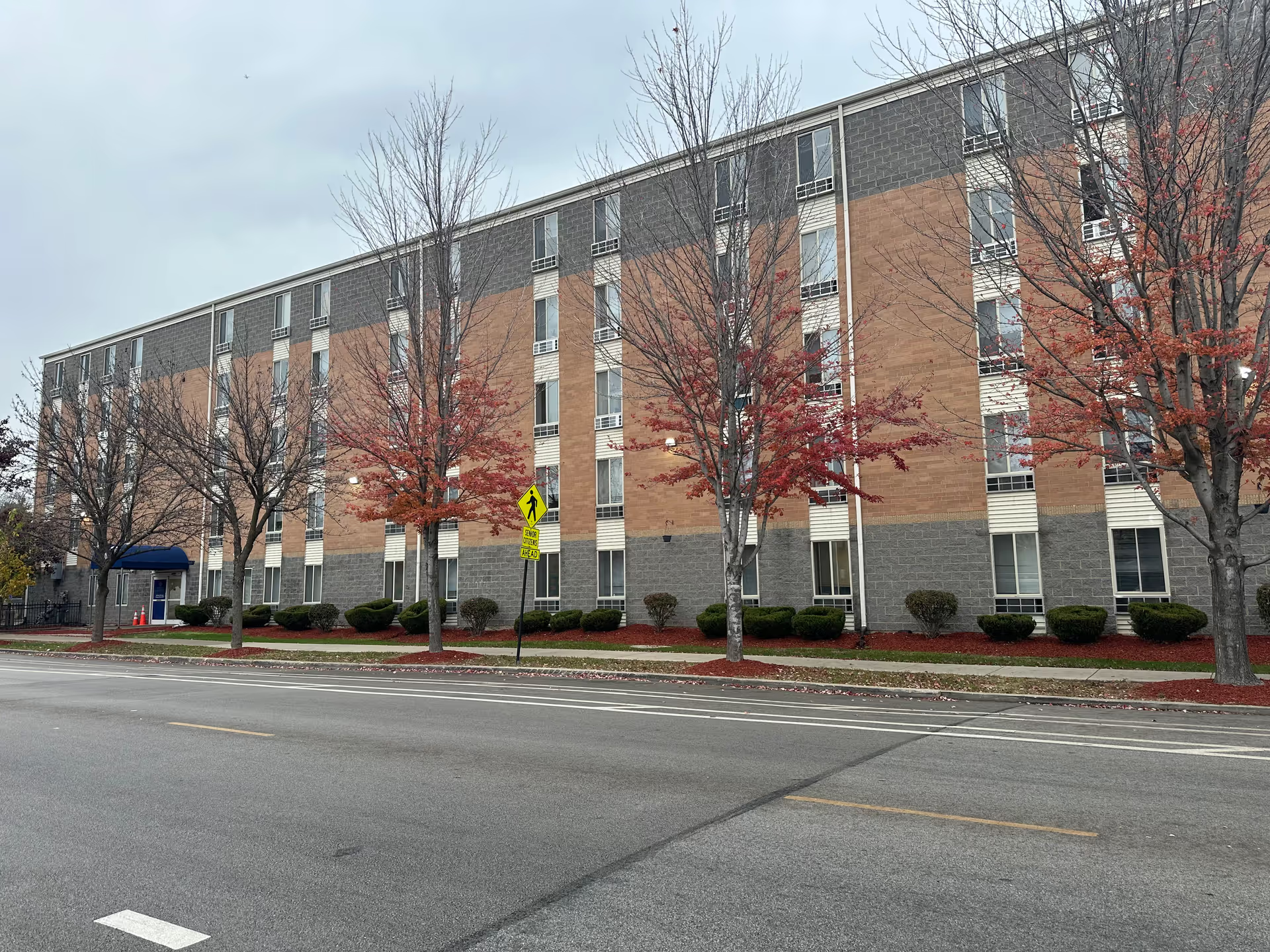
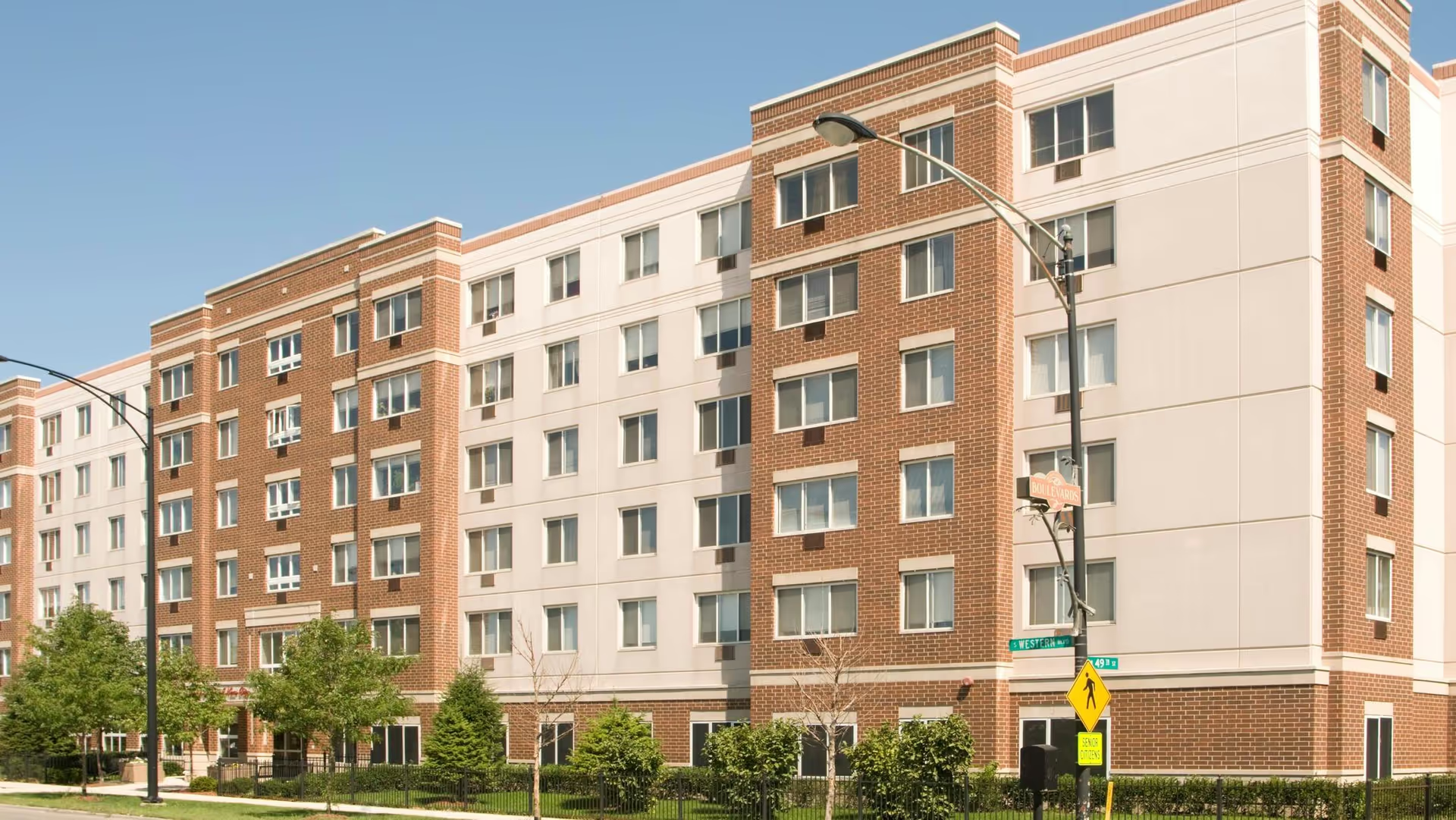
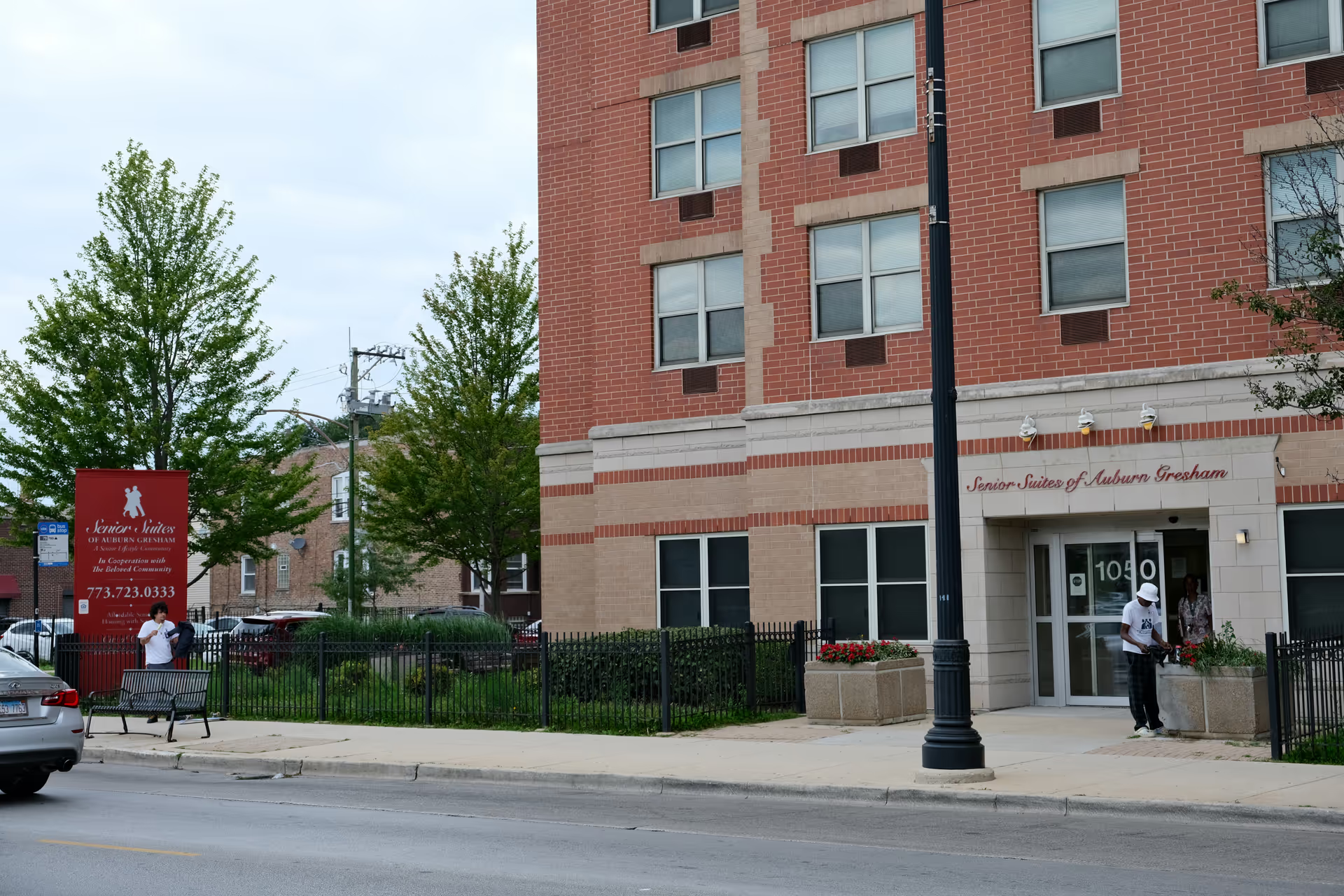
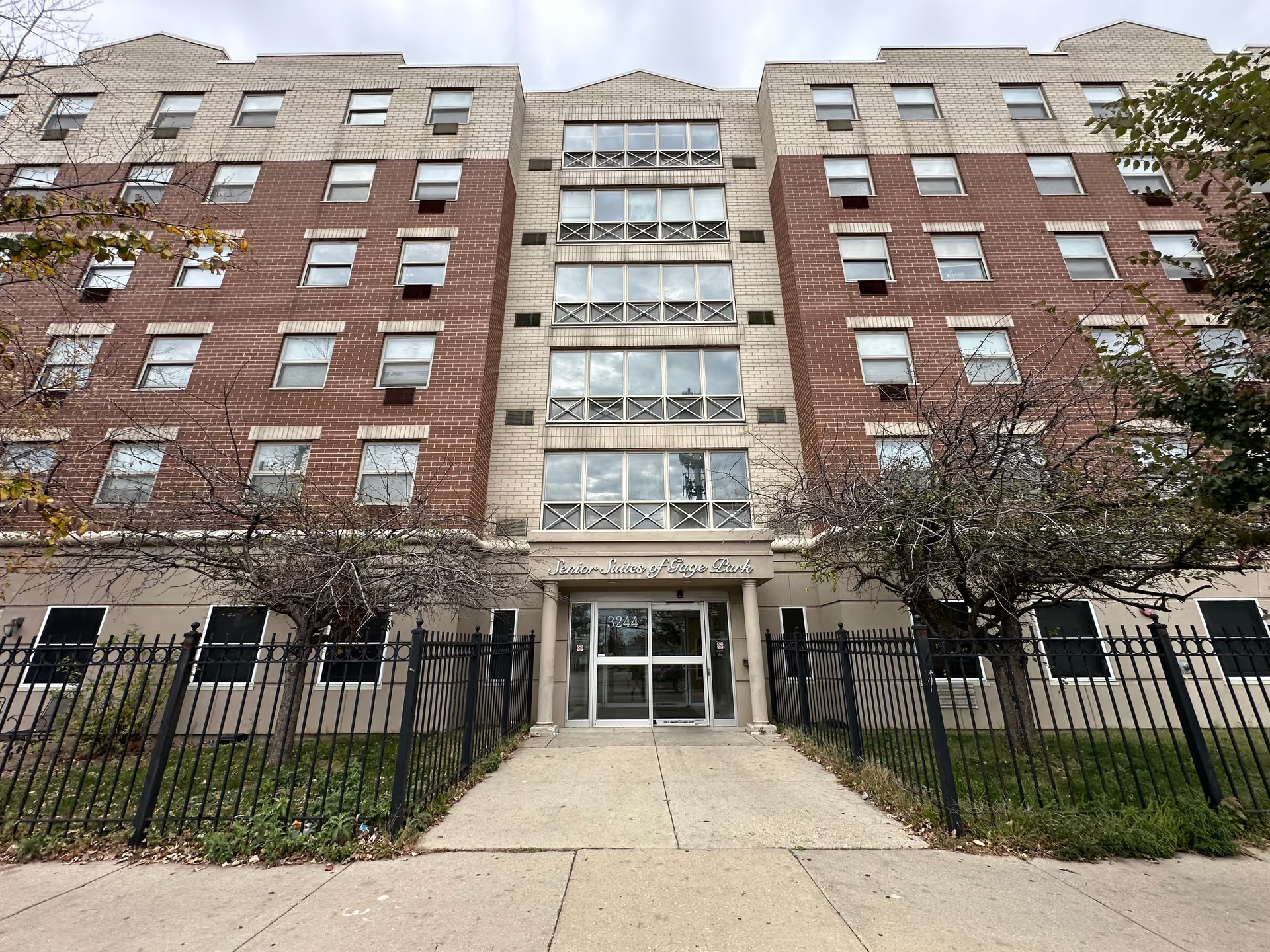
Facilities and environment: Multiple reviewers raised sanitation and cleanliness issues in resident rooms and common areas, alongside pest-control concerns and complaints about odors in some areas. Maintenance shortfalls were cited, including unavailable or nonfunctional resident equipment (for example, bed rails and resident phones) and lost or mishandled personal items and laundry. These environmental and maintenance issues were frequently linked to family unease about safety and quality of care.
Management and communication: The facility's management performance appears uneven. Some families praised effective communication, visit coordination, and knowledgeable administrative staff. Others described delayed callbacks, insufficient incident reporting, and unsatisfactory follow-up after clinical events. There are also serious individual allegations of staff misconduct that reviewers believe warrant regulatory attention; these items elevate concerns about governance, oversight, and staff accountability.
Notable patterns and takeaway: The dominant theme is inconsistency — strong individual caregivers and periods of good coordination exist alongside recurring operational weaknesses in staffing reliability, basic hygiene and environmental maintenance, medication and wound care, nutrition support, and family communication. Prospective residents and families should seek specific documentation (care plans, wound-care protocols, medication administration logs, staffing ratios, pest-control records) and ask how the facility addresses identified patterns of concern. Where regulatory or legal allegations are referenced, families may also wish to review inspection and enforcement records. Overall, decisions will depend on the relative priority placed on the facility's demonstrated individual strengths versus the frequency and severity of the operational concerns described.