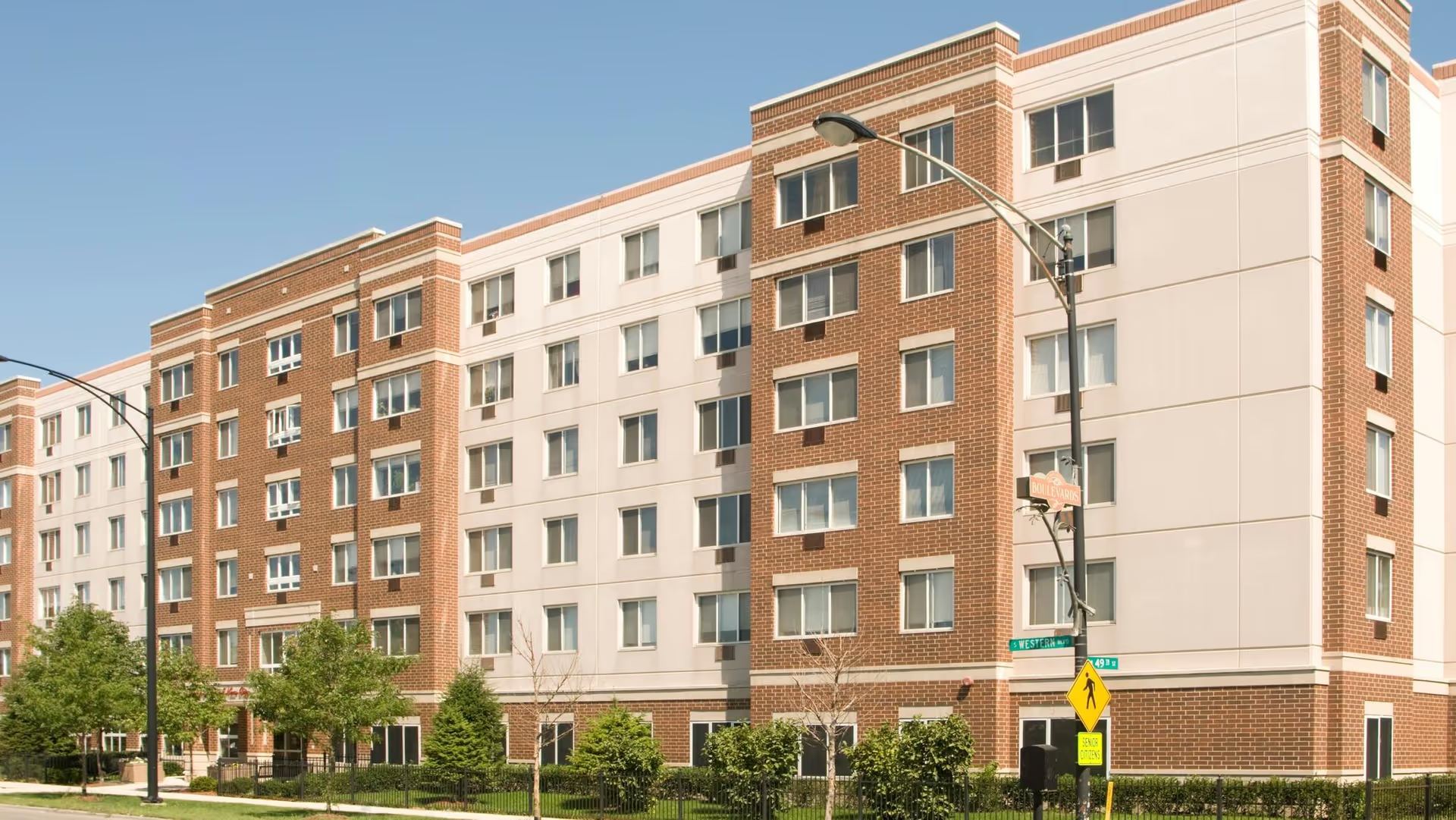
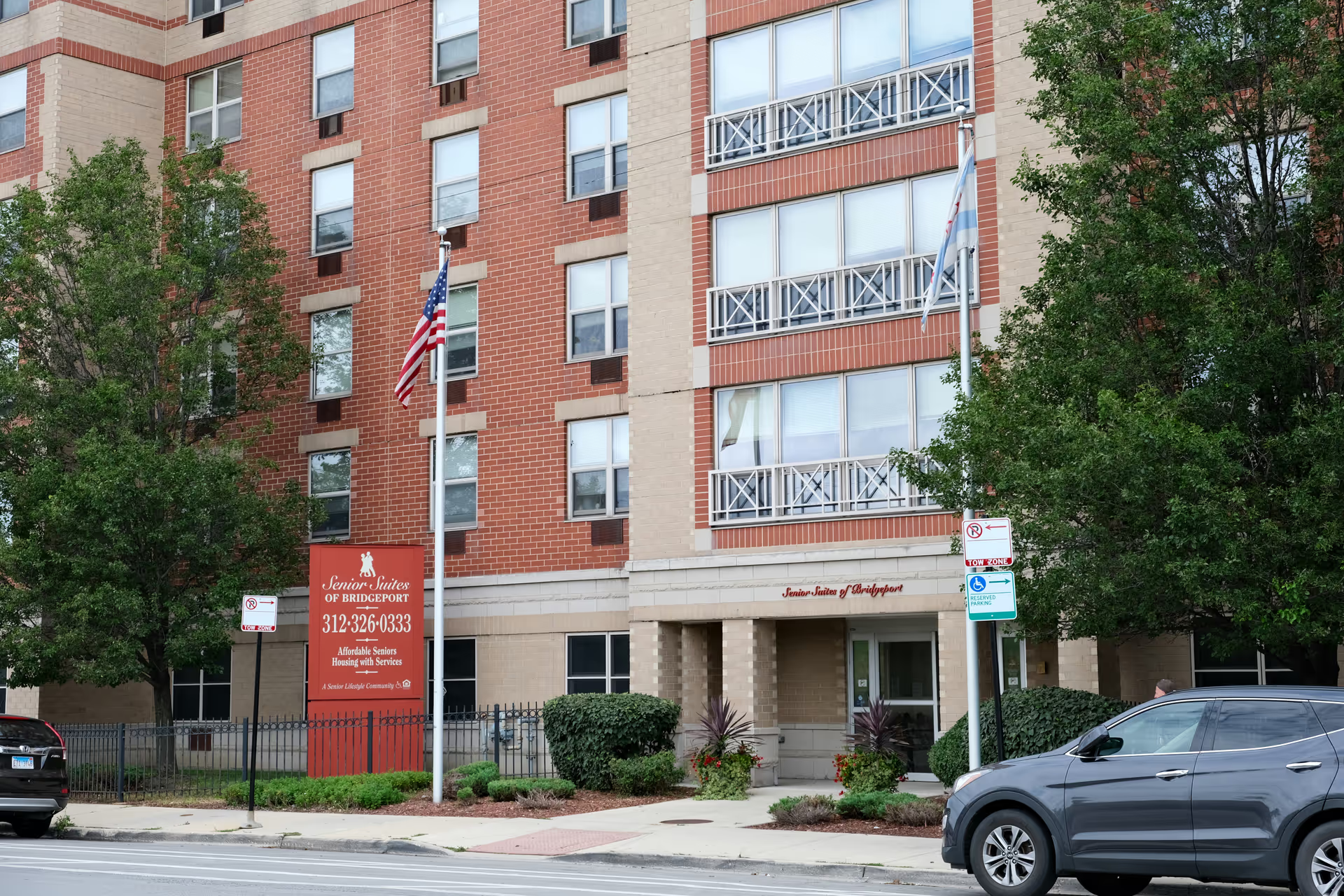
The available reviews present a strongly polarized picture of Parkshore Estates: several reviewers describe attentive clinical teams, good therapy programs, and upgraded accommodations, while others outline recurring operational and safety concerns. Positive comments most often single out individual clinicians (wound-care specialists and certain physicians), compassionate CNAs and nursing staff, active programming, and recent renovation work that has improved some rooms and common areas. These strengths suggest the facility can deliver solid clinical care and social engagement in some units or under certain staff leadership.
Care quality appears uneven. On the positive side, reviewers credit effective wound care, capable physical/occupational therapy, and clinicians who provide clear bedside attention. Conversely, there are repeated concerns about medication-management errors, missed or mistimed medications, and transfers to acute care. A small number of accounts raise serious questions about infection control and describe concerns following a resident's death; these items point to the need for careful review of clinical protocols, transfer criteria, and infection-prevention practices.
Staff behavior and responsiveness are described as a mix of strengths and problems. Many families praise individual CNAs, nurses, and activity staff as caring and hardworking. At the same time, reviewers report inconsistency in staff responsiveness to call lights and care requests, instances of unprofessional communication tone, and periods when staffing levels appear insufficient to meet resident needs. Several comments link poor responsiveness to apparent understaffing or high staff workload.
Facility condition and housekeeping show a dual pattern. There are mentions of renovated rooms, attractive décor updates, and maintained grounds. However, there are also persistent sanitation concerns, odor issues in some areas, and pest-control concerns; reviewers describe inconsistent linen management and delays in addressing environmental problems. Equipment and maintenance reliability issues—most notably elevator outages and delayed repairs—were also cited and can affect resident mobility and daily routines.
Dining and activities are similarly variable. When functioning well, the facility offers daily activities, holiday events, and therapy-focused programs that families appreciate. Multiple reviewers, however, reported inconsistent meal quality, questions about nutritional value, and interruptions to meal service or feeding assistance for residents who require help. Those needs are particularly sensitive to staffing levels and training.
Management and safety practices receive mixed feedback. Several reviewers describe difficulty reaching administrators, delayed incident notification to families, and concerns about property security, including missing belongings. Others note responsive leadership in specific roles (assistant administrators or the director of nursing) who addressed issues constructively. The pattern suggests uneven management follow-through and opportunities to strengthen family communication, incident reporting, and asset-security protocols.
Overall, prospective residents and families should be aware of a wide variability in experience at Parkshore Estates. Before placement, consider an on-site visit focused on: medication-safety procedures, staffing ratios and shift coverage, infection-prevention practices, housekeeping and pest-control contracts, procedures for family notification and incident reporting, and physical-equipment reliability (elevators, call systems). Ask for recent inspection or survey results, speak with the director of nursing, and request references from current families to clarify whether the aspects praised in some accounts are consistent across the facility or localized to particular units or time periods.