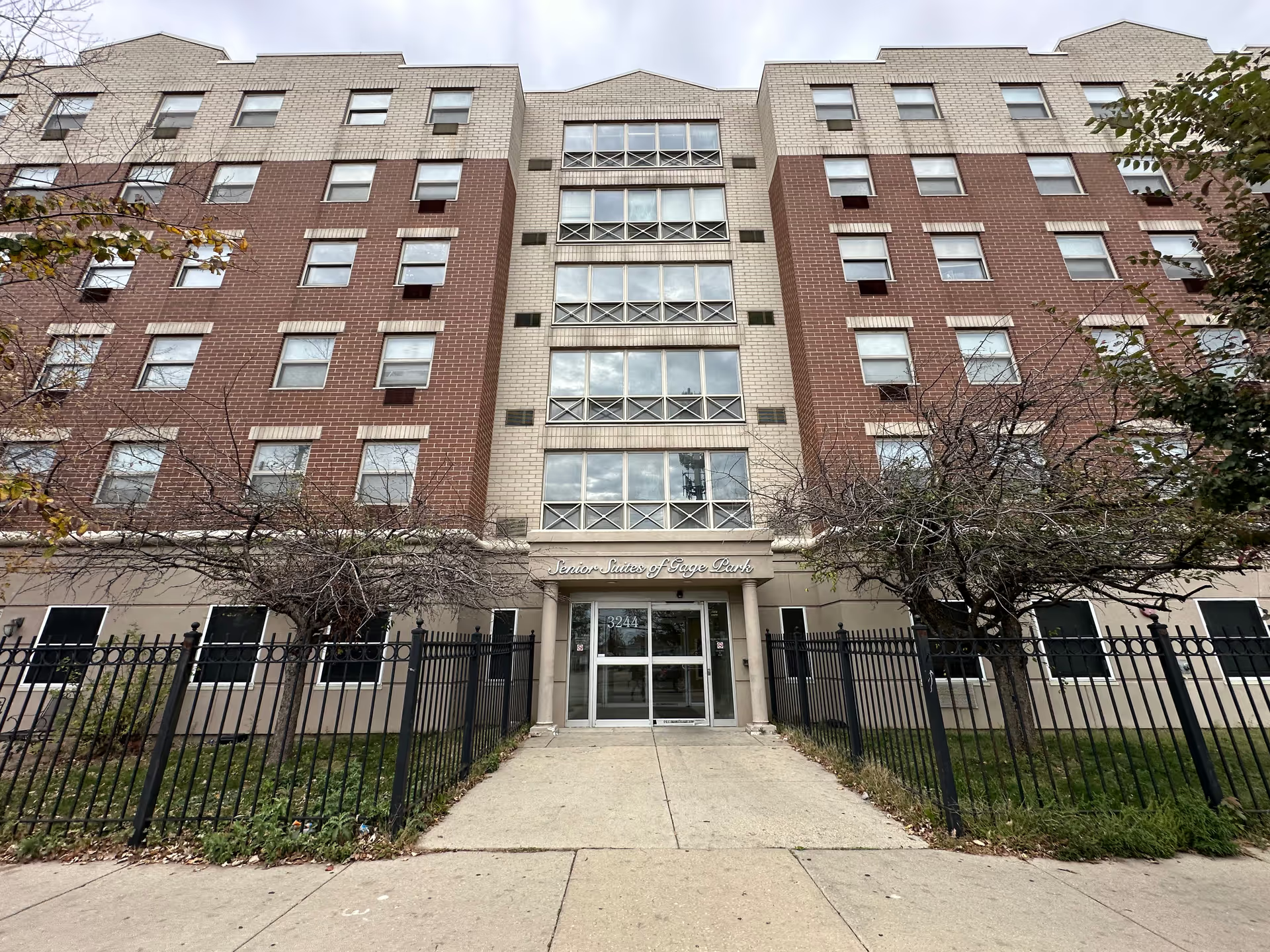
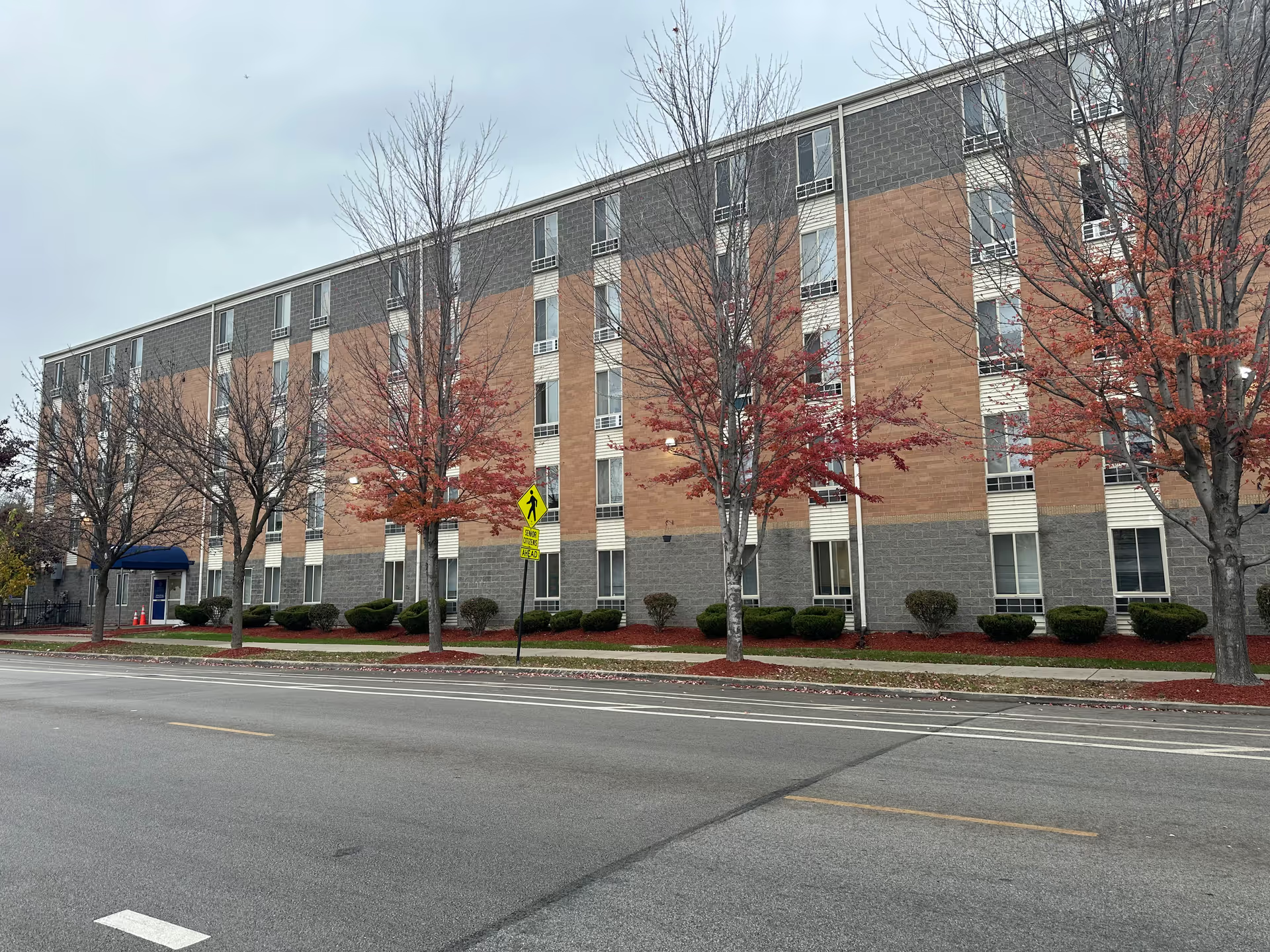
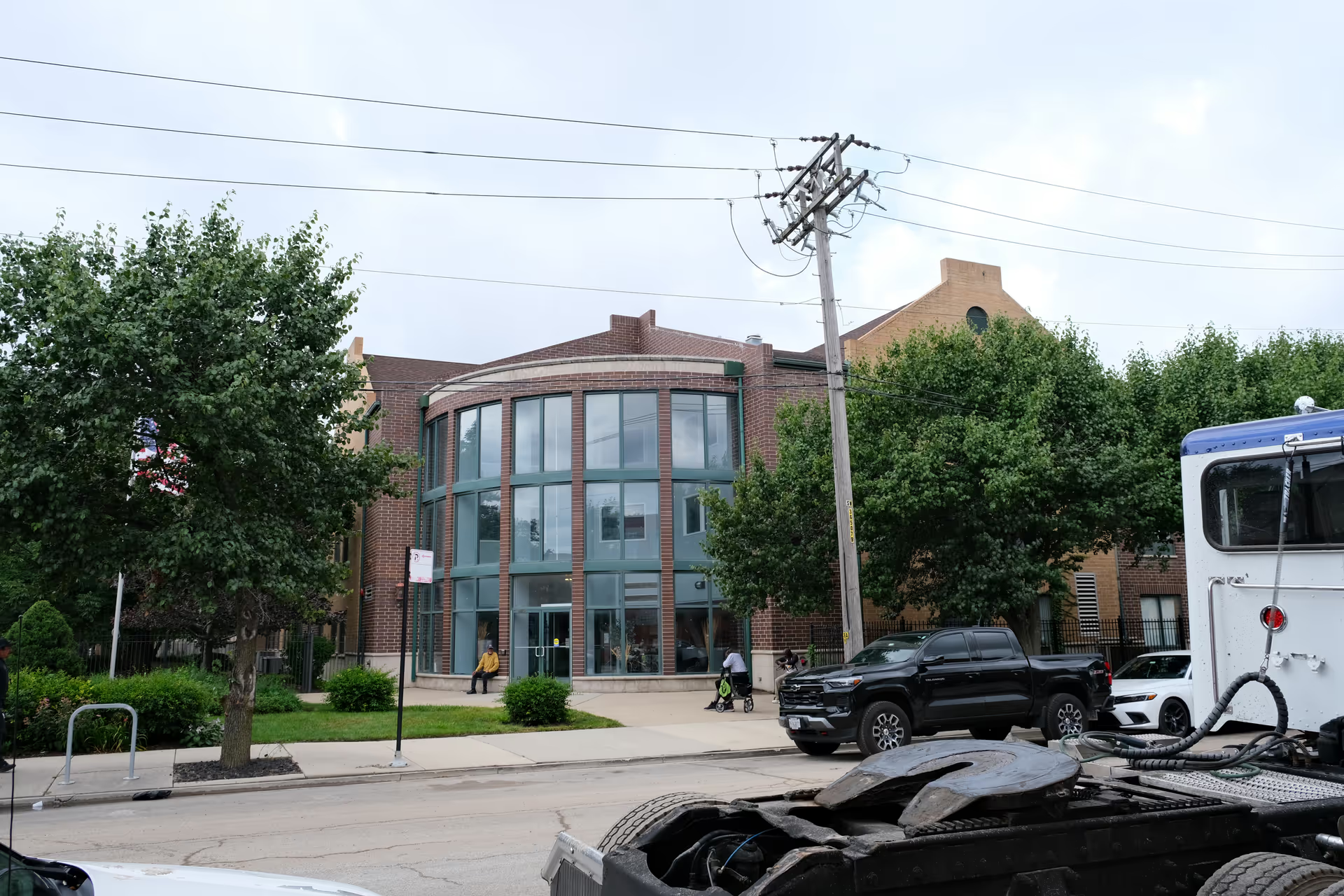
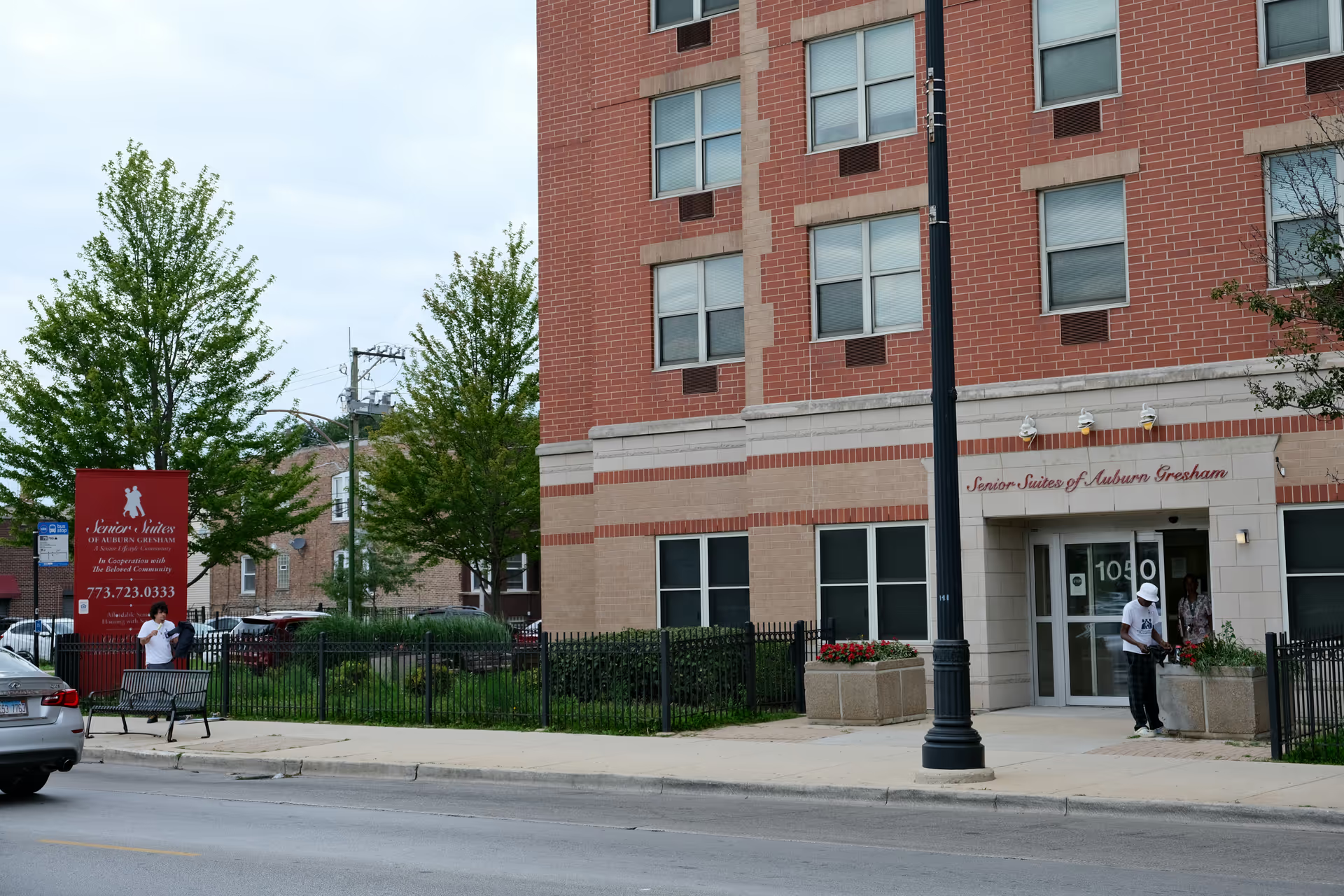
RYZE on the Avenue elicits a strongly mixed set of impressions. Many reviewers praise individual staff members, from front-desk receptionists to CNAs and nurses, describing compassionate bedside care, personalized interactions, and successful therapy-based recoveries. Families frequently note positive coordination from administration and business-office staff—particularly around insurance and transitions from hospital to home—and point to an active social program and engaging activities that contribute to resident well-being.
Care quality is variable. Positive accounts cite attentive nursing, meaningful therapy services, and staff who go "above and beyond" for residents. Counterbalancing those are recurring operational concerns: delays in responding to call lights and assistance requests; inconsistent delivery of personal care such as bathing and hygiene routines; and reports of limited therapy availability for some patients. Reviewers also described falls and related safety anxieties, suggesting uneven application of fall-prevention and timely-assistance protocols.
Staff and management present a mixed picture. Several comments describe a supportive leadership culture, ongoing staff development, visible teamwork, and approachable administration. At the same time, families report fluctuating professionalism and consistency among direct-care staff, with claims of misconduct and missing personal items that point to vulnerabilities in oversight. There are also described problems with communication and documentation between staff and families; some reviewers raised serious allegations about record integrity and inappropriate staff behavior, which would warrant direct inquiry by prospective families.
Dining, housekeeping, and facilities receive inconsistent ratings. Some visitors describe clean, pleasant common areas and well-presented hallways; others cite sanitation concerns, odor issues in certain areas, and deterioration of some resident rooms. Meal-service feedback ranges from praise for well-prepared meals to repeated complaints about cold or poor-quality food and apparent nutritional insufficiencies. Laundry and management of personal belongings are also identified as inconsistent, creating recurring family concerns about missing items and clothing management.
On the positive side, social programming, volunteer involvement, and individual staff-resident relationships are frequently highlighted as strengths that support resident morale. Administrative responsiveness and business-office assistance (including insurance navigation) earn repeated commendation. However, the frequency and seriousness of operational concerns—especially around staffing levels, timely responsiveness, property controls, sanitation, and documentation—create a wide variance in resident experiences.
For prospective residents and families: arrange an in-person tour and ask targeted questions about staffing ratios and peak-coverage times, call-response metrics, pest-control and housekeeping schedules, property-account safeguards, therapy availability, and documentation/communication practices. Request references from current families, review incident and inspection records if available, and observe mealtime and activity periods to assess consistency. These steps can help discern whether the facility’s positives align with your needs and whether management has addressed the operational gaps others have described.