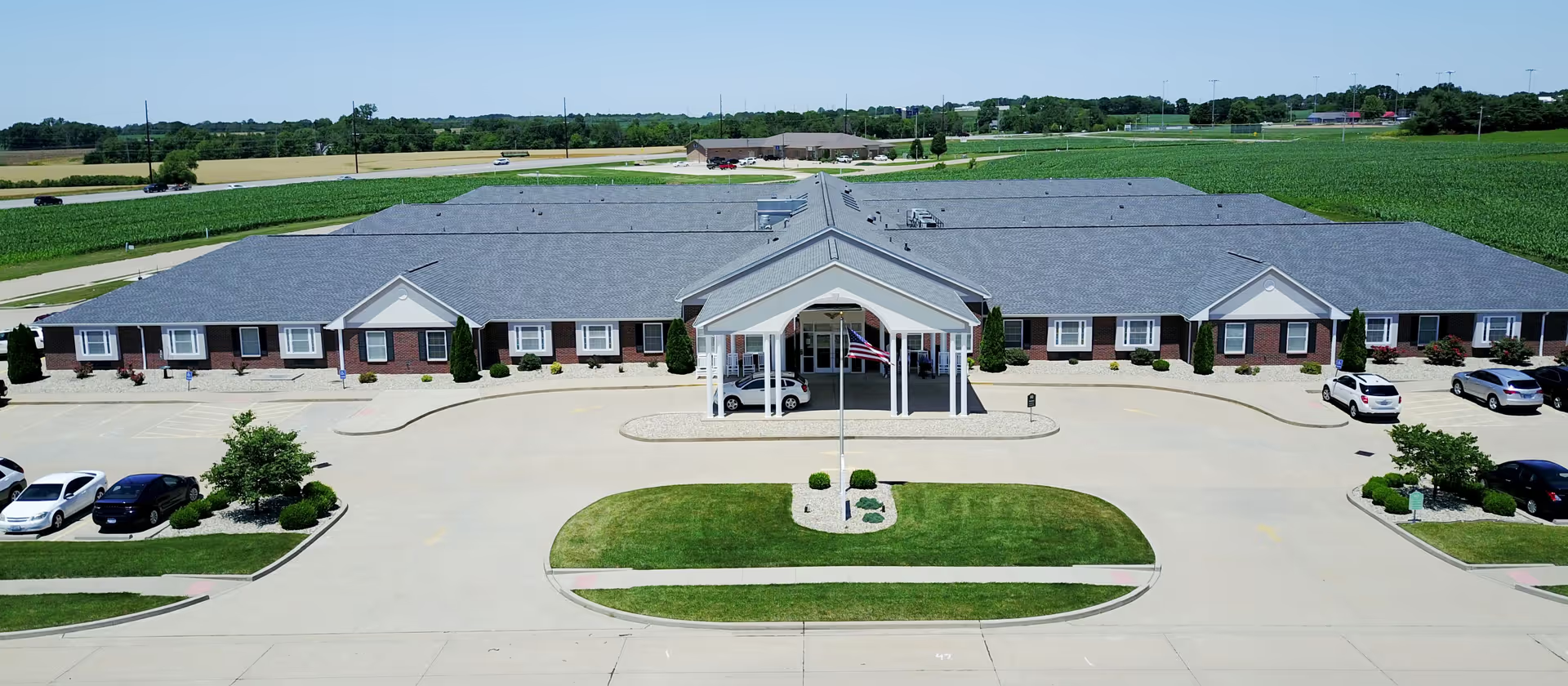
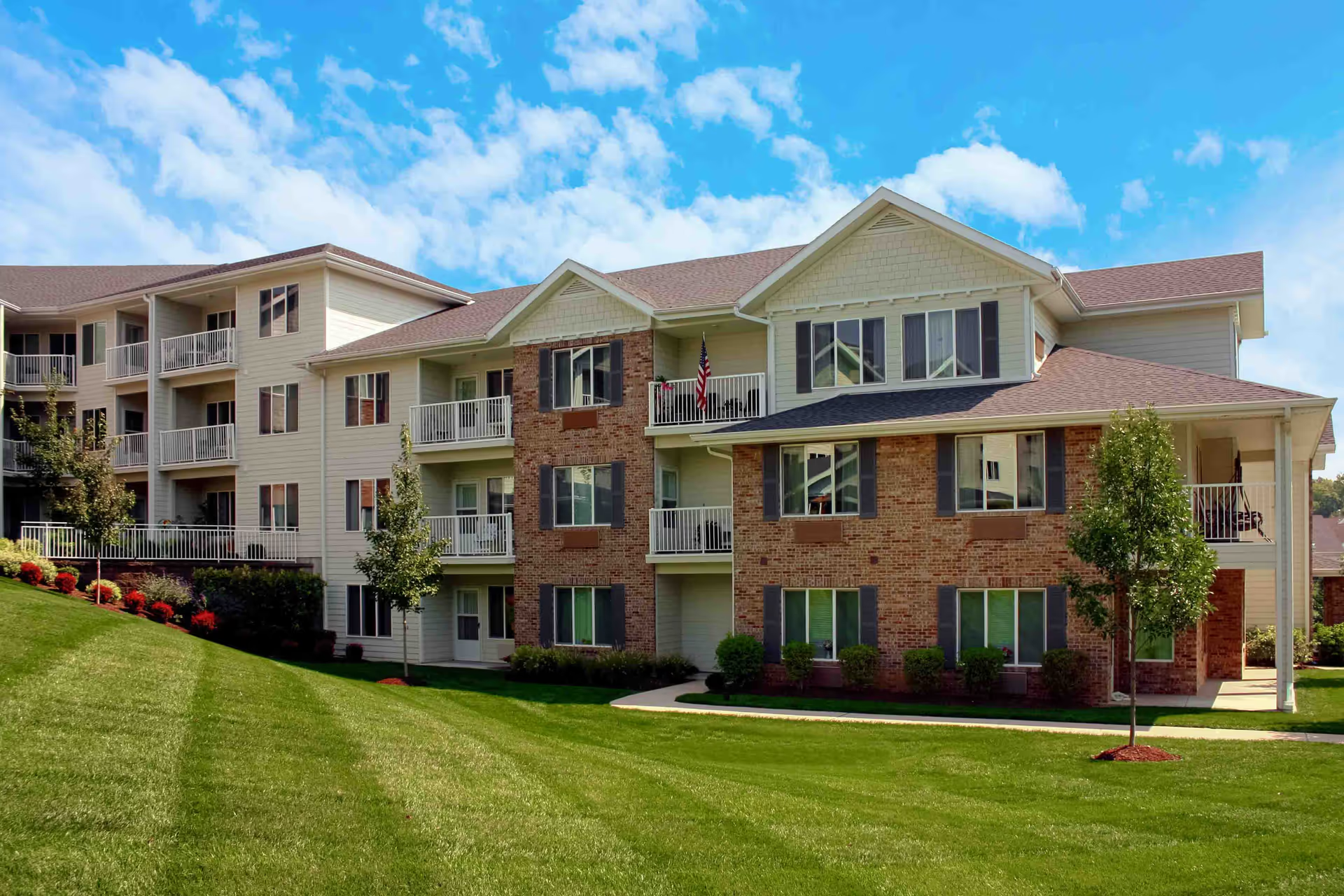
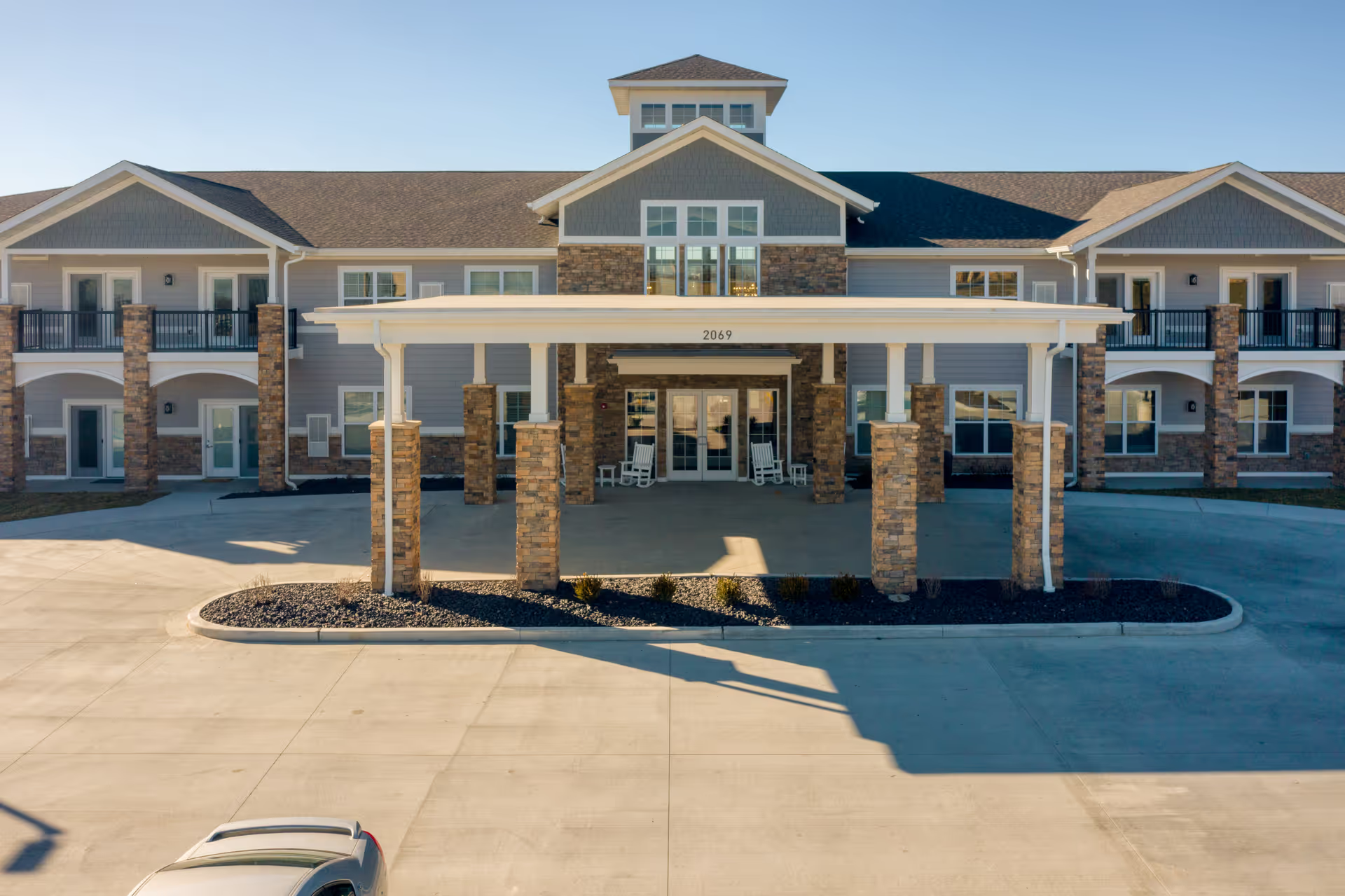
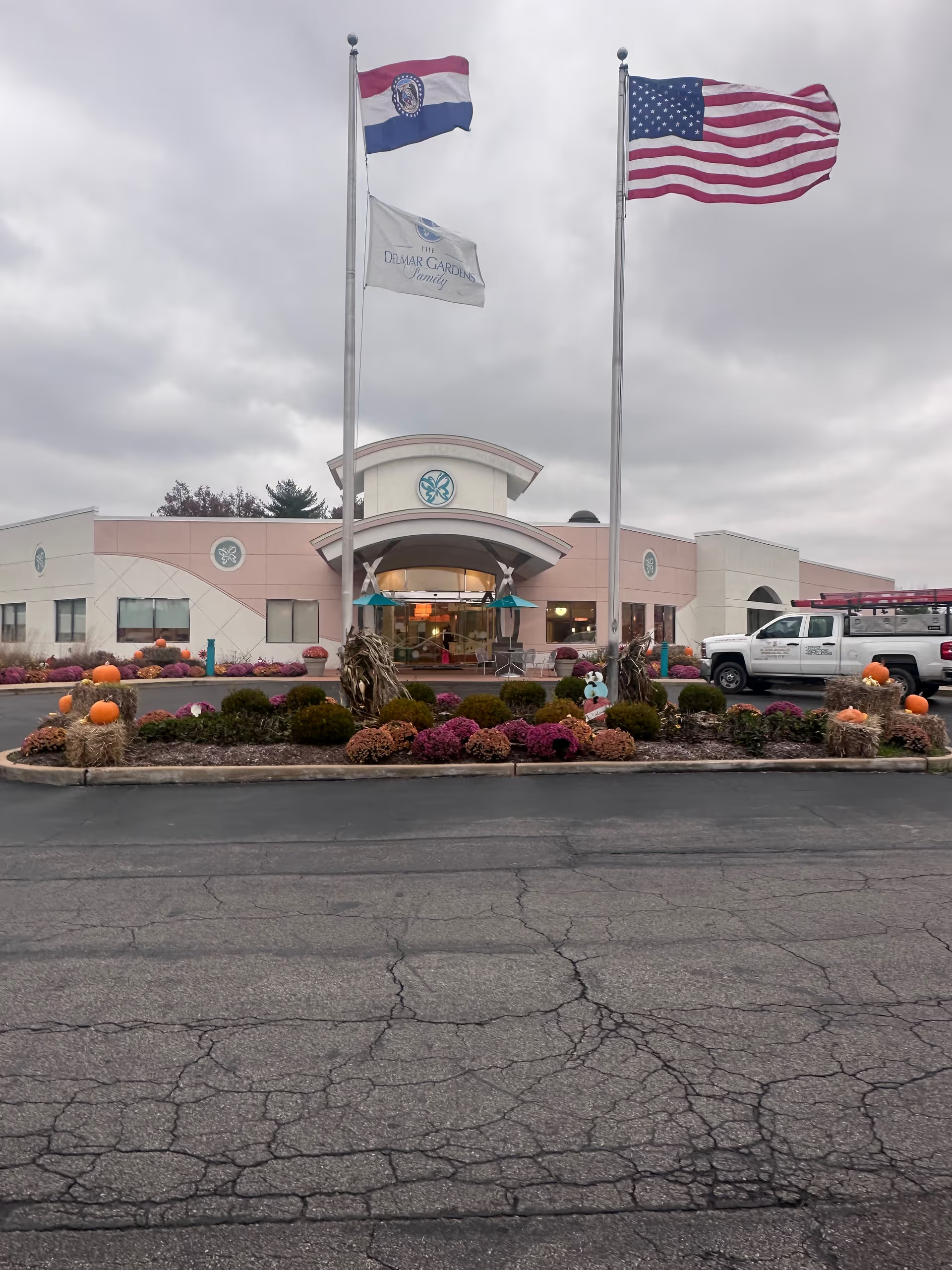
This collection of reviews describes a facility with notable clinical strengths alongside recurrent operational weaknesses. Strengths cited include a broad range of on-site specialty services (pulmonology, cardiology, geriatrics), an organized wound-care program led by a specialist nurse, and a therapy department that emphasizes measurable rehab outcomes and a rehab-to-home pathway. Multiple accounts praise an engaged admissions/hospitality team, family-care planning initiatives (including an essential caregiver program), and management efforts to increase family communication. The physical environment is frequently described as renovated and landscaped, with active social programming and seasonal events.
Care quality is described variably. Positive comments highlight attentive CNAs and nurses, regular clinical monitoring (weekly weights and family care meetings), and compassionate end-of-life support. At the same time, several families described medication-management problems, delayed administrations, and instances where physician availability and specialty appointment coordination were inadequate. These clinical-process gaps contributed to transfers to higher-level care in some cases and raised concerns about oversight and follow-up.
Staffing and staff conduct emerge as a major theme. Many reviews praise individual caregivers, long-tenured ancillary managers, and frontline staff who provide personal attention. However, others describe persistent understaffing, frequent use of agency or temporary personnel, and variability in professionalism and responsiveness across shifts. A pattern of day/night disparity in care quality, inconsistent training, and occasional unprofessional behaviors was noted; these dynamics appear to affect both routine care and family communication.
Dining, activities, and daily living are similarly mixed. The facility is credited for a lively activity schedule, special events, and occasional standout meals. Conversely, reviewers describe irregular meal-service quality, insufficient portions at times, and limited activities on some units. Personal-care routines were another area of inconsistency: reports indicate variable bathing frequency and delays in incontinence care in some cases.
Facilities and environmental management show both positive and negative elements. Many families appreciate renovated rooms, courtyards, and attractive common areas. But maintenance delays (broken showers, leaks, window blind issues), intermittent housekeeping shortfalls, laundry problems, sanitation concerns, and pest-control worries were also described. These operational gaps undermine otherwise strong aspects of the built environment.
Management and systemic issues include clear examples of improvement and ongoing challenges. New leadership and specific administrators received praise for hands-on advocacy, improved family contact, and constructive care-plan meetings. Admissions and hospitality teams were often described as welcoming and helpful. Conversely, there are recurring mentions of rushed or disorganized admissions and discharge processes, inconsistent communication from clinical leadership, and at least one reference to regulatory concerns and allegations of serious misconduct that merits further inquiry.
Recommendation for prospective families: weigh the facility's clinical resources, wound-care and therapy strengths, and recent management improvements against variability in staffing, sanitation, medication administration, and maintenance responsiveness. When evaluating placement, visit multiple shifts, observe mealtime and activity periods, ask for current staffing ratios and medication-administration protocols, request recent state inspection or compliance records, and confirm how family caregivers will be integrated into care planning.