Overall care quality at Arc at Dwight is consistently described as strong, with multiple accounts of compassionate nursing, attentive CNAs, and effective therapy services. Reviewers highlight successful rehabilitation and wound-care outcomes, and families frequently praise the clinical responsiveness of individual staff members. Long‑tenured nursing staff and a generally clean, odor‑free, homelike environment contribute to a sense of stability and continuity of care.
The facility’s activity program is a clear strength. An engaged activities director, regular programming (including book club and family events), and high resident participation are recurring positives. Staff are also noted for accommodating family gatherings and private parties, and housekeeping and cafeteria teams are often described as helpful and friendly, supporting resident quality of life beyond clinical care.
Dining and medication/medical access show mixed performance. While dining staff receive praise, reviewers express concerns about inconsistent food quality, limited flavor, and meals that do not always align with therapeutic nutrition needs (for example, cardiac diets). Meal service flow has been characterized as chaotic at times, with long waits reported. There are also isolated but consequential notes about medication timing delays and a desire for more frequent on‑site physician visits—items families may want to clarify during a tour.
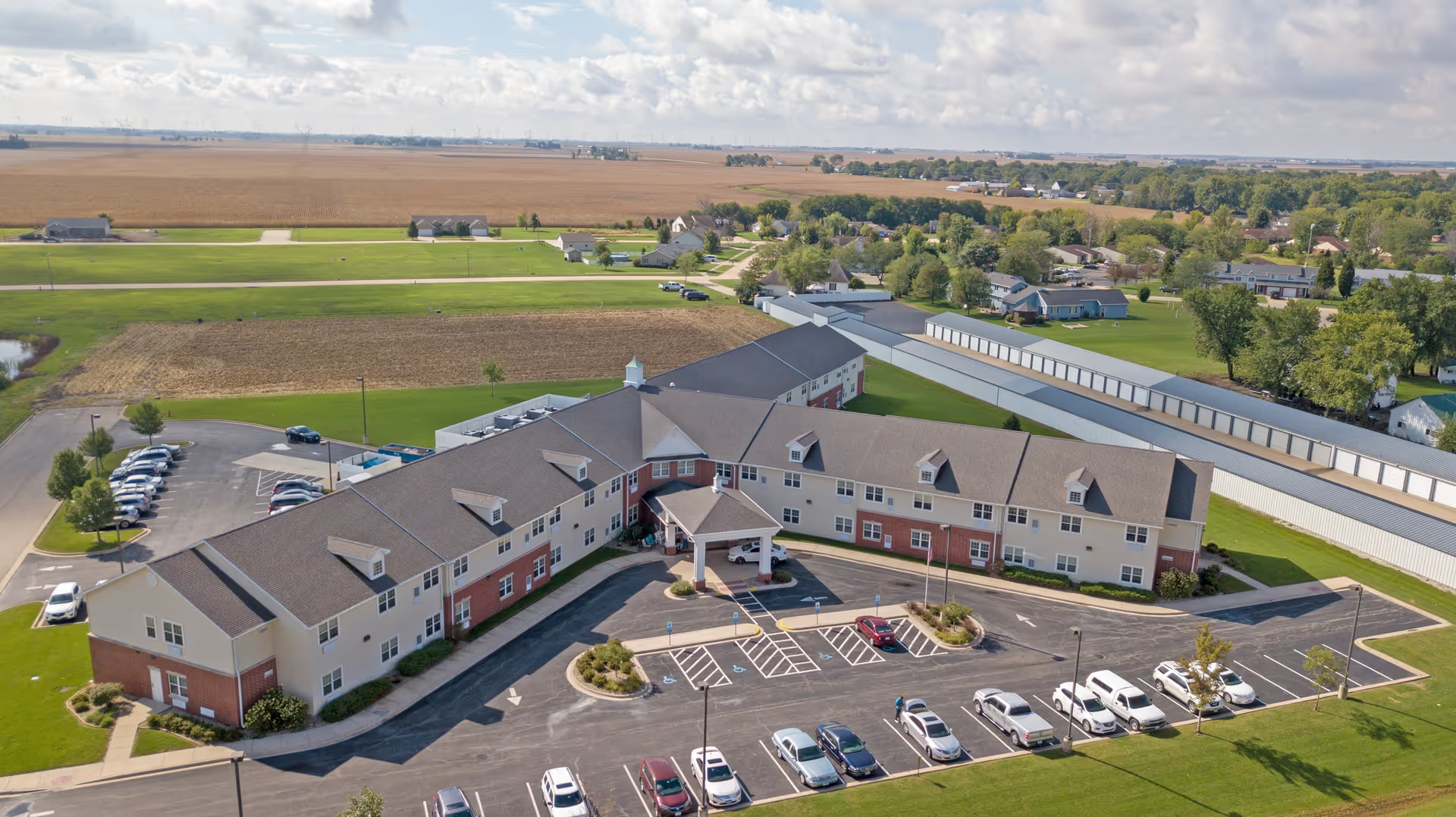
Facility- and management-level issues merit attention. Several reviewers raise concerns about leadership style and staff‑culture, including allegations of discriminatory conduct; others point to sanitation and infection‑control inconsistencies and a perceived risk of outbreak in at least one account. Physical maintenance items (parking-lot potholes, inadequate visitor seating) were also mentioned as areas needing improvement. Some families described a difficult transition period when a resident first arrived, suggesting admission support could be strengthened.
Notable patterns: very strong hands‑on caregiving and therapy services; an active, resident-centered activities program; consistent cleanliness in many areas; and generally positive family recommendations. Offsetting these strengths are recurrent operational concerns around meal service, therapeutic-diet consistency, medication timing, physician access, and aspects of management and infection-control practice. Prospective residents and families should consider meeting with unit leadership to review physician coverage, medication administration protocols, dietary/meal planning for therapeutic needs, infection-control policies, and transitional support processes before placement.