Allure of Galesburg elicits a strongly mixed set of impressions: many accounts describe a facility with attentive, skilled nursing and social-service staff who build relationships with residents and families, while other accounts raise facility-level operational and management concerns. The positive feedback centers on caregiving quality and interpersonal aspects of care; the negative feedback centers on consistency of basic services, communication, and administrative transparency.
Care quality: Several reviewers praised the clinical team as knowledgeable and competent, and some families expressed confidence in the facility's skilled-nursing capabilities and care coordination. At the same time, other reviewers described delays in attending to resident needs and inconsistencies in routine personal-care tasks (for example, bathing schedules and timely hygiene assistance). There are also references to concerns following a resident's death and to pockets of inconsistent follow-through on care plans, indicating variability in how care standards are applied across residents.
Staff: Staff demeanor is a major strength when interactions are positive — many accounts emphasize compassionate, personable caregivers who know residents by name and take time to visit. Conversely, there are documented concerns about staff conduct, including instances where disciplinary actions and subsequent rehiring were questioned; reviewers also described unprofessional or rude interactions in some cases. These contrasting impressions suggest reliable interpersonal care on many shifts but occasional lapses in behavior or in the facility's approach to staff discipline and remediation.
Dining and activities: The facility's dining environment and activity programming receive favorable remarks: families noted a clean dining room, hospitable service, and a variety of engaging activities. However, there are operational weaknesses affecting meal continuity and quality — several reviewers mentioned inconsistent meal quality and interruptions to hot-meal service due to system changes. Prospective residents should verify current meal-service procedures and sample menus during a visit.
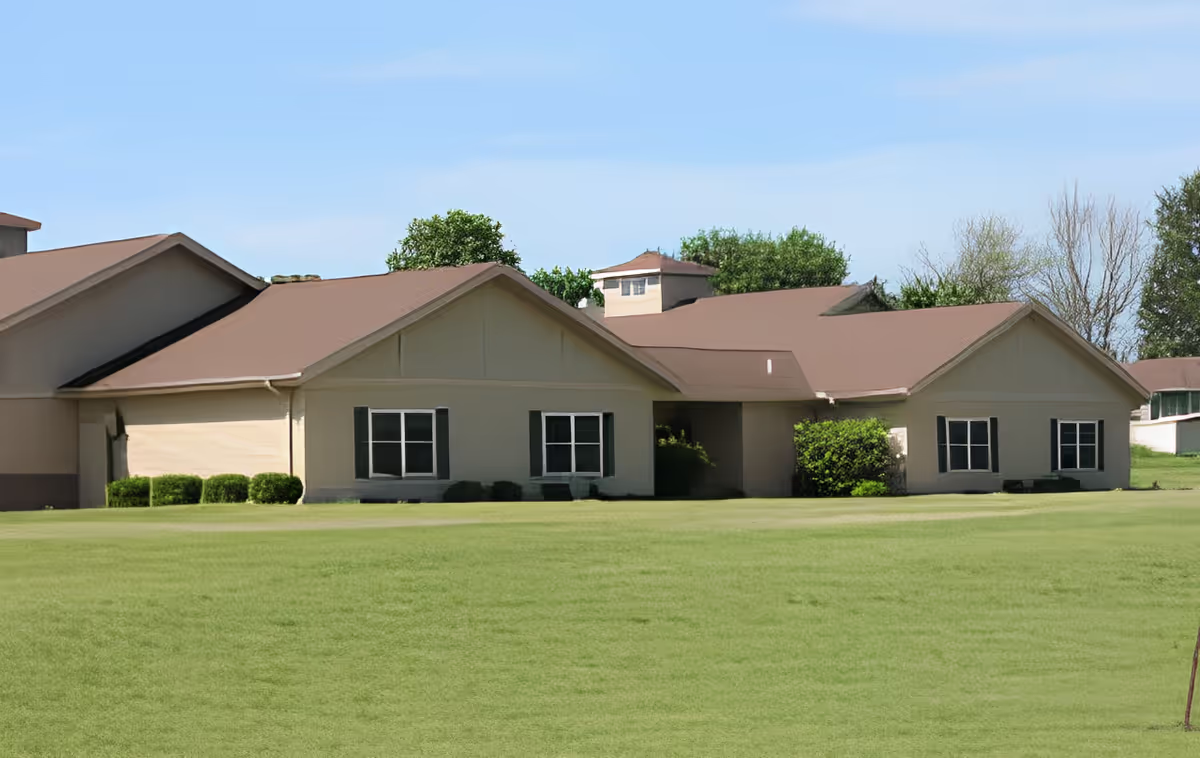
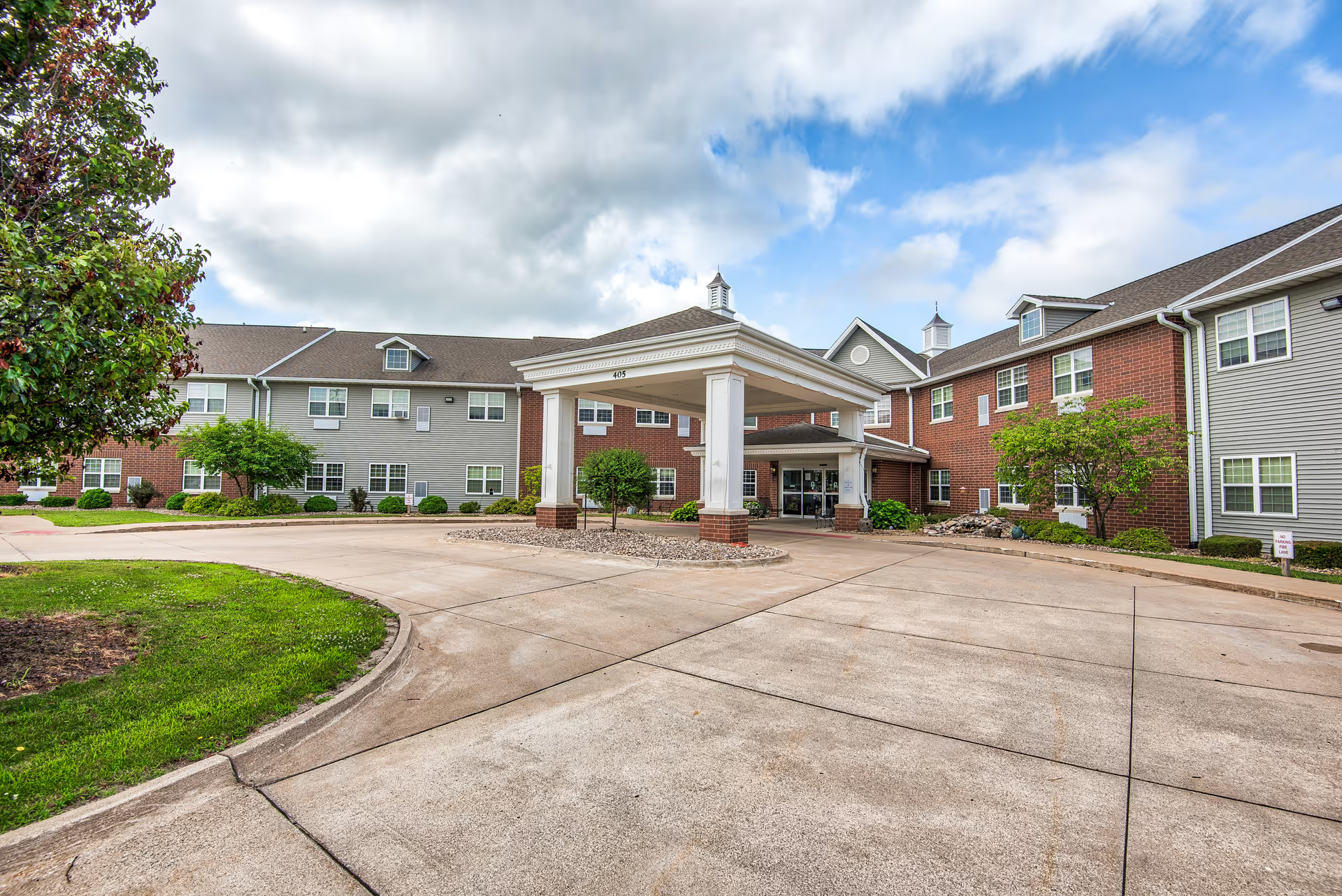
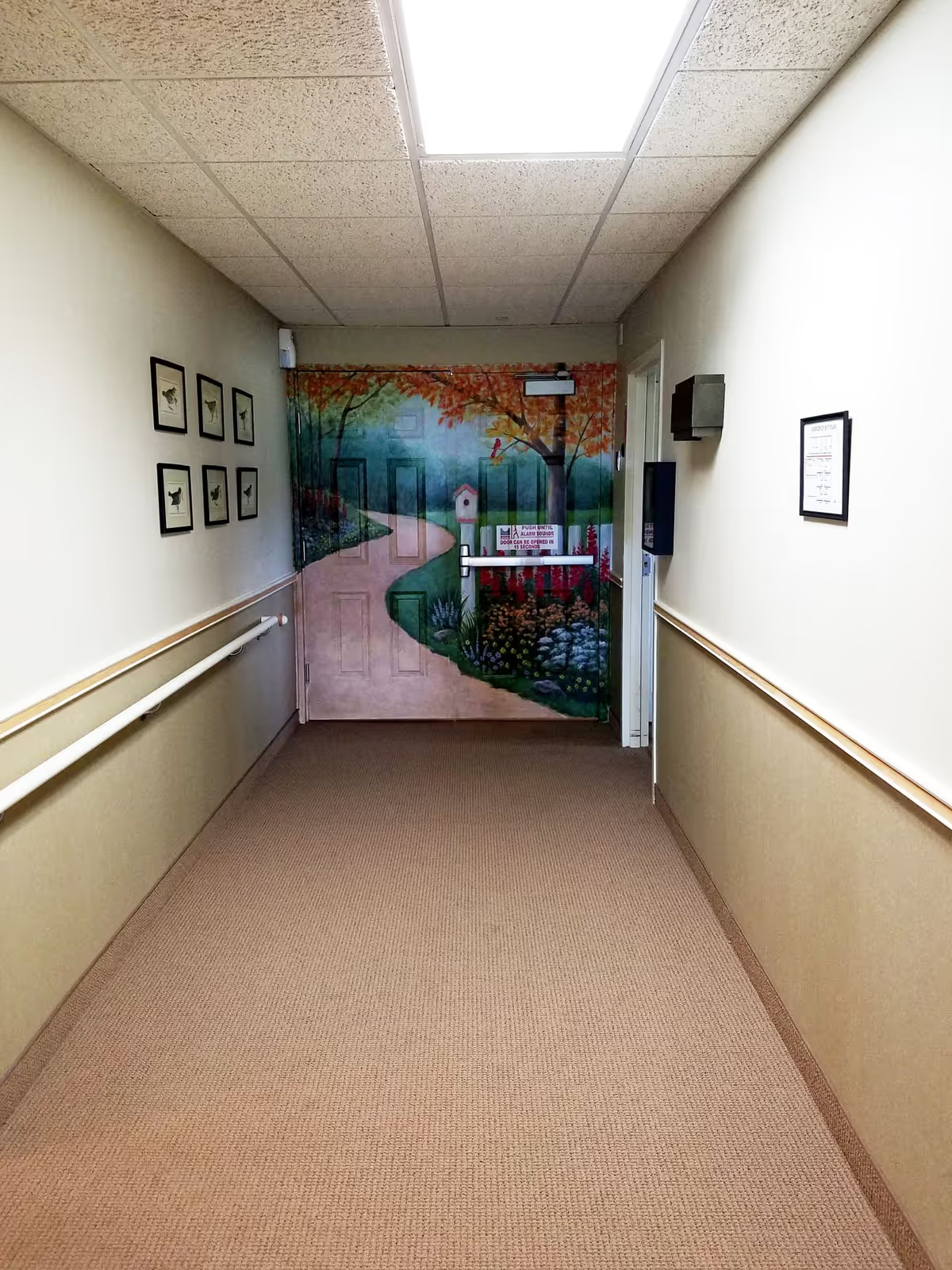
Facilities and maintenance: Common areas and parts of the building are described as clean and welcoming, but specific concerns were raised about room-level sanitation, bathroom functionality, and pest control (ants in rooms). Reviewers referenced toilets and showers in poor condition and maintenance gaps that affect resident comfort. These points indicate the facility maintains public areas well but may have uneven attention to room-level upkeep and preventive maintenance.
Management and communication: A recurring theme is uneven administrative responsiveness and limited transparency. Families described lapses in follow-up, reluctance to share information, problematic paperwork and admission-pressure practices, and inaccurate information about bed availability. There are also serious claims, including allegations of missing personal property and financial impropriety; such claims warrant careful investigation by regulators or prospective families. Overall, communication and clarity from leadership appear inconsistent, with some families experiencing attentive case management and others encountering delays or evasiveness.
Notable patterns and practical guidance: The overall pattern is one of strong, relationship-driven caregiving in many areas combined with operational inconsistencies that affect resident experience. When evaluating the facility in person, prospective residents and families should observe room cleanliness and bathroom function, speak directly with nursing and social-service staff about routine care schedules, review incident and disciplinary policies, ask for written explanations of recent changes to meal service, and request documentation for admissions and financial transactions. If serious concerns (for example, missing property or questionable financial practices) arise, pursue formal channels for review, including state oversight resources.
In sum, Allure of Galesburg demonstrates clear strengths in staff compassion, clinical skill, and resident engagement, but also presents facility-level risks tied to maintenance, consistency of basic care tasks, meal-service reliability, and administrative transparency. Those considering the community should weigh the interpersonal strengths against these operational issues and conduct targeted questions and walkthroughs to assess whether current practices match their priorities.