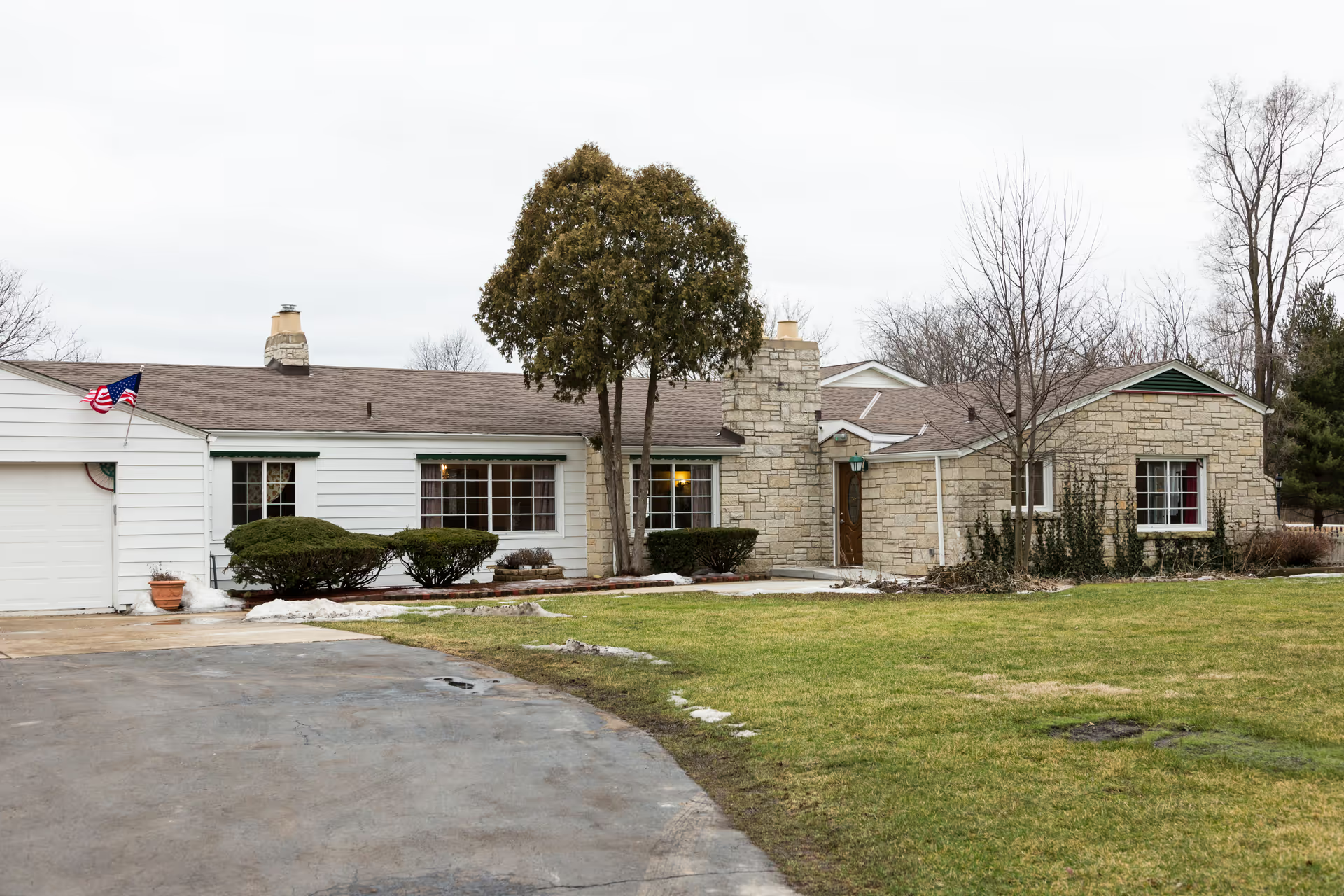
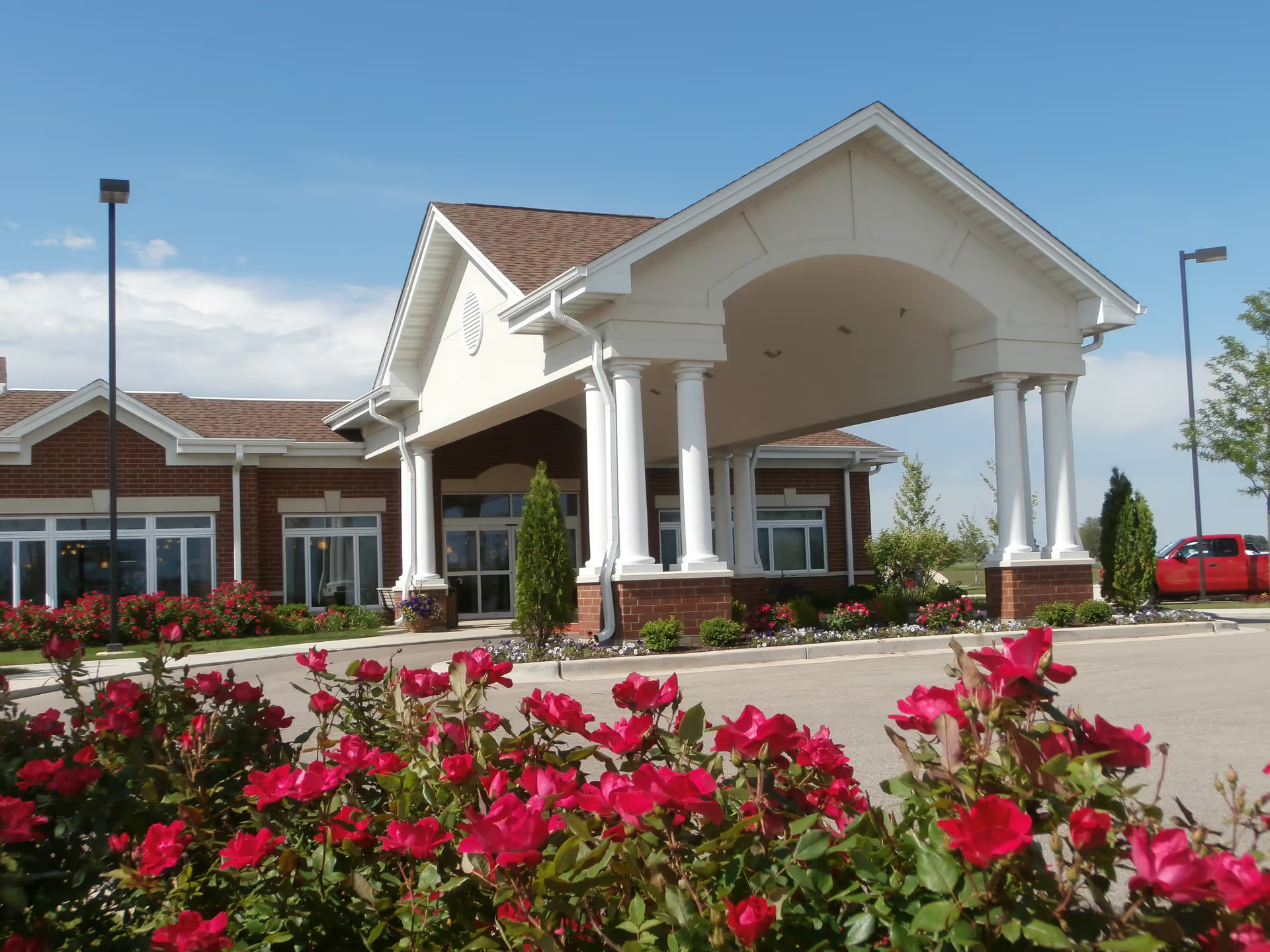
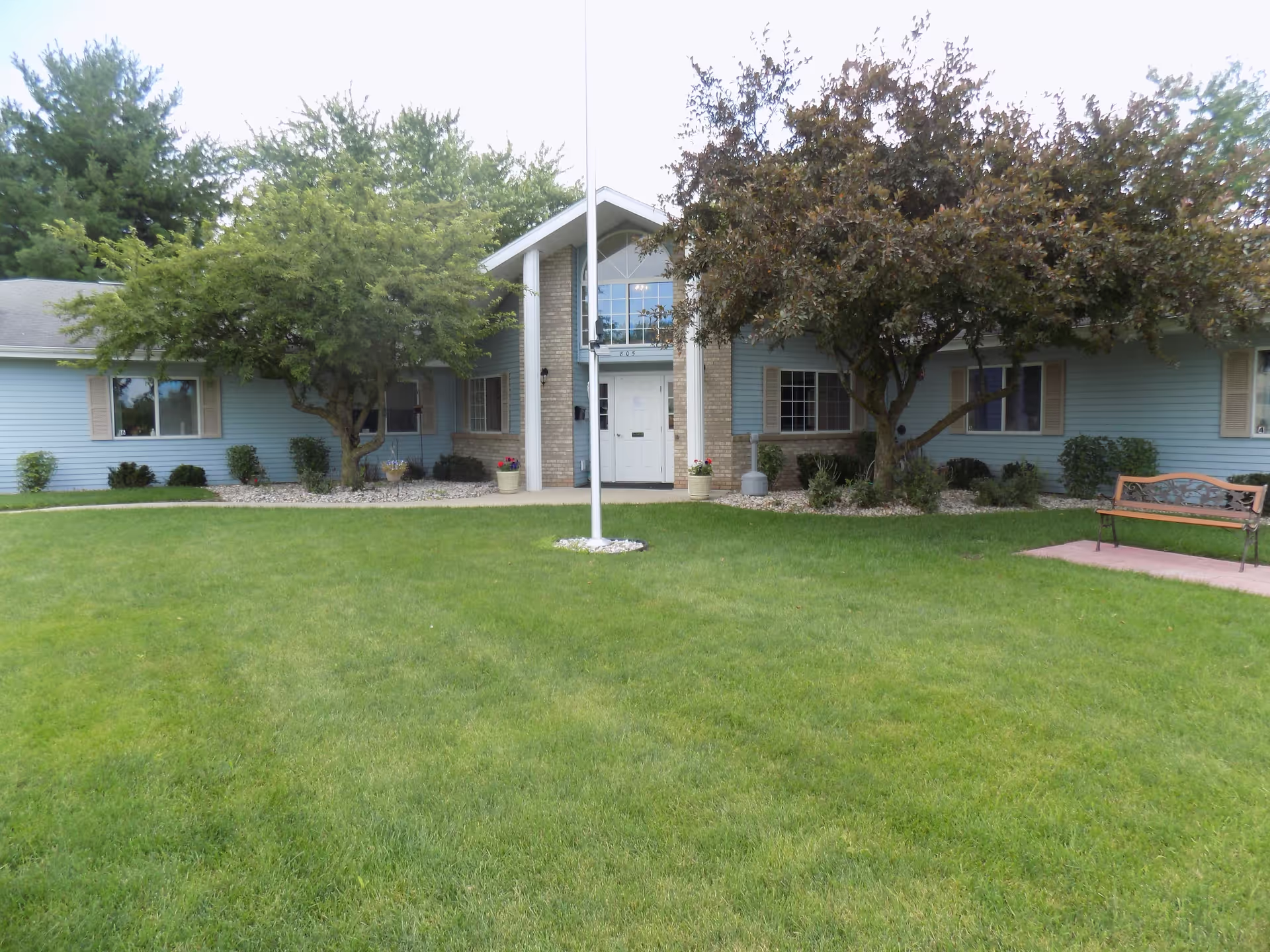
Overall impression: Reviews describe Shepherd Premier Senior Living in Harvard as a small, family-style home with a warm, home-like feel. Families and residents commonly emphasize warm interactions, visible enjoyment during activities, and a holiday-focused, joyful atmosphere. The facility's physical environment is repeatedly characterized as comfortable, clean, and well maintained, and many reviewers called the community a ‘‘home away from home.’' Cost is frequently described as reasonable for the level of personal attention provided.
Care and staff: Care quality is overall presented positively. Caregivers are described as kind, engaging, and attentive; nursing staff are noted for keeping families updated and for providing emotional and spiritual support. Reviewers highlight individualized attention, staff willingness to go out of their way for resident comfort, and a general tone of humility and dedication in leadership and frontline personnel. Several comments indicate that residents showed improvement or were happy and well cared for under this staff model.
Clinical and management patterns: The most consistent operational concerns relate to clinical processes and administrative capacity. Reviewers indicate inconsistencies in medication and clinical-order management and express frustration with how some medical orders are handled. The facility’s preference for using an in-house or facility-associated physician is noted as limiting for families who wish to retain an outside provider. There are also observations about limited management/administrative staffing or oversight; reviewers imply that additional management presence could improve responsiveness to clinical coordination and policy communication.
Dining and activities: Activity programming is a clear strength—residents are portrayed as engaged, smiling, and participating in social events and holiday celebrations. Meal service receives mixed feedback: the presence of a chef and some positive dining experiences are cited, but reviewers also describe variable meal quality, summarized here as inconsistent dining quality. Prospective families may want to sample menus and ask about dietary accommodations and frequency of menu changes.
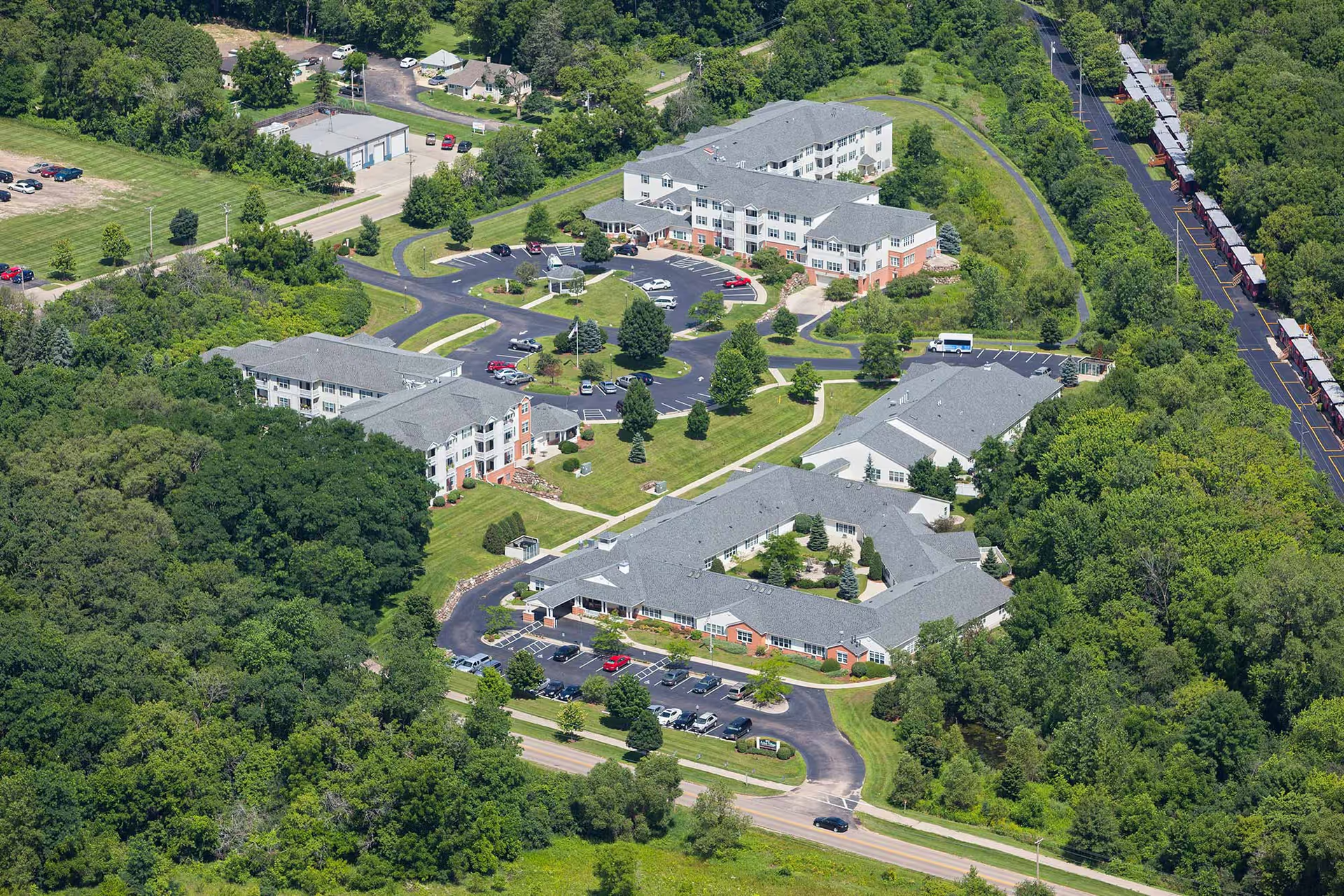
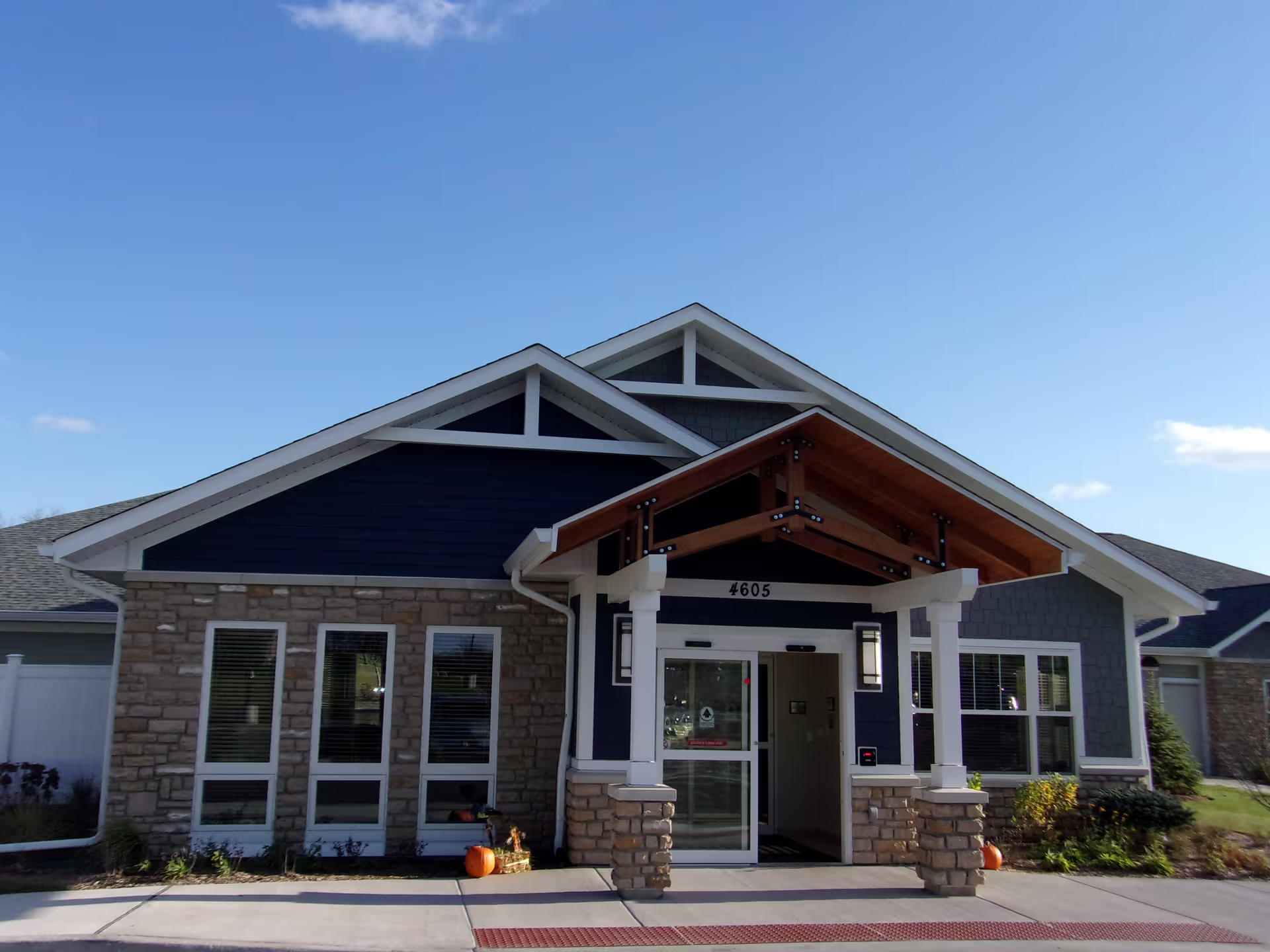
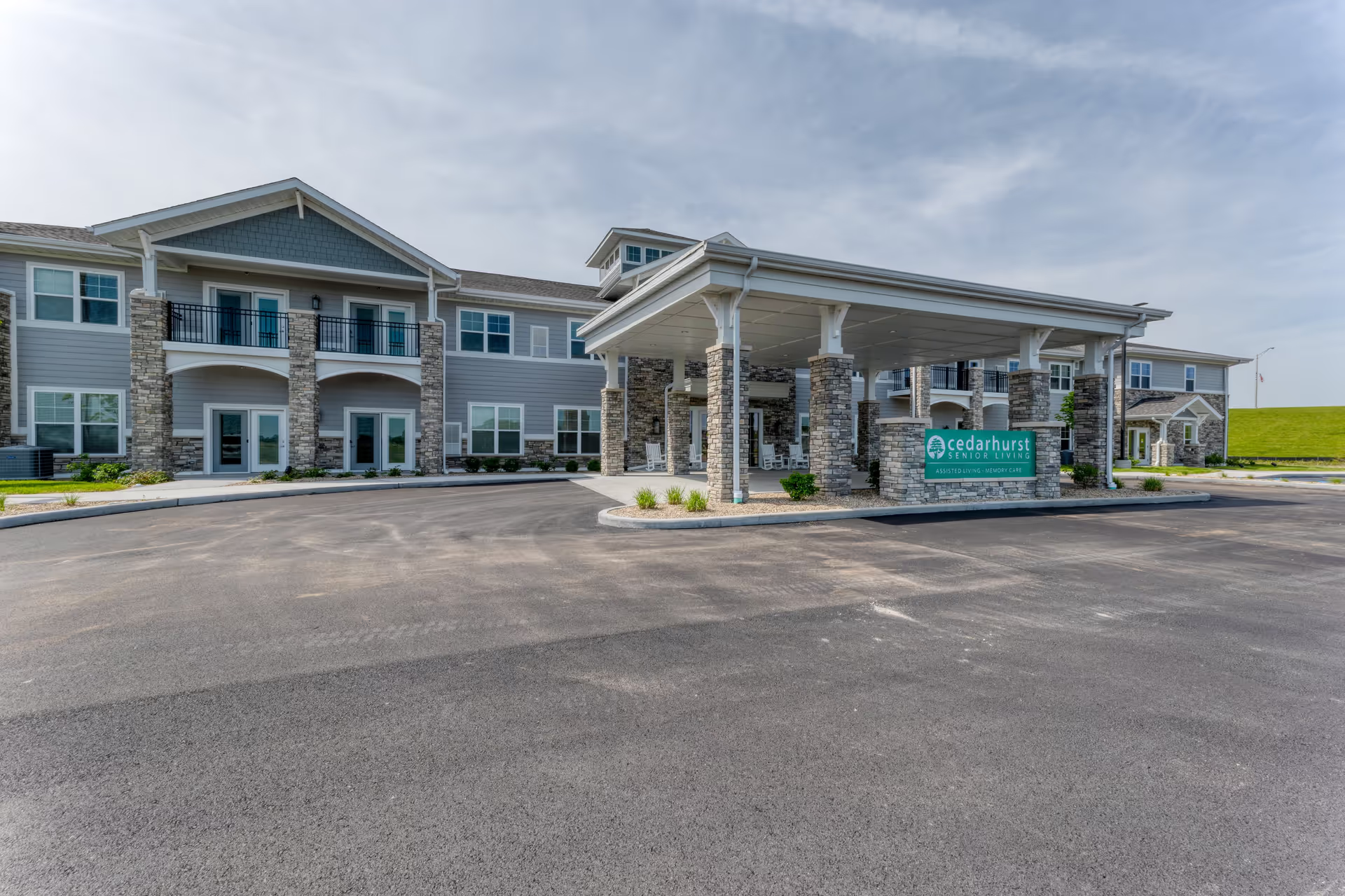
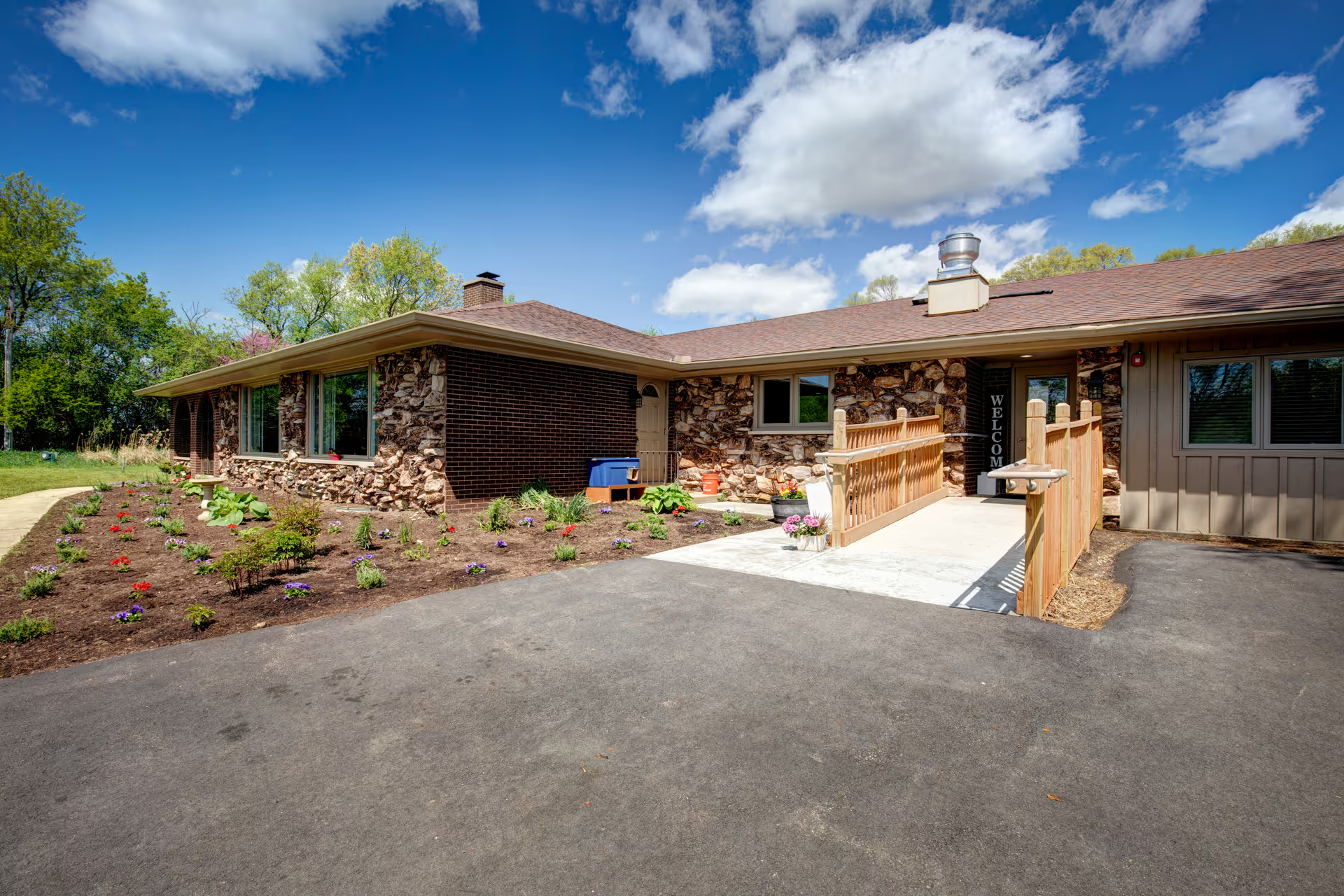
Facilities and atmosphere: The physical setting is consistently described as non-institutional, cozy, and residential, with the option for residents to bring personal bedroom furniture. Cleanliness and upkeep are mentioned positively, and the property is characterized as beautiful and well-kept. The small-house, family-style model appears to contribute to strong companionship and a sense of community.
Notable patterns and recommendations: The dominant pattern is of a caring, home-like community with strong interpersonal connections and active programming, offset by operational gaps in clinical order handling, physician-choice flexibility, and managerial bandwidth. Families considering this community should verify current medication-management procedures, clarify the facility’s policy on outside physicians, ask about management availability and escalation processes, and inquire about current vaccination and infection-prevention practices. These targeted questions will help prospective residents balance the facility’s clear strengths in personal care and environment against the operational areas where reviewers indicated room for improvement.