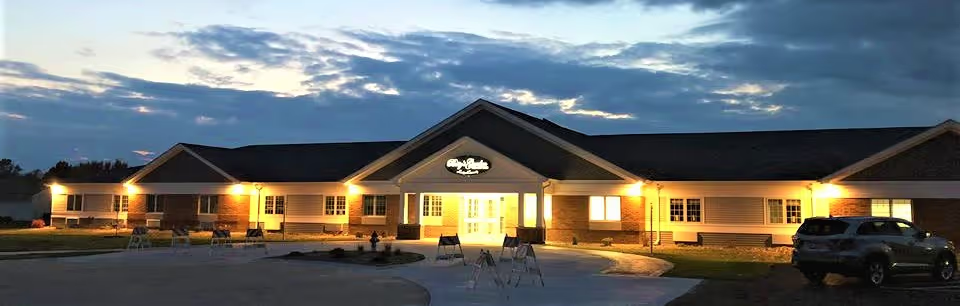
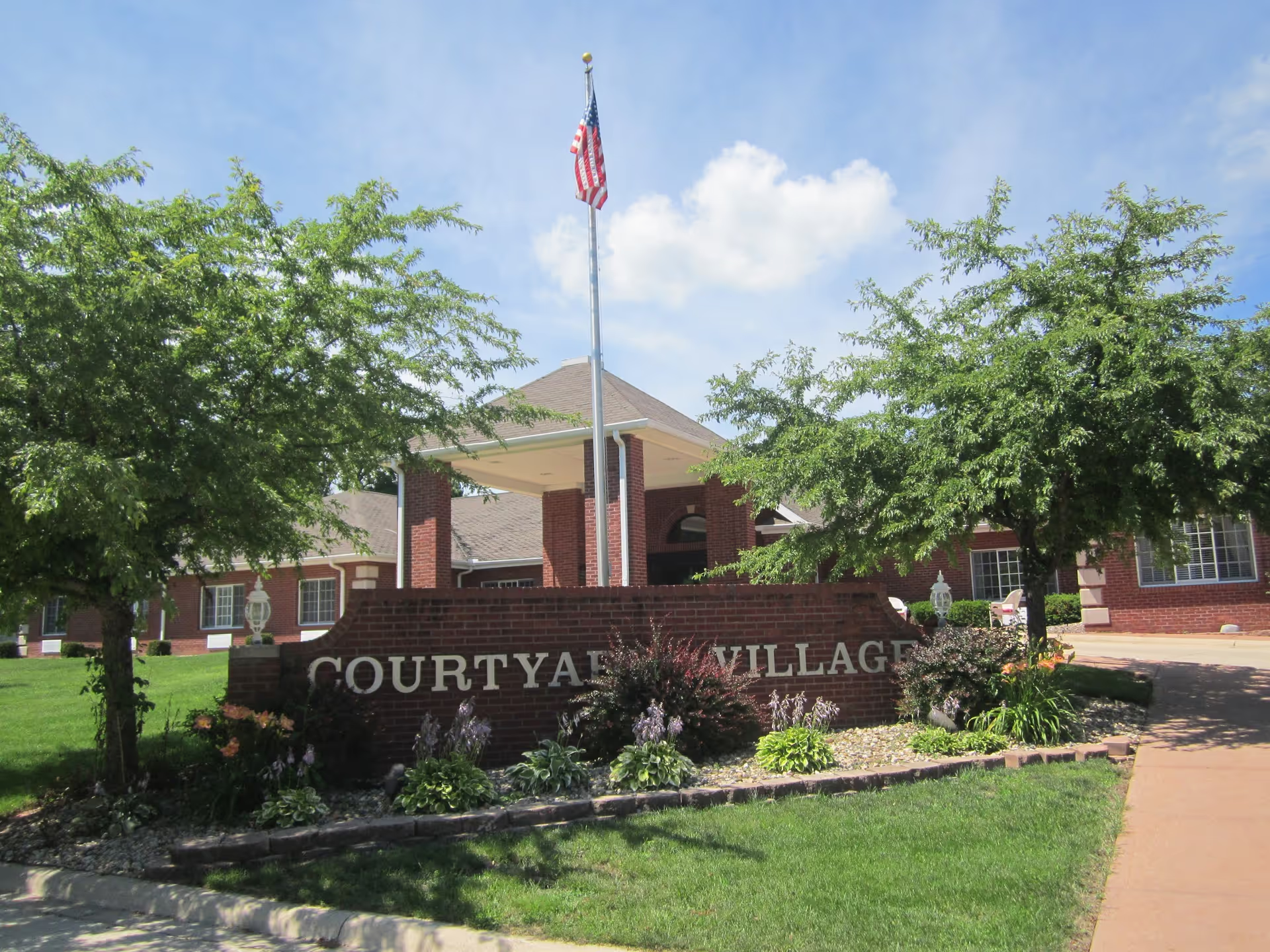
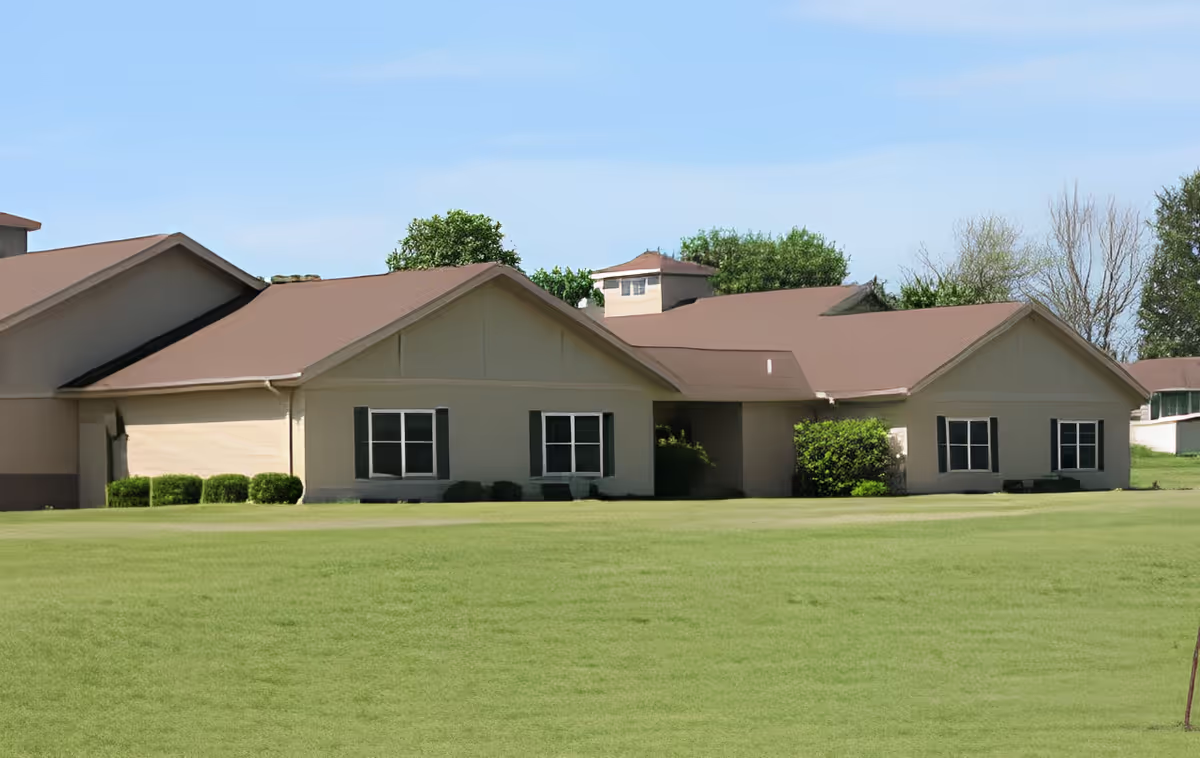
The reviews present a polarized picture of Avenues at Royal Oak: many families and residents praise the caregiving team, dining, therapy and social services, while others describe persistent operational gaps that affect daily living and perceived safety. Strengths commonly cited include compassionate CNAs and nurses, an active therapy department, a robust activities program with transportation for outings, and an overall family-like culture among long-tenured staff. Several individual caregivers were named positively, and reviewers often mentioned helpful social services staff, assistance with veteran and Medicaid benefits, and recent facility renovations that contribute to a welcoming environment.
Care quality and clinical operations show a mixed pattern. Positive comments highlight attentive CNAs and nursing staff, timely access to clinical support, and medication-dispensing systems in place. At the same time, there are recurring concerns about inconsistent staffing levels—particularly on third shift—supply shortages for basic care items (towels, bedding, gloves), and shortages of transfer-assist equipment. These operational gaps are linked to delays in routine care tasks, transfer difficulties, and variability in therapy and bathing schedules. There are also concerns about medication management and communication with families, including some accounts describing withheld medication; these items merit direct clarification from management during a visit.
Staff and unit culture receive both high praise and criticism. Many reviewers described caregivers as compassionate, collaborative, and uplifting, noting strong teamwork and individualized attention from named staff. Conversely, other accounts raise concerns about staff conduct and tone, including instances of defensive or dismissive interactions, cultural-sensitivity issues, and a unit described by some as punitive in its handling of behavioral cases. There are also mentions suggesting uneven training or certification oversight; prospective families should ask about staff credentialing and ongoing education.
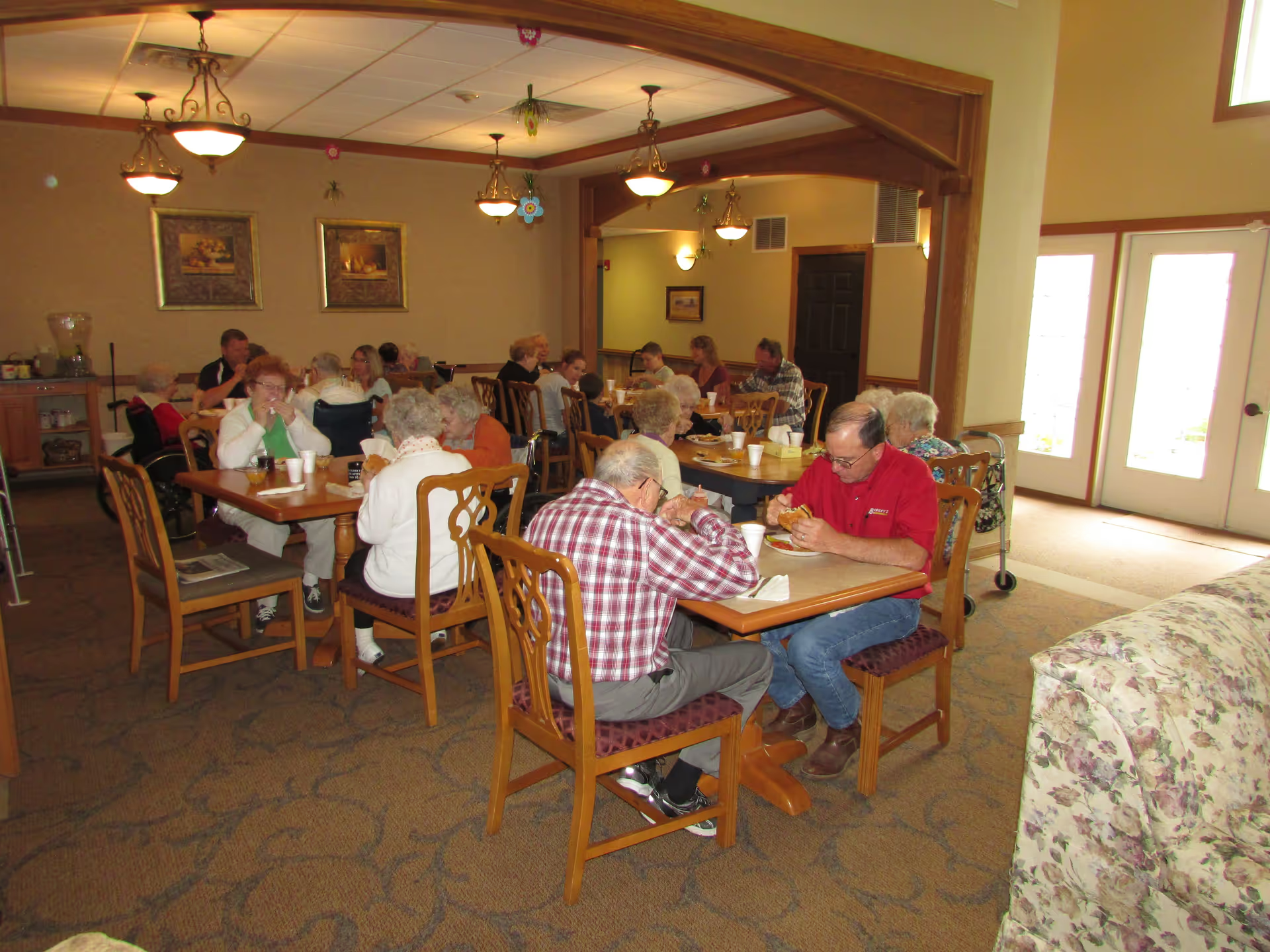
Dining, activities, and therapy are frequently noted as positive features. Meals are described as varied and well-presented, and the activities program includes festive routines and community outings that residents enjoy. The therapy department was described as motivating and helpful toward residents’ goals. However, reviewers also noted gaps in daytime programming coverage and inconsistent access to physical therapy for some residents, suggesting scheduling variability.
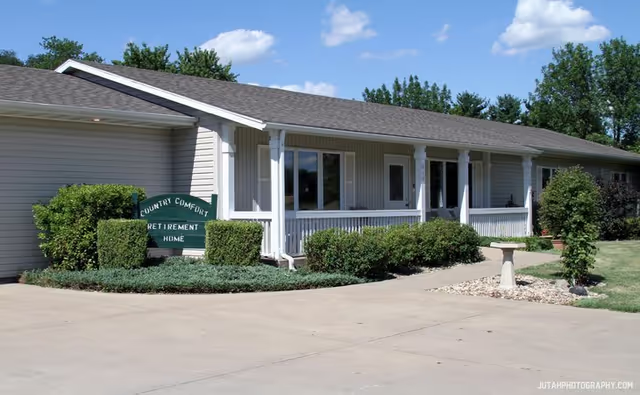
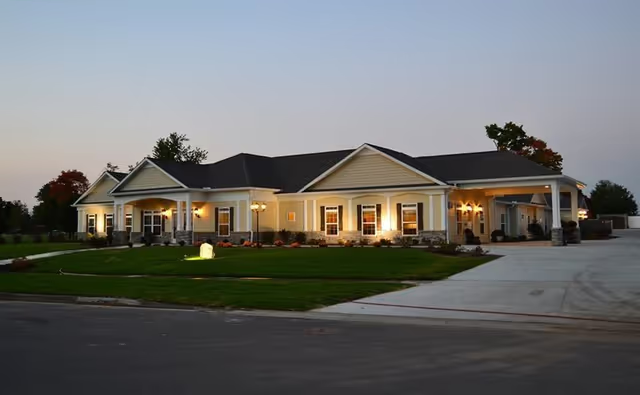
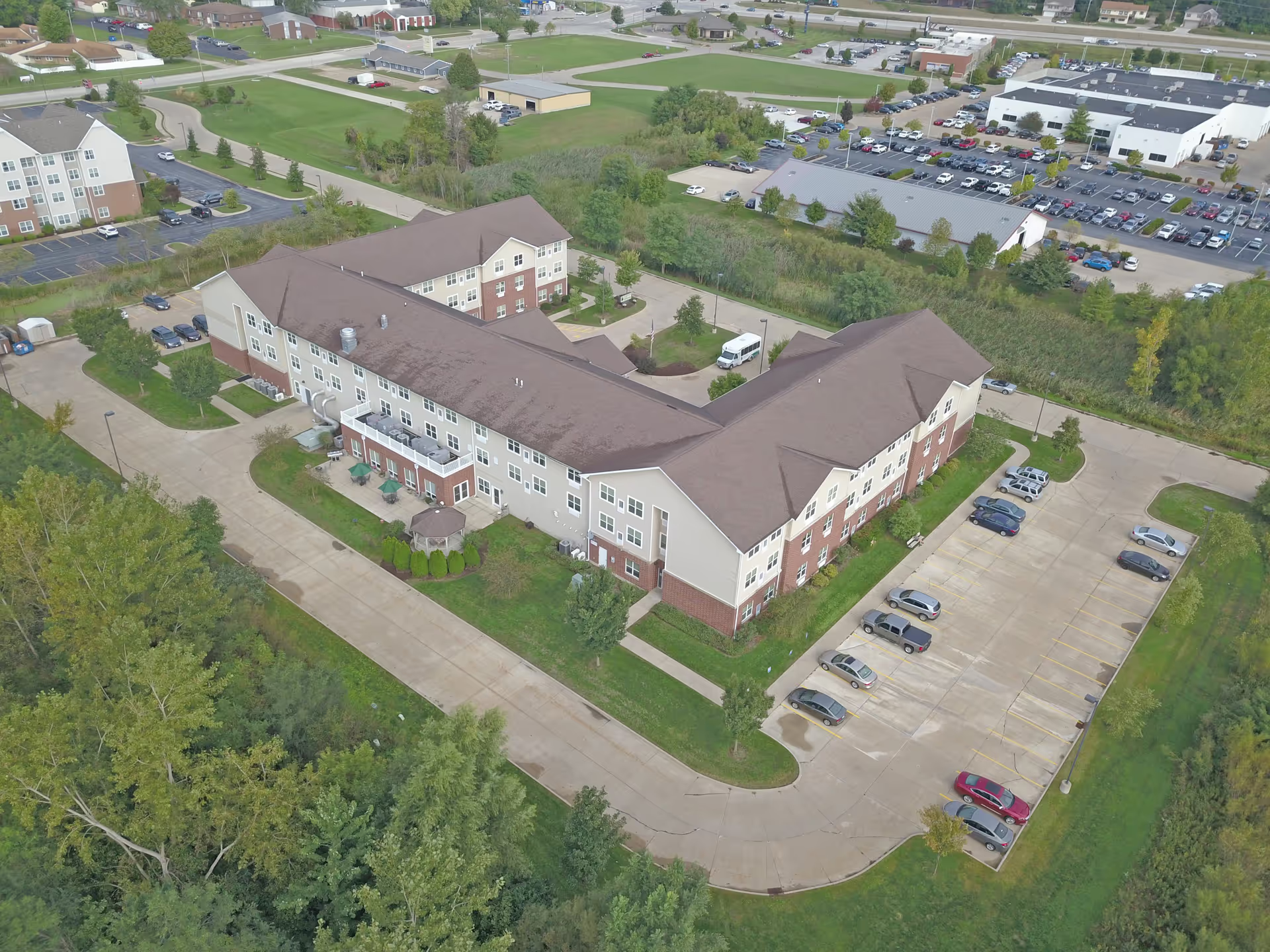
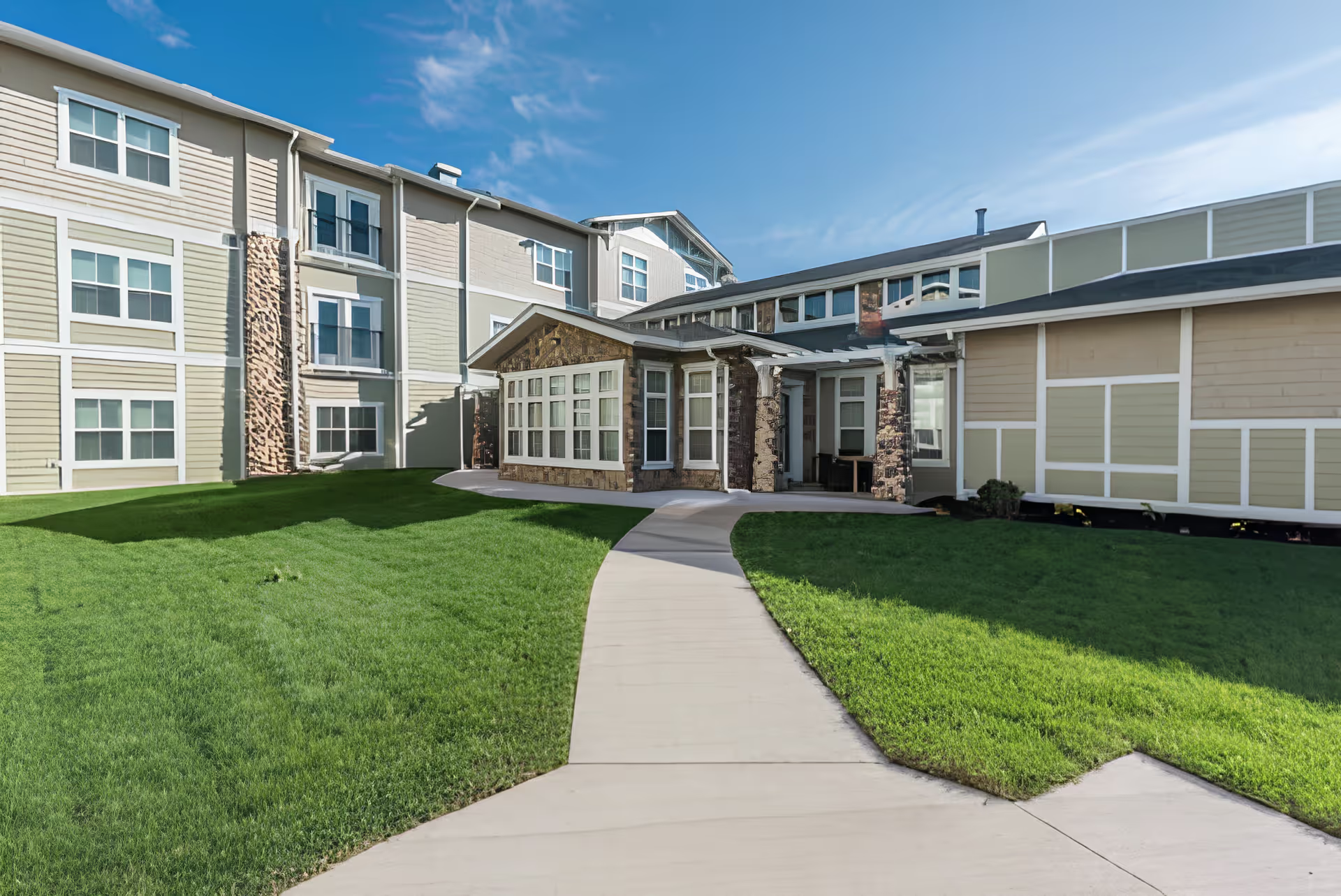
Facility maintenance and logistics are another mixed area. Many comments praise clean, spacious rooms, common areas, and recent aesthetic updates. Yet there are sanitation concerns in some accounts, inconsistent laundry controls with lost items, and temperature-control issues that leave some areas uncomfortably cold. Security and property-control processes appear inconsistent in practice; there are allegations of staff-held packages, missing mail, and withheld personal items that raise concerns about internal controls and visitor/family trust.
Management and communication show strengths and weaknesses. Positive remarks cite accommodating leadership, flexible scheduling, and helpful admissions/social service assistance. At the same time, some families described difficulties obtaining satisfactory responses to clinical incidents, unresolved billing questions, and weak follow-through from leadership on specific problems. There are also serious allegations related to property and financial handling; these allegations should be explored directly with administration and through regulatory records if relevant.
Overall, Avenues at Royal Oak demonstrates clear strengths in caregiving compassion, therapy, activities, and certain aspects of facility upkeep. However, consistent operational issues—staffing variability, supply and laundry controls, HVAC inconsistencies, medication- and property-management concerns, and mixed experiences with staff conduct—create a level of variability in resident experience. Prospective residents and families should tour the facility, meet nursing leadership, ask for current staffing ratios (including third shift), review medication and laundry processes, inquire about transfer equipment and training, and speak with current resident families to confirm whether management has addressed the operational issues noted in these accounts.