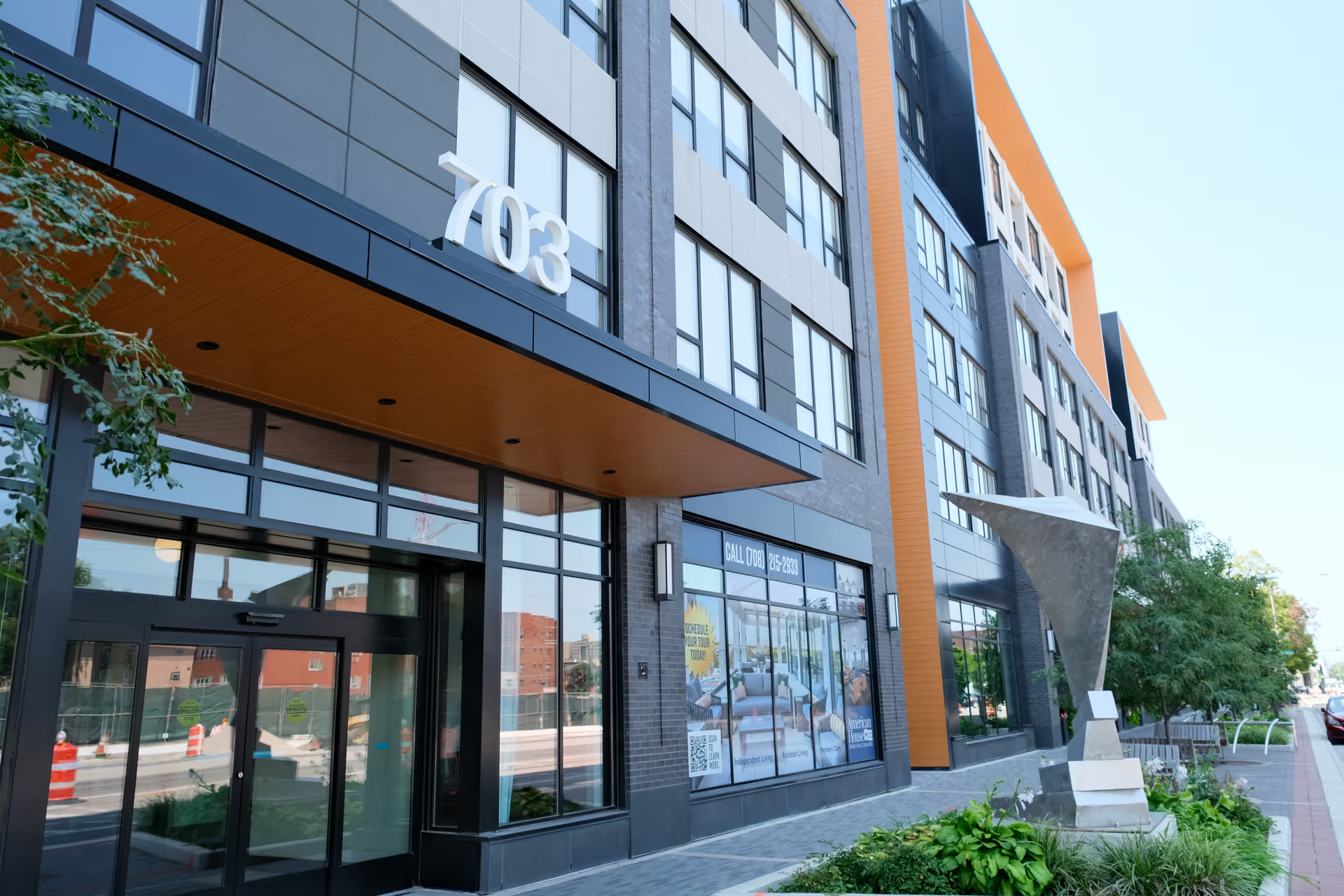
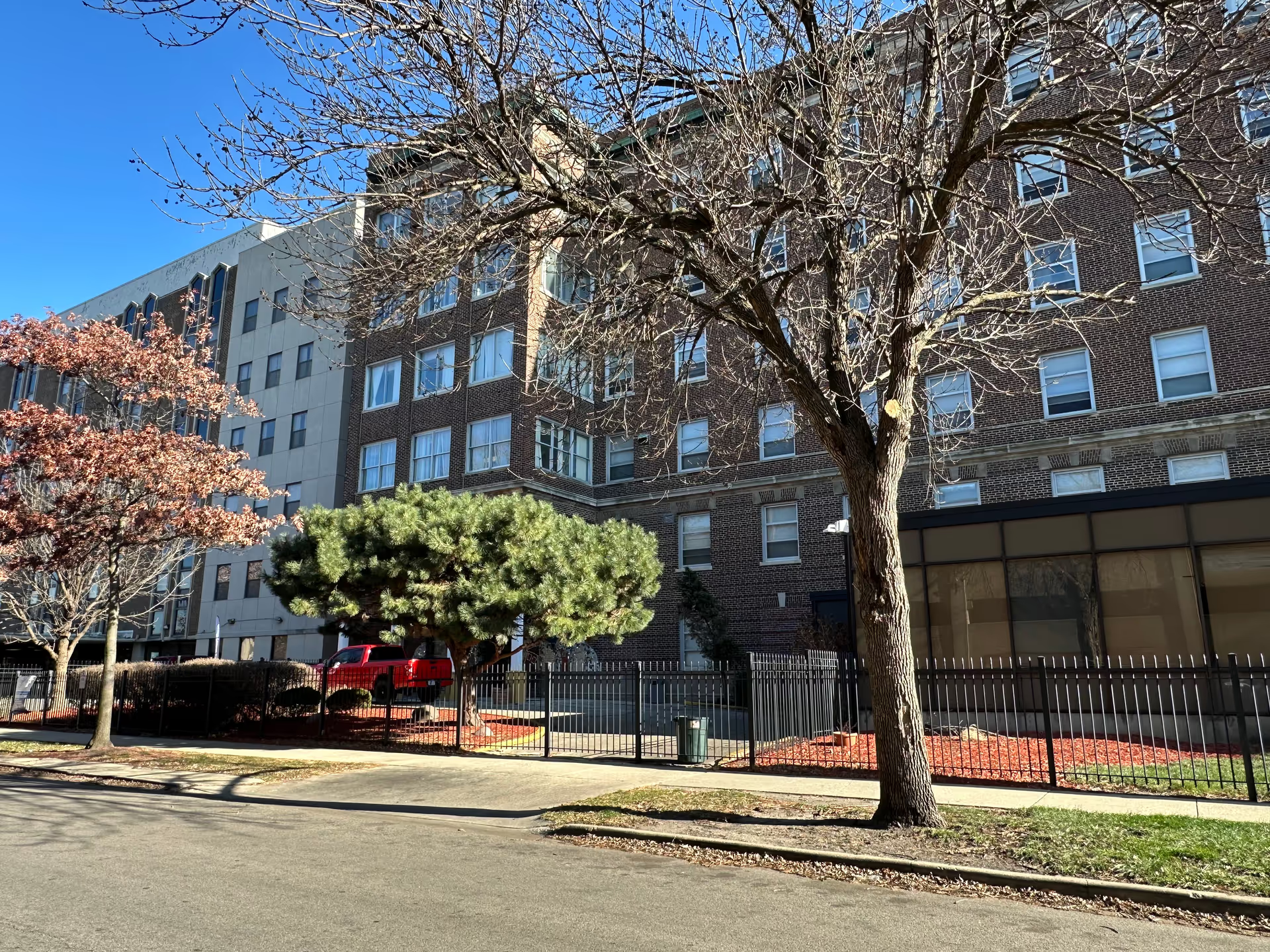
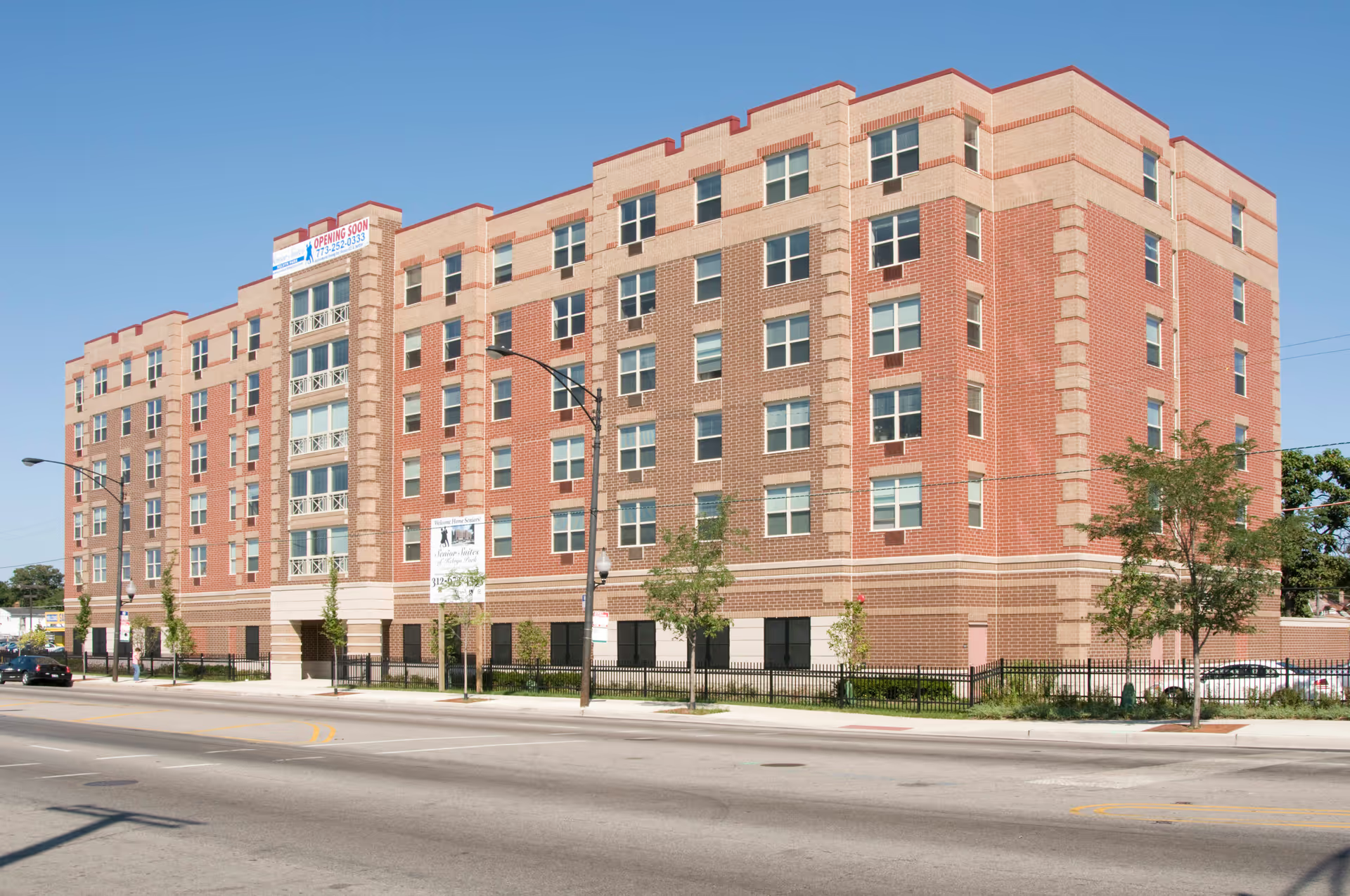
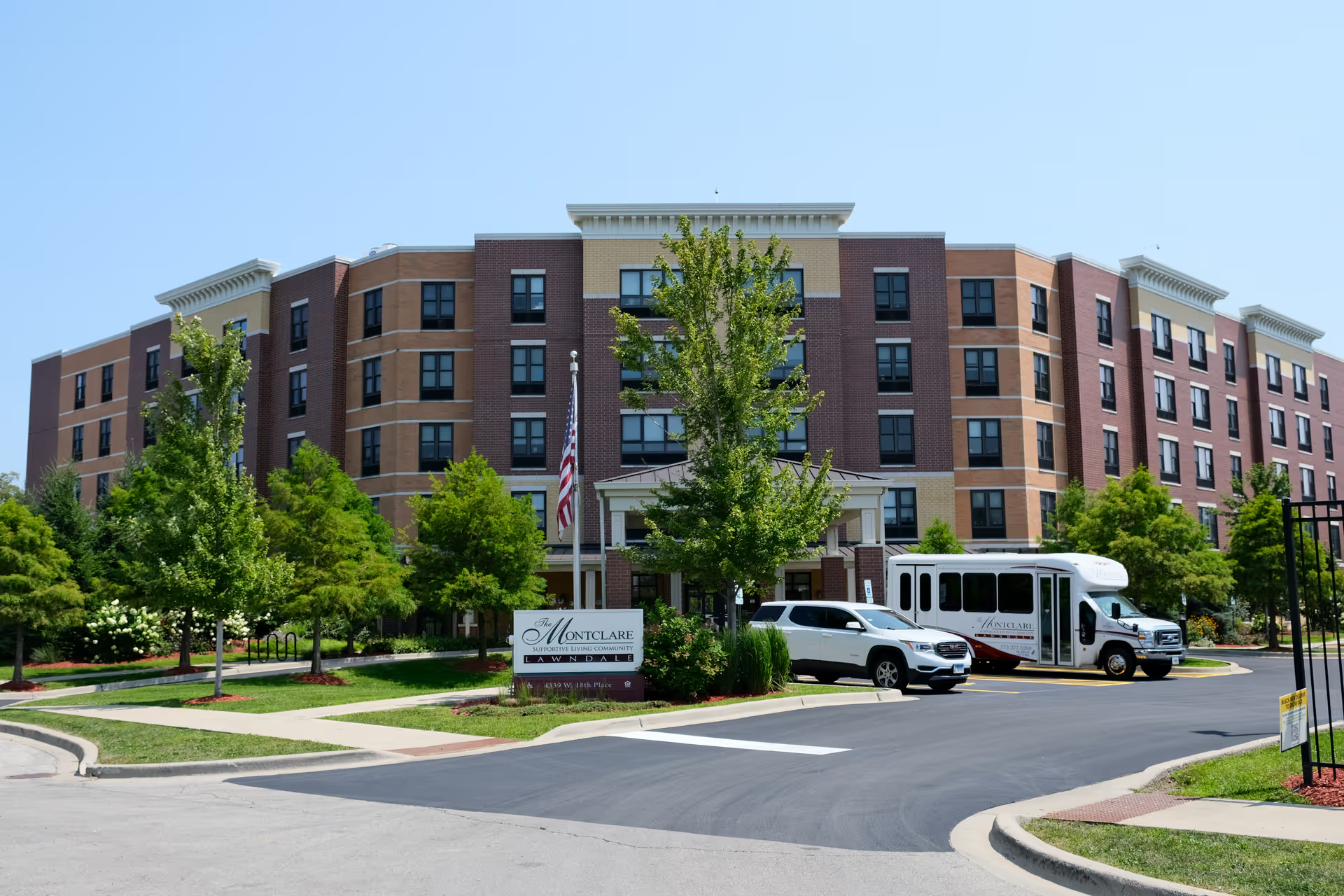
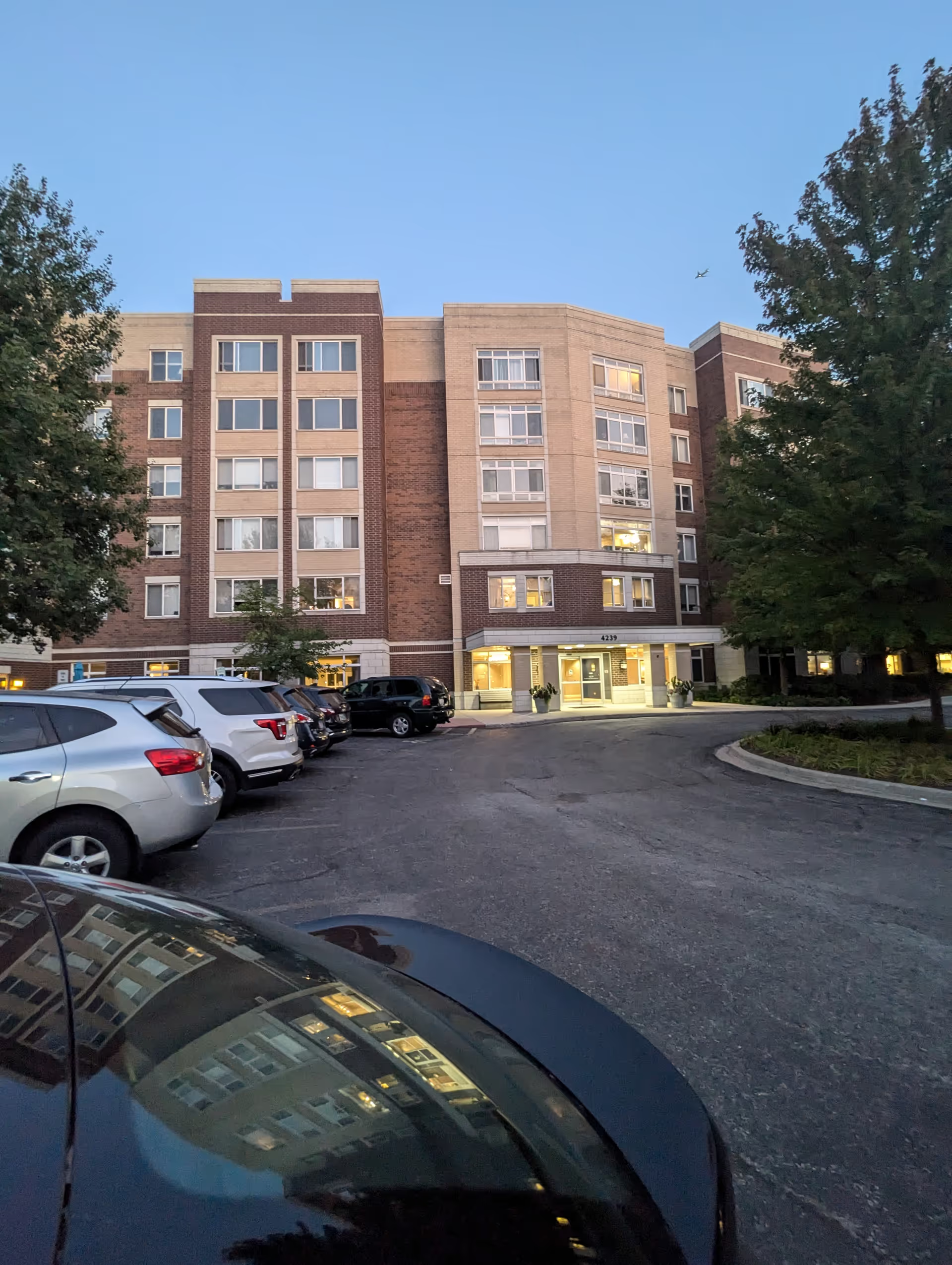
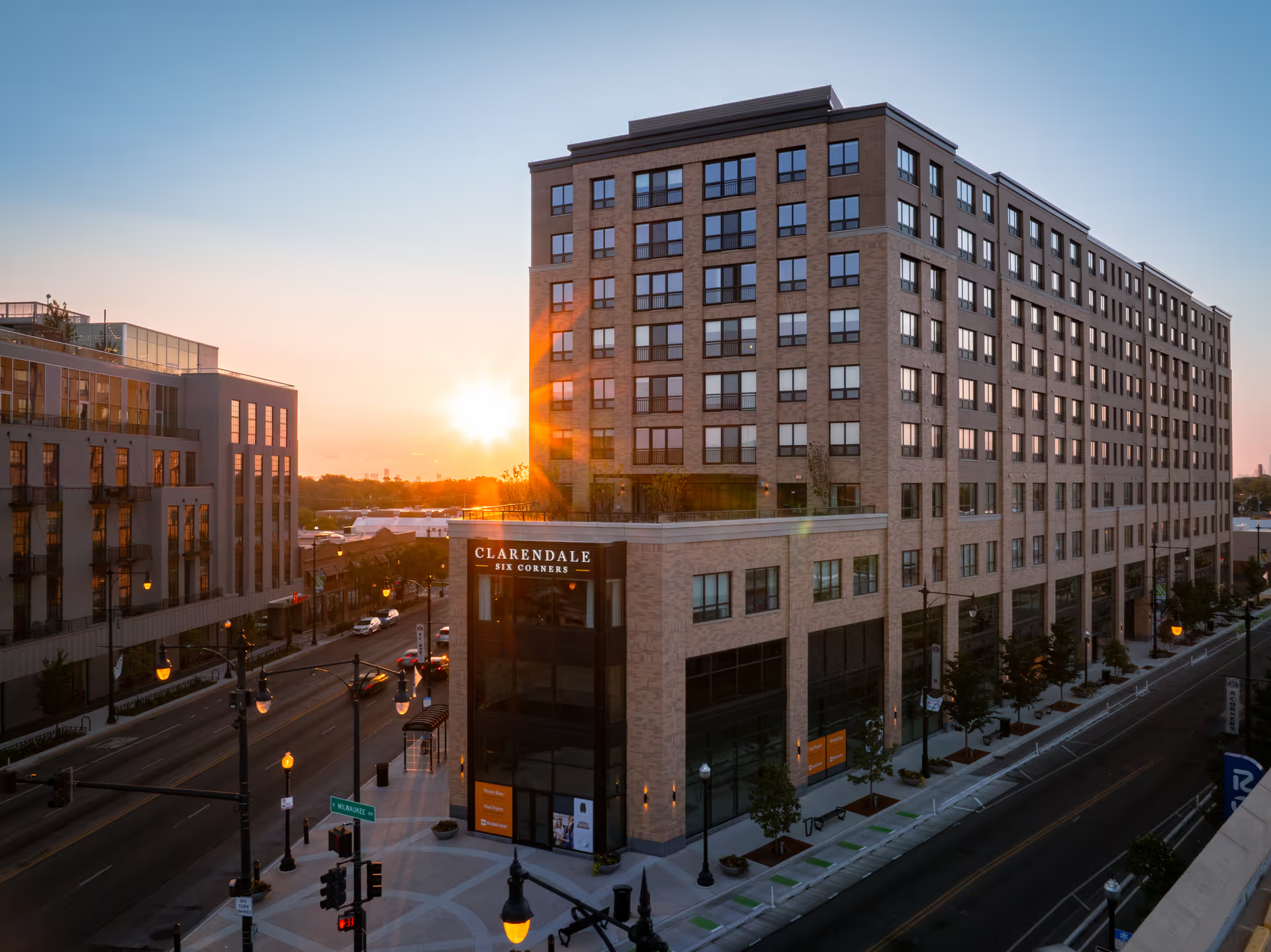
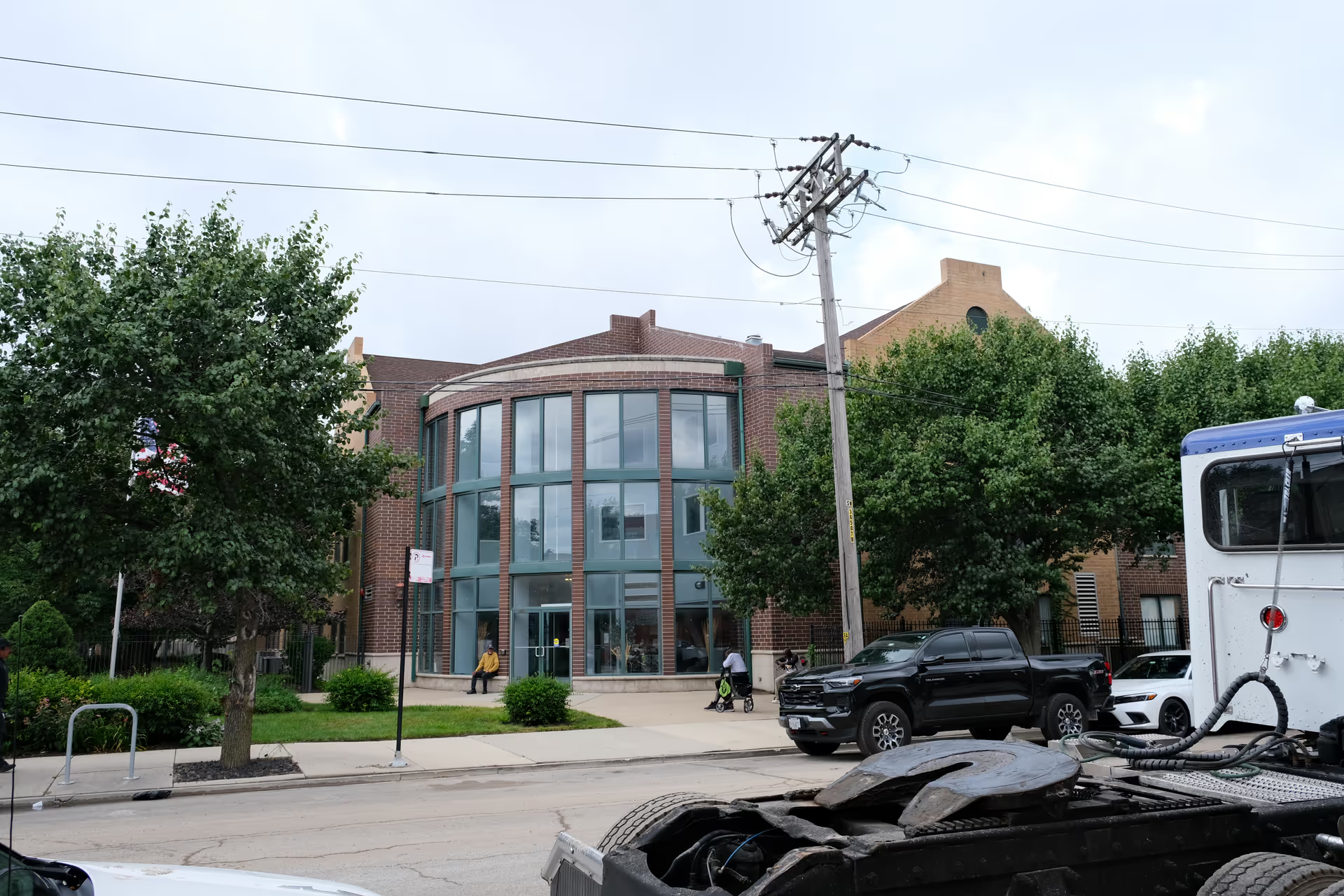
Brookdale Oak Park is described predominantly as a welcoming, active senior-living community with a strong resident culture. Residents and families often praise the friendliness and attentiveness of staff, the ease of forming relationships, and the range of ways to participate or maintain privacy. Many accounts describe helpful move-ins and supportive communication with families. Some residents appreciate being able to remain independent while accessing assistance as needs change; the community also offers assisted-living services. However, the facility’s primary orientation is toward independent living, and it does not offer memory care, so the available support should be compared carefully with an individual’s current and anticipated care needs.
The location is a consistent strength. Reviewers value the walkable downtown setting, nearby shopping, restaurants, parks, health services, and public transit. Several accounts also describe local transportation for appointments and errands. Apartments are commonly praised for being comfortable, clean, and well laid out, with some offering generous space, natural light, and city or neighborhood views. Other visitors found certain units smaller or the building more dated than competing options. Shared amenities frequently mentioned include a library, fitness areas, activity and craft rooms, lounges, and an upper-floor dining room and outdoor space.
Activities are a notable feature, with residents and visitors describing clubs, lectures, games, exercise, music, movies, creative programs, and outings. Community groups also contribute to the event calendar. Participation appears flexible: some residents are highly involved, while others value having activities available without feeling required to join. A recurring practical limitation is that new residents may receive limited formal orientation, including help learning the activity schedule and meeting key staff.
Dining feedback is mixed but often positive. Many residents and families praise the meals, menu variety, presentation, and restaurant-style setting. Other comments describe food quality as uneven, and one resident raised a concern about a kitchen response to a meal complaint. A separate account describes slow service and difficulty being seated when tables are reserved, suggesting that dining operations may be worth evaluating during a visit. Some residents also wish their dining suggestions received more follow-through.
Most accounts characterize the building and shared areas as clean and well maintained. One long-term family account describes persistent housekeeping problems in a resident’s apartment and limited follow-through after complaints. A separate resident-family review raised serious concerns about clinical follow-through, medication management, and building heat; these concerns contrast with other families’ favorable descriptions of care coordination and responsiveness and are not repeated across the broader set of accounts. A prospective family also described a difficult admissions communication experience and expressed concern about possible bias, while many other visitors praised the tour and sales process. These differing experiences make it prudent to ask specific questions about housekeeping schedules, complaint escalation, medication oversight, clinical coordination, and communication practices.
Cost is a common consideration: some reviewers view the all-inclusive services as worthwhile, while others found the monthly price high relative to their budget or expectations for apartment size. Overall, the reviews portray a socially vibrant community in a highly convenient location, with generally positive impressions of staff, activities, and resident life. Prospective residents and families may want to assess the dining experience, apartment fit, care availability, and responsiveness to concerns directly, as these areas draw the most varied feedback.