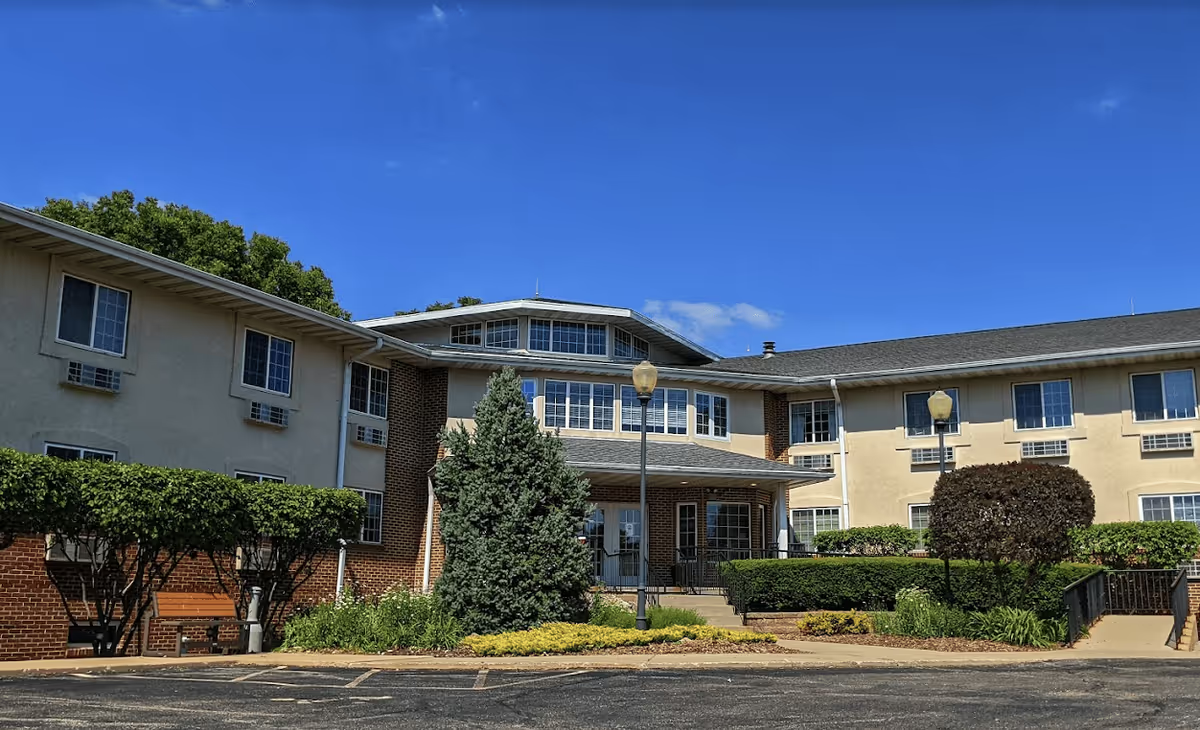
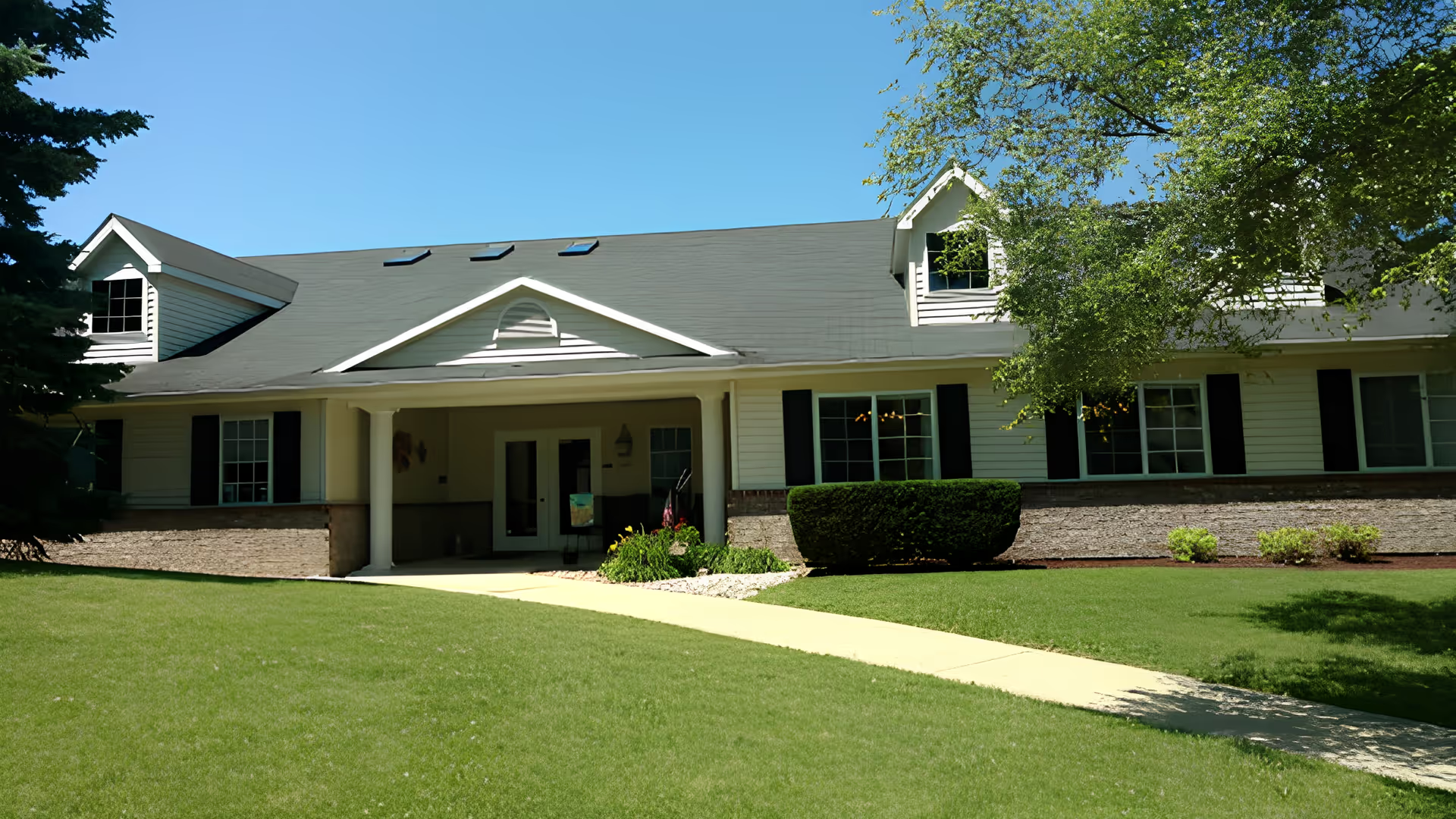
The reviews present a mixed picture. Some families described positive, caring interactions and satisfaction with the facility, while a number of operational concerns recur across accounts. Prospective residents and families should weigh these contrasting reports and verify specific policies and practices during an in-person visit.
Care quality: Several reviewers raised issues about timeliness and consistency of personal-care services, including delays in mobilization assistance and insufficient daily activity engagement for dependent residents. There are also serious concerns about medication handling: reviewers allege medication theft and note gaps in medication security and administration controls. These items suggest the need to confirm current medication-auditing procedures, staff-to-resident ratios, and routines for assistance with activities of daily living.
Staff and workplace conduct: Comments point to uneven staff preparedness and training, as well as communication problems between management and frontline caregivers. Reviewers described instances of unprofessional behavior and workplace conduct that affect resident experience, including staff smoking near resident areas and interpersonal conflicts among employees. These indicate organizational issues in staff supervision, training consistency, and enforcement of workplace professionalism standards.
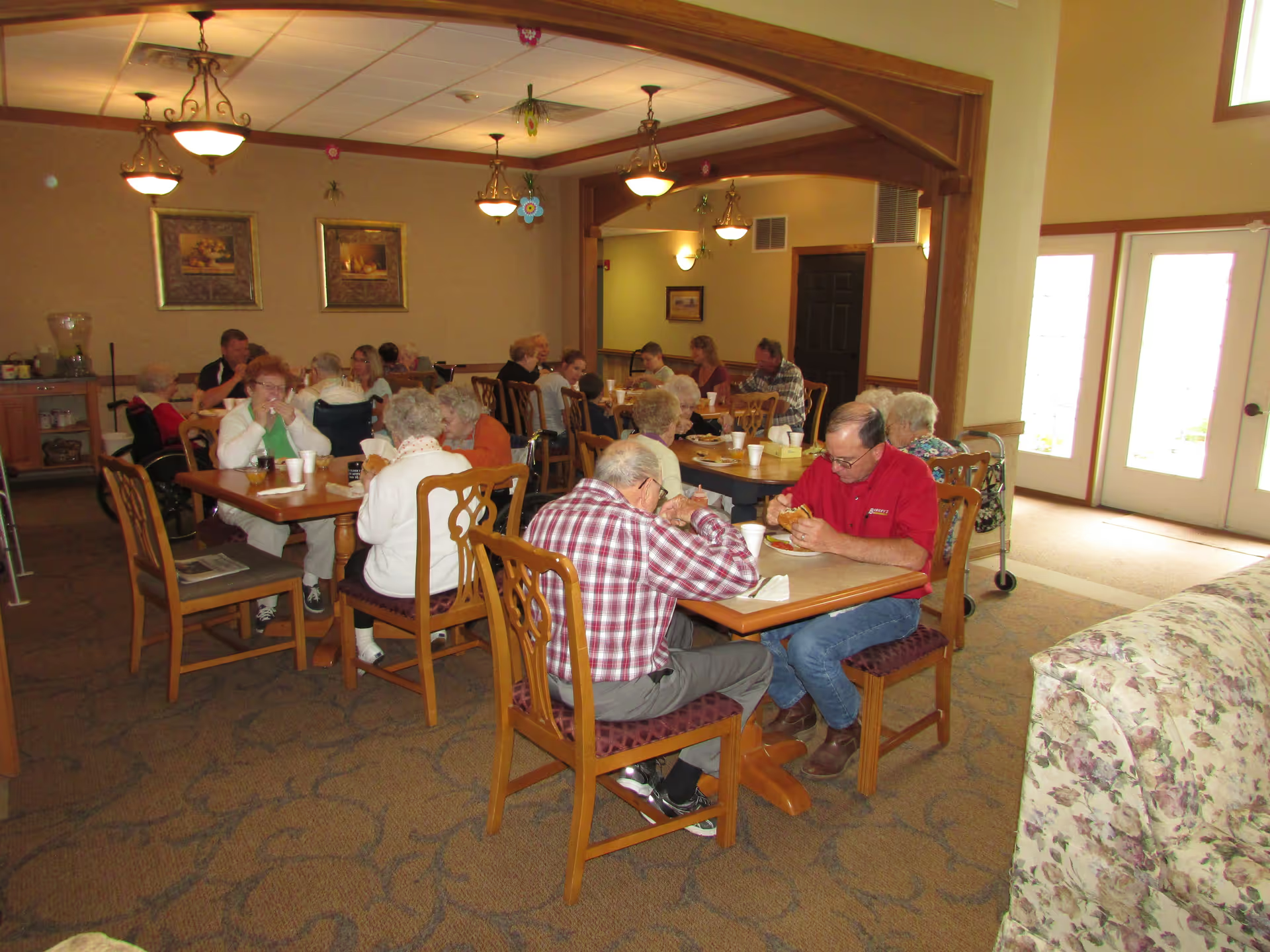
Dining and sanitation: Multiple reviews describe inconsistent meal quality, food served at inappropriate temperatures, and concerns related to food-service hygiene and pest control. There are also broader sanitation and cleanliness concerns cited for some common and dining areas. Families should ask about kitchen inspections, pest-control contracts, temperature-control protocols, and recent dining-service audits.
Activities and ancillary services: Several reviewers noted limited activity programming and the absence of expected personal services (for example, grooming/beautician services). Laundry and personal-property management problems were also mentioned, including missing clothing. These issues point to gaps in nonclinical support services and inventory procedures that can affect day-to-day comfort and dignity.
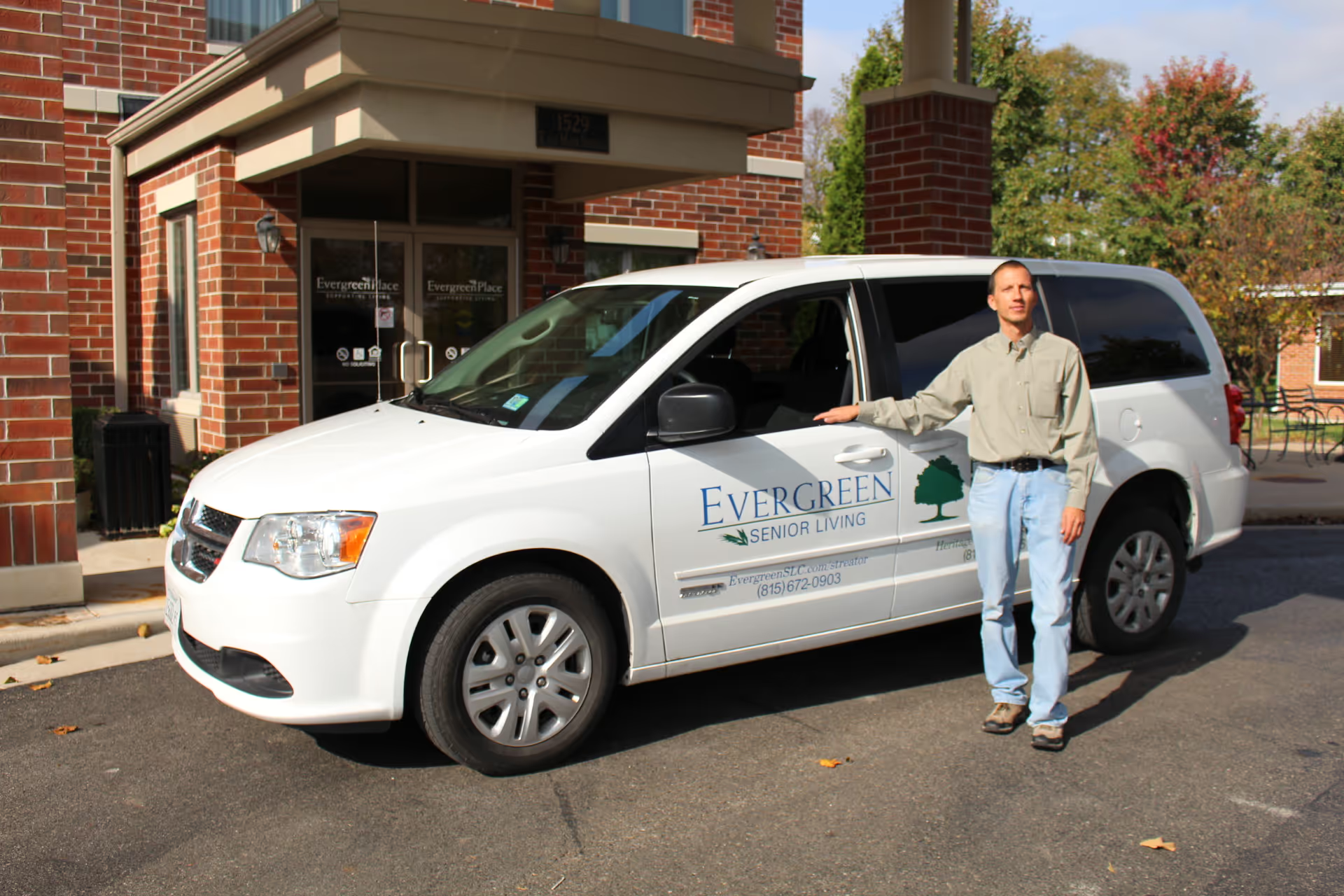
Management, billing, and transportation: A pattern of poor communication from management and pressure around billing and collections was described. Transportation services appear available but reviewers raised concerns about licensing, driver qualifications, and the adequacy and duration of staff training for transport roles. Families should verify transportation licensing, driver credentials, and the facility’s process for training and supervising transportation staff.
Notable patterns and recommendations: The feedback is polarized—while some praise the caring nature of staff, others document operational shortcomings that affect safety, comfort, and trust. Given the severity of certain claims (medication security, infection-control lapses, and licensing questions), prospective residents and families should perform targeted checks: review medication policies and medication-storage logs, request recent inspection and infection-control records, observe staff–resident interactions, inspect dining and common areas for cleanliness, and confirm transportation licensing and insurance. Direct, specific queries about billing practices and personal-property protocols are also advisable before making placement decisions.