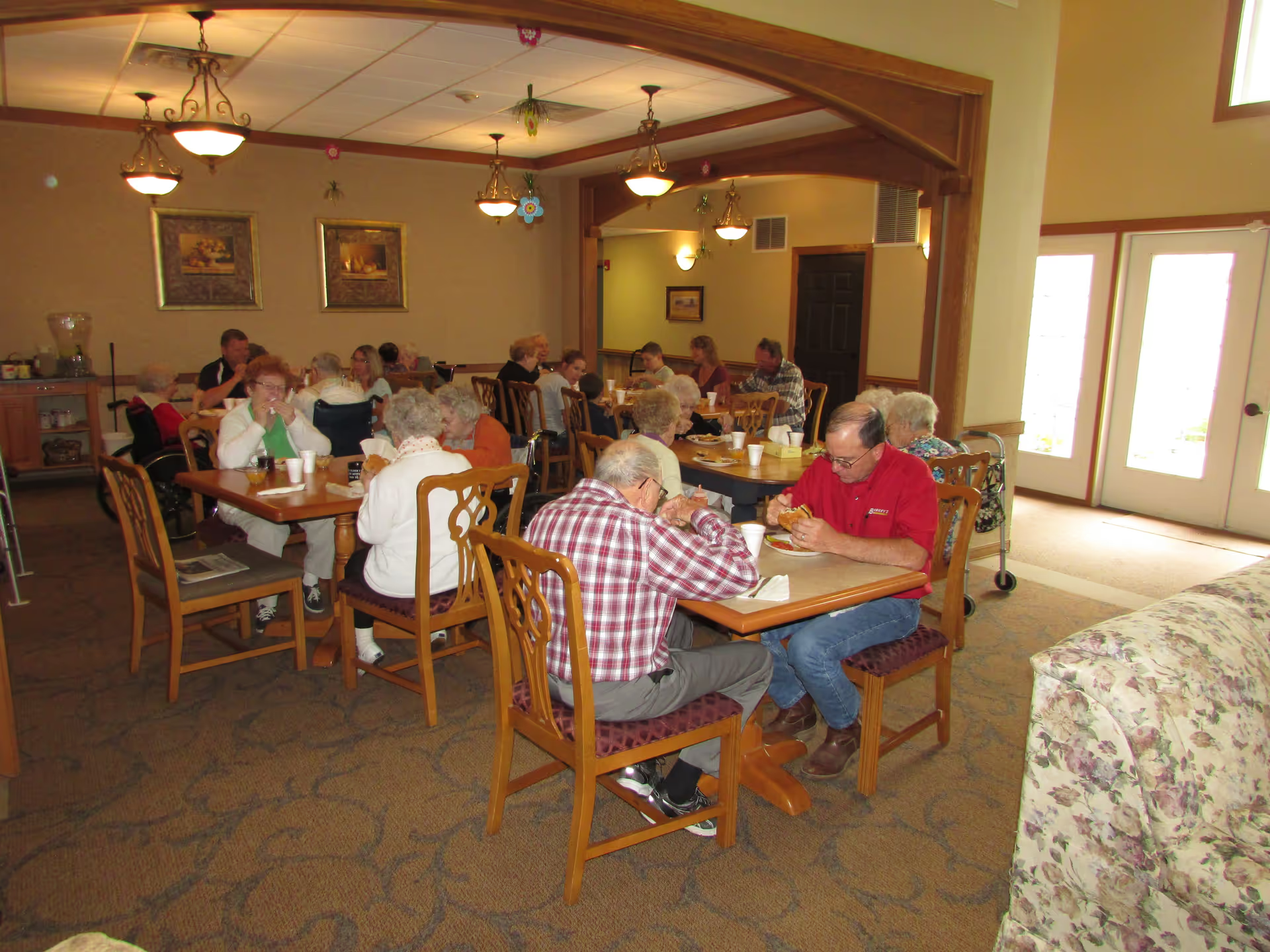
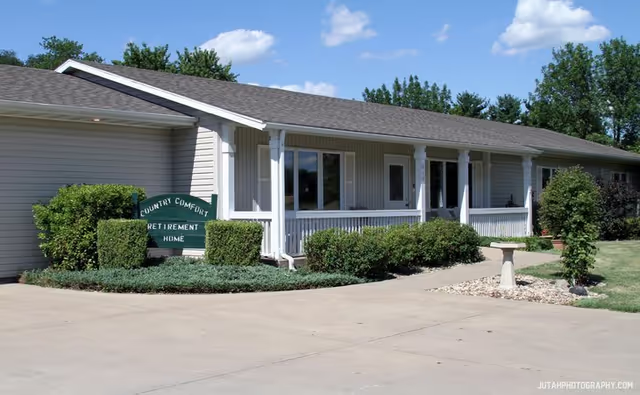
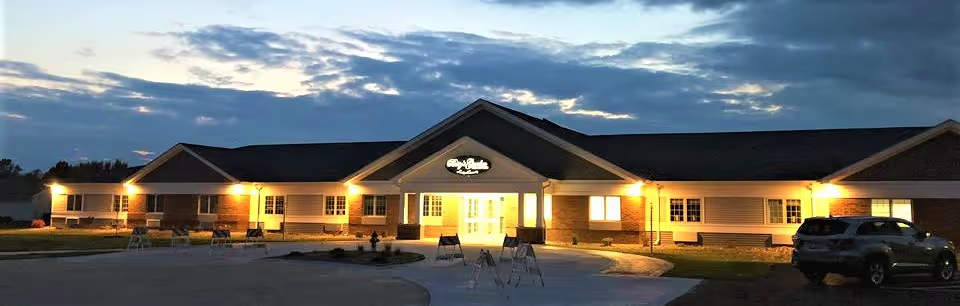
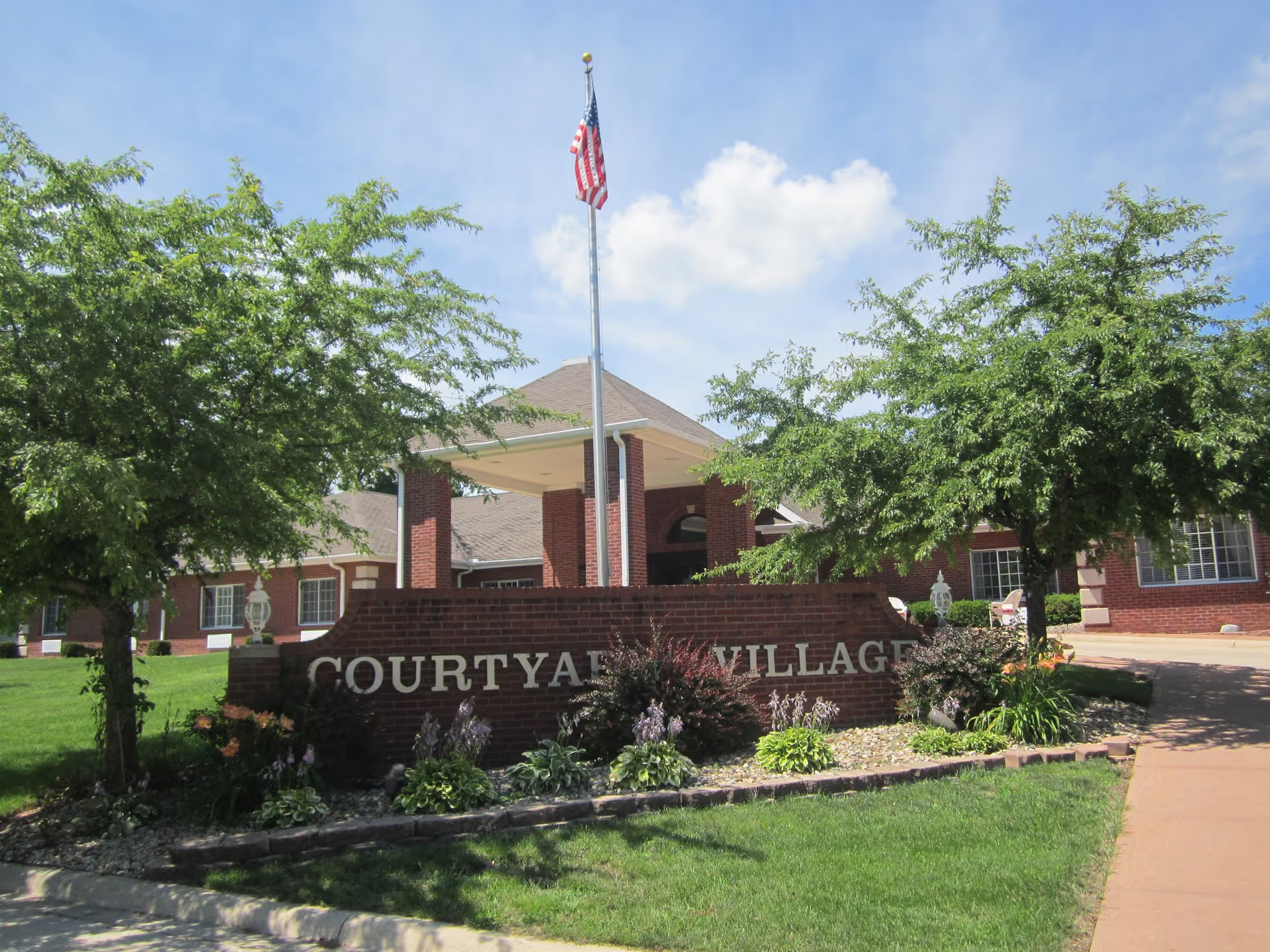
Goldwater Care Princeton elicits strongly mixed impressions. Its rehabilitation services and therapy team are repeatedly identified as a core strength: reviewers describe knowledgeable therapists, a structured rehab-to-home program, and measurable functional improvements for many residents. Many families and long-term residents also praise individual caregivers — CNAs, nurses, and support staff — for being compassionate, responsive, and willing to go beyond their job descriptions. The facility’s smaller, home-like culture and engaging activities are additional positive attributes noted by multiple families.
At the same time, there are recurring operational concerns that prospective families should evaluate. Staffing levels and responsiveness are a common theme: reviewers describe delays in basic care tasks, including toileting and timely assistance, which suggests inconsistent staffing coverage or workflow gaps. Cleanliness and odor control are flagged multiple times, particularly in bathrooms and some common areas, and reviewer comments indicate that housekeeping practices and maintenance of certain rooms are inconsistent. The building itself is described as older and in need of updates; reviewers mention missing grab rails and other accessibility or safety equipment in bathrooms and room layouts that place equipment uncomfortably close to residents’ beds.
There are also serious concerns about staff conduct and management oversight in a subset of accounts. Some reviewers allege unacceptable staff-resident interactions and have called for stronger accountability; social-media circulation of such incidents has amplified these concerns. While many staff members are praised for compassionate care, the presence of these allegations suggests variability in conduct and disciplinary follow-through. Relatedly, reviewers note uneven responsiveness from administration or corporate compliance when families raise issues, indicating gaps in complaint resolution and transparency for some cases.
For families considering this facility, the operational picture is mixed: strong, rehab-focused clinical services and many dedicated caregivers coexist with facility-level weaknesses in staffing consistency, sanitation control, physical plant condition, and management oversight. A recommended approach is to tour the unit at different times of day, observe staffing and cleanliness firsthand, ask about therapy outcomes and average staffing ratios, review recent inspection or complaint histories, and clarify procedures for incident reporting and follow-up. These targeted inquiries can help determine whether the facility’s strengths align with a prospective resident’s care priorities and whether the noted operational concerns have been addressed.