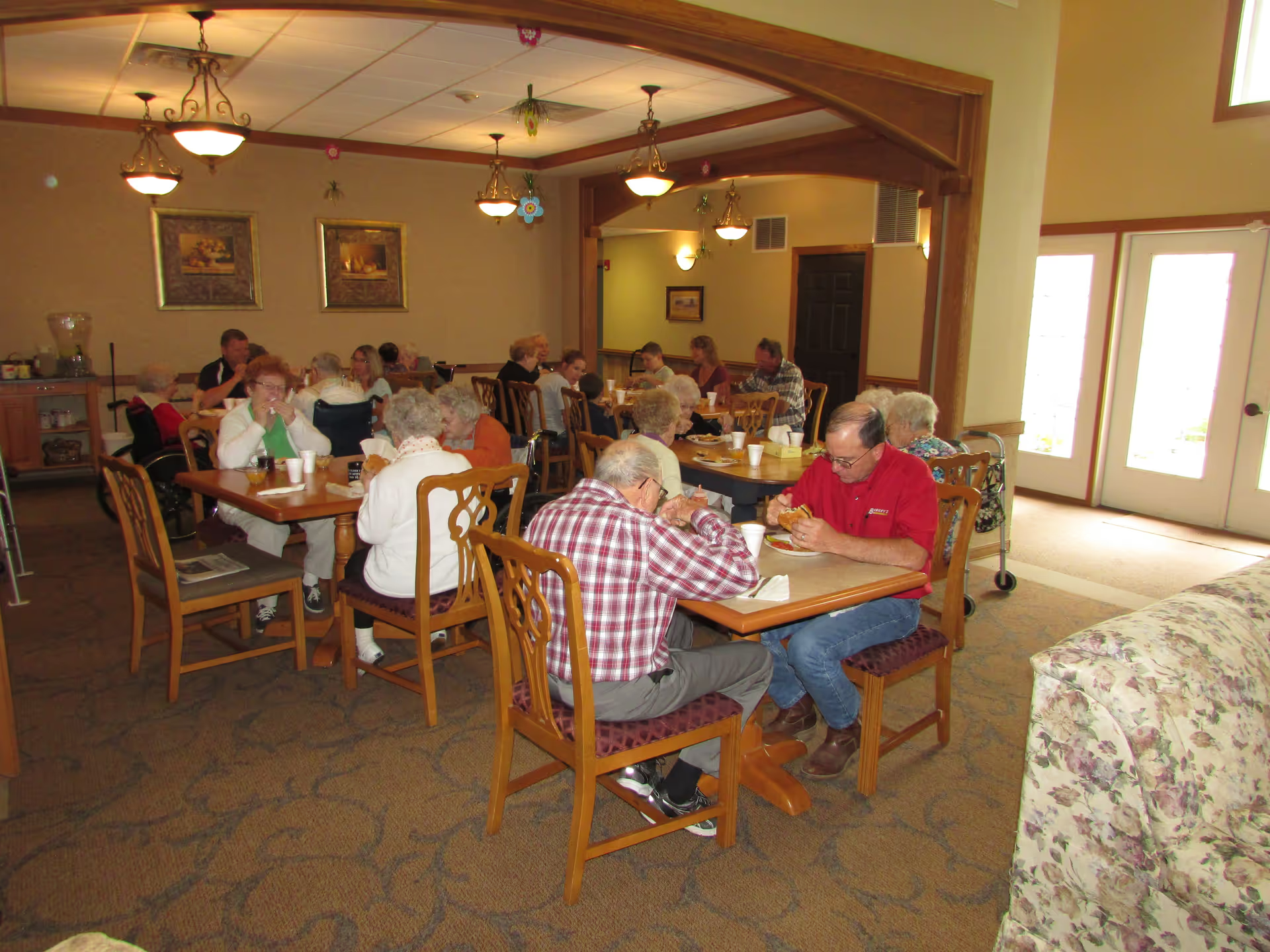
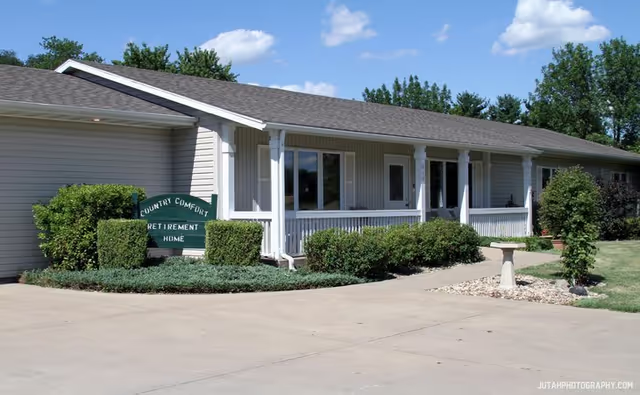
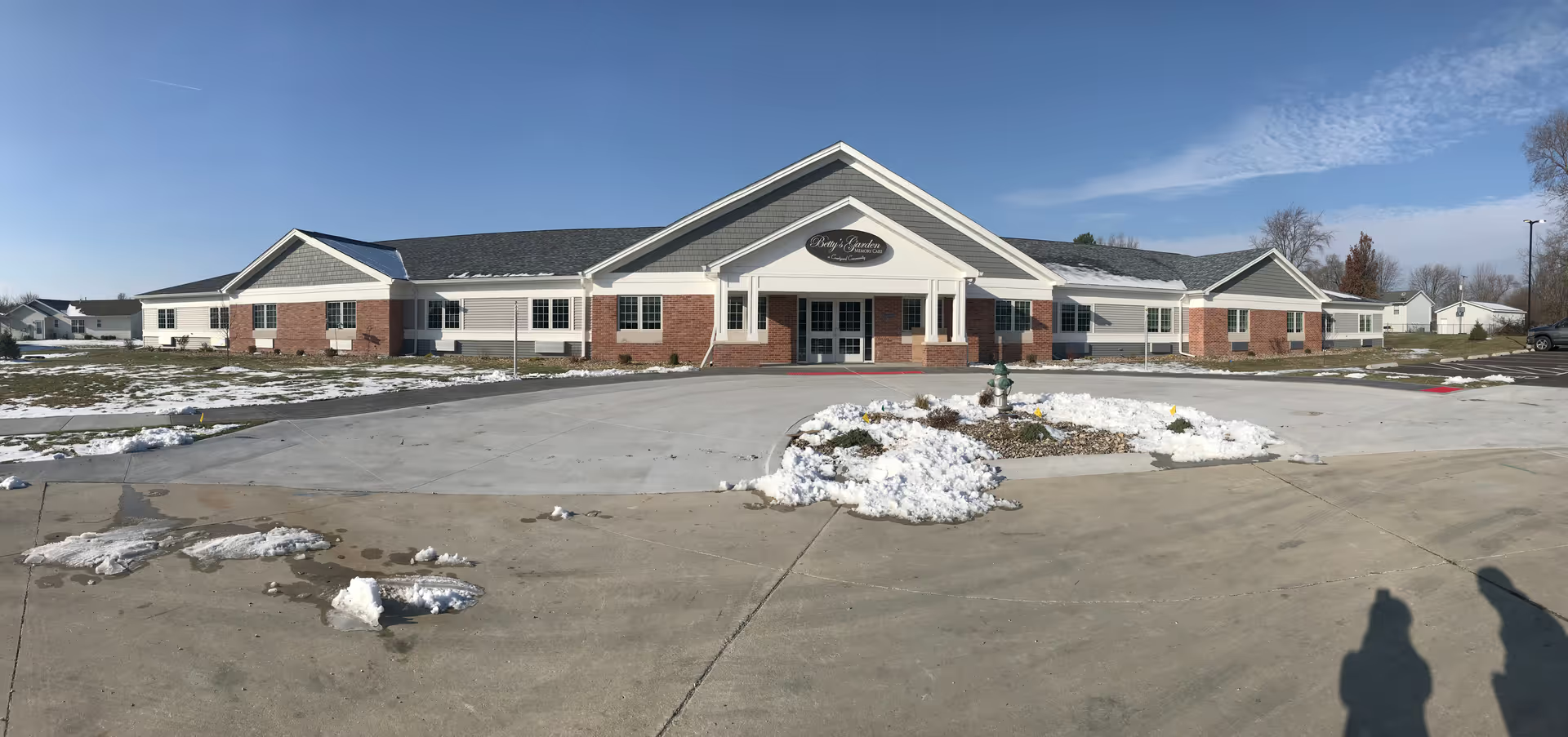
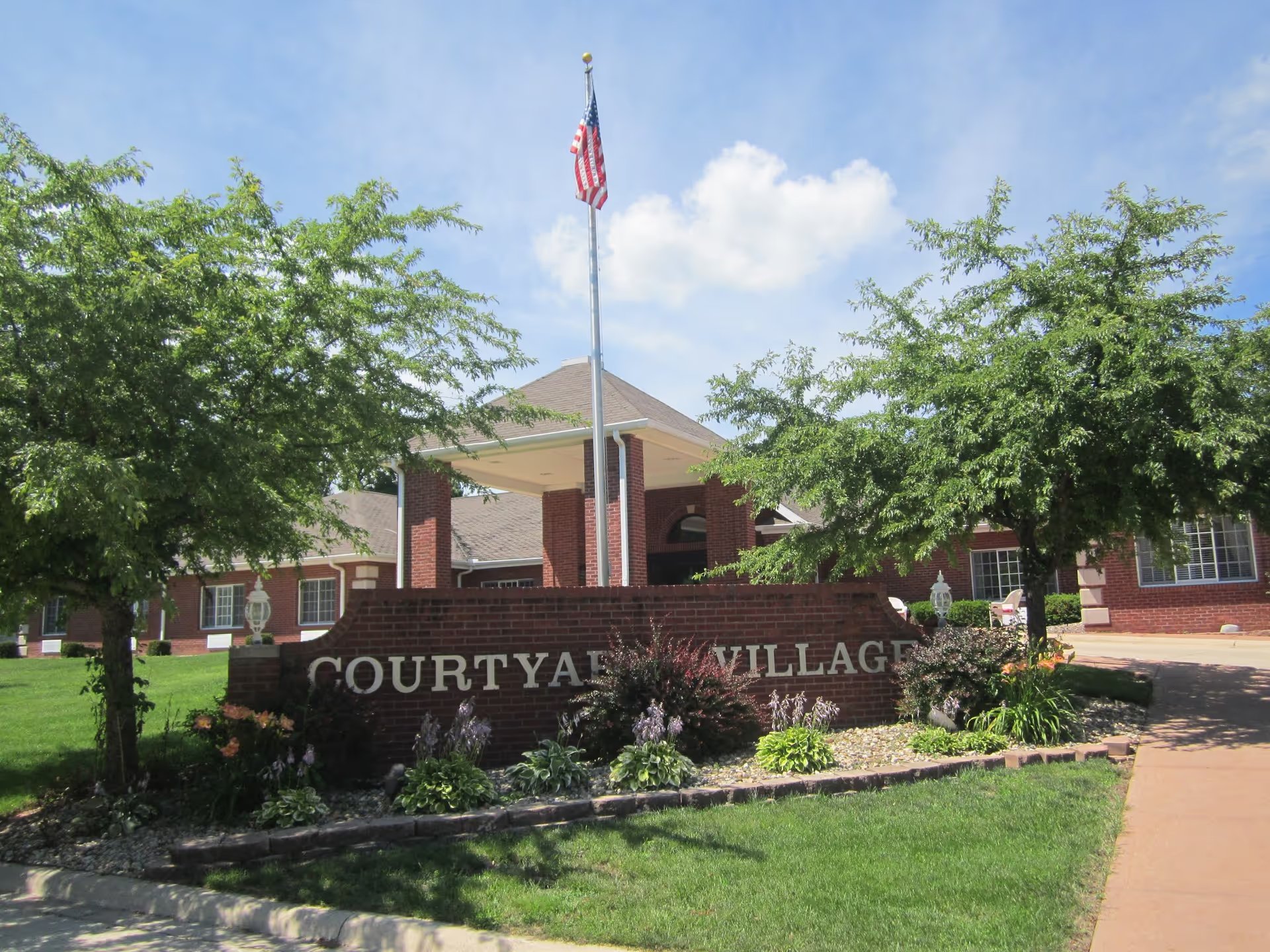
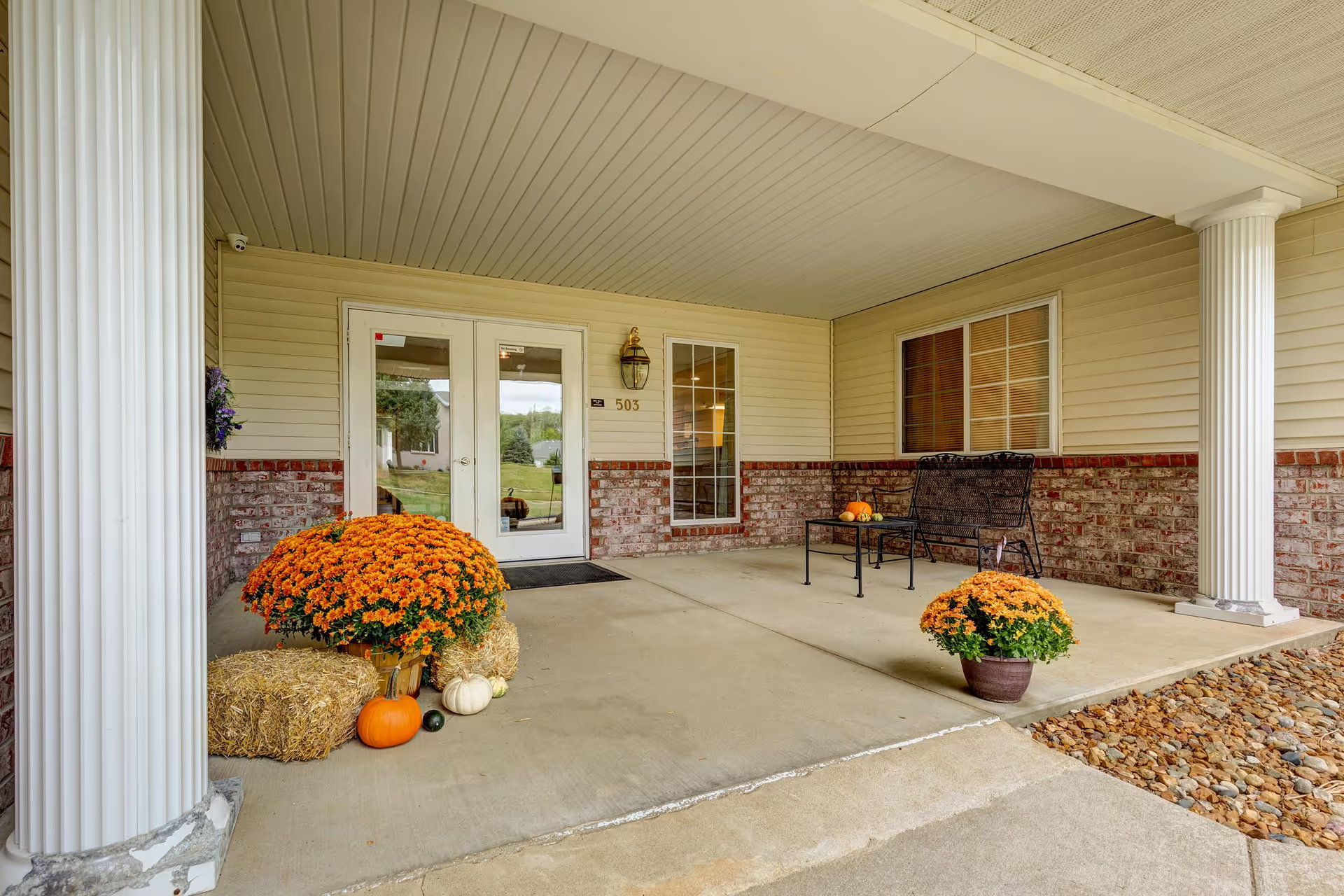
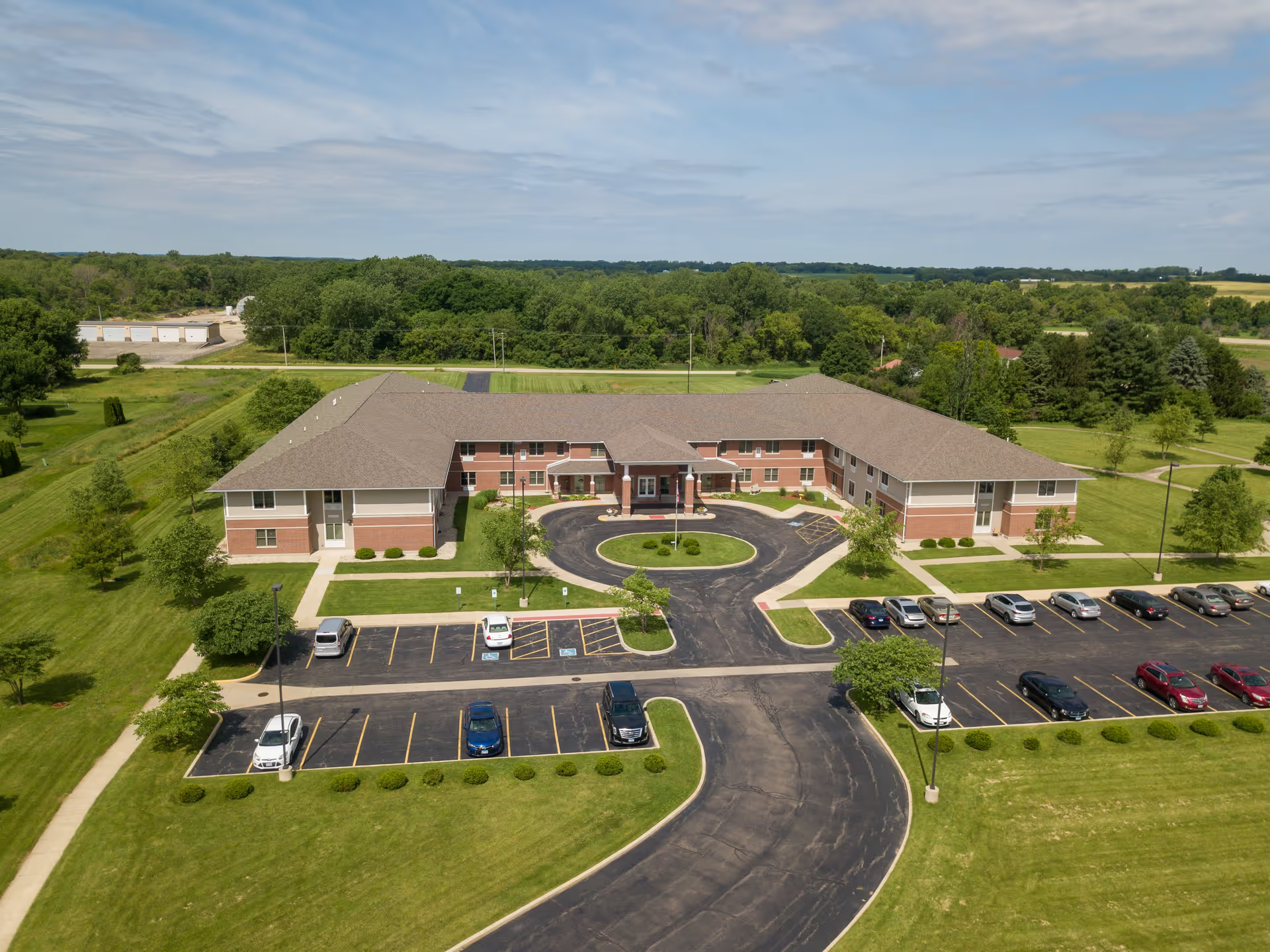
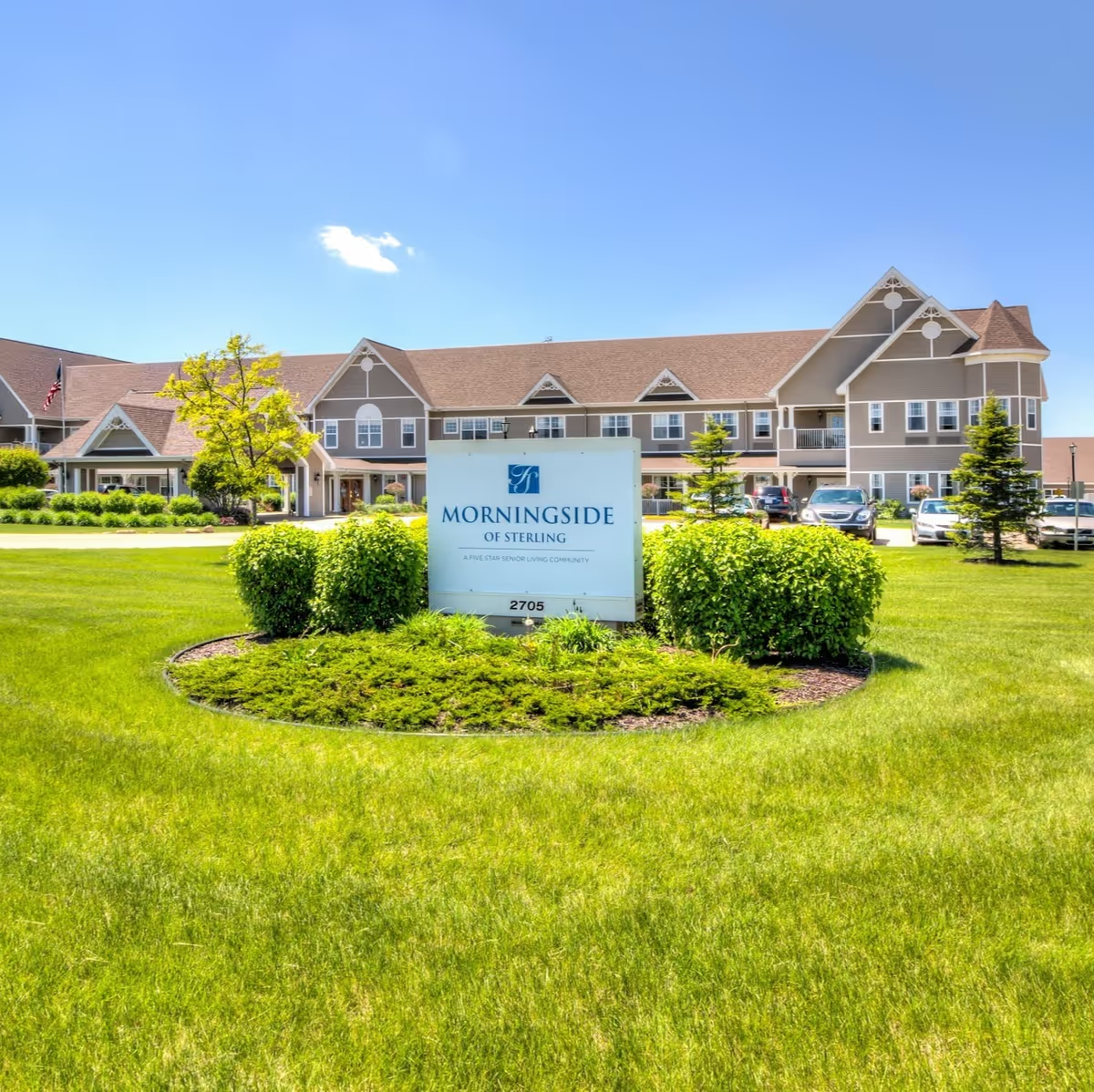
The reviews present a mixed but distinct pattern: many families and residents praise the physical environment, activities program, and therapy services, while others raise substantive operational and clinical concerns. On the positive side, the facility is consistently described as clean, modern, and well maintained, with pleasant indoor and outdoor visiting spaces and reservable gathering rooms. The activities calendar, outings, and special-event meals are highlighted as strengths, and physical-therapy/rehabilitation staff receive repeated commendation for being focused and effective. Several reviewers emphasized attentive, compassionate frontline caregivers and timely communication from staff when those teams are engaged.
Care quality commentary is mixed and variable. Reviewers describe both examples of professional, personalized care and instances of inconsistent attention and clinical oversight. Some families noted that resident attention and responsiveness improve when relatives are present, which suggests variability in day-to-day caregiving performance. A subset of reviews raised serious concerns regarding clinical monitoring and outcomes; these claims have led some reviewers to urge regulatory attention. Allegations in that subset include theft and significant clinical failures, which are serious in nature and contrast sharply with the positive experiences others reported.
Staff behavior and culture are described in polarized terms. Many comments characterize individual caregivers as kind, compassionate, and timely; however, an opposing set of comments identifies problematic conduct, including dismissive communication, poor tone, and strained relations between staff and leadership. Staffing shortages and call-offs were frequently mentioned as contributing factors to those tensions and to variability in service delivery. These workforce issues are associated with delays in response and uneven resident experience.
Dining and nutrition also show mixed impressions. While dining spaces and some special meals are appreciated, several reviewers described inconsistent meal quality and menu choices that they felt did not meet nutritional expectations. Administrative areas reflect a similar pattern of strengths and weaknesses: families cited good communication in some cases but also reported inconsistent information, unresolved personnel concerns, and occasional financial or paperwork errors.
Taken together, the pattern suggests a facility with solid infrastructure, a robust activities program, and capable therapy services, but with operational vulnerabilities that affect consistency of care. Key areas for prospective residents and families to assess during a visit include staffing levels and turnover, management responsiveness and issue-resolution processes, roommate-placement procedures, clinical-monitoring protocols, infection-control practices, and safeguards for personal property. If these operational areas meet your expectations, the facility’s environment and therapy offerings may be strong assets; if not, the variability described in reviews could be a source of concern.