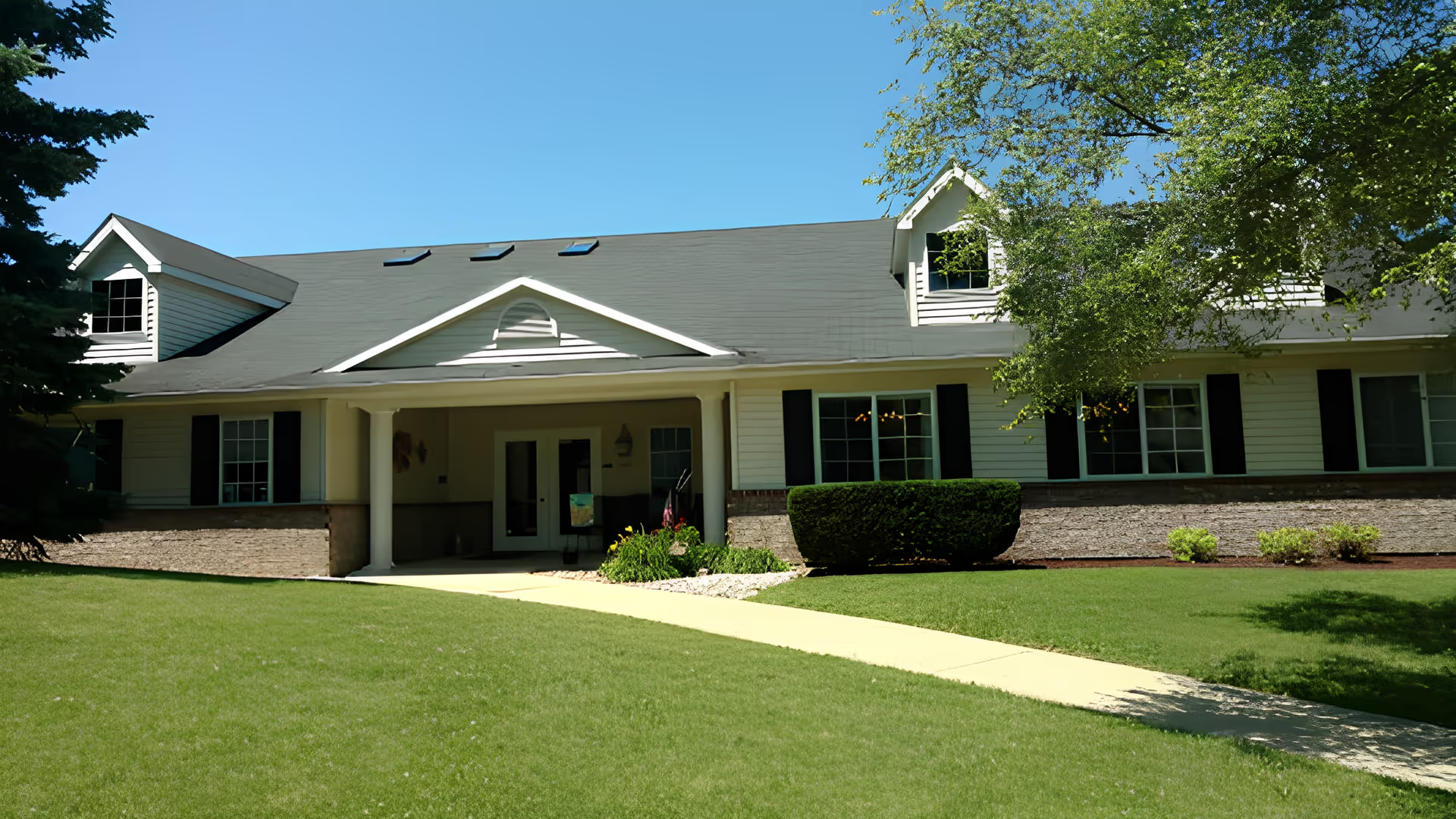
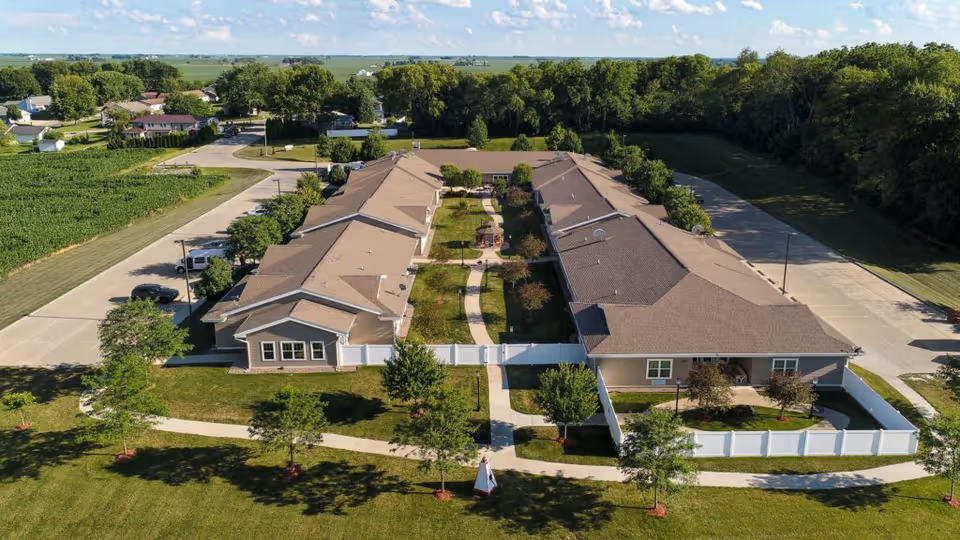
Reviews present a mixed picture of Rock Falls Rehabilitation Center, with clear strengths in residential comforts and individualized family support alongside operational concerns that bear on safety and consistency of care. Many accounts emphasize the facility’s one-floor, home-like layout, quiet atmosphere, and flexible routines — features that can support independence and a low‑stimulation environment. Practical amenities such as self-service laundry, the option to self-cook, and a kitchen team described as responsive and accommodating are seen as positives for residents who value autonomy and varied meal options. The facility’s proximity to a nearby nursing home and reports of good value compared with prior placements are additional practical advantages for families weighing medical access and cost.
Care and staff qualities attract polarized feedback. A substantial portion of comments praise compassionate, attentive caregivers who provide emotional support to residents and families, assist with paperwork, and create a familiar, family‑like atmosphere that helps residents recover or feel comfortable. Several mentions highlight dementia-specific support and staff who engage residents in ways that improve mood and wellbeing. Conversely, other accounts raise concerns about staff conduct, internal communication, and interpersonal conflicts among employees. These accounts characterize problems with tone, staff-to-staff tensions, and conduct that can undermine trust and workplace stability. Together, these patterns suggest variability in staff performance and team dynamics that prospective families should explore in person.
Dining and activity observations indicate reliable meal accommodation but inconsistent hands-on assistance. The kitchen is frequently described as willing to adapt meals and support dietary needs, and the availability of self-cooking is viewed positively. At the same time, there are operational gaps in ensuring residents receive needed assistance with eating and drinking on occasion. The facility’s quiet, small-community setting supports solitude and a low-activity environment; however, families seeking robust, structured programming or frequent group activities may find offerings limited.
Facility and safety-related themes require attention. Some reviewers described sanitation concerns in shared bathrooms and other common spaces, as well as instances where residents spent time in non‑bed spaces, which together point to inconsistencies in housekeeping and supervision. There are also patterns suggesting inadequate wandering-management protocols and uneven adherence to safety policies, including smoking rules; combined with reported delays in emergency response or clinical escalation, these items indicate areas where operational processes could be strengthened. Limited private bathroom availability was also noted as a structural limitation of the building.
Management impressions are mixed: several families report helpful administrative support, including assistance with paperwork and accommodating family needs, while others report unresolved staff‑related issues and communication gaps that affect day‑to‑day care. One reviewer noted an impending reopening as a women’s sober living facility, which may reflect a change in use or management; prospective residents should verify current licensing, program focus, and leadership continuity.
Recommendation: Rock Falls Rehabilitation Center offers a residential, value-oriented option with strengths in compassionate caregiving and flexible amenities. At the same time, documented inconsistencies in cleanliness, supervision, meal assistance, staff conduct, and emergency responsiveness warrant careful, targeted inquiry during a tour. Families should ask about staffing ratios, supervision protocols for residents who wander or require assistance with meals, housekeeping schedules, emergency escalation procedures, smoking and safety policies, and recent management or program changes before making placement decisions.