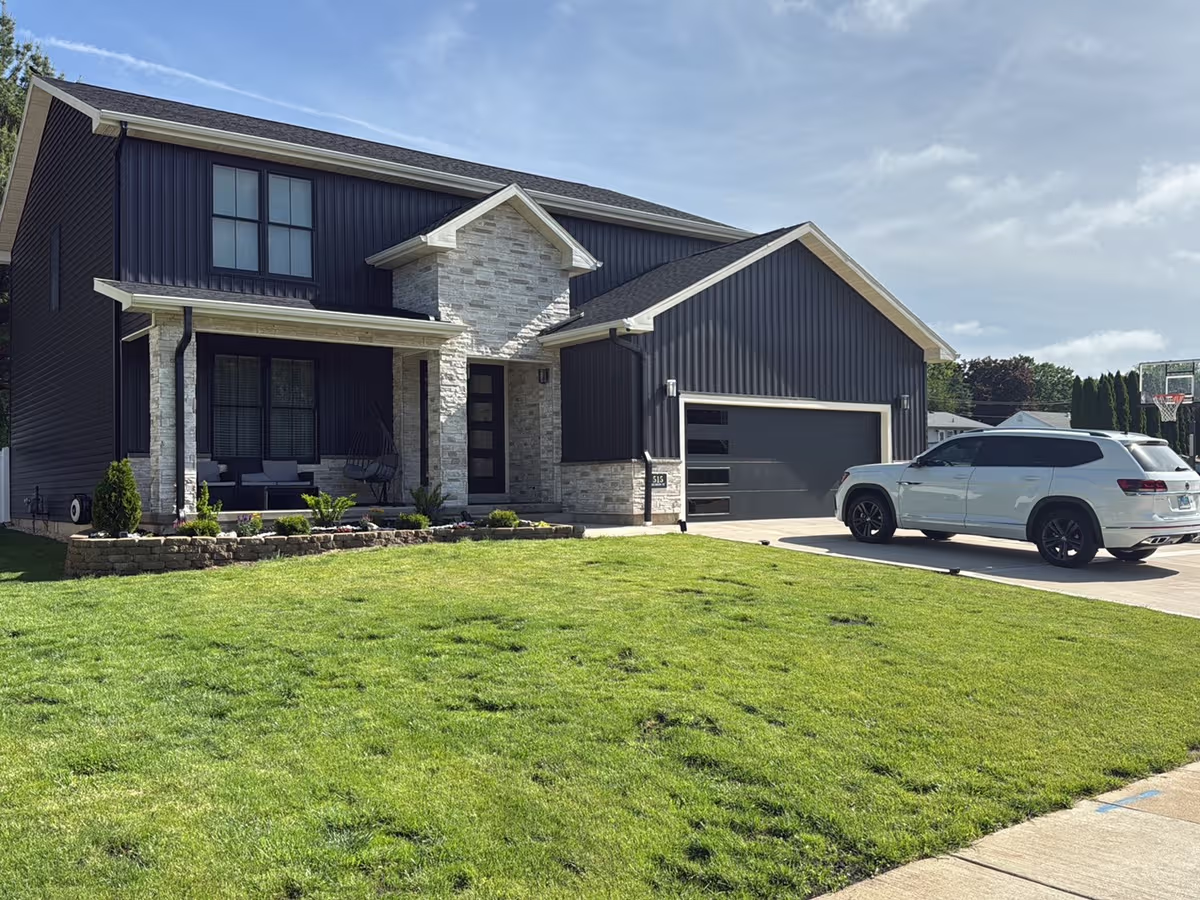
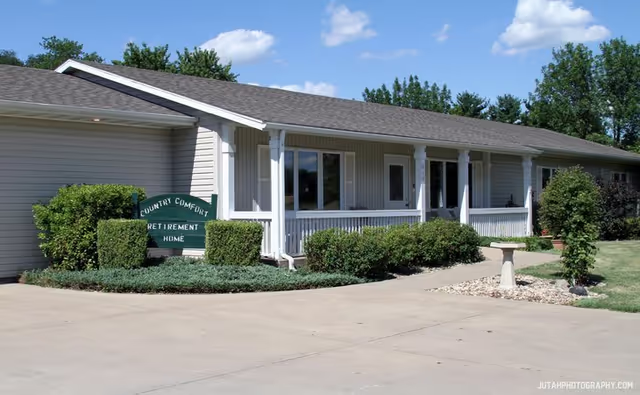
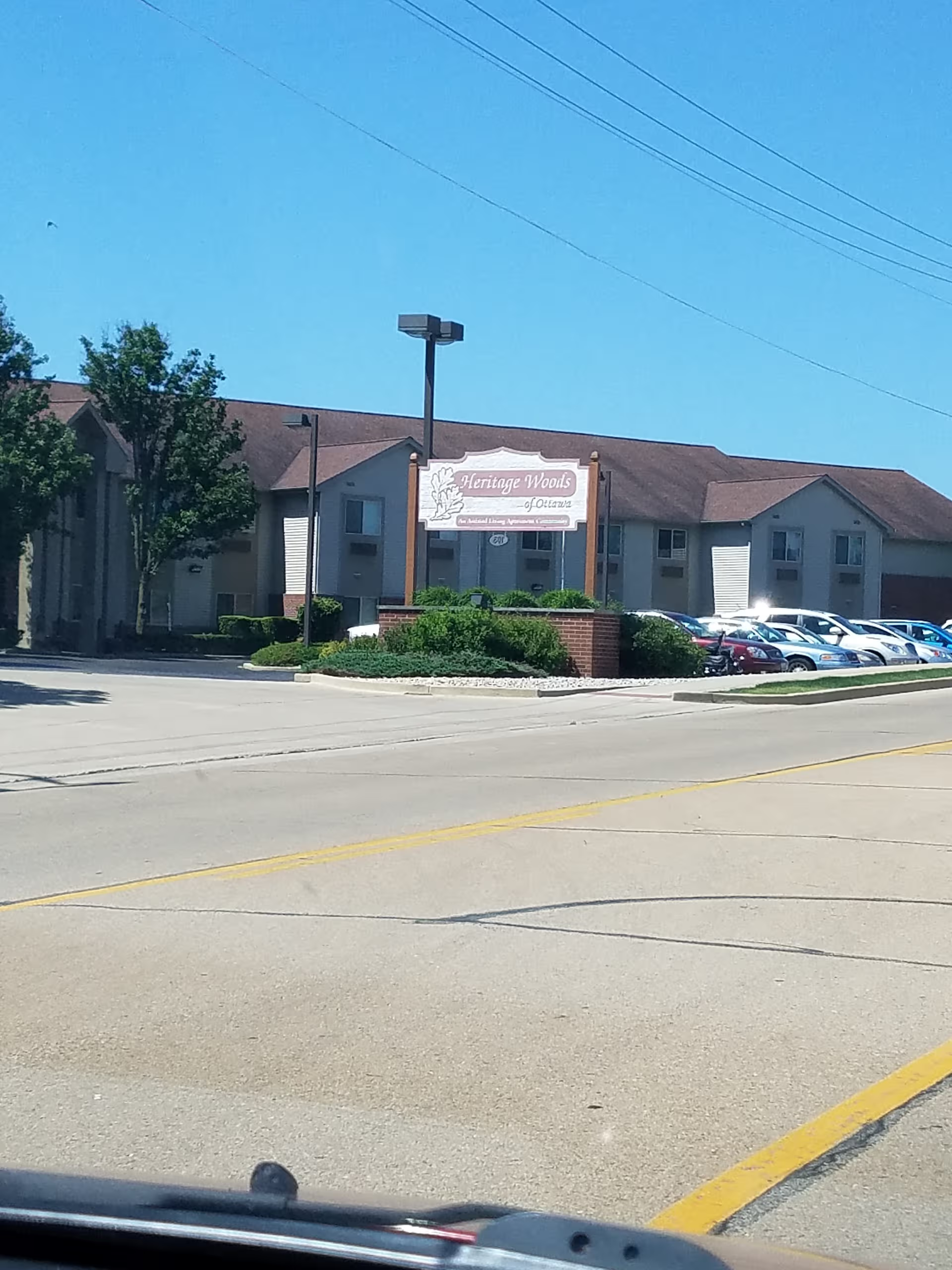
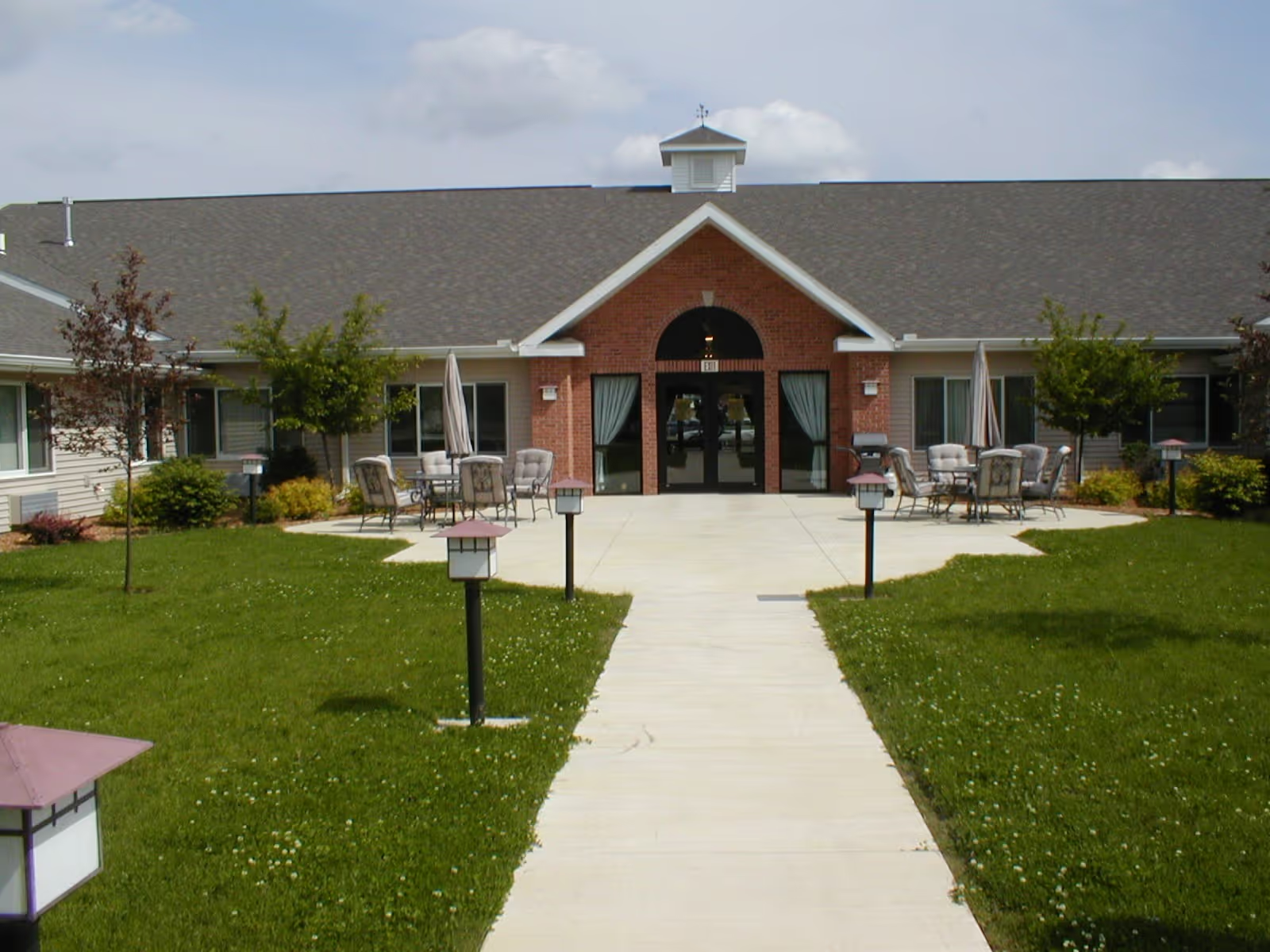
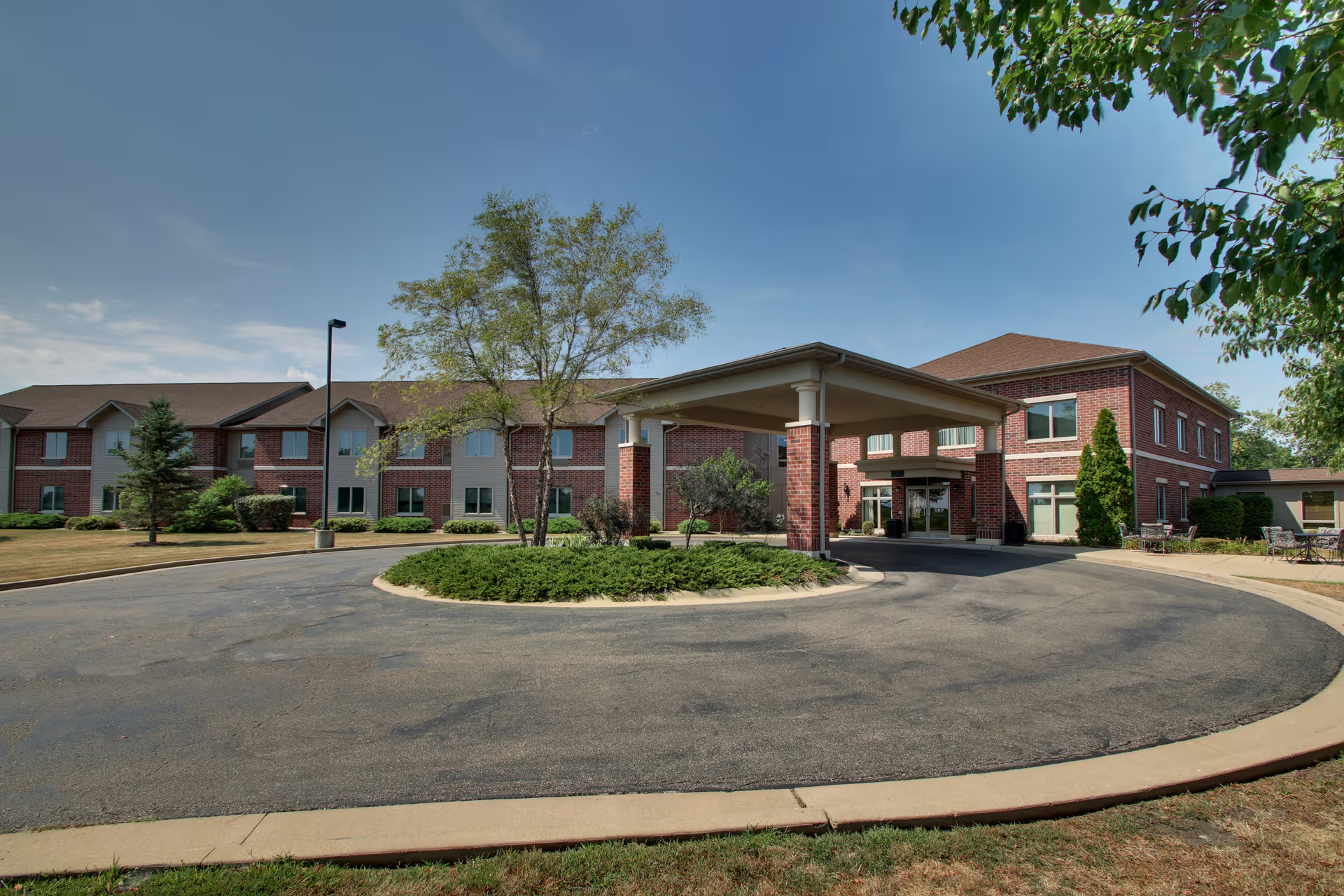
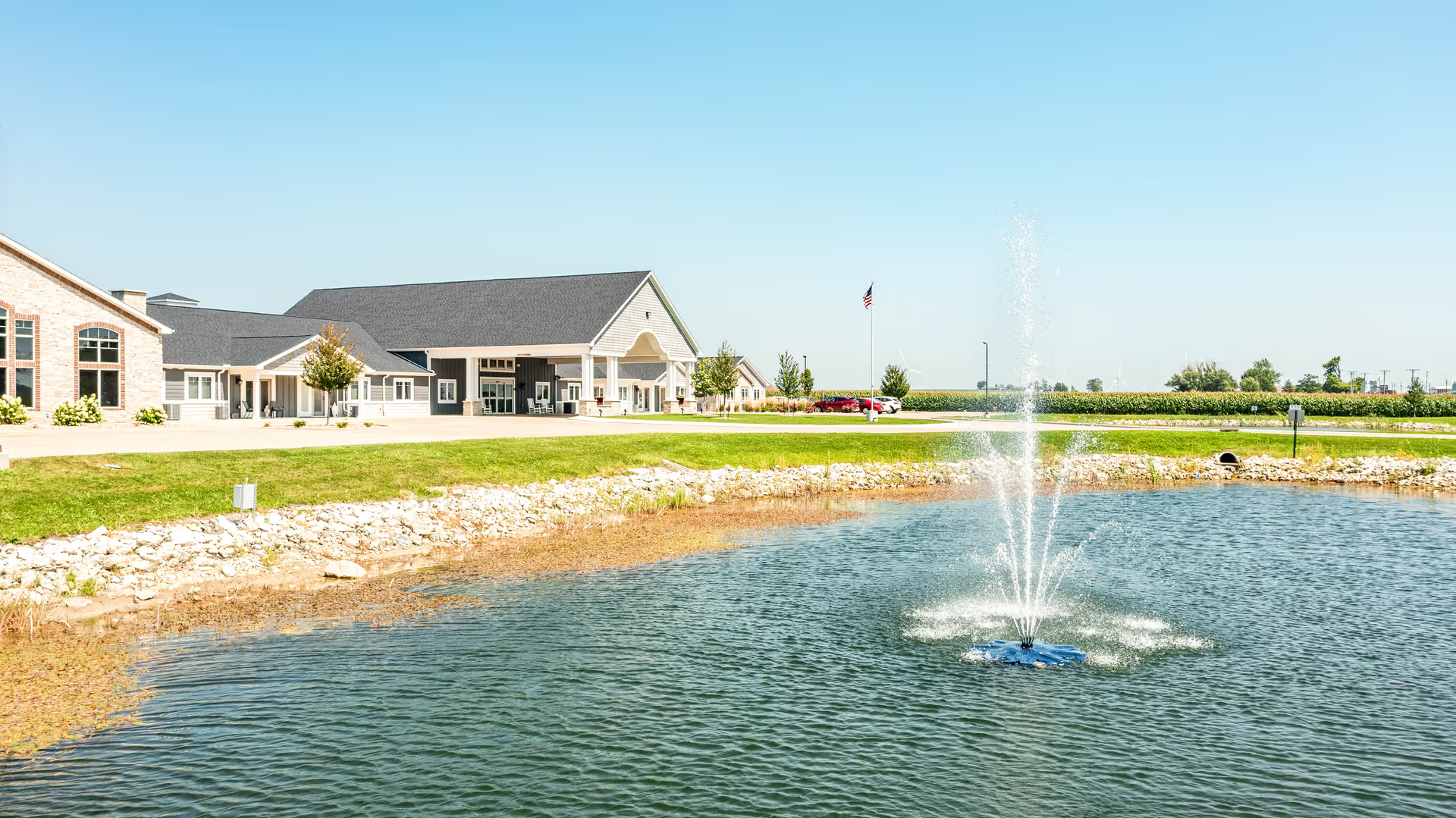
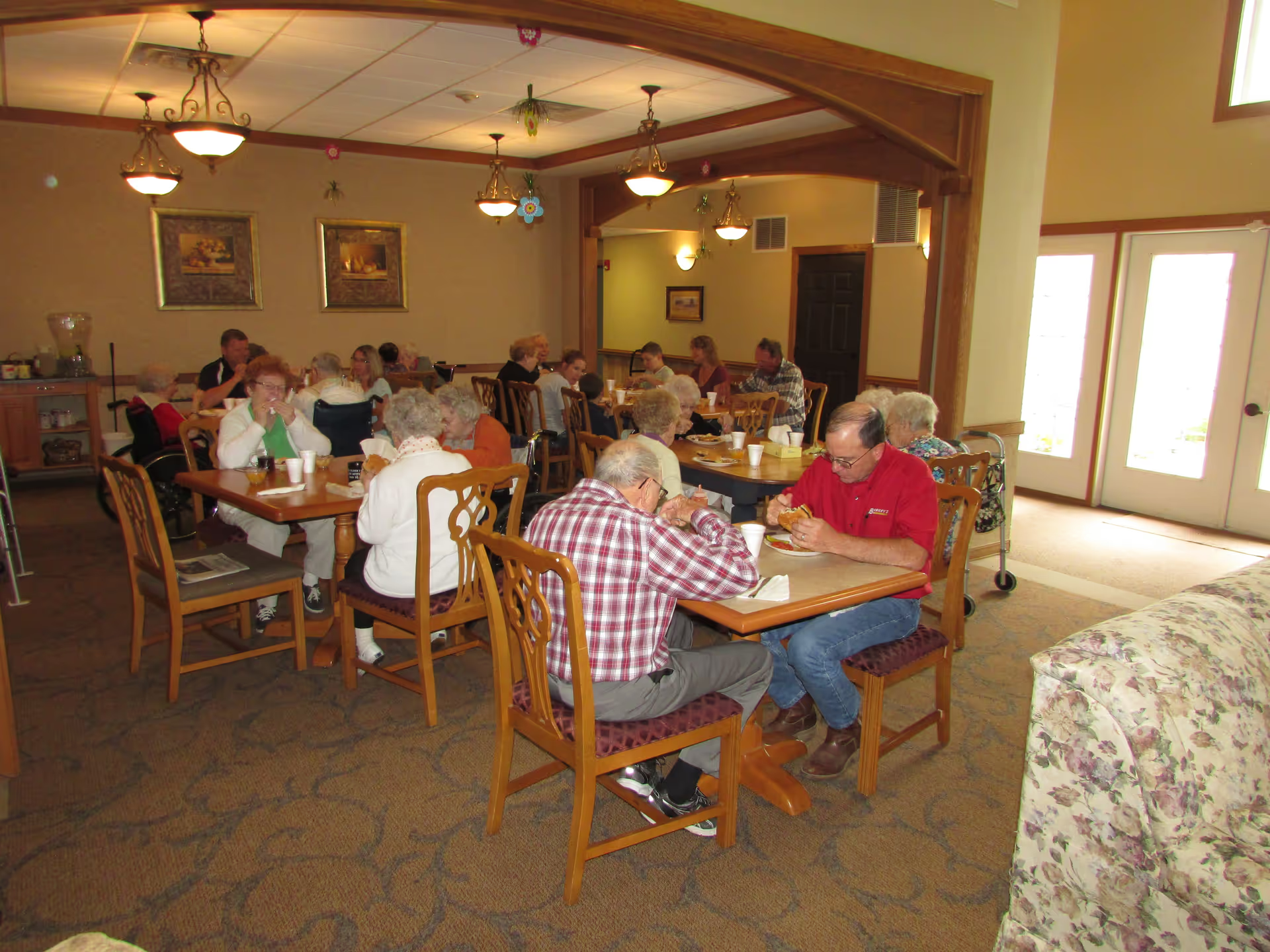
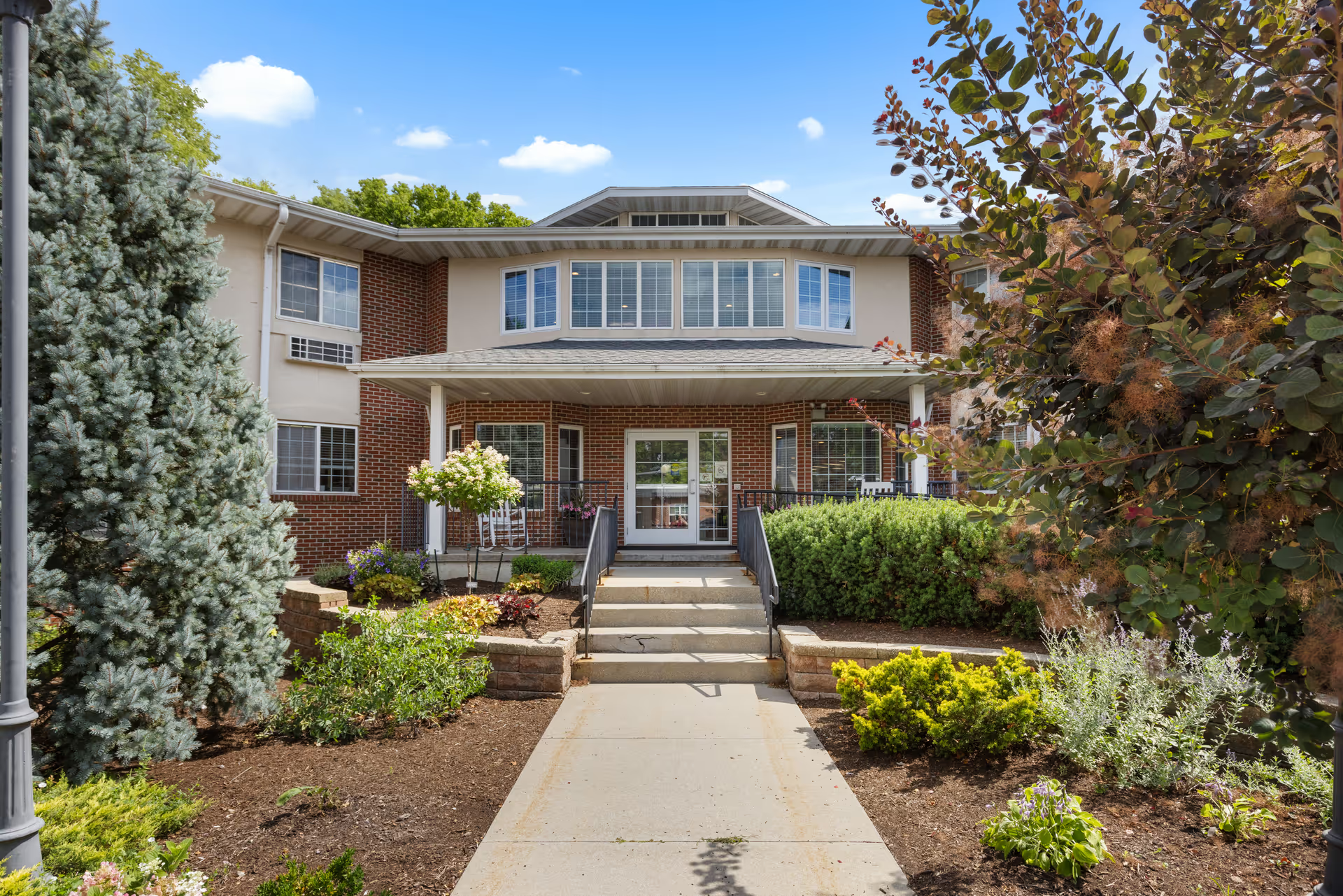
The reviews present a mixed picture. Many families and former residents highlight strong rehabilitation services and a number of compassionate, long-tenured caregivers; these strengths are often cited in conjunction with an attractive, recently updated physical plant and a homelike, activity-rich environment that supports short-term rehab-to-home stays. At the same time, there are multiple consistent operational concerns that prospective residents and families should evaluate carefully.
Care quality is uneven. Physical therapy and the rehab program receive frequent positive mention for returning patients home, but nursing-level care and clinical responsiveness are described as inconsistent. Examples that underlie this pattern include delayed treatments, inconsistent medication or therapy timing, difficulty obtaining timely suctioning or other interventions, and occasional fall-related events. Reviewers also raise concerns about equipment availability and room layouts that can impede safe transfers and routine clinical tasks.
Staffing and culture show a bifurcated pattern: many reviewers praise individual aides, therapists, and admitting staff for being kind and competent, yet there are repeated notes about poor responsiveness, unfavorable communication tone from some nurses or department leaders, and low staff morale tied to supervisory practices. Families also describe challenges in communication—having to call repeatedly to get updates or records—and point to leadership gaps, including difficulties reaching administrators. There are serious governance-related concerns as well: allegations of opportunistic billing practices, high upfront charges, difficulty obtaining records, and regulatory or licensing questions that merit verification before placement.
Dining and activities are similarly mixed. The facility’s activities program and social environment receive positive comments for engagement and a family-like atmosphere. Food quality and nutritional management, however, are described as inconsistent: complaints include limited individualized dietary planning, repetitive menus, and instances where meal preparation or caloric content did not meet expectations. Several reviewers linked these concerns to weight-loss or inadequate nutrition for particular residents.
The facility condition and maintenance record are also contradictory. While renovation and an attractive exterior are noted, multiple reviews identify ongoing maintenance and sanitation issues such as roof or moisture problems, mold-related concerns, strong odors in some areas, occasional flooding, and pest-control concerns. Room design shortcomings—poor closet hardware, obstructive layouts, and inadequate supply of care equipment—are highlighted as factors that can compromise resident comfort and safety.
Taken together, the pattern is one of a facility with notable clinical and environmental strengths (especially in therapy and aspects of caregiving) alongside recurring operational weaknesses in clinical consistency, maintenance, infection control, billing transparency, and leadership responsiveness. Prospective residents and families should conduct an in-person tour focused on the specific unit and room, review recent state survey and licensure records, request written policies on infection control, staffing ratios, incident reporting, individualized dietary planning, and obtain a clear copy of billing/contract terms. Asking for references from recent discharges and speaking directly with the therapy and nursing leads can help clarify whether the positive elements described align with the unit where a placement would occur.