The reviews present a mixed picture of Parker Nursing and Rehabilitation Center, with consistent praise for front-line caregivers alongside multiple operational and facility-level concerns. Families and visitors frequently note caring, attentive staff members and individualized touches from resident assistants; these strengths appear most evident in the memory-care area and in day-to-day resident interactions. Several comments emphasize staff teamwork, availability during transitions, and activities that engage residents, which are important positive indicators for social and cognitive support.
Clinical care observations are more variable. Reviewers describe meaningful hands-on care from certain staff but also identify gaps in clinical monitoring and documentation, including wound-care follow-up and physician bedside presence. There are specific concerns about diabetes-related dietary management and inconsistent meal quality, suggesting lapses in nutrition oversight and dietitian coordination. Combined with reports of limited in-person physician rounds, these items point to inconsistent clinical oversight rather than uniformly poor medical care.
Staffing and conduct are a notable theme: many comments praise individual employees for compassion and responsiveness, while others raise concerns about professionalism, responsiveness, and understaffing. Reports of low compensation and staffing shortages are consistent with descriptions of delayed care and variable staff behavior. These dynamics can produce uneven resident experience depending on shift and unit.
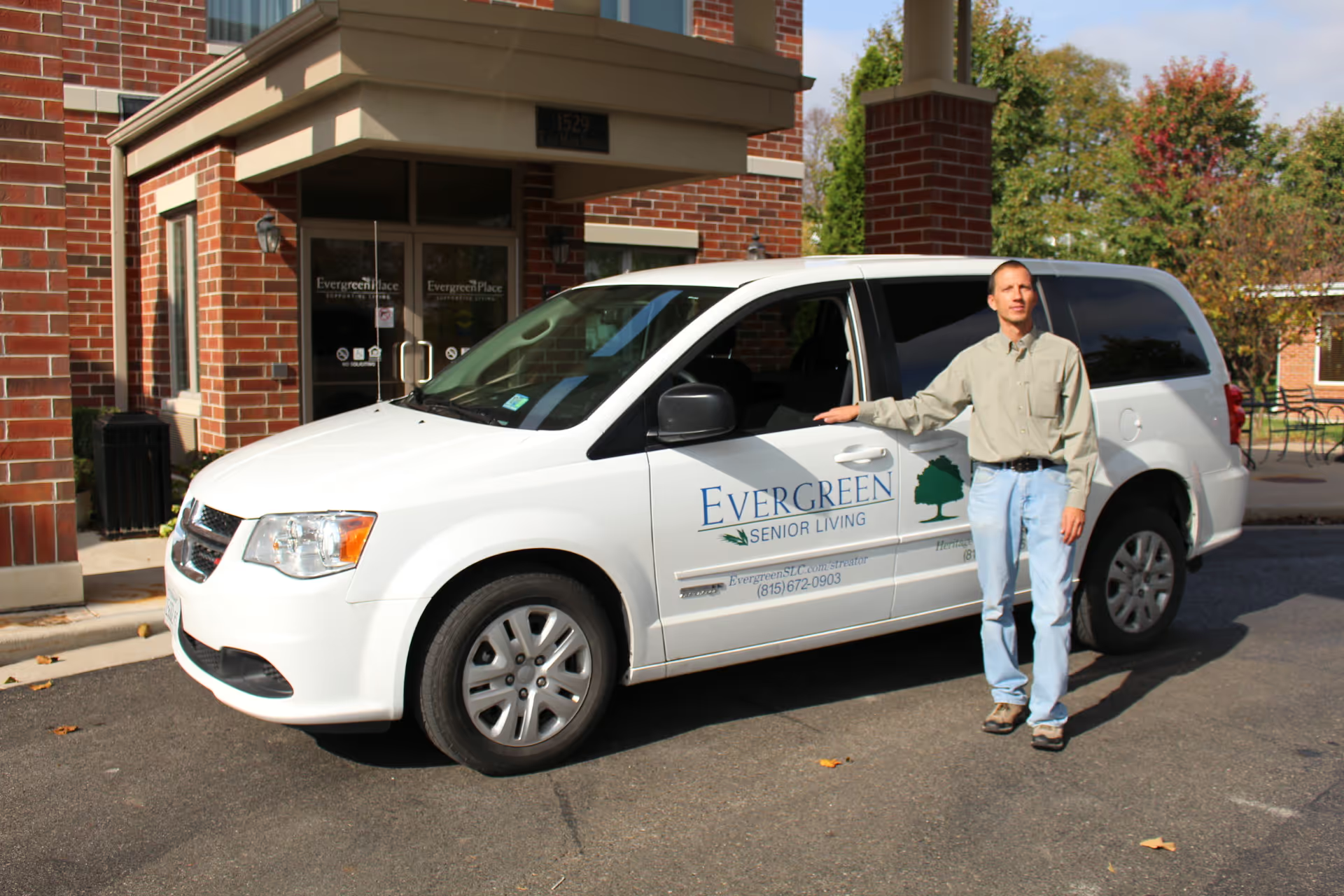
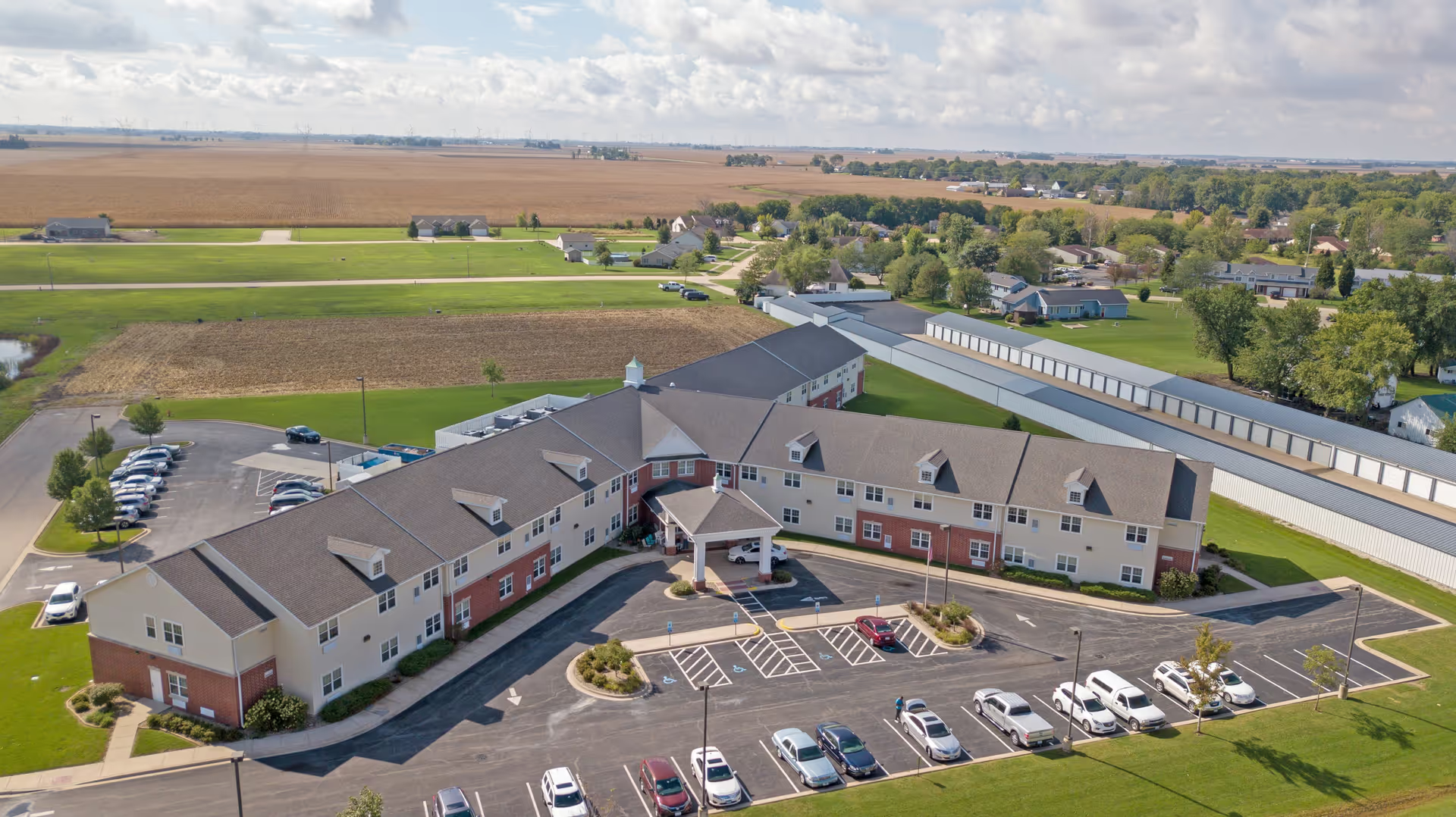
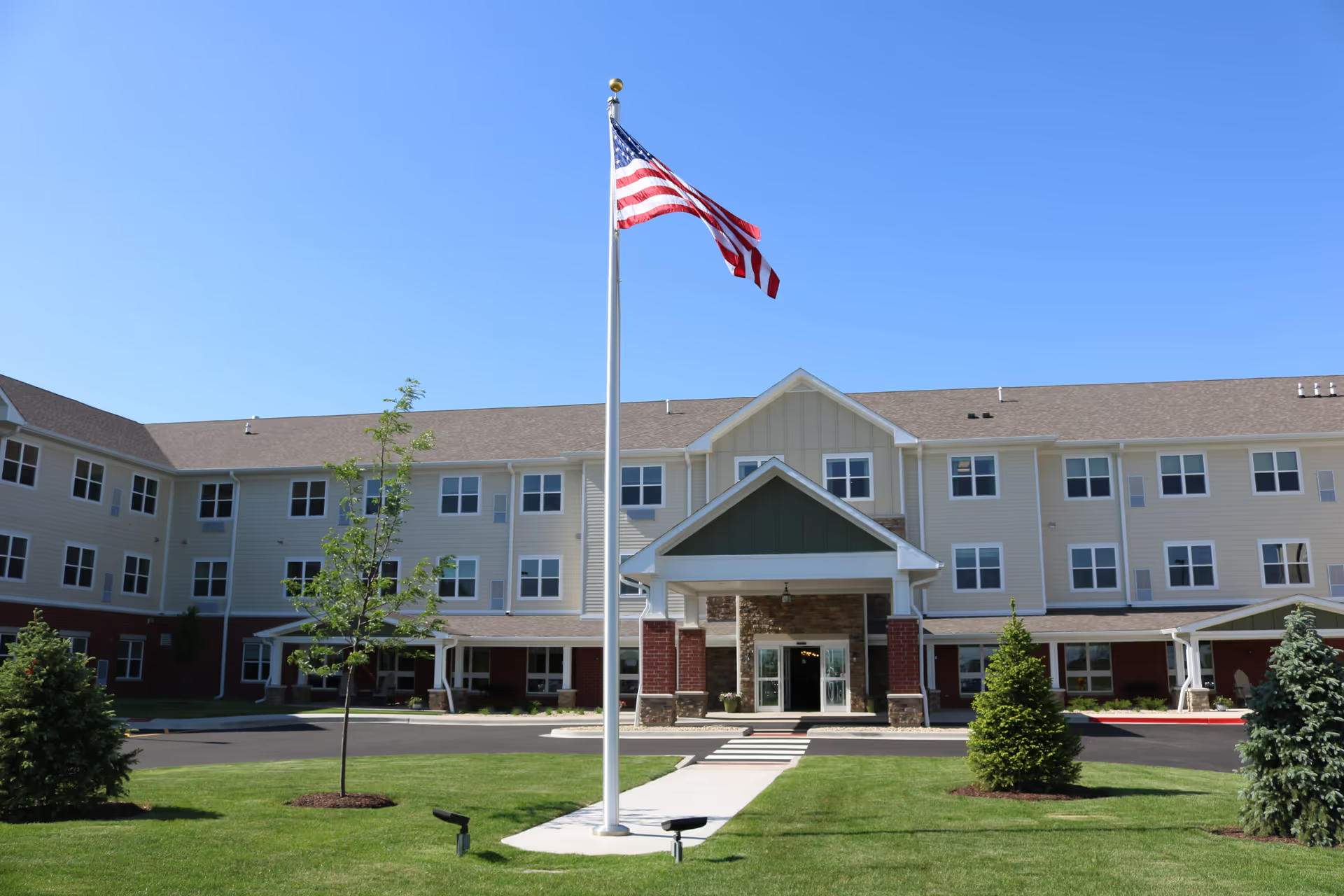
Facility condition and operations also draw attention. Reviewers cite sanitation and odor concerns in rooms and common areas, along with aging building infrastructure and outdated equipment. Transportation services were described as inadequate for wheelchair users and lacking adequate climate control. These issues suggest operational gaps in maintenance, environmental services, and accessibility that would be important to verify on a tour.
Communication and management practices are another recurrent pattern. Families describe limited transparency, inconsistent communication about clinical incidents, and difficulties obtaining in-person physician updates; there are also indications of weaknesses in incident reporting and grievance handling. Some comments characterize administrative priorities in ways that suggest management balance between financial and clinical goals may affect frontline resources.
Taken together, the facility demonstrates clear strengths in staff compassion and programming, particularly within memory care, but also shows recurring operational weaknesses in clinical oversight, sanitation, facilities maintenance, transportation accessibility, and family communication. Prospective residents and families should prioritize in-person visits, observe staff–resident interactions across shifts, request current clinical documentation (including wound and nutritional plans), and review transportation and accessibility arrangements prior to placement.