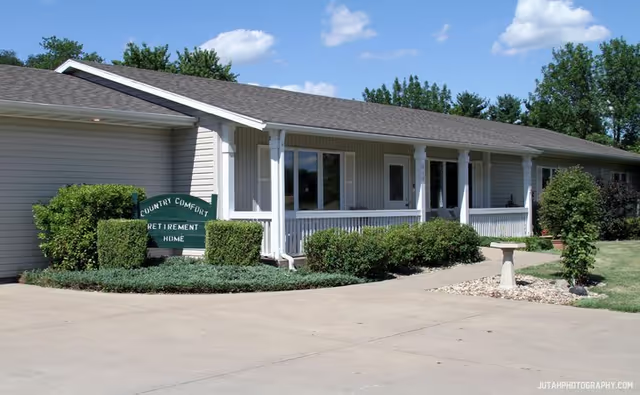
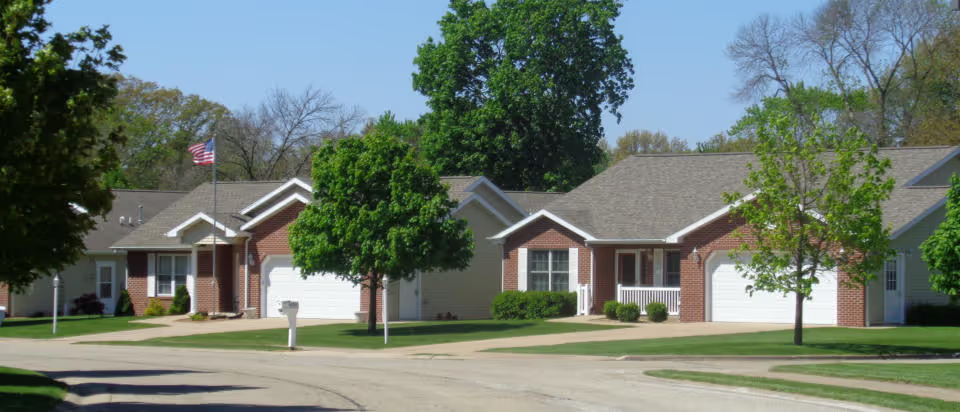
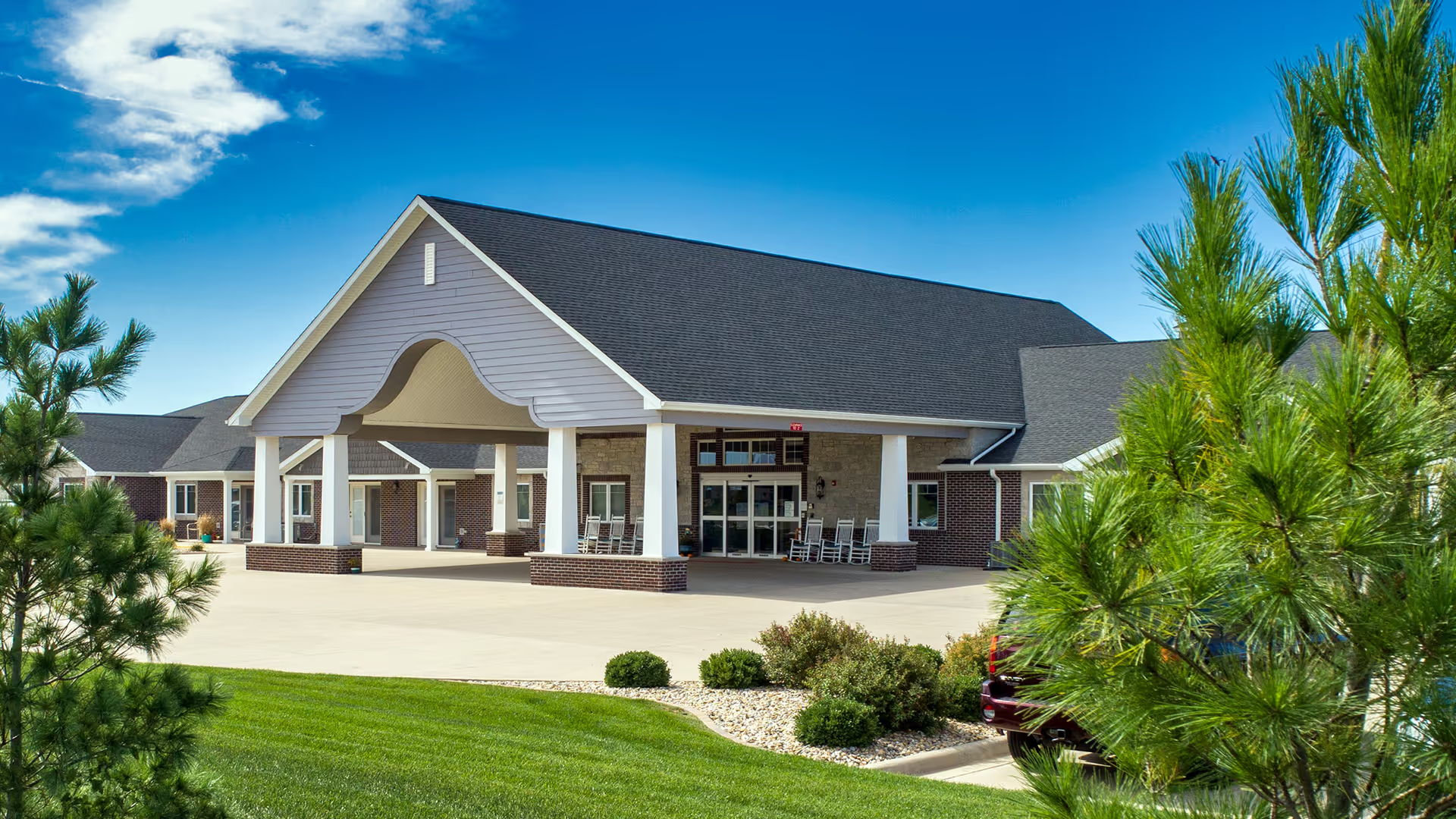
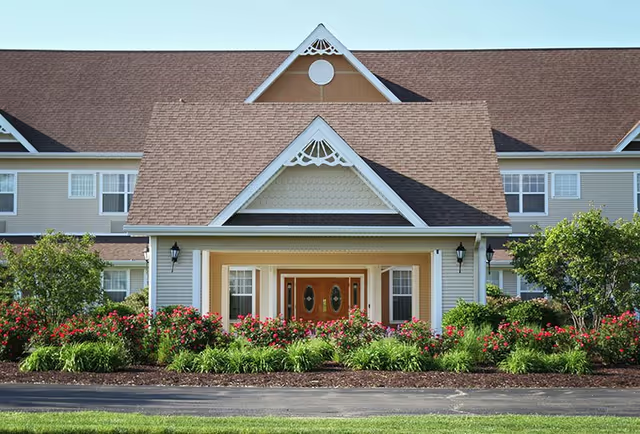
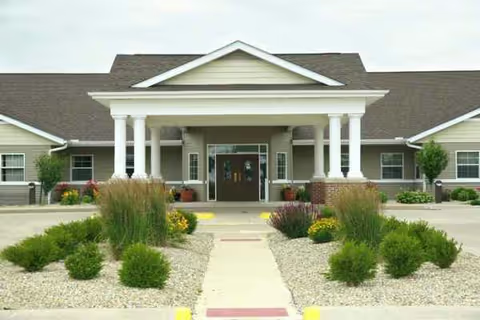
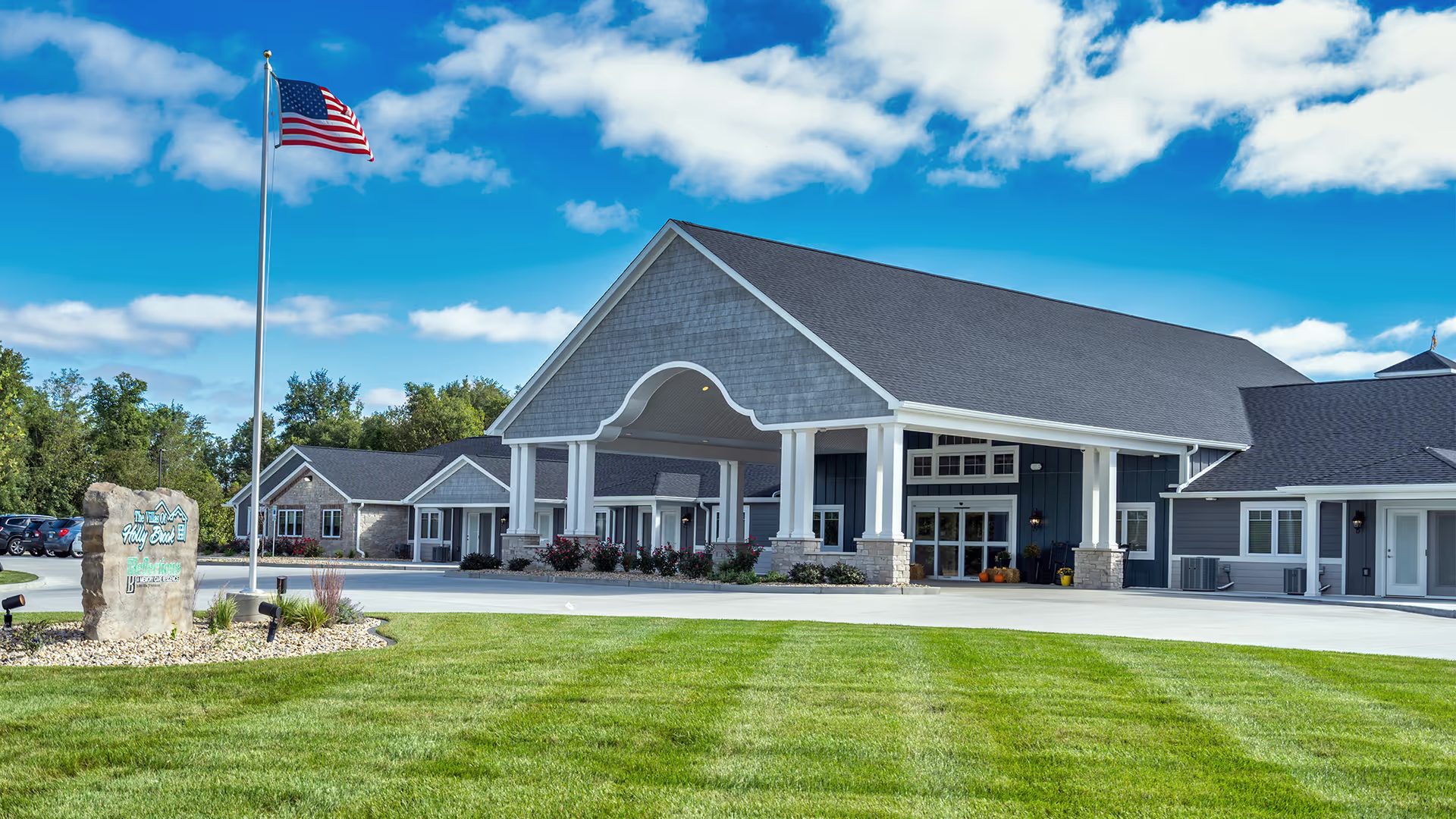
This facility elicits a mixed set of impressions across reviewers. Positive accounts emphasize compassionate caregivers, visible leadership engagement, active recreational programming, and a family-friendly campus with outdoor seating and pleasant common areas. Several commenters described individual staff members and teams as caring and attentive, noted successful rehabilitation services, and praised admissions outreach and director involvement. In these accounts, resident rooms and some common areas were described as clean and comfortable, and activities such as holiday programming and recreational events were highlighted as genuine strengths.
Counterbalancing those positives are recurring operational concerns that affect care reliability. The most consistent theme is understaffing: reviewers describe limited staff availability, slow responses to call lights, and long waits for basic assistance. That pattern contributes to inconsistent personal-care routines (including bathing schedules), delays in attending to continence needs in shared spaces, and uneven bedside support. Families also raised sanitation and odor concerns in some common areas, which compounds perceptions of variable housekeeping and incontinence-care practices.
Clinical management and medication processes were another area of frequent concern. Reviews cite missed or delayed medications, pharmacy delivery coordination problems, and gaps in controlled-substance tracking. Some families described instances where in-house clinicians made treatment decisions without sufficient family or resident communication, creating uncertainty about clinical oversight. Taken together, these items indicate inconsistent medication administration protocols and opportunities to strengthen clinical handoffs and documentation.
Dining and diet services appear inconsistent. Some residents experienced acceptable meals and palatable options, while others reported high-sodium or inadequate therapeutic-diet handling, limited menu flexibility, and occasional portion or allergy-accommodation issues. Activity programming is generally viewed positively, though reviewers also noted that staff capacity can limit follow-through on other tasks during busy shifts.
Management and communication issues surface repeatedly. Families describe difficulty obtaining timely callbacks, dismissive tones from some staff, and a sense of weak administrative follow-through on complaints. There are also statements alleging missing personal items or medication-tracking problems; a few reviews reference regulatory attention. These items point to opportunities to strengthen accountability, incident reporting, and family communication channels.
For prospective residents and families: the facility demonstrates clear strengths in staff compassion, leadership visibility, and program offerings, but there are notable operational weaknesses that could affect daily care reliability—especially during high census or low-staff periods. Visitors should evaluate current staffing levels, medication-administration safeguards, diet-accommodation procedures, sanitation practices, and emergency-response protocols. Reviewing recent inspection reports and speaking directly with clinical leadership about specific care needs will help determine whether the facility’s current operations align with a prospective resident’s requirements.