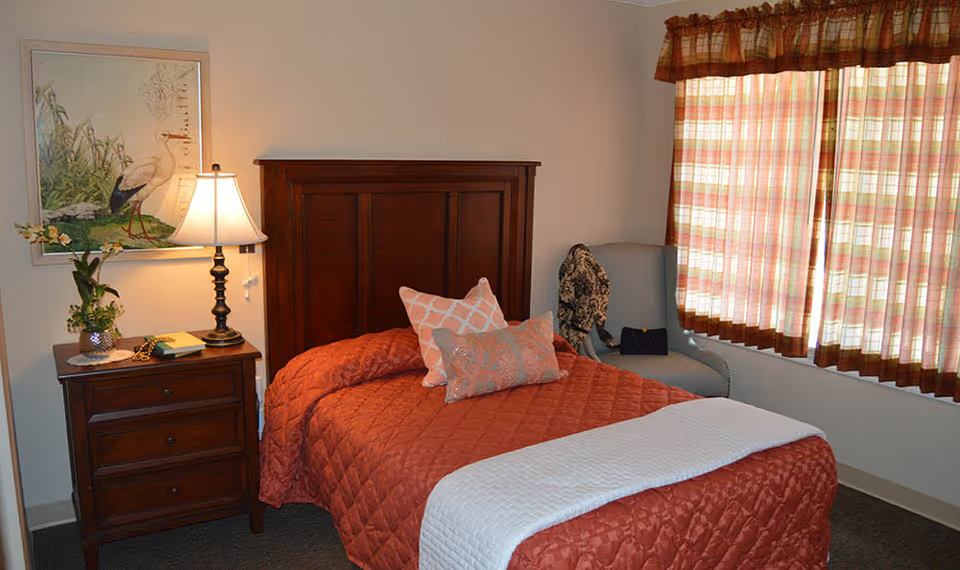
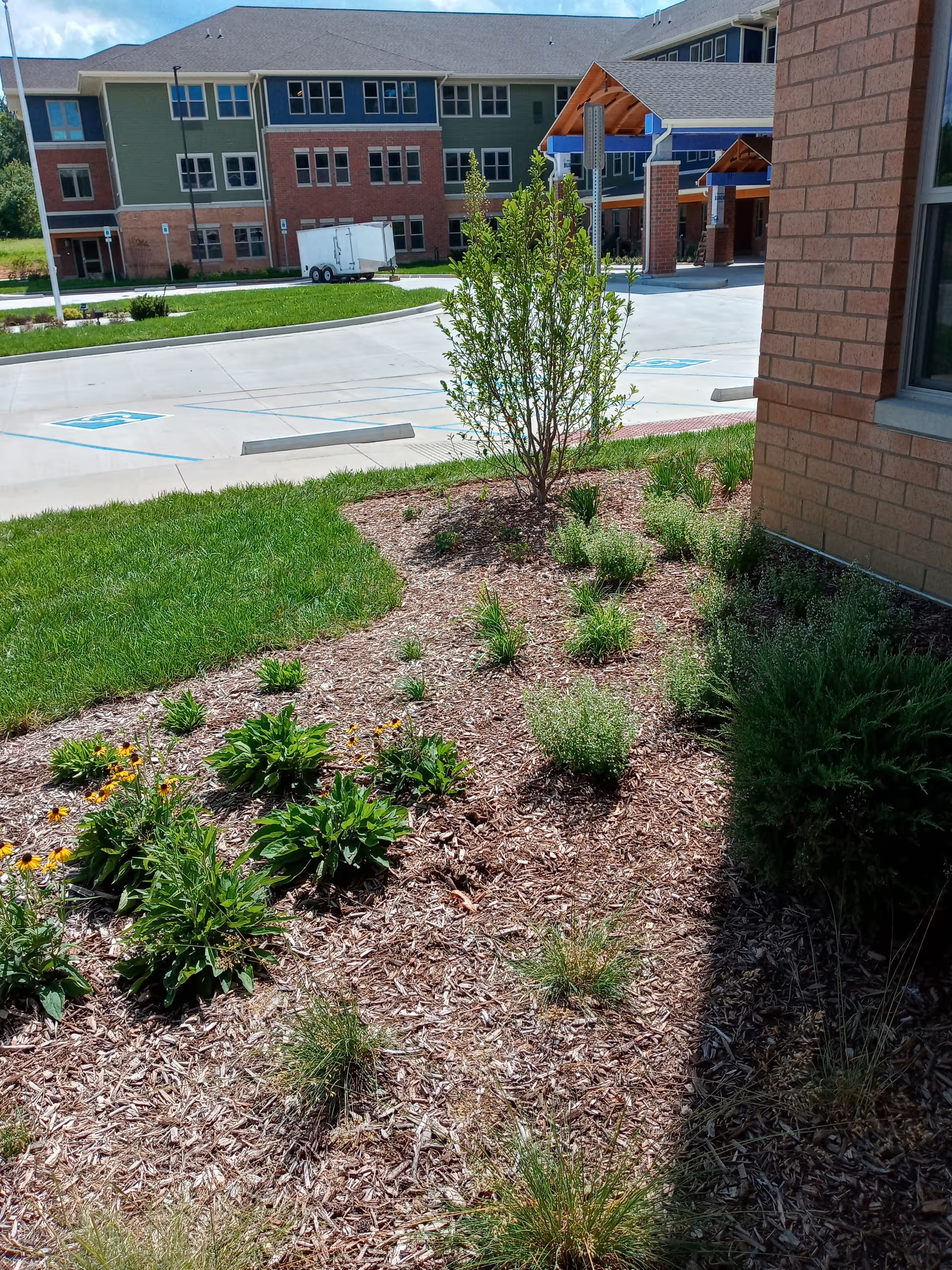
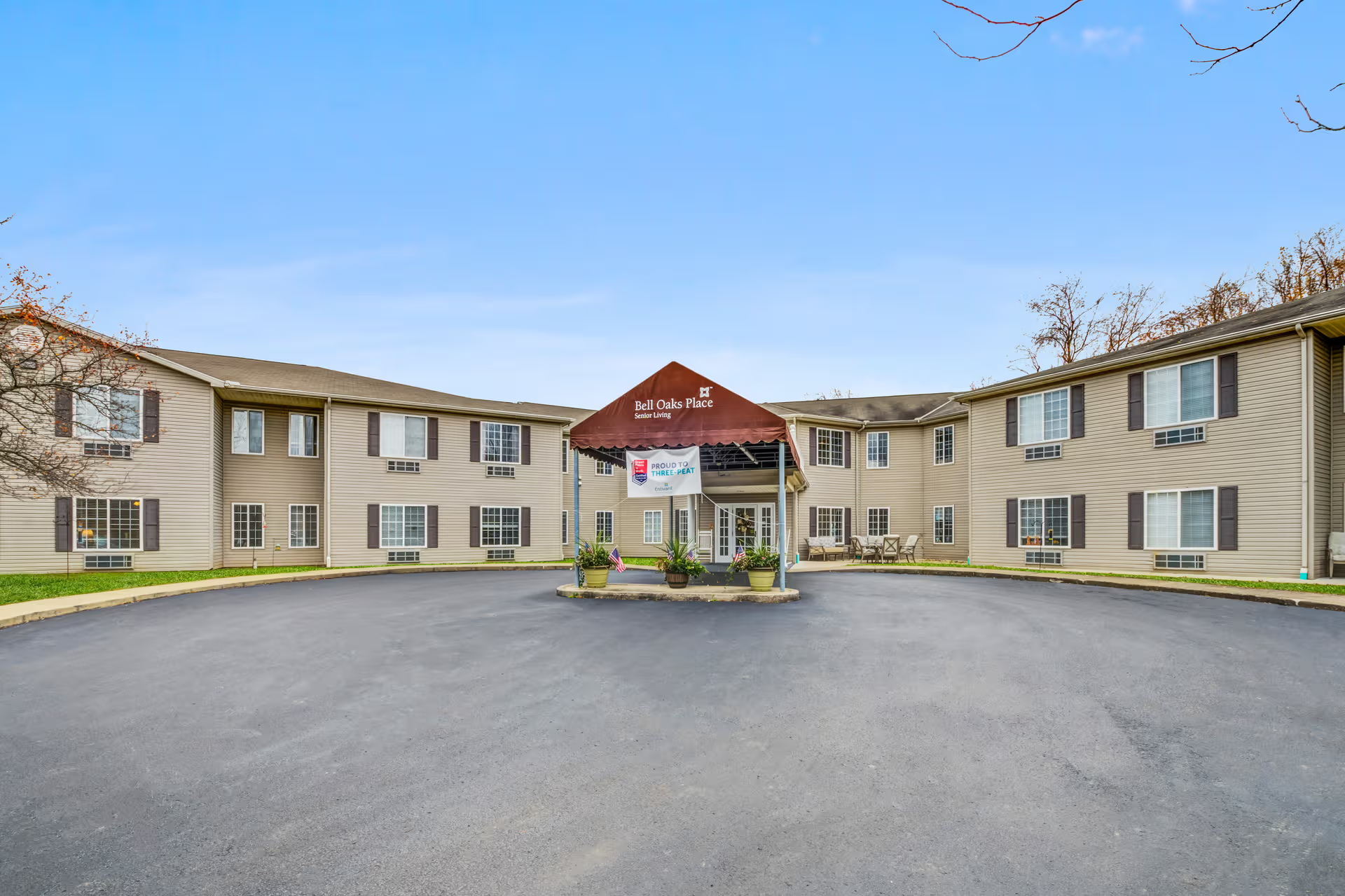
River Pointe Health Campus elicits strongly mixed impressions. Many reviewers describe a bright, well-kept building with attractive common areas, garden courtyards, and private-room options. Housekeeping, laundry, and personal-care amenities such as a beauty shop are often praised, and several families and long-term residents highlight a warm, family-like atmosphere where staff learn residents’ names and provide compassionate daytime care.
Dining and activities are clear strengths for a large portion of reviewers. The facility offers restaurant-style dining, a large menu with varied choices, and special family dining events; many residents report enjoying meals, social dining, and an active calendar that includes arts, bingo, outings, and other structured programming. Therapy and rehabilitation services receive positive comments when staffing and supervision are sufficient; some residents credit therapy with effective recovery and smoother transitions to assisted living.
At the same time, there are recurring operational concerns. Staffing consistency is uneven across departments and shifts: daytime care is frequently described as attentive, while nighttime staffing and responsiveness are noted as weaker. Reviewers cite variability in staff conduct and communication tone, and there are repeated notes about inadequate family notification and unclear clinical communication after significant events. Medication management and documentation gaps are alleged in several accounts, contributing to family frustration and, in at least one case, escalation to hospital care.
Food-service reliability and dietary quality control emerge as another clear pattern: while the menu and food variety are often praised, some families report wrong meal deliveries, missing items, and lack of consistent quality control in the kitchen. Infection-control and outbreak handling (including COVID-era concerns) and some allegations related to medication handling or withheld medications are also mentioned; these are serious matters that prospective families should inquire about directly. Additionally, a subset of reviewers note therapy-safety shortcomings such as unsecured equipment and insufficient supervision during sessions, and incontinence-care delays and bedding/linen issues were raised as sanitation and comfort concerns.
Taken together, the facility appears to provide a strong social environment, appealing physical plant, and many compassionate staff members, particularly for daytime and long-term residents. However, variability across shifts and departments — especially around nursing consistency, medication processes, dietary quality control, infection-control protocols, and nighttime responsiveness — creates a polarized set of experiences. Prospective residents and families should tour the campus, ask specific questions about staffing ratios by shift, medication and communication protocols, dietary quality-control procedures, therapy safety practices, and infection-control policies, and request references from current families with similar care needs to the prospective resident.