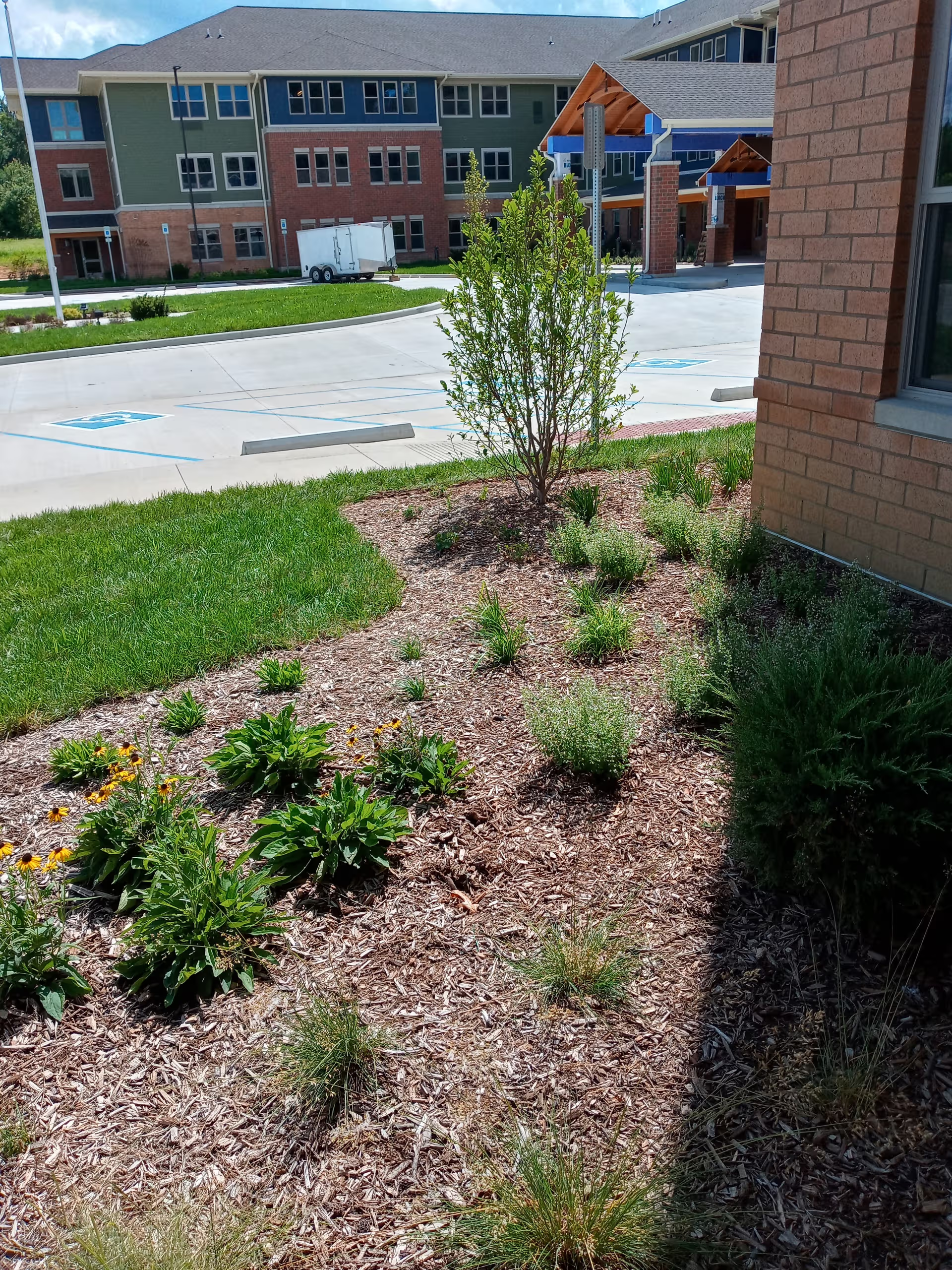
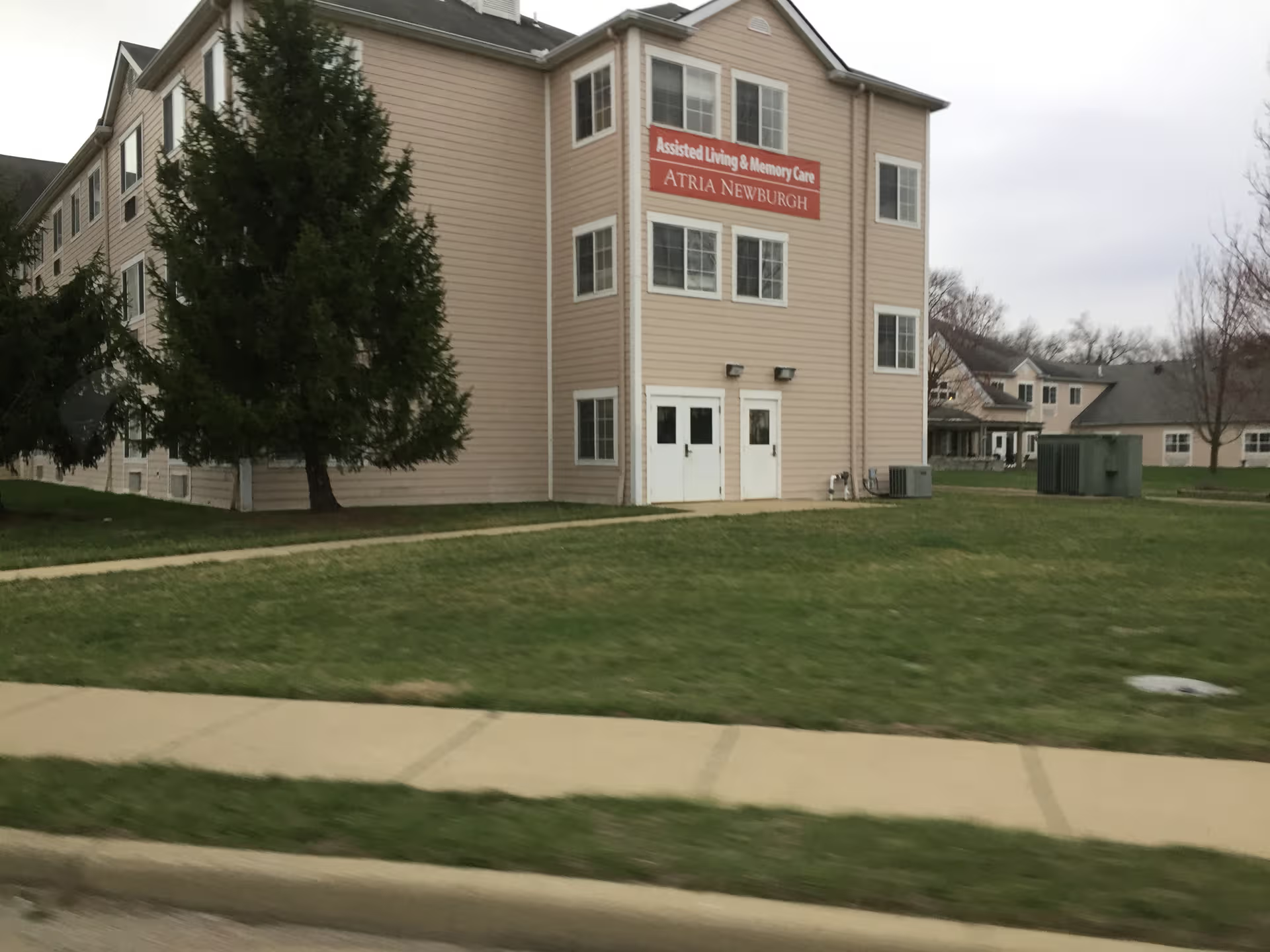
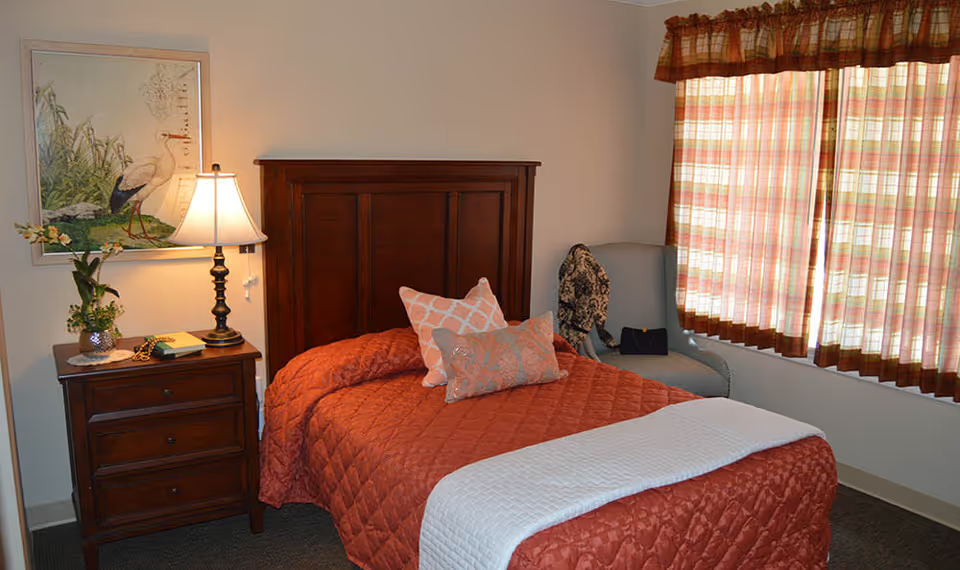
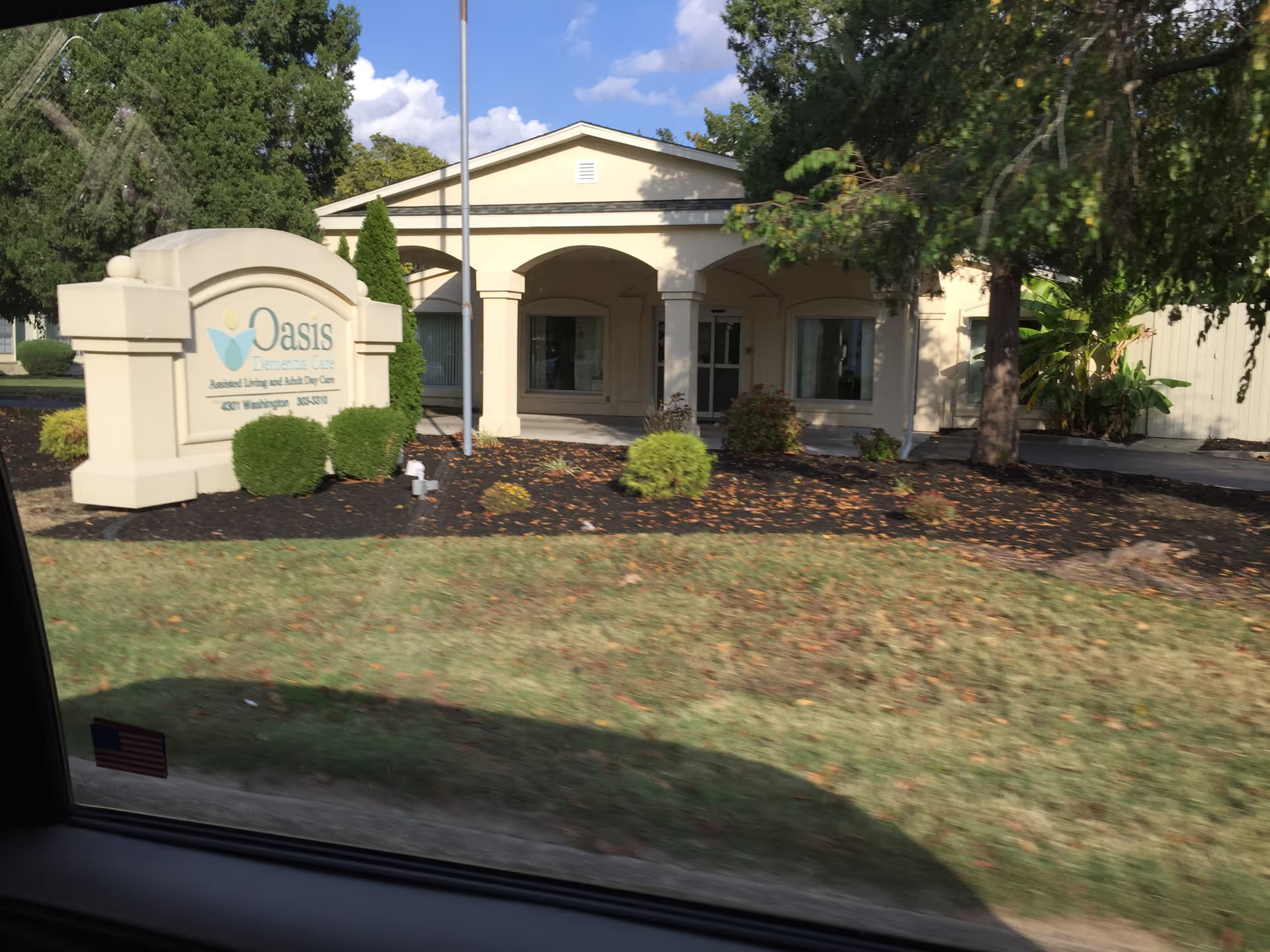
Bell Oaks Place is consistently described as a well-kept, recently refreshed community with a home-like atmosphere. Many family members and visitors praised the appearance of the building, regular renovations, bright common areas, and personalized apartments. The community offers an active calendar — bingo, live entertainment, outings, and frequent onsite programming — and maintains an onsite therapy/rehabilitation team that several families identified as a meaningful asset. Dining and communal dining areas are often noted as welcoming; some reviewers described a gourmet-style cafeteria and flexible menu options that accommodate alternatives throughout the day.
The staff are the facility’s most frequently cited strength. Numerous comments describe compassionate, personable caregivers, attentive housekeeping and laundry teams, and strong nursing leadership and administration. Several accounts highlighted thoughtful move-in support, an effective activities staff, and an executive director who is engaged with residents and families. These positive staffing attributes contribute to a sense of relief and security for many families.
However, there are recurring operational concerns that prospective families should probe. Staffing levels and coverage appear uneven at times, which is associated in some accounts with slower responses to call lights, delayed assistance, and inconsistent oversight during overnight shifts. Relatedly, a number of reviewers described variability in meal service: late trays, meals arriving cool, and uneven food quality between shifts. While some reviewers praised the dining, others recommended asking about service continuity and kitchen staffing patterns.
Several reviews raised concerns about staff conduct and communication style. These ranged from interpersonal conflicts among employees and negative coworker dynamics to instances where families felt communication from the nursing or administrative team was incomplete or misleading. There are also descriptions of documentation and clinician-communication inconsistencies; families should verify how the facility communicates clinical updates and documentation with outside providers and next of kin.
Clinical-safety issues were mentioned in a subset of narratives. Specific operational shortcomings include gaps in transfer and assisted-mobility protocols and layout constraints (for example elevator placement) that some felt increased transfer risk. A few stays involved multiple falls and hospitalizations; these accounts suggest it is important to review the facility’s staffing ratios, fall-prevention protocols, and skilled-nursing availability if the prospective resident has significant mobility or clinical needs.
Operational and administrative points also appear mixed. Many reviewers praised local leadership, but others described billing and lease-agreement concerns (including discussions about release clauses and remote management practices). Amenities vary by unit size: smaller communities and studios may not offer on-site salon or chapel spaces that larger facilities provide. Housekeeping quality is generally good, though intermittent lapses (dusting, variable cleanliness in some areas, and occasional odor associated with exterior work) were noted.
For families considering Bell Oaks Place, suggested questions include: current staffing ratios by shift and average call-light response times; meal service schedules and hot-holding/temperature policies; on-site clinical coverage and protocols for transfers and fall prevention; examples of how the facility documents and communicates medical decisions with families and outside clinicians; specifics of lease and billing policies; and a look at an activities schedule and therapy program. These focused inquiries will help align the facility’s strengths — clean, inviting environment; active programming; and engaged staff leadership — with the resident’s clinical needs and family expectations.