Overall impression: Reviews describe a facility with many strengths in day-to-day caregiving and therapy, balanced by operational and clinical consistency issues that families should weigh. The most consistent positive theme is the quality of direct-care staff: nursing assistants, CNAs, and many nurses are described as compassionate, attentive, and willing to individualize care. Memory-care services receive repeated praise for respectful interactions and approaches that preserve dignity. Rehabilitation services (physical, occupational, and speech therapy) are frequently noted as effective and goal-oriented, with several families describing measurable progress.
Care and clinical oversight: Families commonly praised personalized care plans, frequent updates, and staff who facilitate family communication and remote contacts. However, a subset of reviews raises serious clinical concerns that point to systemic gaps rather than isolated comments: examples cited include untreated wounds, delays in escalation to higher-acuity care, and dehydration or infection that required later hospitalization. These accounts suggest variable performance in clinical monitoring and escalation protocols; prospective families should inquire about current clinical oversight processes, wound-care protocols, and transfer/acute-response procedures.
Staffing and workforce issues: Staffing consistency appears uneven. Positive comments about devoted long-term staff and strong leadership coexist with accounts of understaffing, aides who lack resident-specific knowledge, and reliance on agency/contract nurses whose competence is described as variable. Reviewers also referenced unprofessional conduct and communication tone in isolated instances. These items collectively indicate that staff mix and turnover — and any ongoing management transitions — can materially affect the resident experience and continuity of care.
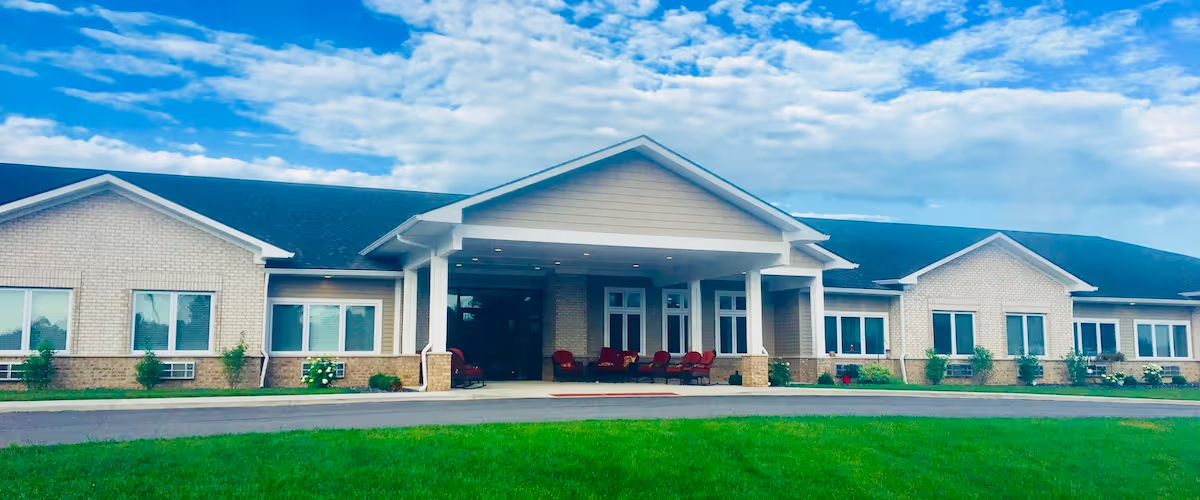
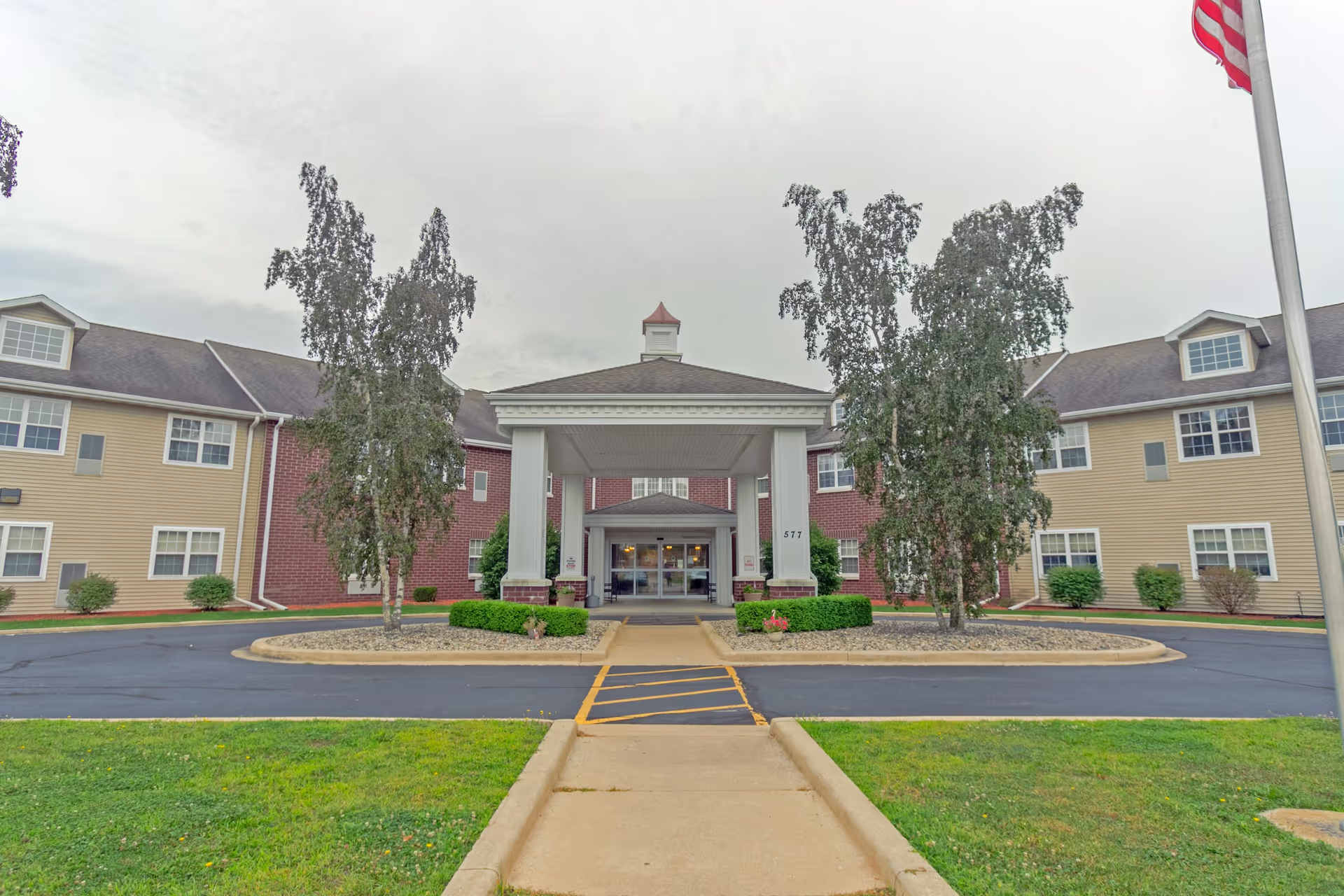
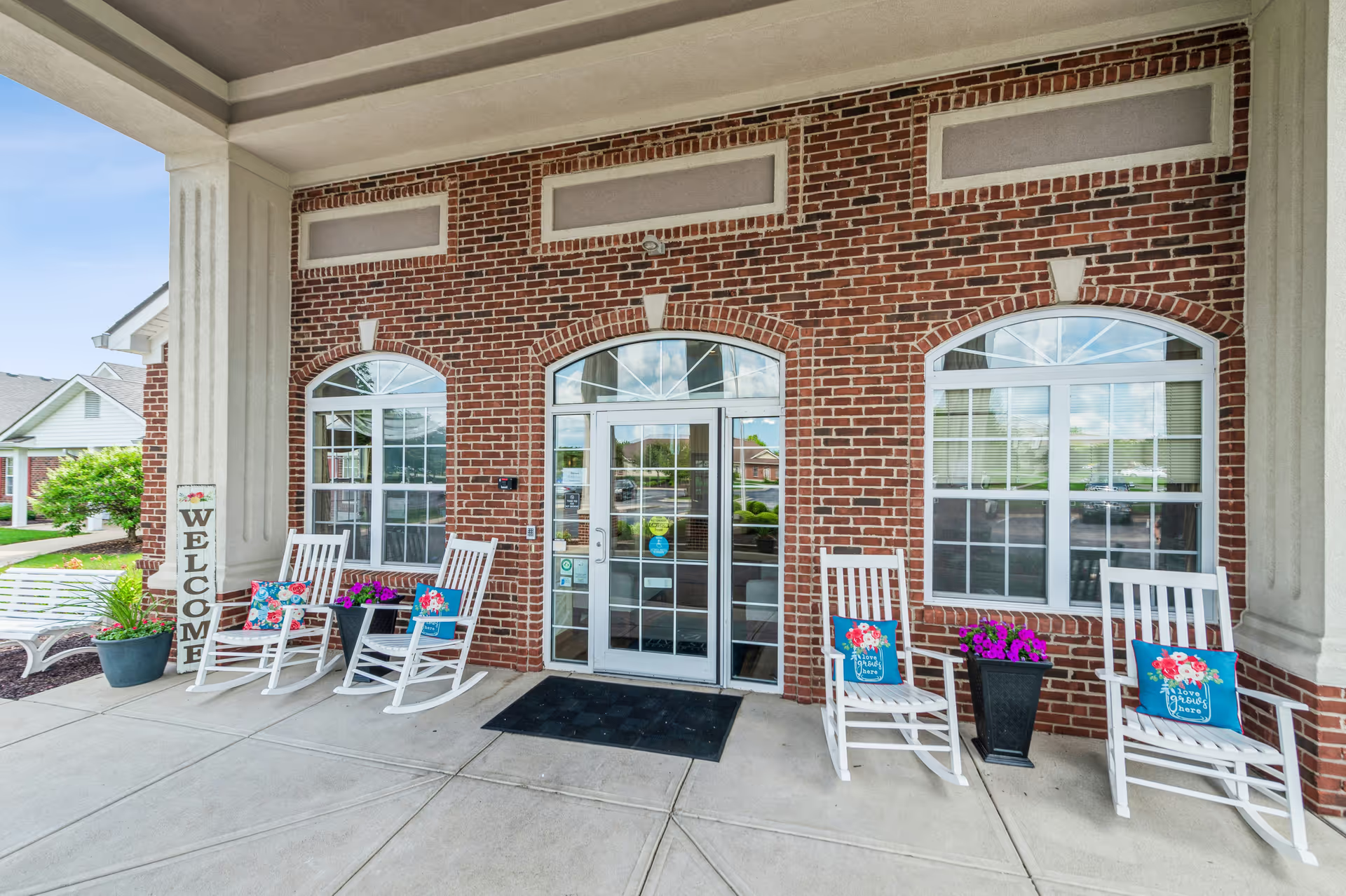
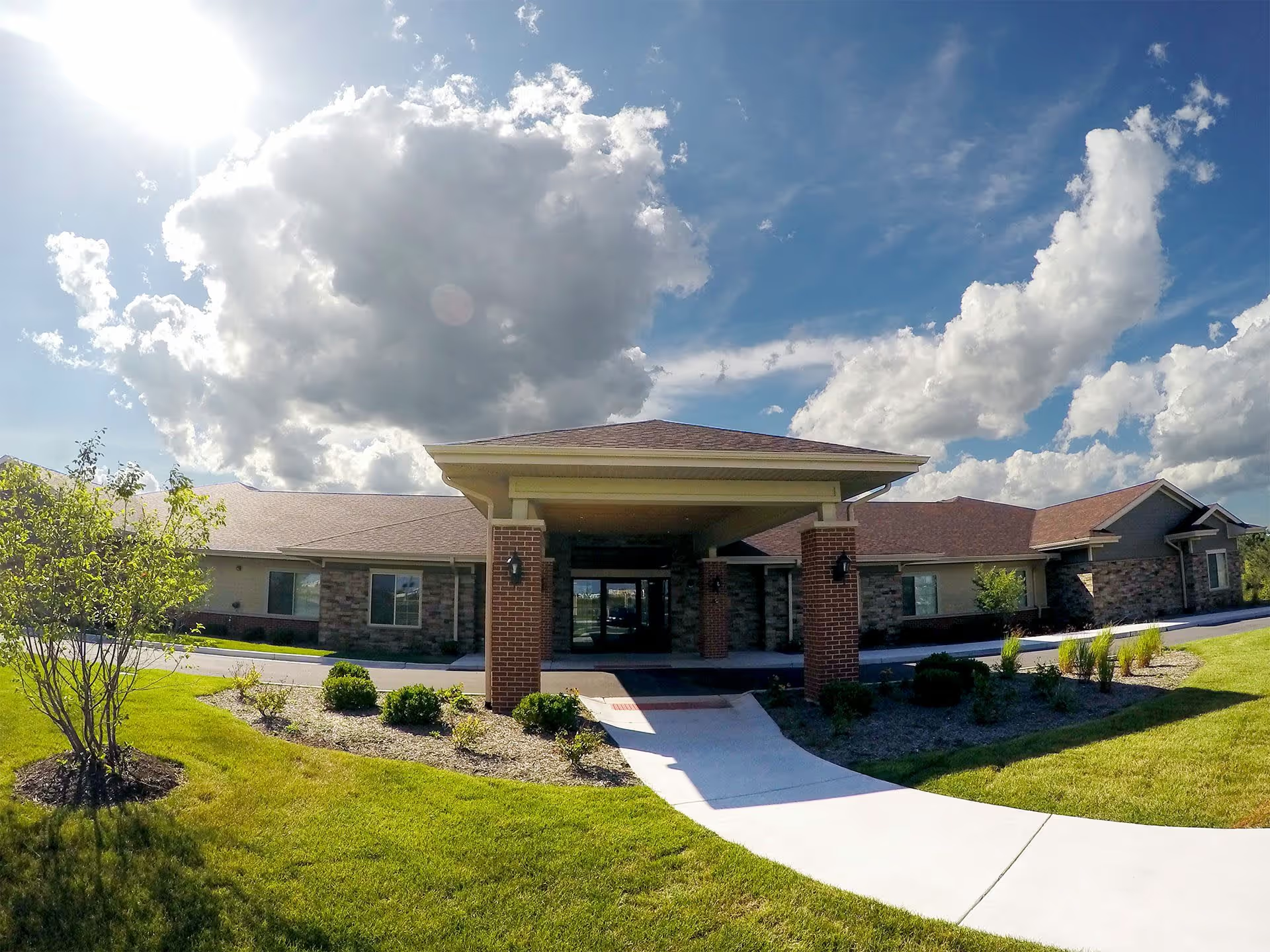
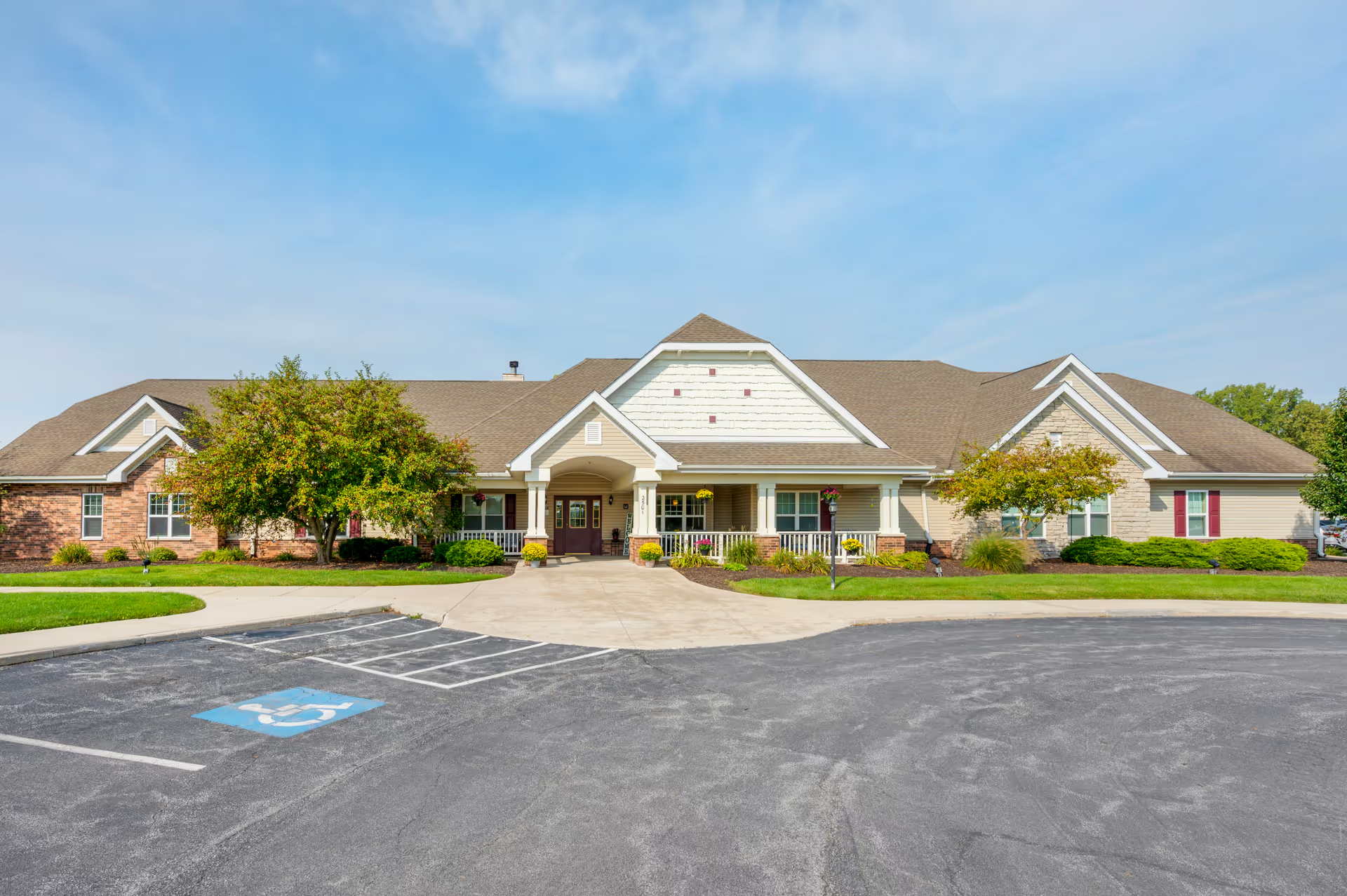
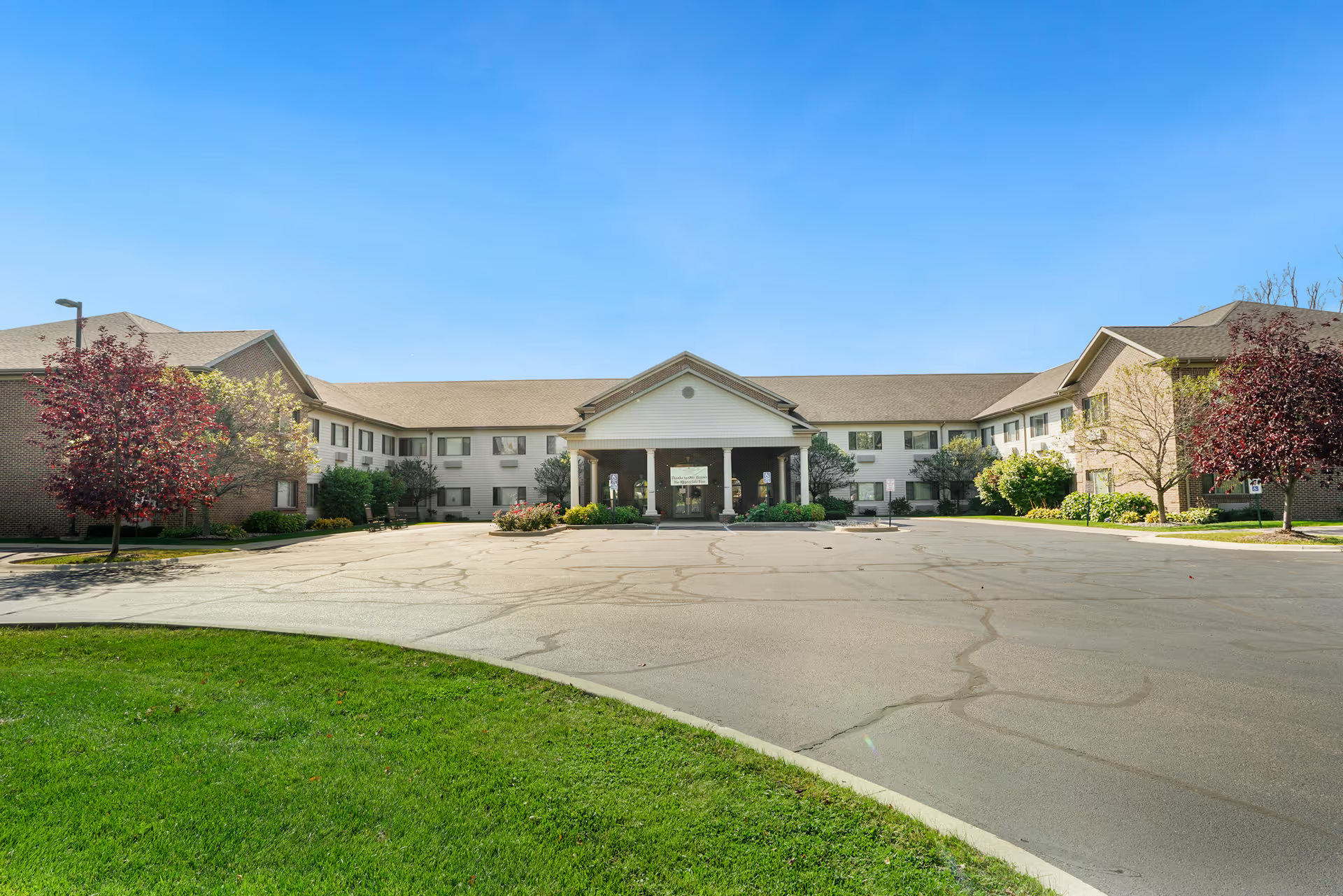
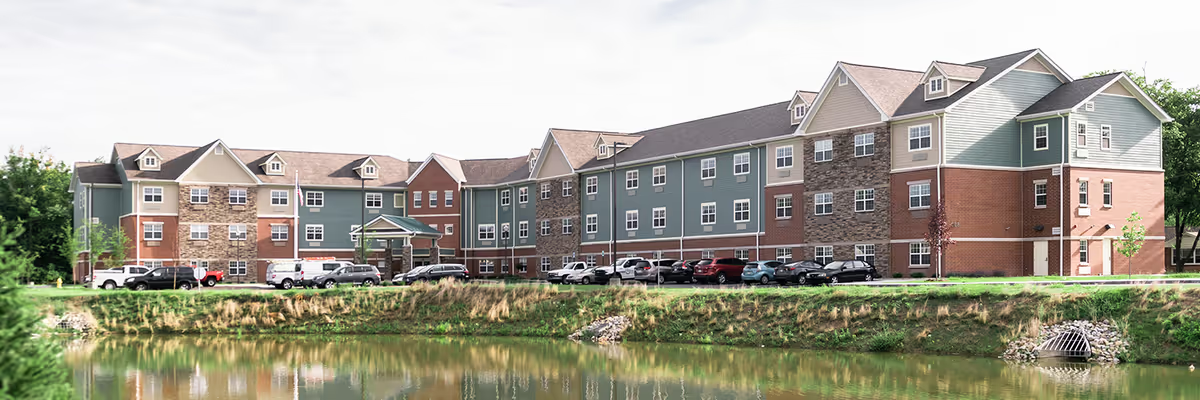
Dining, activities, and environment: Dining and meal personalization are noted as strengths, with food prepared to resident preferences and assistance available. Activity programming receives mixed feedback: many families describe active, engaging programming (games, therapy participation, Bible study, socialization) that contributes to a home-like atmosphere, while others reported periods with limited activities or external entertainment. Facility condition comments are similarly mixed: several reviewers praised clean, comfortable rooms and courteous housekeeping, but others raised maintenance concerns including leaks, mold, and building-repair needs. Prospective families should tour multiple wings and inquire about recent maintenance work.
Management and notable patterns: Leadership and specific staff members (including named leadership in some comments) are credited with creating a caring culture and responsive management in many accounts. That said, reviewers also connected management turnover or recent changes to a decline in performance metrics in certain periods. Given the mixed signals — strong frontline caregiving paired with operational variability — it is advisable to ask facility leadership about current staffing ratios, agency use, recent quality-improvement actions, infection-control status, and how the facility tracks and responds to clinical incidents.
Bottom line: Rensselaer Care Center presents clear strengths in compassionate direct care, memory care, and rehabilitation outcomes, alongside recurrent operational concerns around staffing consistency, agency nurse variability, clinical escalation processes, and building maintenance. Families who prioritize strong therapy and compassionate hands-on staff may find the facility a good fit, but should conduct focused inquiries and a thorough tour to confirm current staffing stability, clinical oversight, and facility-condition remediation plans.